What to Wear After Surgery
After surgery, wear front-opening tops with magnetic closures, wide-leg pull-on pants, and hands-free shoes. Recovery clothing has to clear a dressing, a brace, or a sling without pulling. Four formulas plus the shoe and fabric picks, so getting dressed stops being the hard part.


Wear front-opening tops with magnetic or snap closures, pull-on pants with a wide leg opening, and shoes you can get into without bending or tying. The clothes that work after surgery clear a dressing, a drain, a brace, or a sling without dragging across the incision. Most people need about six weeks of this. Buy for the worst week, not the average one.
🛒 The Post-Surgery Outfit Forecast Formula
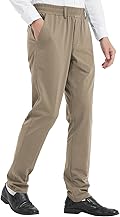
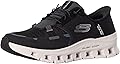

Dress code No dress code. The rule is front-opening, pull-on, and one size looser than usual through the surgical site. Key layer A magnetic-closure or snap-front shirt. You put it on like a jacket instead of raising your arms over your head. Base layer Soft cotton or modal next to skin. Nothing with a seam, tag, or elastic band sitting on the incision line. Avoid Pullover sweatshirts, skinny jeans, lace-up shoes, underwire, and anything with a back zipper. Footwear Hands-free slip-ins or a hook-and-loop walking shoe with a wide toe box, half a size up for swelling. Tested in A six-week shoulder repair recovery through a New York August, 78F to 92F, with a sling on for the first four weeks.
Four Post-Surgery Outfit Formulas
Pick the one that matches your surgical site. Each assumes limited reach, one working arm, or a leg you cannot bend past ninety degrees.
The Sling Week Formula
Magnetic-closure button-down worn open over a soft tank, elastic-waist wide-leg pant, hands-free sneakers. This is the first ten days after any shoulder, chest, or upper-arm procedure. The shirt goes on the operated side first and you never lift that arm. Size up one full size so the sleeve clears the sling. I ran this exact setup for four weeks and only changed the color of the shirt.
The Knee and Hip Formula
Wide-leg pull-on pant, cotton tee, hook-and-loop walking shoe. The leg opening is the whole ballgame. A brace or compression sleeve adds two to three inches of circumference at the knee, and a straight-leg sweatpant with a 14-inch hem will not clear it. Look for a hem opening of 18 inches or more, or a pant with a side snap.
The Abdominal Formula
High-rise soft pant that sits above or well below the incision, front-opening top, slip-on shoe. After a C-section, hernia repair, or laparoscopic work, the waistband is what ruins your day. A mid-rise band lands directly on the incision. Go high-rise with a soft elastic band above it, or low enough to sit under it. Nothing in between.
The First Shower Formula
Towel-lined hooded robe, no-slip socks or a shower shoe. The first shower after surgery is harder than anyone tells you. Drying off means bending, twisting, and reaching with a towel on a wet floor. A robe that dries you passively removes all three movements. Put it on wet, sit down, and let it work. The SheRobe and the DudeRobe are the same build in two cuts.

Fabletics Year Round Terry Wide Leg Sweatpant
The wide hem clears a knee brace or a compression sleeve without rolling, and the terry is light enough to wear in an 85F house.
Shop This PickDo and Don't
- Do buy front-opening tops. Magnetic closures, snaps, and full-zip fronts all work. Anything you pull over your head does not.
- Do size up one size through the surgical site and keep your normal size everywhere else.
- Do get shoes you can put on standing, without hands, half a size larger for swelling.
- Don't buy anything with a back zipper, a hook-and-eye closure, or a tie you need two hands for.
- Don't wear a compression sock or sleeve your surgeon did not prescribe. Swelling management is a medical instruction, not a styling choice.
- Don't put a waistband, strap, or seam on the incision line, even a soft one. Six hours of light friction is how a clean incision gets irritated.
Best Shoes for Post-Surgery Recovery
Hands-free slip-ins are the default for the first three weeks after almost any procedure. The heel counter collapses when you step in and springs back once the foot is seated, so you never bend, reach, or tie. Examples include the Skechers Slip-Ins line and Kizik's hands-free models. Price range: $60-$110.
Hook-and-loop walking shoes are the right call once you are doing real walking, especially after knee, hip, or ankle work. The strap adjusts around a swollen foot in a way laces cannot. Examples include the Brooks Addiction Walker V-Strap 2 and New Balance's 928 strap model. Price range: $115-$150.
Wide-toe-box recovery sandals cover the house and early physical therapy, when swelling is worst. Look for a two-strap adjustable model with a contoured footbed, not a flat foam slide. Examples include Oofos OOahh Sport and Birkenstock Arizona. Price range: $60-$140.
Avoid: lace-up sneakers, backless clogs, and flat slides. Laces require a bend and two hands. Backless styles let the heel move independently of the shoe, which is the instability that turns a walk to the kitchen into a fall.
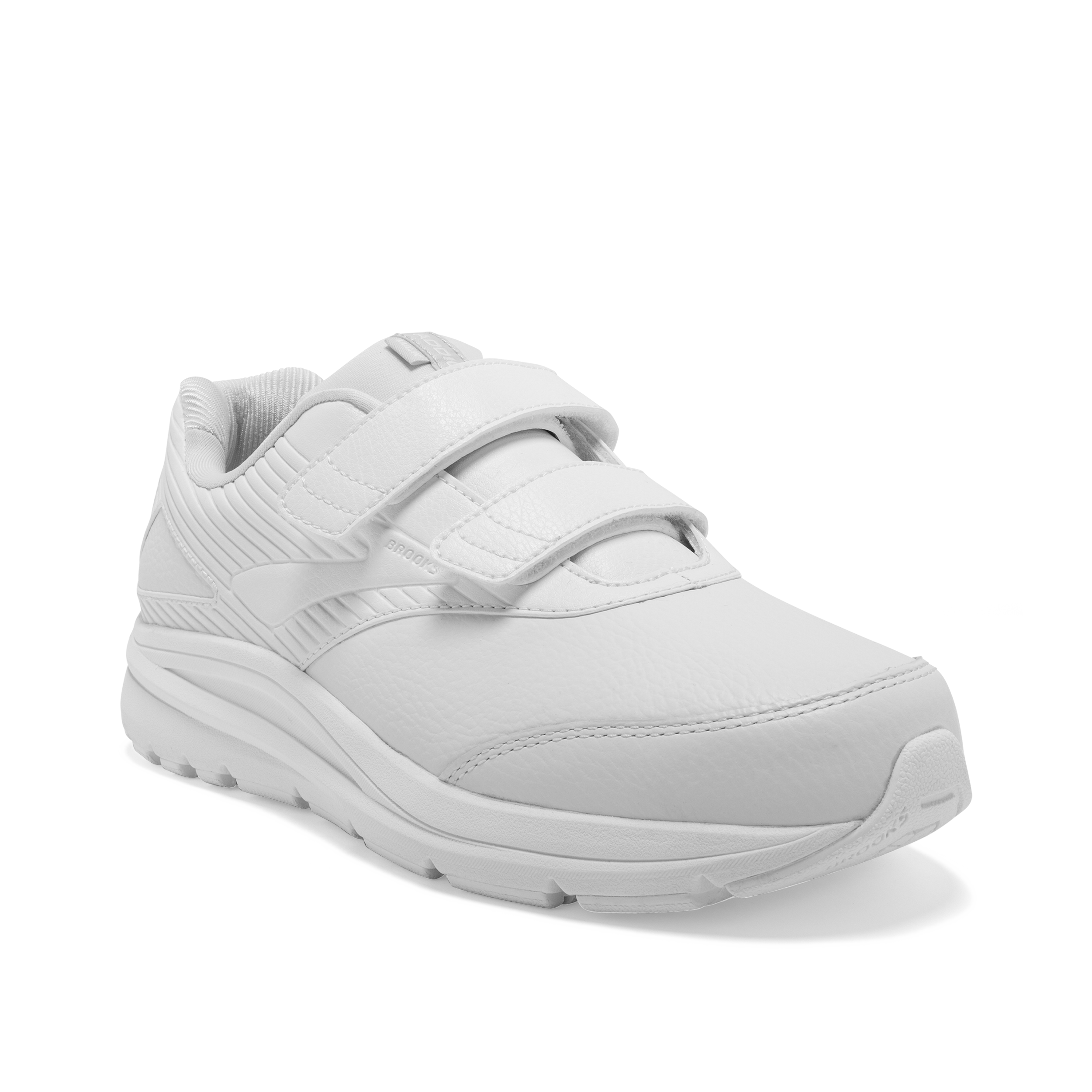
Brooks Addiction Walker V-Strap 2
No laces, a strap that opens all the way for a swollen foot, and enough midfoot support for the slow walks a physical therapist assigns in week three.
Shop This PickMistakes People Make
- Buying everything two sizes up. Only the surgical site needs room. A shirt two sizes too big has a shoulder seam four inches down your arm and a cuff you cannot get past a swollen hand. Size up once, in the right place.
- Waiting until after the procedure to shop. You will be home, medicated, and unable to try anything on. Buy and wash everything the week before. Wash it, because new fabric finish sits harder on skin than laundered fabric does.
- Ignoring the temperature you recover in. A late-summer recovery in a 90F week is a different problem than a February one. Pain medication and reduced movement both cut how well you regulate heat, and a dressing traps another 3F to 5F against the skin.
- Treating a robe as optional. The towel-lined robe solves the shower, the drying, and the two hours after a dressing change all at once.
Why This Approach Works
Three physical constraints drive every recommendation here, and none are about style.
Range of motion is the first. After a rotator cuff repair, most surgeons restrict shoulder flexion to under 90 degrees for four to six weeks. Pulling a t-shirt over your head requires roughly 150 degrees. That single number is why every top here opens at the front.
Swelling is the second. Post-operative edema typically peaks between day two and day five and can add 10 to 20 percent circumference at the joint. A shoe that fits the morning of surgery will not close on day four. Half a size up and an adjustable closure absorb that.
Heat is the third, and the one people plan for least. A dressing or brace cuts evaporation at that patch of skin almost entirely. Across an 85F to 92F stretch of late August, the fabric touching your incision needs to be the lightest thing you own. A 3.5-ounce cotton jersey moves moisture out. A 10-ounce fleece traps it against a healing wound.
For adaptive options beyond recovery, Silvert's, June Adaptive, and Joe and Bella build full lines around these constraints, including back-opening tops and side-snap trousers this guide does not cover.
⭐ Jordan's Pick

MagnaReady Magnetic Front Cooling Shirt
Magnets close it one-handed, and the cooling knit is the right weight for recovering through an August week. It is the only shirt I did not need help with.
Shop This PickFrequently Asked Questions
What should I wear home from the hospital? A front-opening top one size up, a wide-leg pull-on pant, and slip-on shoes. Bring them in a bag the morning of the procedure. Nothing that goes over your head will work.
How long do I need adaptive clothes after surgery? Four to six weeks for shoulder, chest, and abdominal procedures, and two to three weeks for most knee and hip work. The first ten days are the strictest.
Can I wear a bra after surgery? Only what your surgeon approves. Front-closing soft bras with no underwire are the standard recommendation after chest, breast, and shoulder procedures. Back-closing and underwire styles both require reach and put a rigid band near the incision.
What should I wear to physical therapy? Loose pull-on shorts or a wide-leg pant a therapist can push above the joint, plus a front-opening top. Wear the hook-and-loop walking shoe rather than a slip-in, since therapy involves resisted movement.
Is it too hot for long sleeves after summer surgery? A dressing already traps 3F to 5F against the skin, so add as little as possible. A lightweight long sleeve worn open over a tank is cooler than people expect, because air moves through the open front.
Related Guides
- Adaptive Clothing for Limited Dexterity
- Adaptive Clothing for Cold Weather
- What to Wear to a Job Interview With Limited Dexterity
- What to Wear When the Heat Index Is High
- What to Wear When It's Hot Outside but Cold Inside
- What to Wear in Summer Heat With Limited Mobility
- What to Wear to Physical Therapy
- What to Wear to an MRI
- What to Wear After Shoulder Surgery
About the Author: Jordan Ellery is a weather-styling writer and former retail buyer based in New York who covers fabric behavior, layering systems, and dressing around physical constraints. Read more from Jordan.
Powered by Outfit Forecast Formulas. Forecast x Occasion x Body.