Adaptive Clothing for Limited Dexterity
Adaptive clothing for limited dexterity. Magnetic closures, side-seam pants, slip-on footwear, and full outfits for arthritis, post-stroke, MS, Parkinson's, and any condition where fine-motor dressing needs to be faster.

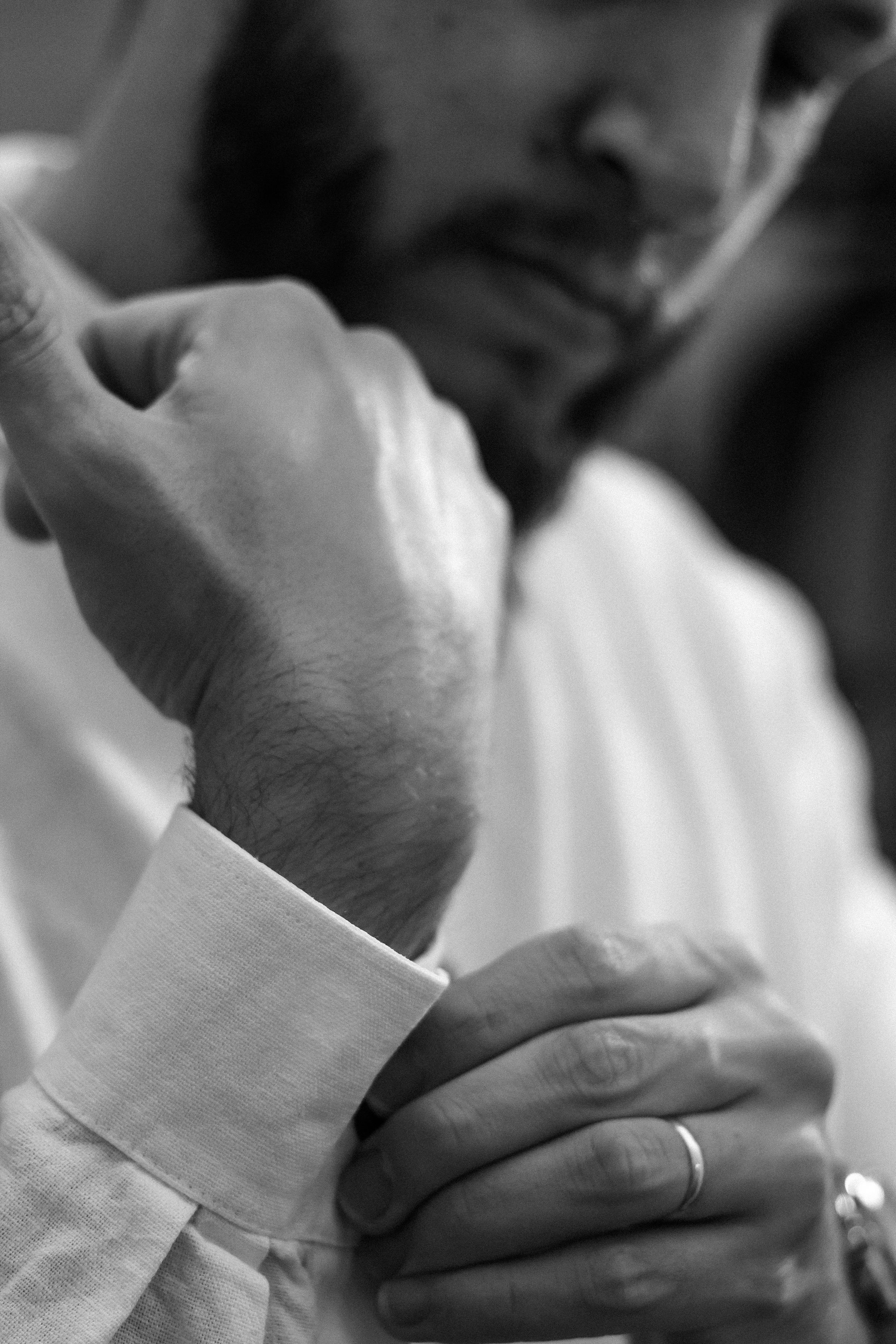
If standard buttons, zippers, and laces take more time and effort than they should, adaptive clothing is the answer. Magnetic closures, one-handed fastening systems, slip-on footwear with elastic gores, and seated-friendly cuts solve specific dexterity challenges while still reading as everyday style. Look for magnets at button plackets, velcro under decorative buttons, and elastic-back waistbands that pull on with one hand.
Outfit Forecast earns a commission when you buy through links on this page, at no extra cost to you. Some brands featured here are owned by the company that publishes Outfit Forecast. Affiliate disclosure
🛒 The Limited Dexterity Outfit Forecast Formula


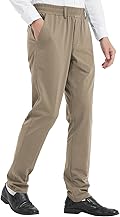
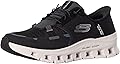

Temperature feel Year-round, indoor and outdoor Key layer Magnetic cardigan or open-front jacket Base layer Magnetic-closure shirt or pull-on top Avoid Tight necklines, small buttons, stiff zipper pulls Footwear Slip-on or hands-free sneakers, elastic-gore loafers Built for Daily wear with reduced grip strength.
3 Outfit Options for Limited Dexterity
1. The Magnetic Office Look
Dress-shirt formality with the dressing time of a t-shirt. Magnets behind decorative buttons solve the front-placket problem entirely.
- Top: magnetic-closure oxford or dress shirt
- Mid: magnetic cardigan or unstructured blazer with side zip
- Bottoms: pull-on dress pants with elastic back, faux fly
- Shoes: elastic-gore loafer or zipper dress shoe
- Accessories: pre-tied or magnetic-clasp tie if needed
2. The Everyday Casual
T-shirt and pants you can put on in under a minute, with no fasteners that require pinch grip.
- Top: wide-neck pullover or adaptive polo with magnetic placket
- Bottoms: pull-on jeans or joggers with elastic waist
- Outer: open-front cardigan or zip-front jacket with oversized pull
- Shoes: hands-free Skechers Slip-Ins or BILLY Footwear zipper sneakers
- Accessories: magnetic-clasp watch band
3. The Seated-Friendly Layer System
Designed for wheelchair users or anyone who dresses while seated. Higher rises in back, flat seams, no bulky waistbands.
- Top: shorter-front, longer-back shirt with magnetic closures
- Mid: open-front cardigan that drapes around the seated form
- Bottoms: seated-cut pants (rise lower in front, higher in back)
- Outer: shorter-length jacket that does not bunch when seated
- Shoes: slip-on with elastic gore

MagnaReady Magnetic Dress Shirt
Decorative buttons in front, neodymium magnets underneath. Closes by aligning the placket. Cuts dressing time from minutes to seconds and looks identical to a standard oxford from the outside.
Shop This PickWhat to Wear and What to Skip
Do:
- Choose magnets over velcro where you can - velcro snags fabric and weakens over time
- Test the closure with your weaker hand before buying. If your dominant hand struggles, the other will not work
- Look for elastic waistbands hidden behind a flat front so the pants read as standard
- Prefer slip-on shoes with rigid heel counters so they do not collapse when you step into them
Skip:
- Small buttons on shirt cuffs, even on otherwise adaptive shirts. Switch to magnetic cuff links or elastic cuffs
- Pants with both a button and a zipper - both fail in the same way and you have two failure points
- Lace-up shoes without an alternative closure, even if you can tie them today
- Bunchy fabrics that catch on a wheelchair frame or a walker
Best Footwear for Limited Dexterity
Hands-free slip-in sneakers have a heel counter that holds shape so you can step in without using your hands. Examples include Skechers Slip-Ins, Kizik Athens, and Nike Go FlyEase. Price range: $70 to $150.
Side-zipper sneakers open wide and close with a single pull. Easier than tying laces and more secure than slip-on for high-arch feet. Examples include BILLY Footwear Classic Lace High, Friendly Shoes Force, and New Balance with side zip. Price range: $70 to $180.
Elastic-gore loafers for dressier settings. The gore expands as you step in, no laces or buckles needed. Examples include Cole Haan Pinch Penny, Sebago Classic Dan, and Florsheim Berkley. Price range: $90 to $250.
Magnetic-closure dress shoes for formal occasions. Magnetic clasps inside the lacing area pull tight in seconds. Examples include Hatchbacks Footwear Adaptive Dress, and Friendly Shoes Excursion Mid. Price range: $130 to $250.
Avoid: Lace-up shoes without an alternative closure, anything requiring a buckle or small fastener, slip-ons with collapsible heel counters that fold flat when you step in.
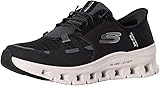
Skechers Slip-Ins Hands-Free Sneaker
Built-in Heel Pillow holds the shoe open so you can step in without bending or using your hands. The most accessible mainstream sneaker on the market right now.
Shop This Pick5 Mistakes People Make Choosing Adaptive Clothing
- Buying pieces that 'look adaptive': The whole point is to dress without effort and without anyone noticing. Pieces that read as medical-grade undercut the autonomy they are meant to support.
- Skipping the test-fit at home: What works in a store may not work alone in your bedroom. Test every closure with your weaker hand, while seated, and at the end of a long day when fatigue makes everything harder.
- Overlooking sock and underwear adaptations: Standard socks and underwear require pinch grip too. Loop-pull socks, side-opening boxers, and front-close bras are often the highest-impact adaptive swaps.
- Assuming velcro is the answer: Velcro is loud, snags fabric, weakens after about 12 months of daily use, and reads as adaptive. Magnets are quieter, faster, and last longer.
- Ignoring the laundry-care label: Some adaptive pieces have rules about how to wash to protect the magnets or seams. A magnet pulled into a dryer can damage the shirt and the machine.
Why This Approach Works
Limited dexterity covers a broad range of conditions - arthritis, peripheral neuropathy, stroke recovery, multiple sclerosis, Parkinson's, post-surgical recovery, and aging-related changes. They all share one bottleneck: closures that require pinch grip, fine motor control, or two-handed coordination. Replacing those closures with magnets, oversized pulls, elastic, and gores solves the entire category at once.
Magnetic closures pull together with about 2 to 3 pounds of force, well under the grip strength of someone with even significant dexterity loss. Velcro requires more grip, snags fabric in the laundry, and wears out after roughly 200 to 300 cycles. Hidden zippers in side seams open the entire garment without disturbing the front, which is the difference between dressing in 30 seconds and dressing in 3 minutes.
Footwear has the largest adaptive footprint right now because mainstream brands have caught on. Hands-free systems use a heel pillow that holds shape under body weight, so you can step in without bending or using your hands. The same technology applies to dress shoes, athletic shoes, and boots, which makes the entire footwear category newly accessible for the first time in decades.
⭐ Jordan's Pick
MagnaReady Magnetic Dress Shirt
MagnaReady's magnetic placket changed adaptive dressing more than any other single innovation in the last decade. Decorative buttons up front, neodymium magnets behind. Looks identical to a standard oxford.
Shop This PickFrequently asked questions
What is adaptive clothing and who is it for? Adaptive clothing is designed with functional modifications that make dressing easier for people with disabilities, limited mobility, chronic conditions, or aging-related dexterity changes. It serves anyone managing arthritis, post-stroke recovery, multiple sclerosis, Parkinson's, peripheral neuropathy, sensory processing differences, autism spectrum needs, post-surgical recovery, amputation, or pregnancy-related mobility shifts. The modifications include magnetic closures, side-seam openings, elastic waistbands, zipper-closure shoes, sensory-friendly seams, and one-handed fastening systems.
Where can I find adaptive clothing that doesn't look medical? Tommy Hilfiger Adaptive, MagnaReady, Independence Day Clothing, IZ Adaptive, and Lands' End Adaptive all produce pieces that look identical to standard clothing from the outside. The adaptive features are invisible until you look closely. Avoid scrubs-adjacent brands and stick with these and similar fashion-first adaptive lines.
How much more does adaptive clothing cost compared to regular clothing? The price gap has closed significantly. Tommy Hilfiger Adaptive, Lands' End Adaptive, and the Target adaptive line price in line with their main collections. Specialty adaptive brands (MagnaReady, BILLY Footwear) run 15-30% higher than equivalent non-adaptive pieces, which reflects the additional construction. Mass-market and luxury both stock adaptive at standard prices now.
Can I get magnetic-closure dress shirts in regular retail sizes? Yes. MagnaReady and Tommy Adaptive both offer standard men's sizing from S through 3XL plus tall and slim variants. Women's adaptive ranges from Tommy Adaptive and Independence Day cover XS through 3X.
What's the difference between adaptive clothing and inclusive sizing? Inclusive sizing is about offering a wider range of standard sizes. Adaptive clothing changes the construction to accommodate functional needs. A brand can be inclusive-sized without being adaptive, and vice versa. The best brands do both, which is what makes Tommy Adaptive's range stand out - extended sizes AND functional adaptive features in the same line.
Related guides
- What Is Adaptive Clothing? - the foundational overview
- How Do I Layer Clothes for Winter? - layering principles applied
- What Should Kids Wear to a Wedding? - kids occasion adaptive overlap
- What to Wear to a Job Interview With Limited Dexterity
- What to Wear in Summer Heat With Limited Mobility
- Sensory Friendly Clothing for Adults and Kids
Related Guides
- Adaptive Clothing for Cold Weather
- What to Wear After Surgery
- What to Wear After Shoulder Surgery
- What to Wear to Work in a Wheelchair
Powered by Outfit Forecast Formulas. Forecast x Occasion x Body.