What to Wear in Summer Heat With Limited Mobility
In summer heat with limited mobility, wear cooling knits or linen with pull-on or magnetic closures and a strap shoe. A seated body traps heat at the back and thighs, and feet swell by afternoon. Four formulas plus fabric and shoe picks, so getting dressed stops eating your morning.


Getting dressed in July when your hands, hips, or balance do not cooperate is a different problem than getting dressed in July. Heat makes both harder at once. Wear cooling knits or linen that pull moisture off the lower back and backs of the thighs, choose pull-on waistbands or magnetic closures instead of buttons and zippers, and pick a shoe with an adjustable strap rather than a fixed opening. Feet swell in heat, and a shoe that fit at 8am can be painful by 4pm.
🛒 The Adaptive Summer Heat Outfit Forecast Formula
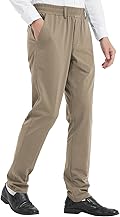

Temperature feel 85F to 95F. A seated or slow-moving body feels 4F to 6F warmer than an active one at the same air temperature because contact surfaces trap heat. Key layer A cooling knit or linen top with a magnetic or pull-over opening. No buttons at the cuff. Base layer Skip it. In this heat a second layer against the skin creates the moisture problem you are trying to avoid. Avoid Heavy cotton denim, elastic cuffs at the ankle, rear pockets with thick seams, and anything that needs two hands behind your back. Footwear Adjustable strap or hands-free slip-on with a wide toe box. Feet swell 5 to 8 percent in heat by late afternoon. Tested in Brooklyn and Queens, July, 88F to 93F with 60 percent humidity, on subway platforms and long outdoor waits.
Four Summer Heat Formulas
The Seated All-Day Formula
A cooling short-sleeve shirt with magnetic closures, a cooling jogger or soft pull-on pant, and a strapped walking shoe. The reason this order matters is contact. When you sit for most of the day, heat and moisture collect at three points: the lower back, the backs of the thighs, and the waistband. Those are exactly the places a cotton tee and stiff denim hold water. A synthetic cooling knit moves that moisture to the outer face of the fabric where room air can take it.

MagnaReady Magnetic Front Cooling Shirt
Magnetic front closure with a cooling-fabric body, and a full size run from Small to XX-Large so the fit is not the thing that rules it out.
Shop This PickThe Short Errand Formula
A linen tank or loose linen shirt, a lightweight pull-on pant, and hands-free slip-ons. This is for twenty minutes outside and forty minutes in air conditioning that runs too cold. Linen is the right call here because it dries fast and because its loose weave keeps working when you are moving slowly. Fabrics that depend on airflow to cool you fail at walking speeds below about 2 mph, and linen depends less on airflow than most synthetics do.
The Summer Office Formula
A cooling polo or a magnetic-closure shirt, a flat-front pull-on trouser in a tropical-weight fabric, and a supportive strapped shoe. Buildings run 68F to 72F inside while the street runs 90F. That 20-degree swing is the whole problem. Solve it with one light long-sleeve piece you can leave on your chair rather than a jacket you have to get in and out of twice a day.
The Backyard Gathering Formula
A cooling short-sleeve knit, a soft jogger or straight-leg linen pant, and a shoe with an adjustable strap. Outdoor events in August mean three or four hours in one spot. Bring a shoe that opens up when your feet start to swell instead of one that only fits before you leave.
Do:
- Choose openings you can work with one hand: magnets, pull-on waists, hook-and-loop straps.
- Pick cooling knits and linen over cotton jersey in anything above 85F.
- Size the waistband to your seated shape, not your standing shape.
- Keep pockets on the front and sides so you are not reaching behind you.
- Buy the shoe in the afternoon when your feet are already at their largest.
- Use a light long-sleeve piece for over-cooled indoor rooms.
Don't:
- Do not wear heavy denim. A 12oz denim holds around seven times its dry weight in moisture near the skin.
- Do not use tight ankle cuffs in heat. They stop the airflow that pulls heat off the lower leg.
- Do not put thick seams or bulky pockets where you sit.
- Do not rely on shoes that need a shoehorn and a bent knee.
- Do not layer a base layer under a cooling shirt.
- Do not buy shoes with fixed lacing if your feet swell by afternoon.
Best Shoes for Summer Heat With Limited Mobility
Adjustable-strap walking shoes work well when swelling changes your fit over the course of a day. A wide hook-and-loop strap lets you open the shoe two or three sizes' worth of volume without taking it off. Examples include the Brooks Addiction Walker V-Strap 2 and comparable strap-closure walkers from New Balance and Propet. Price range: $95-$150.
Hands-free slip-ons work well when bending to the foot is the limiting factor rather than swelling. A stiff heel counter that collapses under your foot and springs back means you can step in standing up. Examples include Skechers Slip-Ins and Nike Go FlyEase. Price range: $70-$130.
Open-back and wide-opening sandals work well for short summer errands and for feet that need room at the forefoot. Look for a strap over the instep for stability, not just a slide. Examples include Vionic adjustable sandals and Hoka Ora recovery slides for indoor use. Price range: $50-$110.
Avoid: narrow lace-up dress shoes and fixed-opening loafers. They fit at one foot volume only, and in August your foot is at that volume for maybe two hours of the day. Examples to skip: standard oxfords, penny loafers, and any slide with no instep strap.
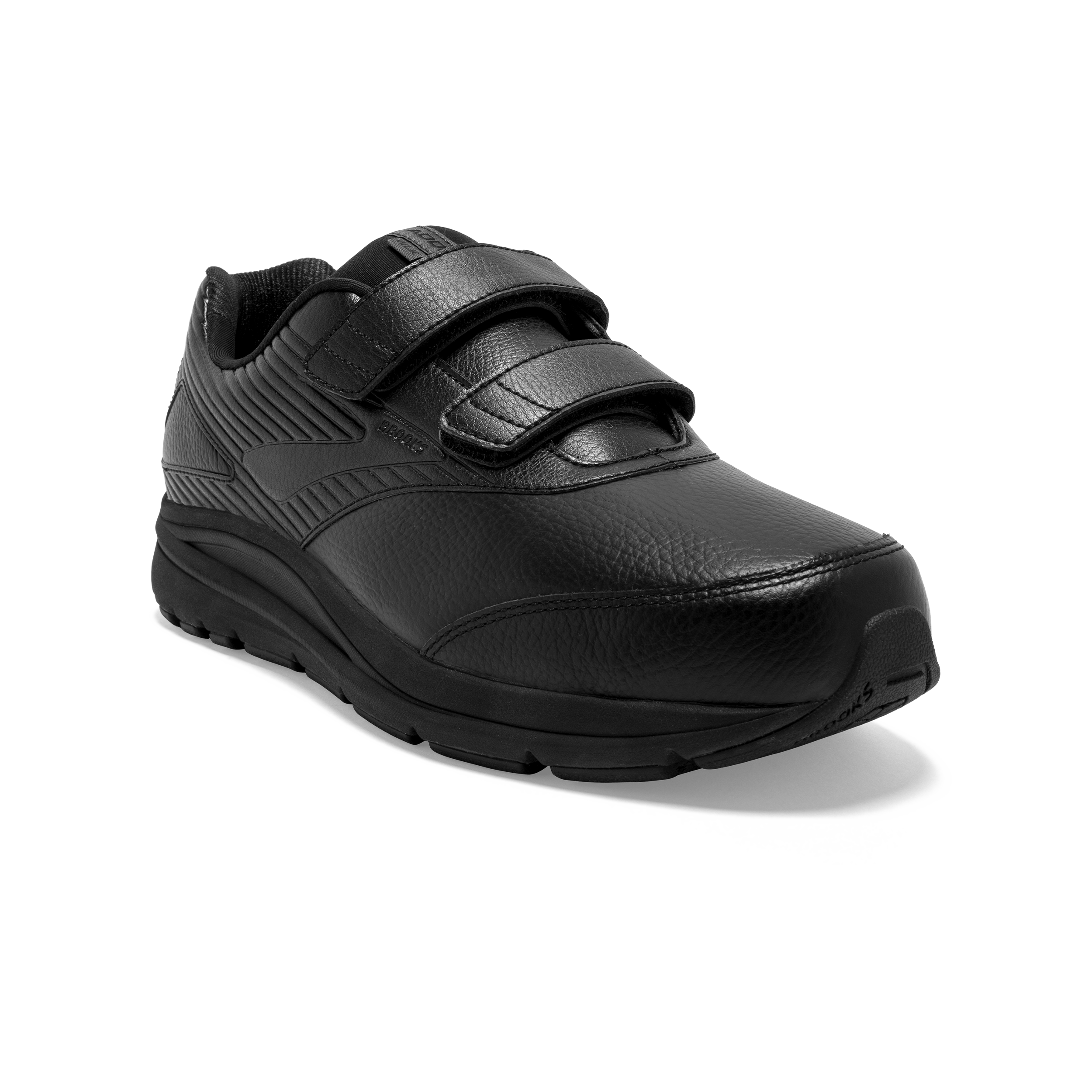
Brooks Addiction Walker V-Strap 2
One wide strap instead of laces, and enough volume adjustment to still fit at 5pm in August. Comes in wide and extra-wide.
Shop This PickMistakes People Make
- Buying adaptive clothing without checking the fabric. Plenty of magnetic-closure and open-back shirts are made in mid-weight cotton poplin, which is a fine winter fabric and the wrong call at 90F. Closure type and fabric weight are two separate decisions. Get both right. Silvert's, June Adaptive, IZ Adaptive, and Joe & Bella all publish fabric weights on their summer lines, so compare before you order.
- Sizing the waistband while standing. Most people gain one to two inches at the waist when they sit. If the pant fits perfectly in the mirror it will press into you all afternoon, and pressure plus heat plus moisture is how skin irritation starts.
- Treating a cooling shirt like a base layer. Cooling knits work by moving moisture to the outer surface where it can evaporate. Put a second layer over one and you have trapped the moisture at the interface. One layer only.
- Ignoring afternoon foot swelling. Feet expand roughly 5 to 8 percent in volume over a hot day, more if you sit with your feet down for long stretches. A shoe fitted at 8am is a different shoe by 4pm.
Why This Approach Works
The physics is straightforward. Your body sheds heat four ways, and in August the two that matter most are evaporation and convection. Convection needs moving air across your skin. If you move slowly, use a mobility aid, or sit for most of the day, you generate very little of your own airflow, so convection does most of nothing. That pushes almost the entire cooling load onto evaporation.
Evaporation only works if sweat can reach a surface where dry air meets it. Cotton jersey holds moisture at the skin instead of moving it out. A 5oz cotton tee can hold about 1.5 times its own weight in water before it starts wicking anywhere, and until then it sits wet and warm against you. A cooling knit in a polyester or nylon blend moves that same moisture to the outer face in under two minutes, where it evaporates and drops the fabric surface temperature by 3F to 5F.
Linen works by a different route. Its fibers are hollow and the weave is loose, so it moves both air and water without needing you to generate a breeze. That is why it holds up at slow walking speeds where a tightly woven performance shirt starts to feel clammy.
Closures are the other half. Every button at a cuff, every rear zipper, every shoe that needs a bent knee adds a task to a morning that already has enough of them. Magnets, pull-on waists, and strap closures do not make the outfit cooler, but they do make the cool outfit one you can actually get into on a hard day.
⭐ Jordan's Pick

Arctic Cool Cooling Jogger Pant
Pull-on waist, no fly hardware, and cooling fabric exactly where a seated body needs it. I reach for these on the hottest days.
Shop This PickFrequently Asked Questions
What fabric is coolest if I sit most of the day? A cooling polyester or nylon knit, then linen. Both beat cotton by a wide margin at the contact points. Cotton is comfortable for about twenty minutes and then holds the moisture against you.
Are magnetic closures strong enough for summer shirts? Yes. The magnets in a well-made adaptive shirt hold at least as firmly as buttons under normal movement, and lightweight summer fabrics put less strain on them than winter flannels do.
How do I keep a wheelchair cushion from getting hot? Wear a moisture-moving bottom layer rather than cotton, keep rear pockets and thick seams out of the seated contact area, and shift position on a schedule rather than waiting until you feel it.
Should I size up in summer? Size up in footwear, not clothing. Feet change volume over a hot day; your torso does not. For clothing, size to your seated measurement instead.
How do I choose adaptive clothing fabric for changing weather? Pick the closure and the fabric as two separate decisions. Choose the closure for your hands and reach, then choose the fabric for the actual forecast. A magnetic-closure shirt in mid-weight cotton poplin is a good winter piece and a poor August one. For a day that starts at 68F and hits 90F, that means one cooling knit or linen layer plus one light long-sleeve piece you can take off, rather than a single mid-weight shirt trying to cover both ends.
Related Guides
- Adaptive Clothing for Limited Dexterity
- What to Wear After Surgery
- What to Wear to a Job Interview With Limited Dexterity
- What to Wear in a Heat Wave
- What to Wear When the Heat Index Is High
- What to Wear to Physical Therapy
About the Author: Jordan Ellery is a weather-styling writer and former retail buyer based in New York who writes about fabric behavior, layering, and dressing for real conditions. Read more from Jordan.
Powered by Outfit Forecast Formulas. Forecast x Occasion x Body.