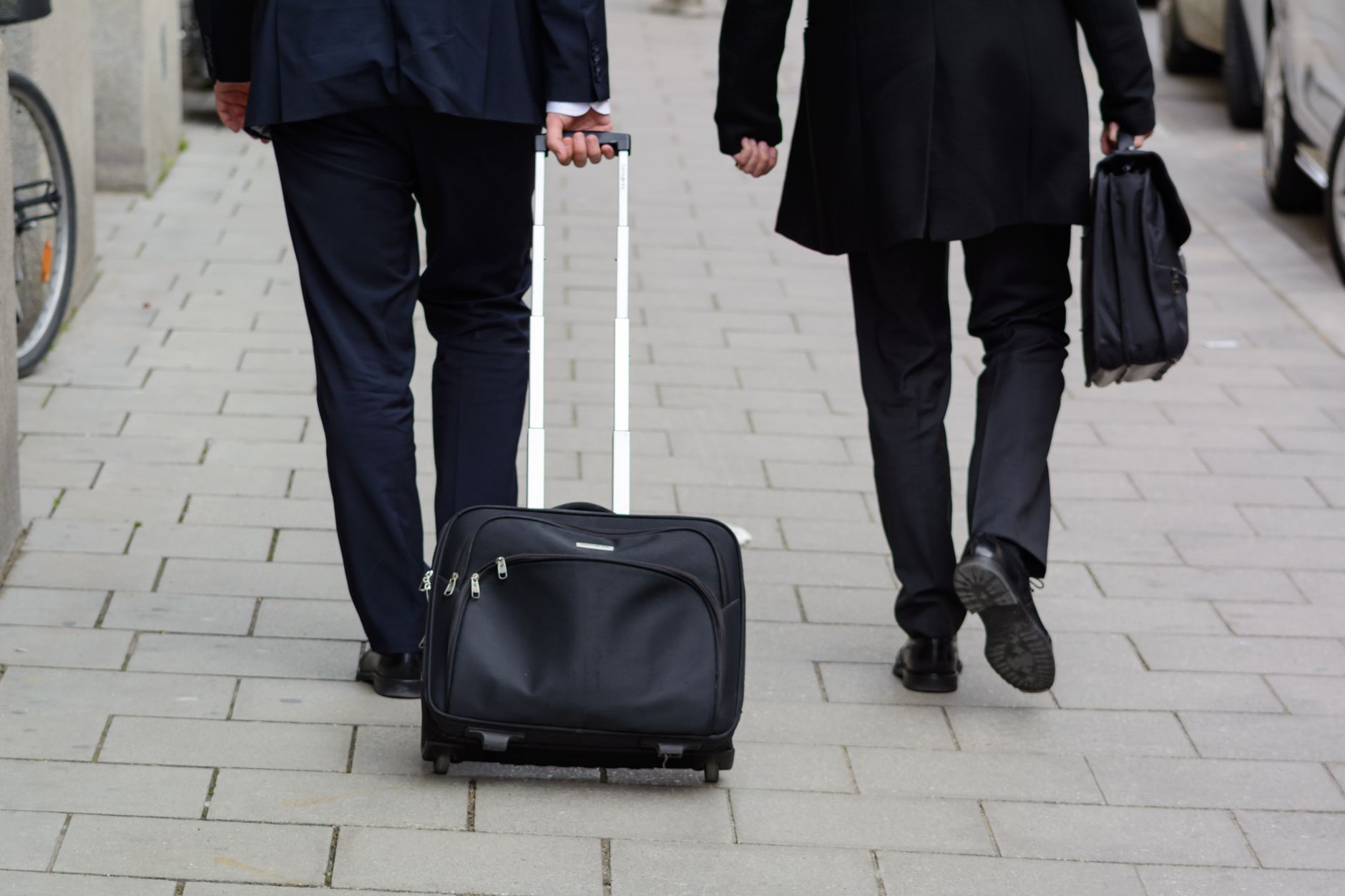
What to Wear After Shoulder Surgery
After shoulder surgery, wear front-opening shirts sized one to two up, pull-on pants, and hands-free shoes. You cannot lift the arm overhead for about six weeks, so every pullover is out. Four formulas plus the fabric and shoe picks, so getting dressed stops being a fight.


After shoulder surgery, wear front-opening shirts one to two sizes up, pull-on pants with a soft elastic waistband, and shoes you can step into without bending or tying. The constraint that drives everything is range of motion: most surgeons restrict actively raising the operated arm for four to six weeks, so anything you pull over your head is out until you are cleared. Dress the operated arm first and undress it last, every time. Set three or four of these outfits aside before your surgery date, because you will not want to shop one-handed the morning after.
🛒 The Shoulder Surgery Outfit Forecast Formula

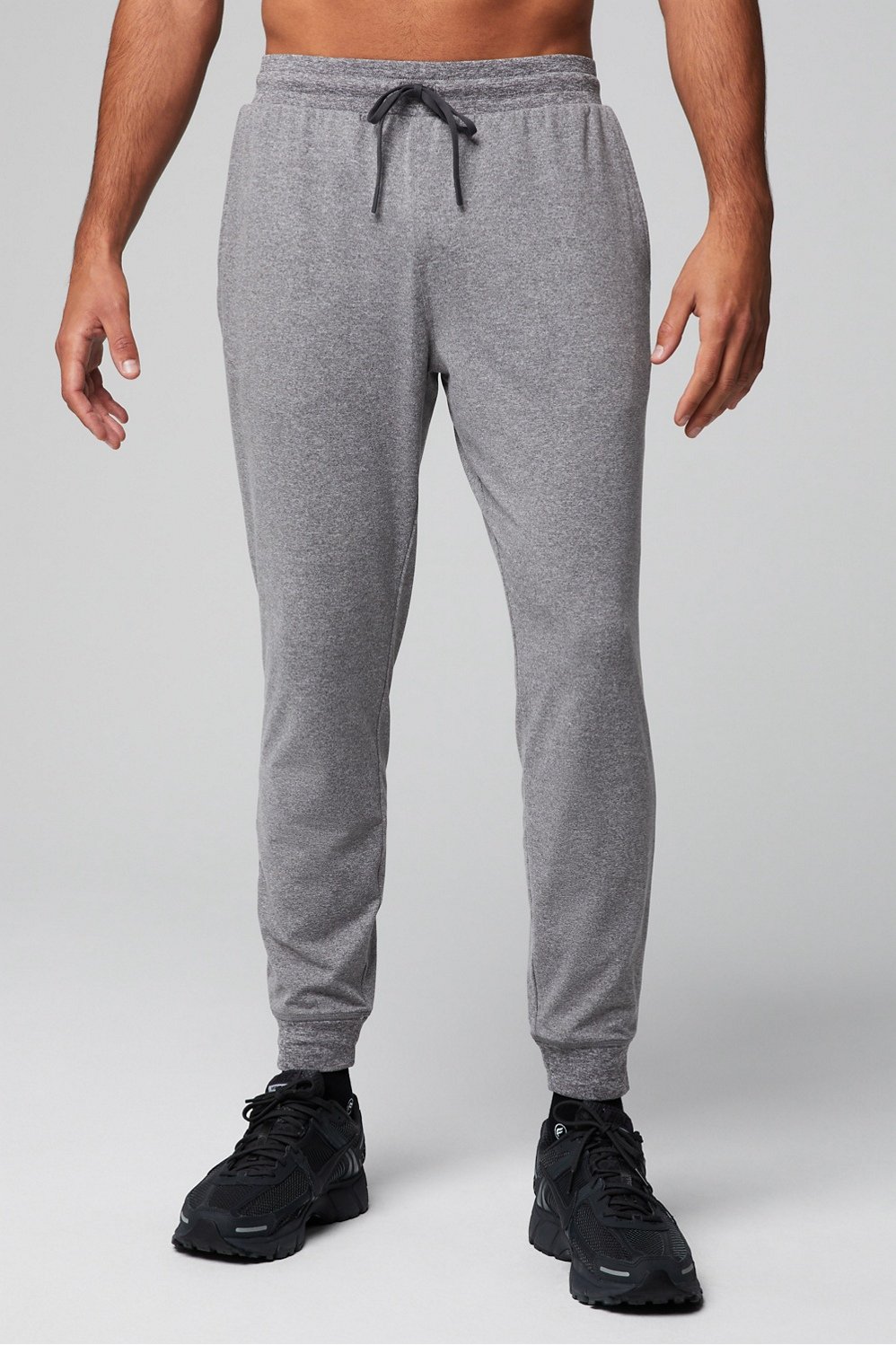

Dress code Recovery casual for the first six weeks. Front-opening tops only, nothing that requires raising the operated arm. Key layer A button-front or full-zip top sized one to two up so the sling and any wedge pillow fit underneath. Base layer Soft cotton or modal tank or camisole you can step into from the waist rather than pull over your head. Avoid Pullover sweatshirts, crewneck tees, sports bras, skinny sleeves, belts, and anything with a back zipper. Footwear Hands-free step-in sneakers or backless slippers. No laces, no buckles, no bending to pull a heel on. Tested in Six-week sling protocol, one-handed dressing, indoor 68F to 72F with short outdoor trips to follow-up appointments.
Four Outfit Formulas for Shoulder Recovery
1. The Discharge Day Formula
This is what you wear to the hospital and what you wear home in. A loose front-button shirt two sizes up, a soft pull-on pant with no zipper or button, and step-in shoes. Skip anything with a back clasp. The shirt goes on the operated arm first while it is still numb from the nerve block, which is the easiest window you will get for days. Put the sleeve on loosely, or drape the shirt over the sling and button only the bottom two.
2. The Sling Weeks Formula
Weeks one through six, when the sling is on nearly all day. Front-opening top, soft pant, and a zip hoodie or cardigan as the temperature layer. A cardigan beats a sweatshirt because you can drape it over the sling shoulder and still have it look deliberate. Magnetic closures matter more than they sound: buttoning a shirt with your non-dominant hand takes about four minutes on day three, and about forty seconds with magnets.

Fabletics The Go-To Full Zip Hoodie
The oversized cut is the point. It clears a sling and a shoulder wedge without pulling on the joint, and the full zip means you never lift the arm to get it on.
Shop This Pick3. The Physical Therapy Formula
Once therapy starts you need something a therapist can work around. A short-sleeve front-button shirt or a wide-strap tank under an open zip layer gives them access to the shoulder without you undressing in the clinic. Soft pants with a flat waistband, because you will spend part of the session lying on a table.
4. The Back to Work Formula
Around week five or six, when you are cleared to sit at a desk in a sling. A magnetic-closure dress shirt reads as a normal button-down from three feet away, which is the whole point. Pair it with a flat-front pant with a magnetic or elastic fly, and skip the jacket rather than fighting a sleeve over the sling.
Do and Don't
- Do buy tops one to two sizes up before surgery, not after.
- Do dress the operated arm first and undress it last, every time.
- Do choose magnetic or hook-and-loop closures over standard buttons for the first month.
- Don't wear anything that pulls over your head until your surgeon clears overhead motion.
- Don't use a belt. You cannot fasten one one-handed and it adds a step you do not need.
- Don't sleep in a shirt with a thick back seam if you are recliner-sleeping, because pressure points show up fast when you cannot shift position.
Best Shoes for Shoulder Surgery Recovery
Hands-free step-in sneakers are the best category here. The collapsible heel counter lets you step in standing up, so you never bend forward or reach down, both of which strain the shoulder more than people expect. Examples include the Skechers Slip-Ins line and step-in models from Kizik. Price range: $60 to $110.
Backless clogs and slippers work for the first two weeks at home. Choose a firm sole over soft foam, because you will be less steady than usual on pain medication. Price range: $45 to $80.
Elastic no-tie laces are the cheap fix if you want to keep the shoes you own. They convert almost any sneaker into a slip-on for under $12.
Avoid anything that takes two hands: standard laces, buckled sandals, tall boots with a back zip, and dress shoes that need a shoehorn. Skip brand new shoes during recovery, since blisters are much harder to treat one-handed.
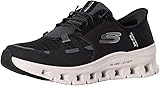
Skechers Slip-Ins Hands-Free Sneaker
Step in standing up with zero hands and zero bending. For the six weeks you are in a sling, this removes the most annoying two-handed task of the day.
Shop This PickMistakes People Make
- Buying everything after surgery instead of before. You are least able to shop and try things on in exactly the week you need the clothes most. Set the wardrobe up while you still have two working arms.
- Sizing up the shirt but not the sleeve. A shirt that is two sizes up in the body can still have a sleeve opening too narrow to clear a swollen elbow and a sling strap. Check the sleeve and armhole, not just the chest.
- Assuming a zip hoodie solves everything. A standard-fit zip hoodie is still too tight across the shoulder with a wedge pillow underneath. Oversized or one to two sizes up is the requirement, not a preference.
- Forgetting the sleep setup. Most people sleep semi-reclined for weeks after shoulder surgery. A front-opening pajama top matters as much as the daytime shirt, and most people figure that out on night two.
Why This Approach Works
The mechanics are simple once you name them. Getting a standard t-shirt on takes roughly 120 degrees of shoulder flexion and about 45 degrees of external rotation. Most rotator cuff and labral repair protocols cap passive motion near 90 degrees for the first four weeks and rule out lifting the arm under its own power entirely, so a pullover is not a comfort question. It puts load through a repair that is still healing. A front opening drops the requirement to near zero, because the garment comes to the arm instead of the arm going through the garment.
Fabric does real work too. A 4-way stretch knit with 5 percent spandex gives enough give at the armhole to clear a brace, while rigid 100 percent cotton poplin does not. Modal and rayon blends run against skin with less friction than cotton, which matters when a sling strap sits in the same spot on your neck twelve hours a day. Magnetic closures are not a gimmick either: they take one hand and about two pounds of pull, versus the pinch-and-align motion a button needs, which is exactly what your non-dominant hand is worst at.
I have watched someone in my family go through this. The clothes were not the hard part of recovery, but they were the part that made every morning feel like a fight.
⭐ Jordan's Pick

MagnaReady Magnetic Closure Button-Down in Blue Chambray
Chambray is soft enough for week one and structured enough for week six back at a desk. The magnets close one-handed in seconds, and it runs to 4XL so you can size up for the sling.
Shop This PickFrequently Asked Questions
How long until I can wear normal shirts again? Most protocols allow overhead dressing between four and six weeks, but it depends on the repair. Rotator cuff repairs usually run longer than arthroscopic decompressions. Ask your surgeon for the specific week.
Can I wear a bra after shoulder surgery? Front-closure styles only, and most people skip an underwire for the first few weeks. A front-clasp bralette or a camisole with a built-in shelf is easiest, because it steps up from the waist.
What should I pack in my hospital bag? One front-button shirt two sizes up, one pull-on pant, step-in shoes, and loose socks. Wear the same thing in, since you will leave with the sling on.
Do I need adaptive clothing or can I just size up? Sizing up handles a lot of it. Adaptive pieces earn their price on the closures, where a magnetic front replaces a two-handed task you do three or four times a day for six weeks.
How do I put on a jacket in cold weather? Do not put the operated arm in the sleeve. Drape the jacket over the sling shoulder and fasten it on the good side, or size up enough to zip over the sling entirely.
Related Guides
- What to Wear After Surgery
- Adaptive Clothing for Limited Dexterity
- What to Wear to Physical Therapy
- What Is Adaptive Clothing?
- What to Wear to a Job Interview With Limited Dexterity
About the Author: Jordan Ellery is a weather-styling writer and former retail buyer who covers fabric science, layering systems, and adaptive dressing, where he has seen firsthand what the right clothing gives back to the people who depend on it. Read more from Jordan.
Powered by Outfit Forecast Formulas. Forecast x Occasion x Body.