What to Wear When the Heat Index Is High
When the heat index tops 100F, wear a loose, light-color, open-weave or wicking top, quick-dry bottoms, and ventilated footwear. Humidity slows sweat evaporation, so airflow beats bare skin. Four formulas plus the fabric and footwear picks, so you can walk out already decided.


When the heat index passes 100F, wear a loose, light-color shirt in an open weave or a sweat-activated cooling fabric, quick-dry shorts or a loose one-piece, and ventilated footwear. The felt temperature decides how fast your body loses its ability to cool itself, so every piece needs to help sweat evaporate instead of trapping it. Skip anything tight, dark, or heavy cotton and you are most of the way there.
🛒 The High Heat Index Outfit Forecast Formula
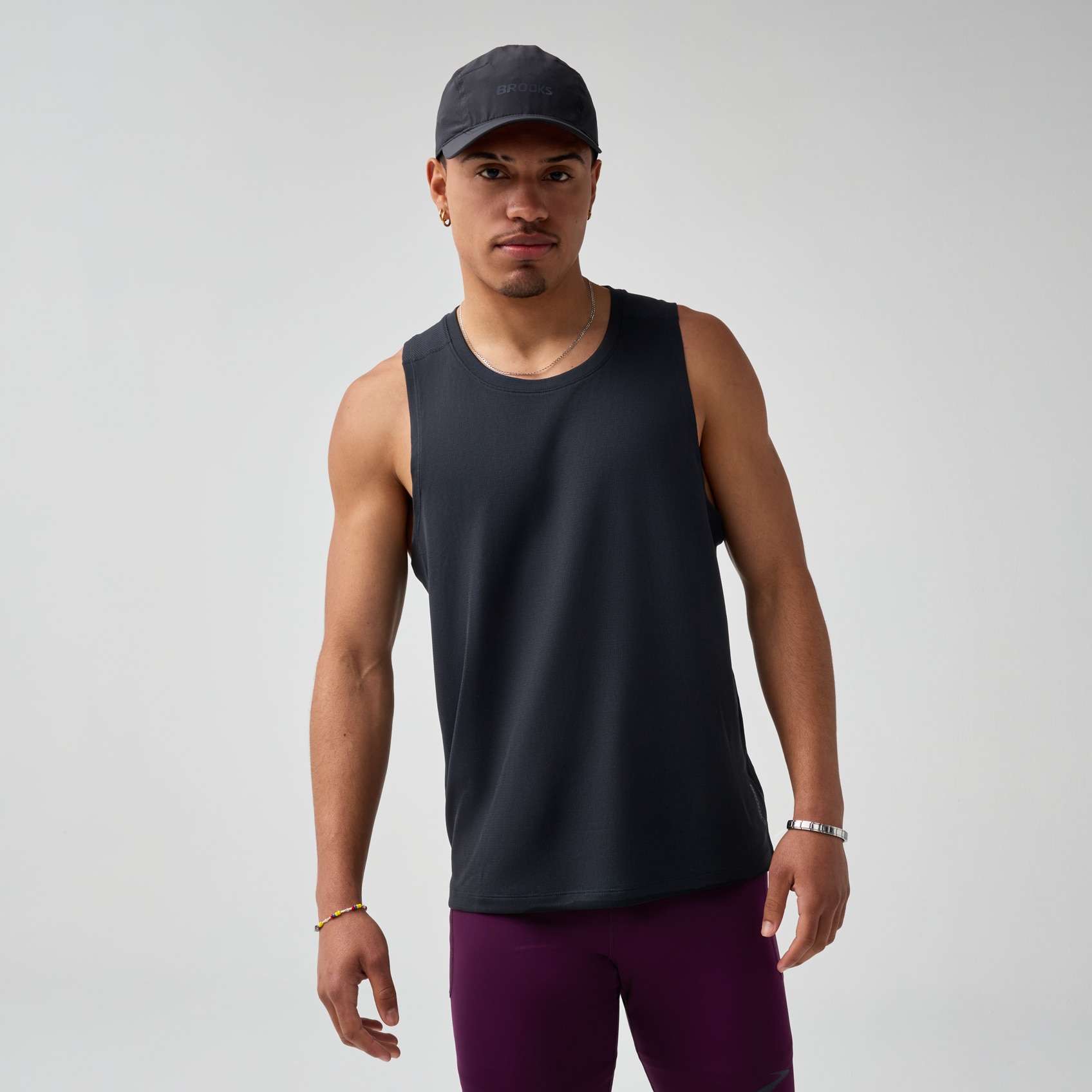


Temperature feel 95F air with 60 percent humidity feels like 108F. Above a heat index of 100F, sweat stops evaporating fast enough to cool you. Key layer One loose, light-color top in an open weave or wicking synthetic. There is no second layer. Base layer None. Skin to a single breathable layer is the whole system. Avoid Heavy cotton, dark colors, tight fits, and dressy polyester that traps sweat against your back. Footwear Ventilated sandals or mesh trainers with thin synthetic socks. Tested in A 104F heat index week in New York, walking commutes, subway platforms, and midday errands.
The heat index combines air temperature with relative humidity, and the gap between the two numbers is where outfits fail. 90F at 70 percent humidity feels like 105F. Your skin does not care what the thermometer says; it cares whether sweat can evaporate. I learned that during a July week in New York when the felt temperature sat above 100F for five days. Here is what I was wearing by day three.
Outfit Formulas for a High Heat Index
The Commute Formula
For train platforms and errands under an hour: a sweat-activated cooling polo or tee, quick-dry shorts, and ventilated sandals. Cooling synthetics like HydroFreeze X pull sweat off your skin and spread it across a wider surface so it evaporates faster than humid air would normally allow. The polo cut stays presentable for a casual office.
The All Day Outside Formula
Past the two hour mark, coverage beats exposure. A loose, vented fishing-style shirt in a light color, a brimmed hat, and quick-dry shorts. The vented back panel on a shirt like the Columbia Tamiami II works as a chimney: hot air escapes while the loose drape keeps air moving. UPF 40 matters too, since direct sun can add up to 15F to the heat index you feel.
The One Piece Formula
A loose performance dress solves what separates cannot: no waistband holding damp fabric against your midsection, and unbroken airflow from shoulder to knee. The least fabric is not always the coolest option; a tight cotton tank feels hotter than a loose wicking dress.
The Runner's Exception
Exercise above a 100F heat index deserves its own rules, and rule one is shorten the run. If you go anyway, a singlet and 7 inch quick-dry shorts keep fabric only where chafing starts. Go at sunrise, when the heat index runs 10 to 20F below the afternoon peak.

Weatherproof Vintage Airtex Camp Collar Shirt
Open-weave Airtex construction moves air through the fabric itself, and the camp collar leaves your neck open at the body's biggest heat-release point.
Shop This PickDo and Don't at a High Heat Index
- Do pick loose fits everywhere; the moving air gap matters more than any fabric technology.
- Do wear light colors. White and pale shades reflect solar radiation instead of absorbing it.
- Do choose open weaves or wicking synthetics that spread sweat for faster evaporation.
- Don't wear heavy cotton. It absorbs up to 25 times its weight in water, then sits on you like a wet towel.
- Don't assume bare skin is cooler. In direct sun, a loose vented layer beats shirtlessness and blocks the UV load.
- Don't wear anything tight or compressive on your torso. Compression kills the evaporation gap.
Best Shoes for a High Heat Index
EVA or cork-footbed sandals work well for errands and casual days because your feet dump heat through bare skin. The Birkenstock Arizona EVA is light, washable, and dries in minutes. Price range: $45-50.
Sport sandals with straps handle longer walking days where a flip-flop would slide around. The NORTIV 8 Sport Sandals add arch support and grip for wet pavement after a heat-burst storm. Price range: $30-45.
Mesh trainers with thin synthetic socks are the pick when you need closed toes. Engineered mesh moves air with every step, and a thin wicking sock keeps moisture from pooling. Price range: $60-140.
Avoid: leather sneakers, boots, and anything with a padded or gusseted tongue. They hold heat against the highest sweat-gland density on your body. Examples to skip: white leather court shoes, canvas high-tops, work boots on non-work days.

Columbia PFG Tamiami II Shirt
Built for August fishing sun, which is exactly a heat index problem: Omni-Wick fabric, UPF 40, and a vented back panel that dumps heat while you walk.
Shop This PickMistakes People Make When the Heat Index Is High
- Dressing for the air temperature. The forecast says 92F, so you wear your 92F outfit. At 65 percent humidity that day feels like 103F, and the dry-heat outfit fails.
- Wearing less instead of wearing smarter. Bare skin in direct sun absorbs radiant heat and burns. A loose vented layer in a light color wins after the first 20 minutes.
- Trusting any old polyester. A dressy polyester blend with a tight knit is a sweat trap. The weave and the wicking finish do the work, not the fiber name.
- Ignoring the hourly curve. The heat index peaks between 3 and 5 PM, not noon. Moving the errand run to 9 AM can cut the felt temperature you dress for by 15F.
- Skipping headwear. A brimmed hat blocks the radiant solar load before it reaches your head, the one place clothing cannot cover. At a 105F heat index, direct sun on an uncovered head adds up to 10F to what you feel. A vented cap or a wide brim is not a style choice at this temperature.
Why This Approach Works
Your body sheds heat four ways, and above roughly 95F air temperature three of them stall. Radiation, conduction, and convection all reverse when the air is hotter than your skin, leaving evaporation to carry the whole load. Every gram of sweat that evaporates removes about 0.58 kilocalories of heat. High humidity slows that rate, which is why a 90F humid day beats you up worse than a 100F dry one.
Clothing either helps or fights that last mechanism. Open weaves like Airtex pass air directly across your skin. Wicking synthetics spread each drop of sweat over 3 to 4 times the surface area, so it evaporates faster in thick air. HydroFreeze X activates on contact with sweat and uses the moisture itself as the cooling delivery system. Light colors reflect solar radiation, and loose fits keep the moving air gap that makes all of it work. None of this is style preference. It is a physics problem with a dress code.
⭐ Jordan's Pick

Arctic Cool Soft Touch Cooling Polo
The one shirt in my rotation that works better the more I sweat. HydroFreeze X turns humidity's ammunition against it, and the polo cut passes at the office.
Shop This PickFrequently Asked Questions
What is the heat index and why does it matter for clothing? It combines air temperature and relative humidity into the temperature your body actually feels. Humidity slows sweat evaporation, your only effective cooling method in extreme heat, so clothing has to maximize airflow rather than just minimize coverage.
Is it better to wear less clothing when the heat index is high? Not usually. In direct sun, a loose, light-color, vented layer keeps you cooler than bare skin because it blocks radiant heat while still letting sweat evaporate. The exception is high-output exercise in shade or early morning.
What fabrics should I avoid when the heat index is above 100F? Heavy cotton, which holds sweat against your skin; tight polyester knits without a wicking finish; and anything compressive on the torso. Denim is fine for short exposure, miserable past an hour.
What should I wear outside when the heat index is 105F? A loose open-weave or wicking shirt in a pale shade, quick-dry shorts or a loose performance dress, a brimmed hat, and ventilated footwear. Plan around the 3 to 5 PM peak and drink before you feel thirsty.
Can I dress professionally when the heat index is above 100F? Yes, but the commute is the hard part. An open-weave camp collar shirt or a wicking polo in a neutral color reads professional and works outside. Swap heavy chinos for a lighter cotton-blend trouser and carry your dress shoes for when you arrive. The goal is surviving the commute without arriving soaked.
Related Guides
- What to Wear in a Heat Wave
- What to Wear in 90 Degree Weather
- What to Wear in 80 Degree Humid Weather
- What to Wear on Humid but Cool Days
- What to Wear on a Hot Sunny Day
- What Kids Should Wear for Back to School in Hot Weather
About the Author: Jordan Ellery is a weather-styling writer and former retail buyer who covers temperature, fabric science, and layering for Outfit Forecast. Read more from Jordan.
Powered by Outfit Forecast Formulas. Forecast x Occasion x Body.