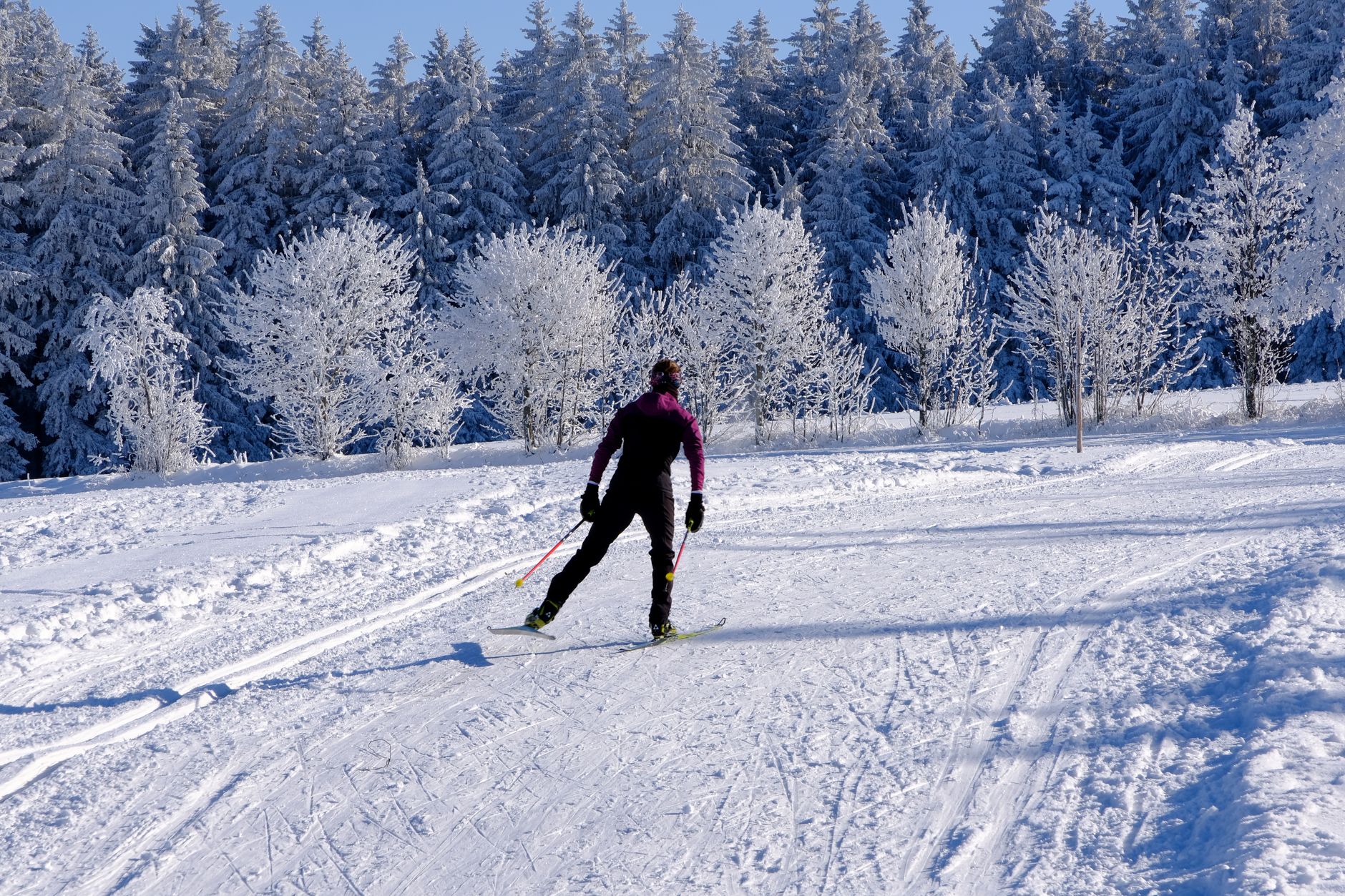
Adaptive Clothing for Cold Weather
Adaptive cold-weather layering: magnetic shirts, side-zip pants, slip-on shoes, and systems for limited dexterity, wheelchair users, and seniors.

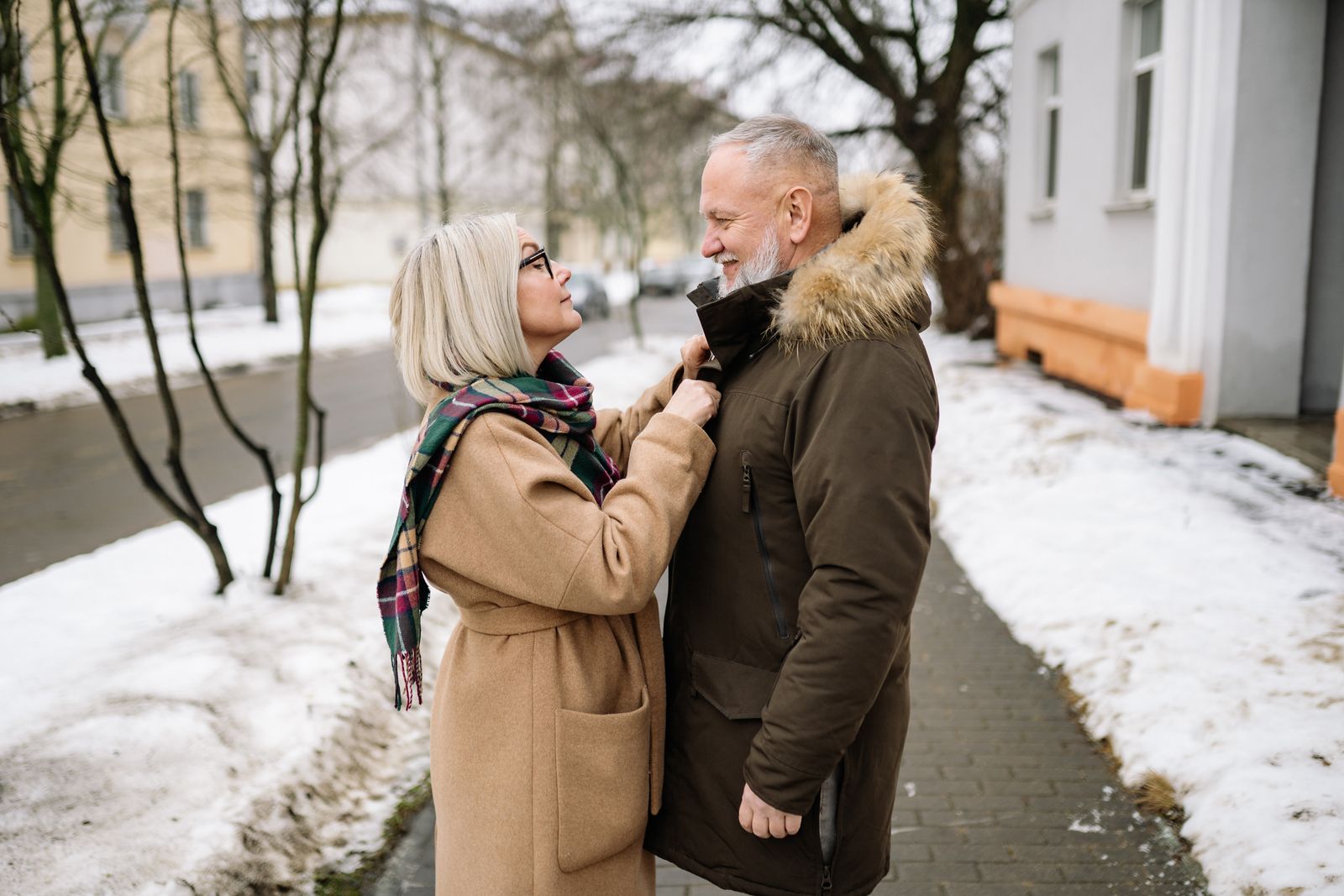
Cold-weather adaptive dressing solves three problems most outerwear systems ignore: small-button fatigue at 30 to 45F, layering bulk that limits shoulder rotation, and footwear that needs bending and lacing. The fix is a three-layer system built from magnetic-closure shirts, side-zip or pull-on pants, slip-on insulated footwear, and a fitted soft-shell or down jacket with magnetic or large-handle zippers. The system handles 25 to 50F without sacrificing independence.
Outfit Forecast earns a commission when you buy through links on this page, at no extra cost to you. Some brands featured here are owned by the company that publishes Outfit Forecast. Affiliate disclosure
🛒 The Adaptive Cold-Weather Outfit Forecast Formula
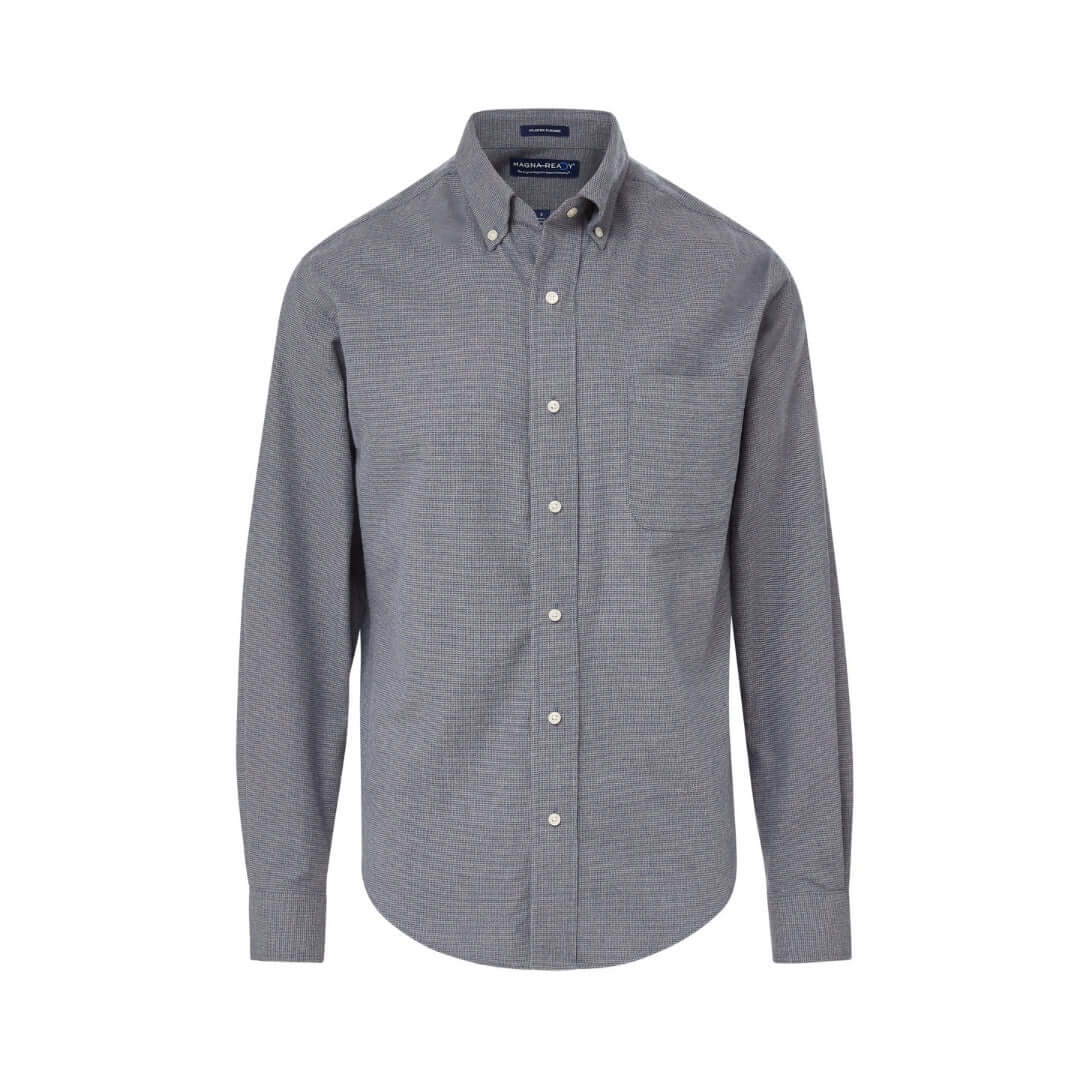

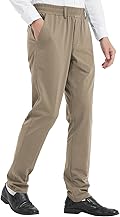
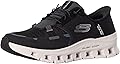

Temperature feel 25 to 50F. Cold-but-not-extreme range. Sub-25F requires heavier insulation outside scope. Key piece Magnetic-closure dress shirt or polo. Soft-shell jacket with large pull zipper. Base layer Merino long-sleeve or fleece-lined long underwear with pull-on waist. Avoid Small buttons, traditional shoelaces, pullover layers, heavy structured outerwear. Footwear Slip-on insulated sneakers or pull-on boots. Avoid traditional lace closures. Built for 32F indoor-to-outdoor transitions, 40F sustained outdoor wear, 45F driving and walking.
Three Adaptive Cold-Weather Layering Systems
1. Indoor-to-Outdoor Daily, 35 to 50F
Merino base layer with a pull-on neck (no zip, no buttons). Magnetic-closure dress shirt or polo as the mid layer. Pull-on or side-zip pants with elastic waist. Soft-shell jacket with a large pull-tab zipper or magnetic closure. Slip-on insulated sneakers. This system handles a doctor visit, grocery run, or restaurant visit without the wrestling match.
2. Wheelchair-User Cold Weather, 30 to 45F
The cut and the closure matter more than the warmth. Look for jackets cut shorter at the back hem (or with a back vent) so the fabric does not bunch at the wheel line. Magnetic or side-zip front closure. Pants with a higher back rise to cover the lower back when seated. Lap blanket or fleece overskirt for outdoor sustained wear. Foot warmers if standing transfer is rare.
3. Senior or Limited-Dexterity, 25 to 40F
Merino base layer with pull-on neck and cuffs (avoid thumbhole designs which require finger threading). Magnetic-closure cardigan or button-front over a turtleneck or mock-neck base. Fleece-lined pull-on pants. Pull-on or velcro snow boots. Indoor-outdoor transition coat with magnetic closure. Hat is pull-on, not buttoned, and a fleece scarf with a fixed knot is easier than a draped scarf.

Smartwool Merino 250
A merino crew base layer is the foundation of every adaptive cold-weather system. Pull-on neck, no buttons, no zipper. 8 to 10 degrees of effective warmth without bulk.
Shop This PickThe Do and Don't List
- Do prioritize closures: magnetic, velcro, side-zip, pull-on. Skip small buttons.
- Do choose merino or fleece base layers. They retain warmth even when slightly damp.
- Do pick slip-on or velcro footwear with stable soles.
- Do plan the layer order. Pullover layers are harder; front-closure layers are easier.
- Don't choose heavy down jackets with double-pull zippers below 30F.
- Don't wear pullover sweaters over base layers; the friction makes them harder to remove.
- Don't rely on small-button cardigans for daily wear; the fastener fatigue is real.
- Don't choose footwear that requires bending or lacing if independence is the goal.
Best Footwear for Adaptive Cold-Weather Dressing
Slip-in sneakers with stability soles are the indoor-outdoor workhorse. Skechers Slip-Ins Hands-Free, Vionic Walk Strider, Easy Spirit Romy. Price range: $80 to $150.
Pull-on insulated boots handle 25 to 40F with one motion. Sorel Caribou (pull tabs at the back), Bogs Classic High, Kamik Yukon. Price range: $100 to $250.
Velcro adaptive sneakers preserve independence when bending or fine-motor work is hard. Propet, Hush Puppies Power Walker. Price range: $70 to $130.
Magnetic-closure dress shoes exist for formal settings. The category is small but growing. Friendly Shoes The Voyage, Billy Footwear adult line. Price range: $90 to $200.
Avoid: traditional lace-up boots, knee-high boots that require zipping past the calf, and any shoe with a tongue that needs adjustment after every wear.
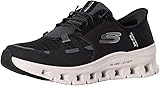
Skechers Slip-Ins Sneaker
Slip-in sneakers eliminate the bending-and-tying step. Stability for indoor and outdoor surfaces from 30 to 50F. The system anchor for daily cold-weather wear.
Shop This PickMistakes People Make
- Choosing warmth over closures. A 600-fill down jacket with small buttons fails the use test in two days. A 100g insulated jacket with magnetic closure succeeds every day for years.
- Ignoring the wheelchair-cut rule. Standard jackets bunch and ride up when seated. A shorter back hem, higher back rise on pants, and front-closure layers fix the fit problem.
- Stacking pullover layers. Each pullover adds 30 seconds and shoulder rotation. A 4-layer system built from pullovers can take 5 minutes; a 4-layer system built from front-closure pieces takes 90 seconds.
- Buying for the season, not for the year. Adaptive shoppers benefit from buying year-round wardrobes that share the same closure system. A magnetic-shirt user keeps that system in summer too, even if the fabric weight changes.
Why This Approach Works
Most cold-weather clothing is built for users with full hand dexterity and shoulder mobility. Adaptive cold-weather dressing inverts the design priority: closures first, fabric second, warmth third. The system works because each piece is selected for ease of donning and doffing, then for thermal performance.
The three-layer system in this guide (merino base, magnetic-closure mid, soft-shell outer) holds about 22 to 28F of effective warmth at the shell, scaling to the wearer's base body temperature. It is enough for 25 to 50F daily wear without the bulk and effort of traditional winter layering. Sub-25F requires heavier insulation outside the daily-system scope; for those days, prioritize indoor time and shorter outdoor exposure.
⭐ Jordan's Pick

MagnaReady x Weatherproof Magnetic Puffer Jacket
The MagnaReady and Weatherproof collab solves the cold-weather outer-layer problem in one piece: magnetic front closure, water-resistant shell, insulated body. The system anchor for 25 to 45F adaptive dressing.
Shop This PickFrequently Asked Questions
What is adaptive clothing for cold weather?
Clothing designed for cold-weather use that also accommodates limited dexterity, mobility challenges, or wheelchair use. Common features include magnetic closures, side-zip or pull-on pants, slip-on footwear, and front-closure layering pieces that skip the traditional pullover or buttoned closure.
What is the best closure system for adaptive winter coats?
Magnetic closures and large pull-tab zippers are the easiest. Velcro is second-best for outerwear. Avoid small buttons, double-pull zippers, and back closures.
Are there adaptive winter boots?
Yes. Pull-on insulated boots like Sorel Caribou (with back pull-tabs), Bogs Classic High, and Kamik Yukon work for adaptive cold-weather wear. Velcro adaptive sneakers and Friendly Shoes options work for milder cold.
How do you layer for cold weather with limited hand mobility?
Build the system around front-closure pieces: merino base layer with pull-on neck, magnetic-closure mid-layer shirt, soft-shell jacket with large pull-tab zipper. Skip pullover sweaters and avoid layers that require fine-motor adjustment once on.
What brands make adaptive cold-weather clothing?
MagnaReady for magnetic-closure dress shirts and outerwear. Tommy Hilfiger Adaptive and Buck and Buck for magnetic-closure cardigans and pants. Silvert's for pull-on pants and shirts. Skechers Slip-Ins for hands-free footwear. Friendly Shoes for adaptive dress shoes.
Related Guides
- What Is Adaptive Clothing
- Adaptive Clothing for Limited Dexterity
- What to Wear in 30 Degree Weather
- What to Wear in 40 Degree Weather
- How Do I Layer Clothes for Winter
- What to Wear After Surgery
- Sensory Friendly Clothing for Adults and Kids
About the Author: Jordan Ellery writes Outfit Forecast's temperature spine, weather overlays, and adaptive content, with a focus on fabric science and layering systems. Read more from Jordan.
Powered by Outfit Forecast Formulas. Forecast x Occasion x Body.