What to Wear to an MRI
Wear soft cotton or plain synthetic clothing with zero metal on it: no zippers, snaps, hooks, underwire, or metallic thread. Anything metal means changing into a gown. Four formulas plus the fabric and footwear picks, so you walk in and go straight to the scan.

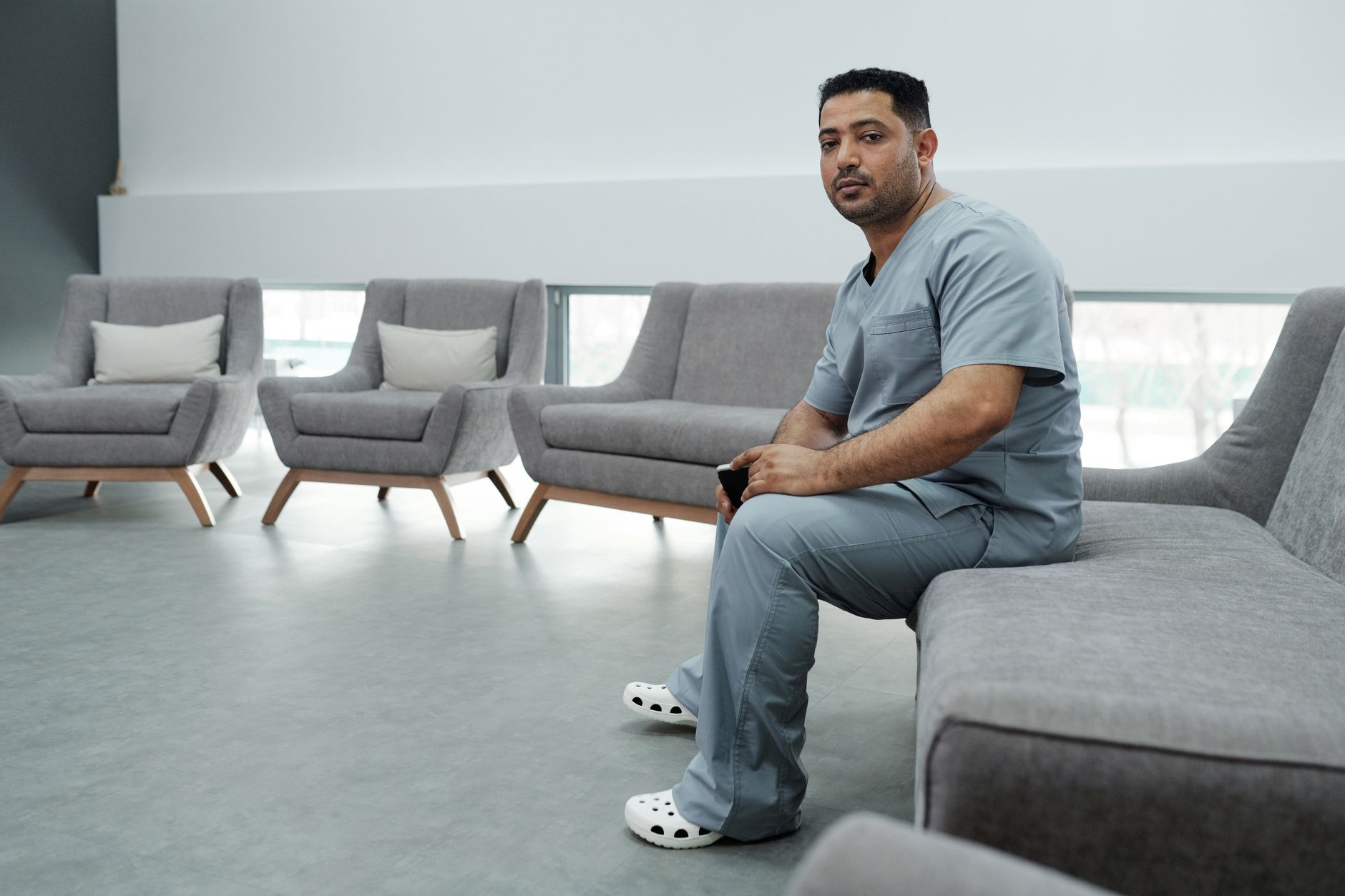
An MRI has one clothing rule that overrides everything else: no metal anywhere on your body. That means no zippers, snaps, hooks, underwire, rivets, belt buckle, or metallic thread woven into the fabric. Soft cotton or plain synthetic clothing with an elastic or drawstring waist clears every screening desk I have been through, and it is the difference between walking straight back to the scanner and spending ten minutes changing into a gown.
🛒 The MRI Outfit Forecast Formula
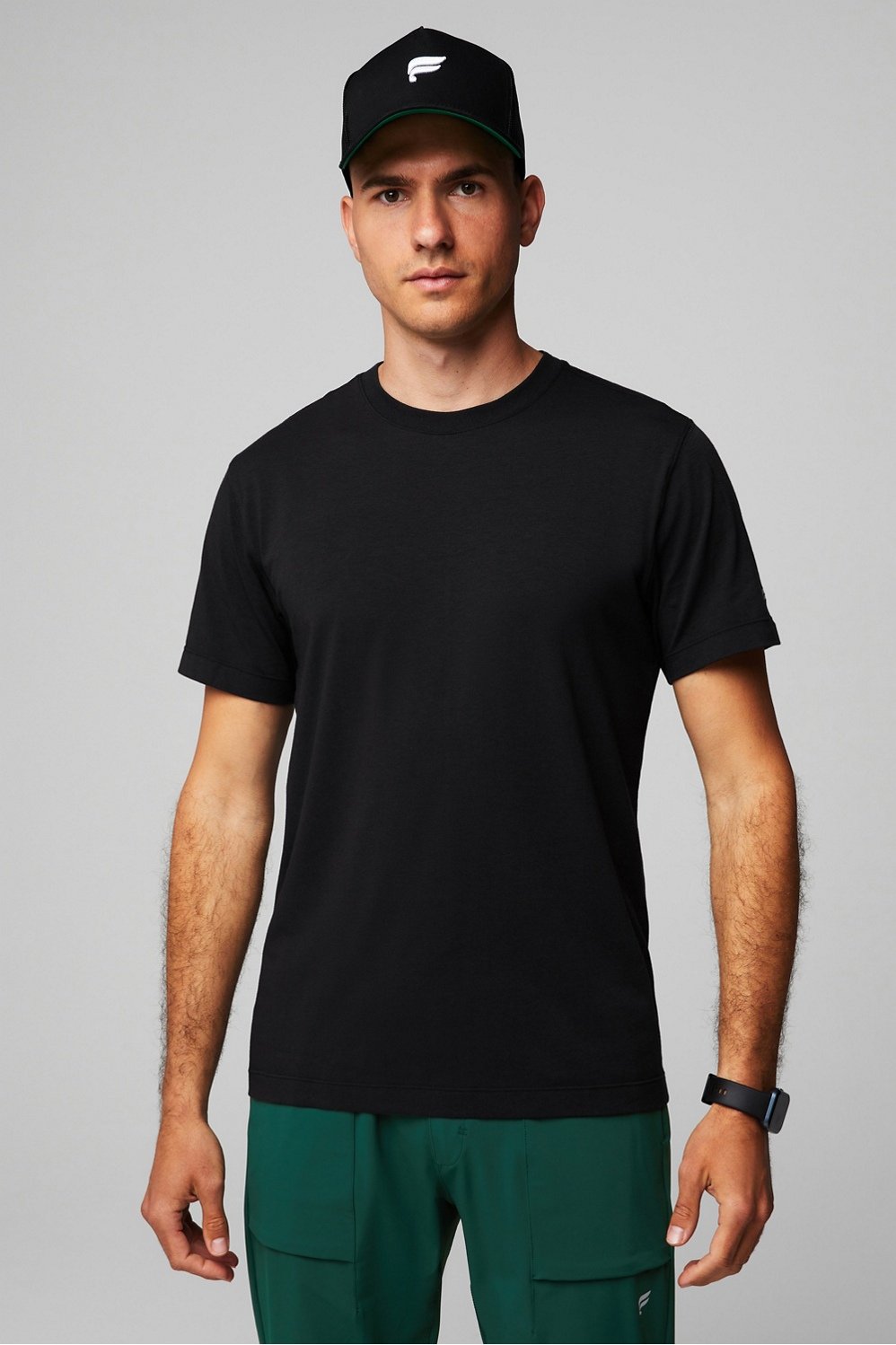


Dress code Casual and completely metal-free. Any hardware on your clothes and you change into a gown. Key layer Pull-on pants with a drawstring or elastic waist. No fly zipper, no rivets, no belt. Base layer Plain cotton or polyester tee. Wire-free bra with no hooks, clasps, or metal sliders. Avoid Zippers, snaps, underwire, grommets, buckles, metallic or reflective thread, jewelry, hairpins. Footwear Canvas slip-ons or clean socks. Nothing with metal eyelets or a steel shank. Tested in Outpatient imaging centers, 1.5T and 3T scanners, appointments running 20 to 75 minutes.
Four Outfit Formulas for an MRI
1. The Gown Avoider
This is the default and it works for most scans. Soft pull-on pants, a plain tee, wire-free bra if you wear one, cotton socks, and slip-on shoes. Nothing on the outfit fastens with anything harder than a drawstring. Leave the watch, rings, and hair clips at home rather than in a locker.
2. The Cold Room Setup
Scan rooms are kept cold on purpose, usually in the low to mid 60s, because the magnet and its electronics need it. You will be lying still for 20 to 75 minutes, which drops your circulation and makes that cold register harder. Add a metal-free fleece or knit crewneck over the tee and wear thicker socks. Most techs will hand you a blanket if you ask, but showing up already warm is easier.

Fabletics Principal Low Impact Bra
A pull-on strappy racerback with no wire, no hooks, and no metal sliders, which is the whole checklist for a scan. Comfortable enough to lie still in for an hour.
Shop This Pick3. The Knee, Ankle, or Foot Scan
For lower-body imaging you want the leg accessible without undressing. Loose shorts with an elastic waist, or pants you can push up past the knee, save the tech a step. Bring a light layer for your upper half, because only the scanned area gets exposed and the rest of you is still sitting in a cold room.
4. The Head, Neck, or Spine Scan
Head and neck scans add two rules on top of the metal ban. Skip makeup, dry shampoo, and deodorant that day, because several of them carry metallic pigment or aluminum that shows up as a smear across the image. And wear your hair down or tied with a fabric elastic. A single bobby pin sends you back to the changing room, and a hair tie with a metal crimp counts.
Do and Don't
- Do wear pants that pull on. Drawstring, elastic, or nothing.
- Do bring a warm metal-free layer. The room is colder than the waiting area.
- Do tell the tech about medication patches. Some have a thin metal backing that has to come off.
- Don't assume athletic wear is safe. Some performance fabrics carry silver or metallic fiber.
- Don't wear a bra with underwire, hooks, or adjustable metal sliders.
- Don't bother with a nice outfit. Nobody sees it and every extra detail is one more thing to check.
Best Shoes for an MRI
Canvas slip-ons are the easiest answer. No eyelets, no laces, no shank, and you step out of them at the door without sitting down. They also read as normal shoes if the appointment is squeezed into a workday.
Foam slides or clogs work if you would rather skip laces entirely. Check the footbed for decorative rivets first, because a few models put metal studs along the strap.
Clean athletic socks on their own are a real option. Most imaging suites have you take your shoes off before the scan room anyway, so the socks are what you actually wear for the scan. Bring a thicker pair than you think you need.
Avoid: boots and hiking shoes. Steel shanks, metal eyelets, and safety toes are all common there, and even when they pass screening they are slow to get on and off.

32 Degrees Men's Canvas Slip-On Shoes
No eyelets, no laces, no shank. You step out of them at the scan room door and back into them on the way out without breaking stride.
Shop This PickMistakes People Make
- Treating activewear as automatically safe. Plain polyester and spandex are fine. The problem is the subset of performance fabric that uses silver-based antimicrobial treatment or metallic fiber for shine, and neither is obvious from looking at the garment. If the label mentions silver, or the fabric has a visible metallic sheen, wear something else.
- Wearing a bra with hardware. Underwire is the famous one, but the small metal sliders on adjustable straps and the hook-and-eye closure at the back disqualify a bra just as fast.
- Dressing for the waiting room instead of the scan room. The waiting area is a normal temperature. The scan room sits in the low to mid 60s and you are motionless in it for the better part of an hour.
- Forgetting the small metal. Bobby pins, a nose stud, a watch, a fitness tracker, an underwire in a sports bra you forgot you had on. The screening form catches most of it, but every item found at the desk is time off your appointment.
Why This Approach Works
A clinical MRI runs at 1.5 or 3 Tesla. For scale, 3T is roughly 60,000 times the strength of Earth's magnetic field, and it is on continuously, not just during the scan. That field does three things to metal: it can pull ferromagnetic objects toward the bore, it can heat conductive material through the radiofrequency pulses, and it distorts the image around anything metallic even when the metal is perfectly safe. The third one is why a technologist sends you to change over a zipper that poses no danger at all. A smear across the region being imaged means the scan gets repeated.
Fabric choice is the other half. Cotton and plain polyester knits are both non-conductive and both fine. Cotton is softer for lying still on a hard table; polyester holds its shape and dries faster if you came from a commute. What matters more than the fiber is the construction. The fewer fastenings a garment has, the fewer decisions anyone has to make about it at the screening desk.
Then there is the temperature. Imaging suites hold the room around 62 to 68F with low humidity to keep the magnet's electronics stable. Lying still for 45 minutes in that room feels considerably colder than 65F feels on your feet, because your muscles are not producing heat. A metal-free knit layer and a heavier sock costs nothing and fixes it.
⭐ Jordan's Pick

Fabletics All-Shift Scrub Jogger
Scrubs are built to be worn inside imaging suites all day, so they have no metal by design. Elastic waist, drawstring, and a tapered leg you can push above the knee.
Shop This PickFrequently Asked Questions
Can I wear leggings to an MRI? Yes, as long as they are plain and have no metal. Check the waistband for a drawstring tip made of metal, check for zip pockets at the ankle, and skip anything with a metallic sheen or a silver-treated antimicrobial finish.
Do I have to change into a gown for an MRI? Only if something you are wearing does not clear screening, though some facilities gown everyone as policy. Dressing metal-free means you will not be sent back to change.
Can I wear a bra during an MRI? A wire-free bra with no hooks, clasps, or metal strap adjusters is usually allowed. Anything with underwire or hardware is not. If you are unsure, wear a pull-on style and bring nothing to change into.
Can I wear deodorant to an MRI? For most scans it is fine. For head, neck, chest, or shoulder imaging, skip it along with makeup and dry shampoo, because some formulas contain aluminum or metallic pigment that shows up as an artifact in the image.
Related Guides
- What to Wear to Physical Therapy
- What to Wear After Surgery
- Adaptive Clothing for Limited Dexterity
- What to Wear When It Is Hot Outside and Cold Inside
- What to Wear to a CT Scan
- What to Wear to a Mammogram
About the Author: Jordan Ellery is a weather-styling writer and former retail buyer who covers fabric science, layering systems, and the practical side of dressing for rooms other people control. Read more from Jordan.
Powered by Outfit Forecast Formulas. Forecast x Occasion x Body.