What to Wear to a Tattoo Appointment
Wear loose dark clothing that already exposes the spot being tattooed, so you are not half undressed in a chair for hours. Studios run cold and sessions run long. Four formulas by placement plus the layer and shoe picks, so you sit down and forget what you have on.


A tattoo appointment asks one thing of your clothes: expose the spot being worked on without making you undress. Pick something loose, dark, and cheap enough that you would not mourn an ink stain, with the fabric sitting well clear of the placement rather than on top of it. Studios are kept cool and sessions run two to six hours, so bring a layer you can pull on over everything. Shoes you can slide off without bending down finish the list.
Outfit Forecast earns a commission when you buy through links on this page, at no extra cost to you. Some brands featured here are owned by the company that publishes Outfit Forecast.
🛒 The Tattoo Appointment Outfit Forecast Formula


Session length Two to six hours seated or lying still. Dress for sitting, not for walking in. Key piece Whatever already exposes the placement. A tank for a shoulder, shorts for a thigh, a front-opening shirt for a back or chest. Base layer Soft cotton or cotton blend in black or a dark color. Ink and plasma mark light fabric permanently. Avoid Tight waistbands or straps crossing the placement, white or pale fabric, new clothes, anything you pull over your head to remove. Footwear Slip-on sneakers or flat slides. You may need them off, and you will not want to bend over afterward. Built for Studios held around 68F to 72F, long stationary sessions, and getting dressed again over a fresh wrap.
Four Tattoo Appointment Outfit Formulas
Placement decides the outfit. Work out which part of you the artist needs to reach, then dress so that part is already uncovered when you sit down.
The Arm and Shoulder Formula
A loose short-sleeve tee for a forearm or lower bicep, a tank for anything above the deltoid. Boxy cuts matter more than sleeve length, because a fitted sleeve pushed up turns into a tourniquet around the bicep after an hour. Soft wide-leg bottoms below, since nothing down there is in play.
The Back and Spine Formula
A front-opening shirt is the whole answer here, shrugged off the shoulders once you are in the chair. Buttons or a full zip let you cover up for breaks and get dressed again without dragging fabric across fresh work. Underneath, a bralette that clasps at the front rather than crossing the spine. Nothing with a high rigid waistband if the piece runs low.
The Ribs and Sternum Formula
The hardest placement to dress for, because the garment has to clear the ribcage without leaving you exposed. A loose tank you can roll up and tuck under a bra band works for ribs. For a sternum piece, a front-closing bra or a bandeau you can slide down, plus an open shirt to pull closed between passes.
The Thigh, Hip and Calf Formula
Bike shorts or loose running shorts for an upper thigh or hip. For a calf or ankle, wide-leg sweatpants that push past the knee and stay there beat an elastic cuff every time, because the cuff slides down and sits on the work. Add a long-sleeve top, since your legs will be bare for hours.

Fabletics Year Round Terry Wide Leg Sweatpant
Terry cotton with an open leg that pushes above the knee and stays there, which is the difference between a clean calf session and an artist stopping to move your cuff.
Shop This PickDo and Don't
- Do wear black or a dark color. Ink transfer, green soap and a little plasma are normal, and they do not come out of pale cotton.
- Do bring one extra layer, ideally a crew or zip fleece sized to go over everything.
- Do eat beforehand and bring a drink. Low blood sugar in a cool room ends sessions early.
- Don't wear anything new or expensive, including the shoes.
- Don't pick a garment with a seam, strap or waistband crossing the placement, even loosely.
- Don't plan an outfit you have to pull over your head at the end.
Best Shoes for a Tattoo Appointment
Slip-on sneakers are the default for most placements. You will be stationary for hours and may want them off, and after a lower-leg session you should not be bending down to deal with laces.
Flat slides or clogs are the better answer for an ankle, foot or lower-calf piece, because nothing touches the area and you can walk out without putting anything back on. Rubber or EVA footbeds also wipe clean.
Soft, low sneakers you already own work for any upper-body placement. There is no technical requirement at all. Just check that you can get into them without a shoehorn.
Avoid: boots, high-tops, and anything that laces past the ankle. They take two hands and a bent knee to remove, which is exactly what a fresh lower-leg tattoo rules out, and the shaft sits right where a calf piece ends.
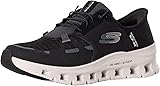
Skechers Slip-Ins Hands-Free Sneaker
A heel panel that collapses when you step in and springs back, so you get in and out of them without touching a lace or bending toward a fresh calf piece.
Shop This PickMistakes People Make
- Dressing for the walk in rather than the chair. The outfit that looks right on the way to the studio is often the one that has to come most of the way off once you get there. Decide from the placement backward.
- Wearing something tight below the placement. A sock cuff under a calf piece, a waistband under a hip piece, or a bra band under a rib piece will sit on the finished work the whole trip home.
- Underdressing for the room. Studios are held cool on purpose and you are not moving. Three hours of sitting still at 68F feels far colder than three hours of walking at 68F.
- Forgetting the exit. People plan the session and not the hour after it. A shirt that goes on over your head, laced boots and a tight jacket sleeve are all problems you create for yourself at the end.
Why This Approach Works
Three things set the rules. Studios typically sit between 68F and 72F, cool enough to keep the artist comfortable under work lights for a full shift, and a stationary body loses heat far faster than a moving one, which is why the extra layer is not optional even in summer. Tattoo ink and the green soap used to wipe during a session are both pigmented and both set in cotton, so dark fabric is practical rather than superstitious. And a wrapped tattoo needs clearance: the bandage or second-skin film your artist applies adds bulk, so anything that fitted correctly on the way in will press on the way out.
Fabric choice follows from sitting still, not from temperature. Cotton and cotton-terry blends stay soft against skin for hours and do not cling the way a slick polyester does when adrenaline makes you sweat.
Follow your artist's aftercare instructions for the tattoo itself. This is general style guidance, not medical advice.
⭐ Jordan's Pick

MagnaReady Magnetic Closure Button-Down
The placket is magnetic, so it opens completely flat for a back or chest session and closes one-handed afterward without you reaching across a fresh wrap.
Shop This PickFrequently Asked Questions
What color should I wear to a tattoo appointment? Black or any dark solid. Ink, pigment-carrying soap and a small amount of plasma are routine during a session, and they stain light cotton permanently. Patterns hide marks too, but dark solids are easier to find in a loose cut.
Can I wear jeans to a tattoo appointment? For an upper-body placement, yes. For anything on the leg or hip, no. Denim does not push up and stay up, the waistband is rigid, and the seam will sit on the finished area. Soft wide-leg bottoms are the better call.
What should I wear if the tattoo is somewhere private? Studios handle this routinely and will drape you. Wear something you can remove easily, and ask the artist beforehand what they prefer you turn up in, because the answer varies by placement and by shop.
Related Guides
- What to Wear to an MRI
- What to Wear to a CT Scan
- What to Wear to Physical Therapy
- What to Wear After Surgery
- What to Wear to a Mammogram
About the Author: Jordan Ellery is a weather-styling writer and former retail buyer who covers fabric science, layering systems, and the practical side of dressing for rooms other people control. Read more from Jordan.
Powered by Outfit Forecast Formulas. Forecast x Occasion x Body.