What to Wear Running in 40 Degree Weather


At 40°F, you need a moisture-wicking base layer, a lightweight midlayer, and wind protection for exposed skin. That's it. The "dress for 15-20 degrees warmer" rule means your body will feel like it's 55-60°F once you're warmed up, which happens about 10 minutes into your run. If you're comfortable standing in your driveway before you start, you are overdressed.
Temperature feel: 50-55°F once warmed up (after first 10 minutes) Key layer: Lightweight long-sleeve running top Base layer: Moisture-wicking synthetic or merino tee Avoid: Cotton anything, heavyweight fleece, bulky jackets Footwear: Standard road or trail runners (no changes needed from summer shoes) Tested in: Chicago lakefront, 41°F, 6-mile run with 12 mph wind off the lake
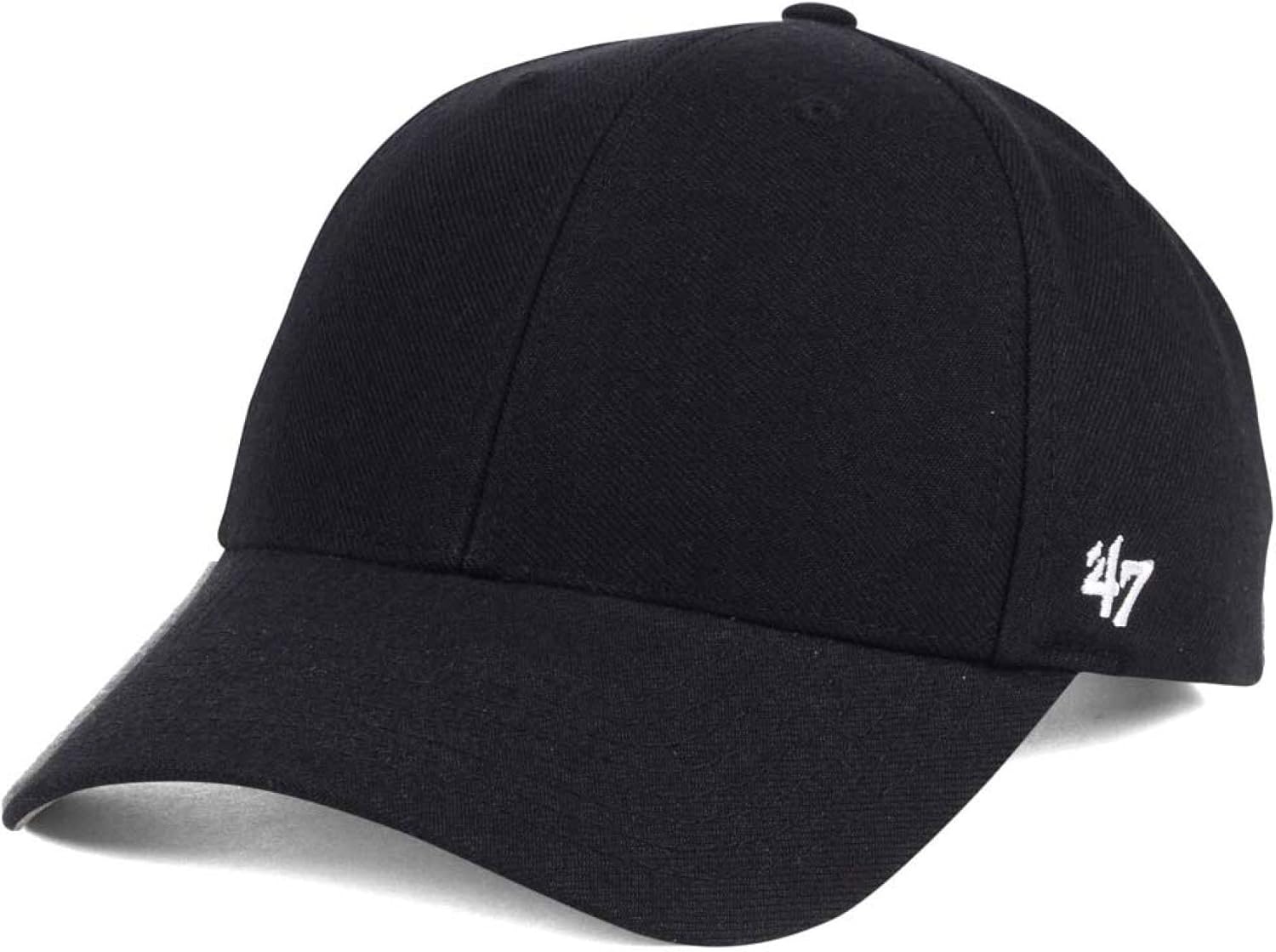
4 Outfit Formulas for Running in 40°F
Formula 1: Easy Run (conversational pace, 30-45 minutes) This is the most forgiving setup because you're not generating peak heat output. - Base: Lightweight long-sleeve running shirt in polyester or merino (Nike Dri-FIT Element, $55, or Smartwool Merino 150 base layer, $75) - Mid layer: Thin quarter-zip or running vest for core warmth (Tracksmith Brighton Base Layer, $78, or a basic Old Navy quarter-zip, $25) - Outer: Running vest if wind is above 10 mph, skip it if calm - Bottoms: Running tights or lined running pants (Brooks Momentum Thermal Tight, $90, or Baleaf fleece-lined tights, $30) - Shoes: Your normal running shoes. 40°F doesn't change footwear needs. - Accessories: Thin running gloves, headband or ear cover. Your ears lose heat fast at this temp, especially with any wind.
Formula 2: Tempo/Speed Work (higher effort, 20-40 minutes) You'll generate significantly more body heat during intervals and threshold efforts. Dress lighter than you think. - Base: Short-sleeve tech tee. Seriously. At tempo pace in 40°F, a short-sleeve shirt is often enough on your torso once you're four minutes into the first interval. - Mid layer: Lightweight arm sleeves if you want the option to adjust (2XU Compression Arm Sleeves, $30, or cheap generic arm warmers, $12) - Outer: Packable wind vest if it's windy, nothing if it's calm - Bottoms: Half-tights or short running tights (Nike Dri-FIT Fast, $55). Full-length tights will have you overheating by the third repeat. - Shoes: Whatever you'd wear for speed work in any weather - Accessories: Thin gloves you can stuff in your waistband after warming up. Skip the headband for speed sessions since the heat output from hard effort keeps your ears warm.
Formula 3: Long Run (60+ minutes, variable effort) Long runs are tricky at 40°F because you start cold, warm up, then cool down during slower miles or walk breaks. Layer to adjust. - Base: Merino long-sleeve base layer (Icebreaker 200 Oasis, $85). Merino handles the sweat-then-cool cycle better than synthetics for runs over an hour. - Mid layer: Lightweight half-zip that you can vent (Brooks Dash Half-Zip, $72, or Nike Therma-FIT Element, $75) - Outer: Packable wind shell in a belt or vest pocket for the last few miles when your pace drops and you start cooling down - Bottoms: Full-length tights are the right call for long runs at 40°F. You'll be out long enough that your legs will get cold, especially in the second hour. - Shoes: Your long run trainers with moisture-wicking socks (Balega Hidden Comfort, $16, or Feetures Elite, $18) - Accessories: Gloves, ear cover, and a lightweight buff that you can pull up or down. Bring a thin layer in a running belt for the post-run period. Standing around at 40°F soaked in sweat is how you get sick.
Formula 4: Race Day (5K to half marathon) Race day means no unnecessary weight and no clothing adjustments mid-race. Commit to your outfit. - Base: Lightweight singlet or short-sleeve racing top for races under 10K. Long-sleeve tech for half marathons. - Mid layer: Disposable layer for the start corral. Wear an old sweatshirt or a garbage bag to stay warm, then toss it at mile 1. Most races donate discarded clothing. - Outer: Nothing during the race. Bring a dry jacket in your gear check bag for immediately after finishing. - Bottoms: Racing shorts or half-tights with a brief liner. Your legs generate enough heat during race effort. - Shoes: Your race shoes, no changes - Accessories: Thin gloves (you might toss one or both by mile 3), headband for ears. No hats, since they trap heat during race effort and most runners overheat by mile 4 at this temp.

What to Avoid When Running in 40°F
Do: - Start your run feeling slightly cold. You should want to get moving. - Protect your ears and hands first. These cool fastest and affect your comfort more than your torso. - Wear moisture-wicking fabrics in every layer, including socks. - Bring a dry layer for immediately after your run. Post-run hypothermia is real at 40°F when you're sweat-soaked.
Don't: - Wear cotton. A cotton shirt absorbs 7x its weight in moisture and loses all insulating value when wet. You'll be shivering by mile 3. - Wear a heavy fleece or insulated jacket. You're not standing around. Running at even an easy 10:00/mile pace generates 600-800 watts of body heat. - Skip gloves because "it's not that cold." Below 45°F, your body restricts blood flow to your hands first. Numb fingers at mile 2 are annoying and avoidable. - Stop for more than 2 minutes without adding a layer. Your core temperature drops fast when you stop moving in sweat-soaked clothes at 40°F.
Best Shoes for Running in 40°F
Standard road trainer works well for Easy and long runs on pavement. Examples include Brooks Ghost 16, Nike Pegasus 41, ASICS Gel-Nimbus 26. Price range: $130-160.
Lightweight trainer works well for Tempo and speed work. Examples include Nike Vomero 18, Saucony Kinvara 15, New Balance FuelCell Rebel v4. Price range: $110-150.
Trail runner works well for Off-road or wet paths. Examples include Salomon Speedcross 6, HOKA Speedgoat 6, Brooks Cascadia 18. Price range: $130-170.
Race flat/super shoe works well for Race day performance. Examples include Nike Vaporfly 3, Saucony Endorphin Pro 4, ASICS Metaspeed Sky+. Price range: $200-275.
Avoid: waterproof shoes. They trap sweat. Examples: Gore-Tex running shoes make feet sweat more than 40°F conditions warrant.

Mistakes People Make Running in 40°F
1. Overdressing is the number-one problem. I see it every fall on the lakefront path. Runners in fleece jackets and heavy tights at 42°F, unzipping everything by mile 2 and tying their jacket around their waist. If you're running at 9:00-11:00/mile pace, you're generating enough heat to feel like it's 55°F within 10 minutes. Start cold. Trust the warm-up.
2. Wearing cotton base layers. Cotton holds moisture against your skin. In a climate-controlled gym, that's just uncomfortable. Outside at 40°F with wind, wet cotton drops your skin temperature fast. Synthetic or merino base layers wick sweat to the outer surface where it can evaporate. There's no scenario where cotton is the right call for running in cold weather.
3. Ignoring ears and hands while over-layering the torso. Your core generates plenty of heat during running. Your extremities don't. I've done runs where my chest was overheating but my fingers were completely numb because I wore a heavy top and forgot gloves. A $10 pair of running gloves and a $12 headband fix the actual comfort problem at 40°F.
4. Not planning for the post-run cooldown. You finish your run, you're sweating, the wind hits you, and your body temperature crashes. At 40°F, standing around in a soaked shirt after a hard effort can make you genuinely cold within 3-4 minutes. Stash a dry long-sleeve and a light jacket in your car or by your front door. Change immediately.
5. Wearing too-heavy tights for shorter runs. Fleece-lined tights are great for standing around in 40°F weather. For a 30-minute run, they'll have your legs overheating. Standard running tights with a light brushed interior are the sweet spot. Save the heavy tights for anything below 30°F.
Why This Works
The 15-20 degree rule is based on exercise physiology. Running at a moderate pace increases your metabolic heat production by 5-10x compared to standing still. That's why 40°F feels like 55-60°F once you've been running for 10 minutes. This isn't a rough estimate. It's consistently validated by exercise science research and every runner's lived experience.
Moisture management matters more than insulation at 40°F. At this temperature, you're in a zone where you can generate enough heat to stay warm, but only if your clothing moves sweat away from your skin. The second your base layer gets saturated and stays wet, the 40°F air starts pulling heat out of you. That's why fabric choice matters more than the number of layers.
Frequently Asked Questions
Should I wear shorts or tights at 40°F? Tights for most runners. Some cold-adapted runners can handle shorts down to 40°F, but your leg muscles perform better when they're warm. Running tights don't restrict movement and they keep your muscles in a better operating range. If you hate tights, try capri-length or shorts over compression tights.
Do I need a jacket for running at 40°F? Usually no. A long-sleeve base layer plus a thin midlayer or vest is enough for most efforts. The exception is if wind is above 15 mph, in which case a lightweight wind shell over your base layer makes a bigger difference than adding another insulating layer.
What if it's raining at 40°F? Rain at 40°F is genuinely dangerous for runners. Wet clothing loses insulating value fast, and evaporative cooling from rain-soaked clothes can drop your perceived temperature into the low 30s. Wear a water-resistant shell (not waterproof, since you need breathability), keep your run shorter than planned, and have dry clothes ready the second you stop.
How do I keep my phone working in 40°F? Keep it against your body, not in an armband exposed to cold air. A running belt or shorts pocket works. Smartphone batteries lose capacity below 40°F, and an exposed phone can die mid-run. If you use it for music or GPS, keep it warm.
⭐ Nate's Pick
'47 Brand Clean Up Cap
Relaxed cotton twill cap with adjustable strapback, no structure.
Shop This Pick