What to Wear Running in 30 Degree Weather
What to wear running in 30°F weather: midweight base layers, wind shell, fleece-lined tights, and full hand/ear/face protection. Tested on an 8-mile Chicago lakefront run.


🛒 Products at a Glance — 30 Degree Running Essentials




At 30°F, you need a moisture-wicking base layer, an insulating midlayer, a wind-blocking outer shell, and full coverage on your hands, ears, and face. The "dress for 15-20 degrees warmer" rule still applies, so your body will feel like 45-50°F once you're warmed up. But 30°F is the threshold where exposed skin can develop frostbite in wind, so this is no longer a "figure it out on the run" situation. Plan your layers before you walk out the door.
4 Outfit Formulas for Running in 30°F Weather
Formula 1: Easy Run (conversational pace, 30-45 minutes) At easy effort, your heat output is moderate. You need real layers here, not just a long-sleeve shirt and good intentions. - Base: Midweight long-sleeve in merino or brushed polyester (Smartwool Merino 250 Base Layer, $100, or 32 Degrees Heat Base Layer, $15). The base layer matters more at 30°F than at any other temperature because it's doing double duty: wicking sweat and providing insulation. - Mid layer: Quarter-zip fleece or brushed running pullover (Patagonia R1 Air Crew, $129, or Nike Therma-FIT Element Half-Zip, $75) - Outer: Lightweight wind shell. Not optional. At 30°F, a 10 mph breeze drops the wind chill to 21°F. A shell blocks that and keeps your midlayer's warmth trapped (Patagonia Houdini, $109, or New Balance Impact Run Light Pack Jacket, $90). - Bottoms: Fleece-lined running tights (Brooks Momentum Thermal Tight, $90, or Baleaf Fleece-Lined Tights, $32). Standard tights aren't enough at 30°F for easy pace. Your legs don't generate peak heat at conversational effort, and they'll get cold. - Shoes: Normal road trainers with merino-blend running socks (Smartwool Run Targeted Cushion, $22, or Darn Tough Micro Crew, $24). The socks are more important than the shoes at this temp. - Accessories: Midweight running gloves (Brooks Greenlight Gloves, $30), fleece headband or ear warmers, and a neck gaiter you can pull over your chin and nose when the wind picks up. All three are required, not optional.

Brooks Momentum Thermal Tight 2.0
Specific pick for this context at $90. See the full breakdown below.
Shop This Pick
Smartwool Classic Thermal Merino Base Layer Crew
Specific pick for this context at $100. See the full breakdown below.
Shop This PickFormula 2: Tempo/Speed Work (higher effort, 20-40 minutes) Hard efforts generate serious heat, but the gaps between intervals at 30°F are punishing. Your body cools fast when you stop. - Base: Lightweight long-sleeve tech shirt (Nike Dri-FIT Miler Long-Sleeve, $45). You can drop one weight class on the base layer because your heat output is much higher. - Mid layer: Thin quarter-zip you can vent (Tracksmith Brighton Base Layer, $78). Unzip during intervals, zip up during recovery. - Outer: Wind vest only, not a full jacket. A vest blocks chest wind without trapping arm heat during hard repeats. - Bottoms: Standard running tights, not fleece-lined (Nike Dri-FIT Phenom, $75). Your legs produce enough heat at tempo pace that fleece-lined tights cause overheating. - Shoes: Your speed shoes - Accessories: Thin liner gloves you can pull off during intervals. Headband for ears. Skip the neck gaiter during the work portions but keep it around your neck for recovery jogs.
Formula 3: Long Run (60+ minutes, variable effort) This is the hardest outfit to get right at 30°F. You'll be outside for over an hour, your effort will vary, and conditions might change. Err on the side of one extra layer you can adjust. - Base: Midweight merino base layer (Icebreaker 260 Tech Long-Sleeve, $100). Go merino for long runs. It regulates temperature better than synthetics when your pace shifts between 8:30 and 10:30 over two hours. - Mid layer: Lightweight fleece half-zip (Patagonia R1 Air, $129, or a budget fleece from Old Navy, $20) - Outer: Full wind shell with pit zips or front zip you can vent. You'll need it for the first and last 20 minutes. During miles 3-8, you might unzip it completely but keep it on. - Bottoms: Fleece-lined tights. Non-negotiable for long runs at 30°F. Your legs will be out there for 75-120+ minutes and heat output drops during slower segments. - Shoes: Cushioned long run trainers (HOKA Clifton 9, $140, Brooks Glycerin 21, $150) with wool-blend socks - Accessories: Gloves, headband, neck gaiter, and a thin balaclava if it's below 25°F with wind. Stash a dry midlayer and a puffy jacket at your car or turnaround point. Post-run at 30°F in sweat-soaked clothes is not discomfort. It's a genuine hypothermia risk.

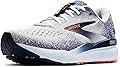
Brooks Ghost 16 Running Shoe
Specific pick for this context at $140. See the full breakdown below.
Shop This PickFormula 4: Race Day (5K to half marathon) Race-day layering at 30°F is a balancing act. You need to stay warm in the corral without carrying dead weight during the race. - Base: Long-sleeve racing top or lightweight half-zip (Tracksmith Van Cortlandt Long-Sleeve, $68). Short sleeves are a gamble at 30°F, even at race effort. - Mid layer: Disposable layer for the corral. Old sweatshirt, garbage bag, anything you can ditch at mile 1. You might stand in the start area for 20-45 minutes at 30°F. That's real cold exposure. - Outer: Nothing during the race. Bring a dry jacket for your gear bag. - Bottoms: Half-tights or light full-length tights. Fleece-lined is too heavy for race effort, but bare legs at 30°F compromise your muscle function for the first two miles. - Shoes: Race shoes. No changes. - Accessories: Thin gloves (you'll likely toss or pocket one pair by mile 4). Headband for ears. Consider arm sleeves you can push down if you overheat.
What to Avoid When Running in 30°F Weather
Do: - Protect your hands, ears, and face before adding torso layers. Frostbite targets extremities first, and at 30°F with wind, exposed skin on your face can develop frostnip in under 30 minutes. - Start your run feeling cold. Not uncomfortable, but noticeably chilly. If you're warm in your driveway, you're carrying too much. - Carry or stash a dry layer for the second you stop running. The post-run window at 30°F is short. You have about 3 minutes before your core temperature starts dropping hard. - Apply a thin layer of petroleum jelly on exposed facial skin (cheeks, nose) if wind is above 10 mph. It blocks wind and reduces moisture loss.
Don't: - Run in a single layer on top. At 40°F, a long-sleeve shirt and a vest can work. At 30°F, you need a real layering system: base, mid, and wind protection. - Wear cotton socks. Your feet sweat, and wet cotton at 30°F makes blisters and numbness inevitable. Merino or synthetic running socks only. - Skip the warm-up. Cold muscles at 30°F are injury-prone muscles. Walk for 2-3 minutes, then ease into your pace. Don't launch into 7:30/mile from a standing start. - Breathe through your mouth without a gaiter or buff over your face. Cold, dry air at 30°F can trigger exercise-induced bronchospasm (the tightening feeling in your chest). A neck gaiter warms and humidifies the air before it hits your lungs.
Best Shoes for Running in 30°F Weather
Standard road trainer works well for Easy and long runs on cleared paths. Examples include Brooks Ghost 16, Nike Pegasus 41, ASICS Gel-Nimbus 26. Price range: $130-160.
Lightweight trainer works well for Tempo and speed sessions. Examples include Saucony Kinvara 15, New Balance FuelCell Rebel v4, Nike Vomero 18. Price range: $110-150.
Trail runner with grip works well for Icy or packed-snow paths. Examples include Salomon Speedcross 6, Brooks Cascadia 18, HOKA Speedgoat 6. Price range: $130-170.
Race shoe works well for Race day performance. Examples include Nike Vaporfly 3, Saucony Endorphin Pro 4, ASICS Metaspeed Sky+. Price range: $200-275.
Avoid: insulated/waterproof shoes. They trap sweat and overheat your feet during running. Examples: Gore-Tex running shoes create more problems than they solve in dry 30°F.
Mistakes People Make Running in 30°F Weather
1. Using 40°F gear and hoping for the best. The jump from 40°F to 30°F is bigger than it sounds. At 40°F, a single midlayer and standard tights work for most runs. At 30°F, you need wind protection, fleece-lined bottoms, and full extremity coverage. I've watched runners on the lakefront in January wearing the same kit they wore in November, hunched forward with their hands jammed in their pockets. That's not running. That's a cold person moving forward out of stubbornness.
2. Ignoring wind chill. Thirty degrees and calm is manageable. Thirty degrees with a 15 mph wind is a feels-like of 19°F. That's a completely different outfit. Always check wind speed, not just air temperature. In Chicago, the wind off Lake Michigan regularly adds 10-15 degrees of extra cold to a lakefront run. Plan for the wind chill number, not the thermometer.
3. Not protecting airway and lungs. Cold, dry air irritates your bronchial passages. At 30°F, a lot of runners develop a persistent cough after their run or feel a burning sensation in their chest during hard efforts. A thin buff or gaiter over your mouth fixes this. It traps warm, moist exhaled air and pre-heats your next inhale. Simple and effective.
4. Stopping mid-run without adding layers. At 40°F, you can pause for a quick stretch or a traffic light and feel fine. At 30°F, a 3-minute stop in sweat-soaked clothes can make your core temperature drop to the point where restarting feels genuinely hard. If you need to stop, throw on a dry layer immediately. If you can't carry one, don't stop.
Why This Works
The 15-20 degree rule still holds at 30°F. Your body generates the same metabolic heat at 30°F as it does at 50°F. The difference is that you lose heat faster to the environment through convection (wind) and radiation (exposed skin). Proper layering doesn't add heat. It slows heat loss so your body's natural furnace can keep up. Three thin, functional layers outperform one thick layer because they create insulating air gaps and allow you to vent when your effort increases.
Moisture management becomes critical at 30°F. Sweat that sits on your skin at 30°F pulls heat away 25 times faster than dry air at the same temperature. That's why a soaked cotton shirt at 30°F is genuinely dangerous. Merino and synthetic base layers move moisture to the outer surface of the fabric where it can evaporate without chilling your skin. At higher temperatures, wicking is about comfort. At 30°F, it's about safety.
⭐ Nate's Pick
Smartwool Merino 250 Crew
Cold-weather running comes down to vapor management. A thin merino long-sleeve as your base does more for comfort over miles than any thicker layer on top.
Shop This PickFrequently Asked Questions
Should I wear a balaclava for running at 30°F? Only if wind chill drops below 20°F or you're doing a long run where you'll be exposed for over an hour. For most 30°F runs, a neck gaiter that you can pull up over your nose and a fleece headband covering your ears are enough. A full balaclava traps too much heat and moisture around your face at running effort and fogs up glasses if you wear them. Save it for runs below 20°F.
Is 30°F too cold to run outside? No. Thirty degrees is well within safe running range with the right clothing. Runners in cold climates routinely train through entire winters at temperatures well below 30°F. The American College of Sports Medicine considers outdoor exercise safe down to around -18°F with appropriate gear and precautions. At 30°F, you just need proper layers, extremity protection, and a plan for your post-run cooldown.
What about my phone battery at 30°F? Lithium-ion batteries lose significant capacity below 32°F. Keep your phone against your body in a running belt or inside your midlayer pocket, not in an armband. An exposed phone at 30°F can drop from 80% to dead in under 30 minutes. If you rely on it for music or GPS, body heat is the only reliable solution.
Should I change my running route at 30°F? Consider it. Wind exposure matters more at 30°F than at warmer temperatures. If your normal route runs along an exposed ridgeline or waterfront (looking at you, Chicago lakefront), think about swapping to a more sheltered path on high-wind days. Also check for ice. Black ice on paved paths at 30°F is common in the early morning before the sun hits.
Related Guides
- What to Wear Running in 40°F Weather
- What to Wear Running in 50°F Weather
- What to Wear in 30°F Weather
- Best Running Gear for Cold Weather
About the Author: Nate Calloway is a former personal stylist and outdoor gear tester based in Chicago. He writes activity-focused outfit guides tested in real weather conditions. Read more about Nate