What to Wear to Court
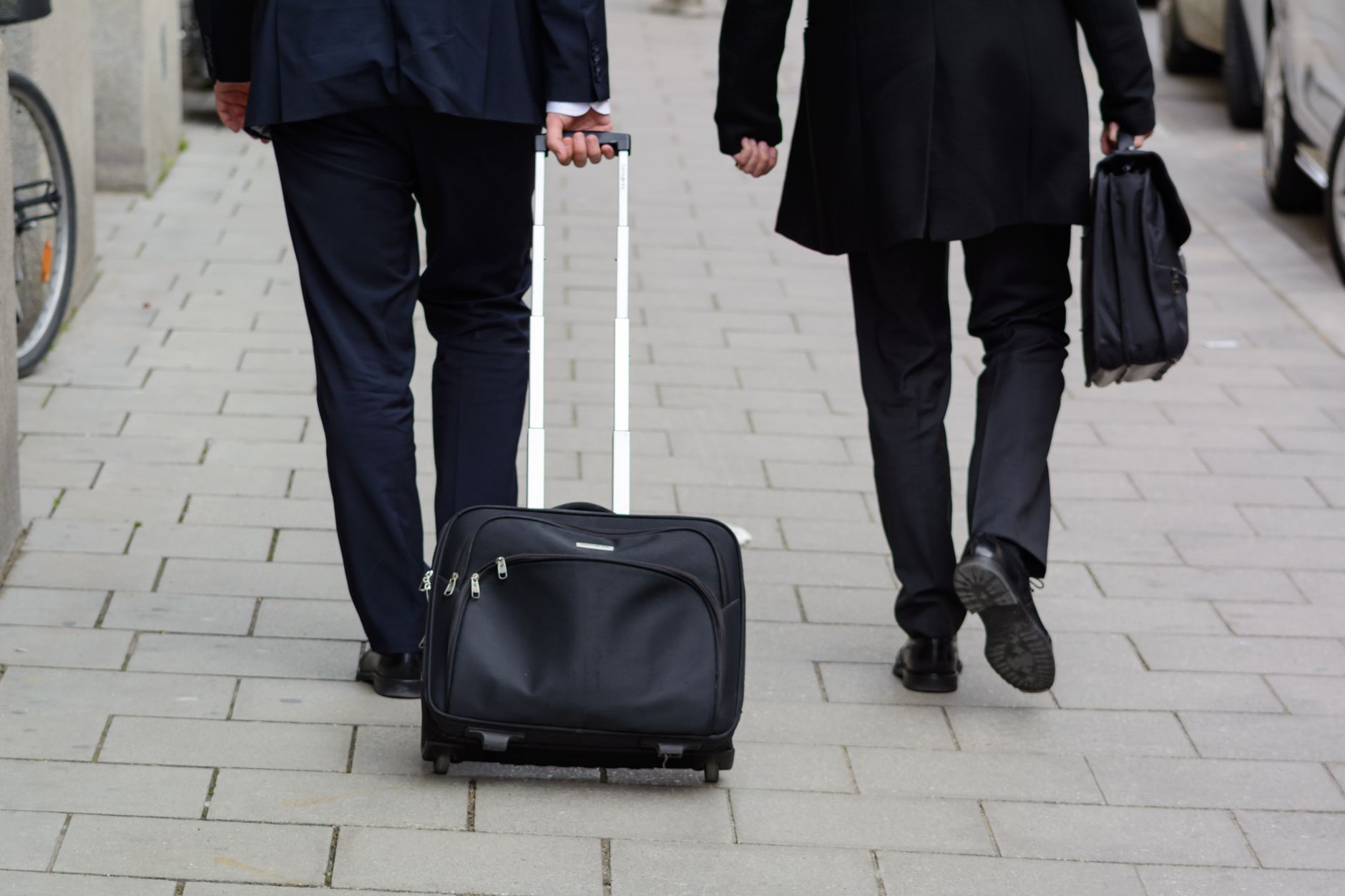
Business casual minimum in dark neutrals with no logos or graphics. Here is exactly what to wear to court for any type of hearing.

🛒 The Court Appearance Outfit Forecast Formula




Wear business casual or business formal clothing in dark, neutral colors. A button-down shirt with dress pants and closed-toe shoes is the baseline for men. Women should aim for tailored pants or a knee-length skirt with a conservative blouse and a blazer. Skip anything with logos, graphics, or ripped fabric. Courtrooms run cold, so bring a layer.
Temperature feel Business casual minimum - dark neutrals, no logos, no graphics Key layer Blazer or structured cardigan for a polished look in cold courtrooms Base layer Collared button-down or conservative blouse in white, blue, or light grey Avoid Jeans, shorts, tank tops, hats, sunglasses, graphic tees, strong fragrances Footwear Closed-toe dress shoes, loafers, or low-heel pumps Tested in Municipal courts, family courts, federal courthouses across multiple states
4 Outfit Options for Court Appearances
The Standard Business Casual (Men)
This covers most court appearances, from traffic hearings to small claims. You don't need a full suit unless your attorney tells you otherwise, but you do need to look like you took the appointment seriously. A crisp button-down tucked into pressed dress pants sends the right signal without overdoing it.
- Base: White or light blue button-down shirt, pressed and tucked
- Bottoms: Dark grey, navy, or charcoal dress pants
- Shoes: Black or brown leather oxfords or loafers
- Accessories: Leather belt that matches shoes, simple watch, no hat
The Polished Professional (Women)
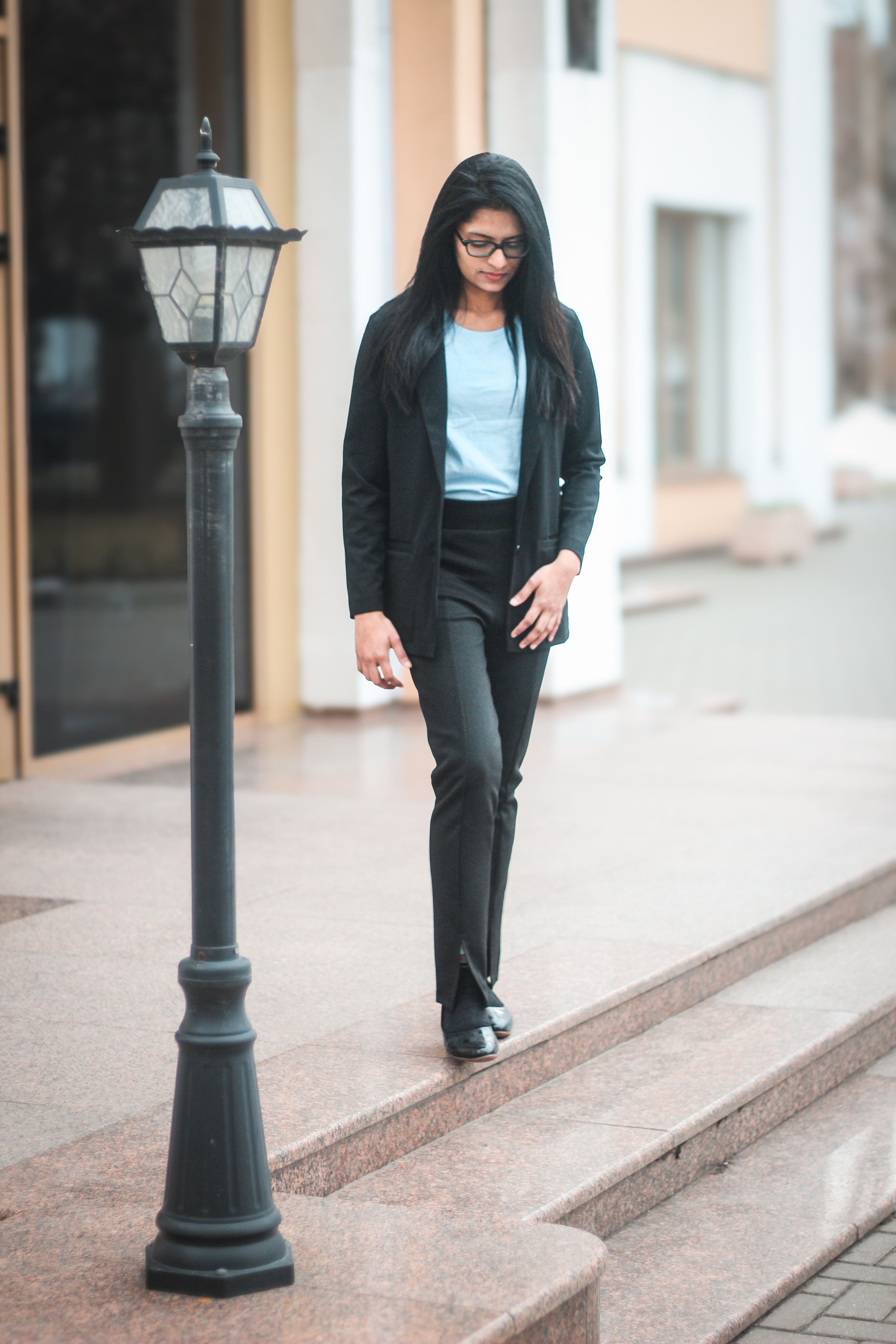
A blazer and tailored pants combination works in every courtroom from family court to federal. The blazer adds structure and authority without feeling overdressed, and it handles the aggressive AC that most courthouses blast year-round. Choose muted colors and skip patterns bigger than a fine pinstripe.
- Base: Conservative blouse in white, cream, or soft blue
- Layer: Navy or charcoal blazer
- Bottoms: Tailored dark trousers or pencil skirt at or below the knee
- Shoes: Closed-toe low-heel pumps or pointed-toe flats
- Accessories: Small stud earrings, simple necklace, structured handbag
The Suited Up (Formal Proceedings)
Criminal cases, custody hearings, and any proceeding where the outcome seriously affects your life call for your best outfit. A full suit communicates that you respect the process and the court. Your attorney will likely advise this, but even without that guidance, overdressing for a serious hearing is never the wrong move.
- Base: Crisp white dress shirt
- Outer: Dark suit jacket with matching trousers
- Tie: Solid dark tie in navy, charcoal, or burgundy (men)
- Shoes: Polished black cap-toe oxfords or classic leather pumps
- Accessories: Minimal - leather belt, simple watch, small earrings
The Smart Casual (Traffic Court / Jury Duty)
Traffic tickets, minor infractions, and jury duty pool days have a lower formality threshold, but "casual" in a courthouse still means a step above what you'd wear to brunch. Clean chinos with a polo or a tucked-in blouse will keep you in the safe zone. Leave the sneakers and jeans at home.
- Base: Polo shirt or clean button-down (can skip the tie)
- Bottoms: Pressed chinos or dark cotton trousers
- Shoes: Clean leather loafers, ballet flats, or simple lace-ups
- Accessories: Belt, watch, nothing flashy

Haggar Dress Pants
A featured pick from the Products at a Glance list, called out here in context.
Shop This PickWhat to Wear and What to Skip
- Do wear neutral, conservative colors. Navy, charcoal, black, grey, and white are all safe. Earth tones like tan and dark olive work too. Stick to solids or very subtle patterns.
- Do dress one level above what you think is necessary. Judges notice effort, and looking put-together signals that you take the proceedings seriously. Better to be slightly overdressed than underdressed.
- Do bring a layer. Courthouses are notoriously cold. A blazer or structured cardigan lets you stay comfortable during what could be a 3 to 6 hour day without looking like you're bundled for winter.
- Don't wear hats, sunglasses, or headphones. Most courthouses require you to remove hats inside, and sunglasses on your head read as casual. Leave them in the car.
- Don't wear anything with text, logos, or graphics. A small brand logo on a polo collar is borderline. A graphic tee, band shirt, or slogan hoodie is a hard no. Judges have sent people home to change for less.
- Don't wear strong cologne or perfume. You'll be in close quarters with other people for hours. Keep scents light or skip them entirely.
Best Shoes for Court
Cap-toe oxfords are the gold standard for men. They read as formal without trying too hard, and brands like Clarks and Cole Haan make versions with cushioned insoles for long days. Black leather works everywhere. Price range: $60-180.
Low-heel pumps (1 to 2 inches) give women a polished look while staying comfortable through security lines and hallway waiting. Dream Pairs and Naturalizer both offer cushioned options under $50. Stick to black, navy, or nude. Price range: $30-80.
Leather loafers work for both men and women. They split the difference between oxford formality and all-day comfort. A penny loafer or tassel loafer in dark brown or black works for everything short of a criminal trial. Price range: $50-150.
Clean ballet flats are a practical choice for women who anticipate long walks through courthouse corridors and metal detectors. Choose leather or faux-leather in a dark solid color. Price range: $30-130.
Avoid: Open-toe shoes, sneakers, flip-flops, and boots with heavy hardware. Some courts explicitly ban open-toe footwear, and sneakers - even clean white ones - look too casual for any courtroom.

Clarks Tilden Cap Oxford
Ortholite footbed handles full days on courthouse tile without breaking down. The cap-toe design reads as appropriately formal, and they're comfortable right out of the box.
Shop This Pick5 Mistakes People Make Dressing for Court
1. Treating it like a job interview. Court dress codes overlap with interview attire, but the goals are different. In court, you want to be forgettable - blending into the background is the goal, not standing out. Skip the power tie and statement accessories.
2. Forgetting about the metal detector. Belts, watches, and jewelry all need to come off at security. Wear a belt you can remove quickly, limit metal accessories, and leave your change and keys in a bag you can send through the scanner. I once watched someone hold up the line for five minutes with a chain belt they couldn't figure out.
3. Wearing new shoes. Courthouse days involve a lot of standing and walking on hard tile. Wear shoes you've broken in already. Blisters and wincing don't help your composure if you need to speak.
4. Underdressing because "it's just traffic court." The judge you'll face in traffic court is the same judge who handles other cases. They notice when someone shows up in gym shorts and a tank top. Business casual is the minimum for any court appearance.
5. Not checking the specific court's dress code. Federal courts, state courts, family courts, and municipal courts can have different rules. Some ban open-toe shoes. Some require suit jackets. A quick call to the clerk's office or a check of the court's website takes two minutes and can save you from being turned away at the door.
Why This Approach Works
Court dress codes serve a specific function that goes beyond formality for its own sake. Research on courtroom perception shows that judges and juries form impressions within seconds, and clothing plays a measurable role in how seriously someone's testimony or argument is received. Conservative, well-fitted clothing in neutral colors signals preparation, respect for the process, and credibility.
The practical considerations matter just as much. Courthouses maintain indoor temperatures between 65 and 70 degrees year-round, regardless of the season outside. That's cold enough to be uncomfortable in a thin blouse or short sleeves after an hour, which is why layering with a blazer or cardigan isn't just a style choice - it's a comfort strategy. Wrinkle-resistant fabrics like wool-blend suiting and stretch cotton hold up through the inevitable sit-stand-sit-stand cycle of a court day.
Different types of court proceedings carry different weight. A traffic ticket hearing has lower stakes and a slightly more relaxed dress expectation than a custody battle or a criminal defense. But the baseline never drops below business casual. When judges have the discretion to interpret your appearance as a sign of how seriously you take their courtroom, showing up in clean, conservative clothing removes one variable from the equation entirely.
⭐ Claire's Pick
Haggar Dress Pants
A standout pick from the Products at a Glance list. Chosen as the single piece that most defines this scenario.
Shop This PickFrequently Asked Questions
Can I wear jeans to court?
In most courts, jeans are not appropriate and some judges will send you home to change. Even dark-wash jeans without rips or distressing fall below the business casual standard that courts expect. Dress pants, chinos, or khakis are safer choices that require the same effort to put on. If you absolutely have no other option, dark, clean jeans with a blazer and dress shoes are better than jeans with a t-shirt, but it's a risk.
What should a woman wear to court?
Tailored dark trousers or a knee-length skirt paired with a conservative blouse and blazer is the most reliable combination. Colors should be muted - navy, charcoal, black, or dark grey. Avoid low-cut tops, sleeveless blouses without a jacket, and anything too tight or too short. Closed-toe shoes with a low heel or flats complete the look. The goal is polished and understated.
Do I need to wear a suit to court?
Not always. For traffic court, small claims, or jury duty, business casual is usually sufficient - dress pants, a collared shirt, and clean dress shoes. For criminal cases, custody hearings, or any proceeding with serious consequences, a full suit is strongly recommended. When in doubt, ask your attorney or call the court clerk's office to confirm expectations.
Can I wear sneakers to court?
No. Even clean, all-white sneakers are too casual for a courtroom. Courts expect closed-toe dress shoes - oxfords, loafers, pumps, or dress boots. Some courts have explicit policies banning athletic footwear, and even those that don't will view sneakers as a sign that you didn't take the appearance seriously.
What colors should I avoid wearing to court?
Avoid bright red, neon shades, all-white outfits, and anything with bold patterns or prints. These colors draw attention, which works against you in a setting where you want the focus on your words, not your wardrobe. Stick to dark neutrals like navy, charcoal, black, and grey. Muted earth tones are also acceptable for less formal proceedings.
Related Guides
- What to Wear to a Job Interview
- What to Wear to a Funeral
- What to Wear to a Celebration of Life
- What to Wear on a Cold-Weather Date Night
- What to Wear to a Job Interview With Limited Dexterity
Written by Claire Maddox, occasion and lifestyle editor at Outfit Forecast.
Powered by Outfit Forecast Formulas. Forecast x Occasion x Body.