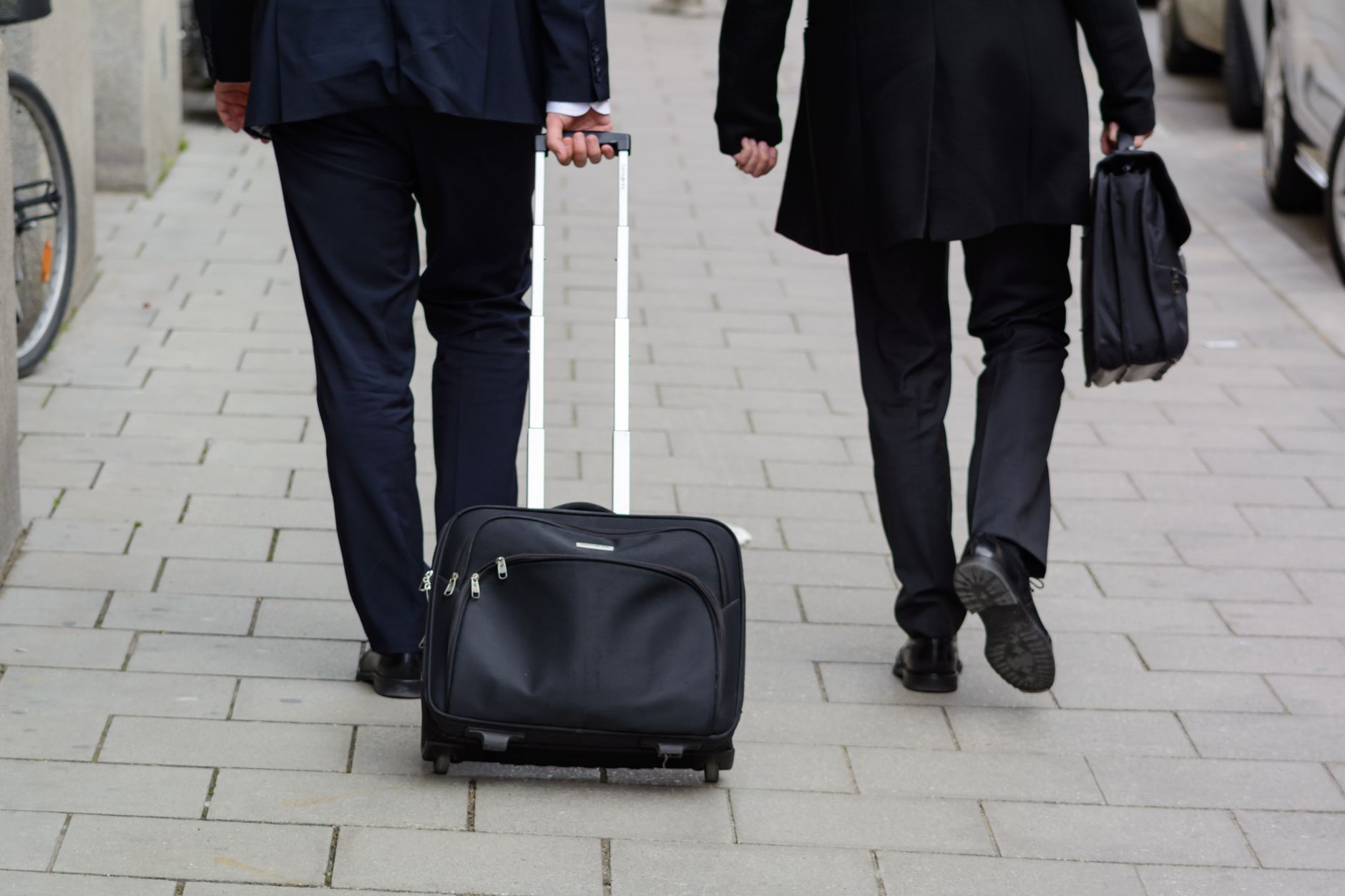
What to Wear to a Job Interview
How to dress for corporate, startup, and creative interviews with outfit formulas that match the company culture.


🛒 The Job Interview Outfit Forecast Formula




Temperature feel Indoor office, 68-72°F typical - dress for the building, not the commute Key layer Structured blazer or sport coat in navy, charcoal, or black Base layer Crisp button-down or professional blouse in white, light blue, or soft neutral Avoid Strong cologne, loud patterns, wrinkled fabrics, visible logos Footwear Clean leather oxfords, low pumps, or polished loafers Tested in Corporate, startup, and creative interviews across industries
Wear a structured blazer with a crisp button-down or professional blouse, tailored trousers or a sheath dress, and clean leather shoes. The goal is to look polished without appearing overdressed for the company culture. For corporate roles in finance or law, lean toward a full suit. For tech, startups, and creative fields, a blazer over a fitted shirt with dark chinos or a midi dress is the sweet spot.
4 Outfit Options for a Job Interview
1. The Corporate Standard (Finance, Law, Consulting)
This is the safest bet for any traditional office. A matched suit in navy or charcoal says you take the role seriously without trying too hard. The fit matters more than the brand - make sure the jacket sits flat across the shoulders and the sleeves show about half an inch of shirt cuff.
- Base: White or light blue dress shirt (men) or silk blouse (women)
- Mid layer: Matched suit jacket
- Bottoms: Matching suit trousers or pencil skirt
- Shoes: Leather oxfords or low-heel pumps
- Accessories: Simple watch, conservative tie (men), small stud earrings (women)
2. The Smart Casual (Tech, Startups, Marketing)
Most tech companies and startups actively want you to look like you belong, not like you wandered in from a law firm. A blazer with dark jeans or chinos and a clean button-down hits the right note. Skip the tie entirely.
- Base: Fitted button-down in white, chambray, or light check
- Mid layer: Unstructured blazer in navy or grey
- Bottoms: Dark chinos or well-fitted dark jeans (no rips, no fading)
- Shoes: Clean leather loafers, Chelsea boots, or minimal sneakers
- Accessories: Leather belt, simple watch
3. The Polished Dress (Women - Any Industry)
A sheath dress with a blazer is one of the most versatile interview outfits because it works everywhere from banks to ad agencies. Choose a solid color in navy, black, or dark green and let the tailoring do the talking.
- Base: Knee-length or midi sheath dress in a solid neutral
- Outer: Tailored blazer (optional for creative industries)
- Shoes: Pointed-toe flats, low block heels, or ankle boots
- Accessories: Structured tote bag, small pendant necklace
4. The Creative Interview (Design, Media, Arts)
Creative roles expect some personality in your outfit, but "creative" does not mean "casual." Think of it as showing taste rather than breaking rules. One statement piece - a textured blazer, a bold but tasteful shoe, or an interesting watch - paired with clean basics.
- Base: Well-fitted black turtleneck or interesting knit
- Outer: Textured or slightly unconventional blazer
- Bottoms: Tailored trousers in dark tones or a structured midi skirt
- Shoes: Clean leather sneakers, monk straps, or architectural flats
- Accessories: One conversation-starter piece (interesting watch, unique bag)

Tommy Hilfiger Blazer
A featured pick from the Products at a Glance list, called out here in context.
Shop This PickDo and Don't for Interview Outfits
- Do research the company dress code beforehand. Check their Instagram, LinkedIn photos, or Glassdoor reviews for clues about what people actually wear to work.
- Do try the full outfit the night before, including shoes. Discovering your shirt has a stain or your shoes pinch at 7 AM on interview day is not the kind of stress you need.
- Do dress one notch above what employees wear daily. If they wear jeans and tees, you wear chinos and a button-down. If they wear business casual, you wear a suit.
- Don't wear heavy cologne or perfume. In a small interview room, strong scent is distracting and some people are sensitive to it.
- Don't wear anything with visible brand logos. A Patagonia vest might be fine at your current job, but an interview is about you, not your gear.
- Don't wear brand-new shoes. Break them in for at least a day or two. Limping through a hallway tour is a bad look.
Best Shoes for a Job Interview
Leather oxfords remain the gold standard for men's interviews across all industries. A cap-toe in black or dark brown works for everything from banking to architecture. Brands like Cole Haan and Allen Edmonds offer options with modern comfort insoles. Price range: $80-200.
Low-heel pumps (2-3 inches) give a polished look without sacrificing comfort for women. Block heels are more stable than stilettos if you are walking across a campus or standing during a tour. Price range: $60-150.
Ballet flats work well for smart-casual and creative interviews. Look for pointed-toe styles in leather or suede rather than fabric. Sam Edelman and Rothy's make versions with arch support that hold up through a long day. Price range: $80-145.
Clean loafers bridge the gap between formal and casual for both men and women. Penny loafers or bit loafers in leather read professional without being stuffy. Great for tech and startup interviews. Price range: $70-180.
Avoid: Open-toe shoes, platform sneakers, and anything with visible scuffs or worn-down heels. Even in casual offices, sandals and flip-flops signal that you did not take the interview seriously.

COOFANDY Sport Coat
A featured pick from the Products at a Glance list, called out here in context.
Shop This PickMistakes People Make at Job Interviews
1. Overdressing for a casual company. Showing up in a three-piece suit to a startup that wears hoodies creates distance between you and the team. It suggests you did not research the company, which is the opposite of what you want an interviewer to think.
2. Underdressing because "they said casual." When an HR coordinator says "dress casually," they mean business casual, not weekend-at-home casual. Jeans can work, but they should be dark, clean, and paired with a collared shirt at minimum.
3. Wearing something you have never worn before. An unfamiliar outfit creates subtle distractions - you are adjusting the collar, pulling at the sleeves, or shifting because the shoes are stiff. Wear something you already know fits well and feels comfortable.
4. Forgetting about the commute. If you are walking ten blocks in July heat or trekking through rain, plan for it. Carry your dress shoes in a bag and change when you arrive. A wrinkled, sweaty blazer defeats the purpose of dressing well.
5. Ignoring grooming details. Clean nails, pressed clothes, and a recent haircut matter more than the brand of your shirt. Interviewers notice the details that signal effort and self-awareness.
Why This Works
Interview dressing is about reducing friction. Research from the Journal of Applied Psychology shows that candidates who dress appropriately for the role receive higher evaluations, but "appropriately" is the key word - overdressing hurts nearly as much as underdressing. The goal is to make your appearance forgettable in the best possible way, so the interviewer focuses on your answers rather than your outfit.
Structured fabrics like wool blends and stretch cotton hold their shape through hours of sitting, standing, and walking. Wrinkle-resistant finishes on dress shirts (like the Van Heusen Flex Collar technology) mean you still look sharp in the afternoon even if you dressed at 6 AM. Navy and charcoal test consistently as the most trustworthy colors in perception studies, which is why they dominate professional wardrobes.
The single most reliable move is matching your outfit to the company's daily dress code plus one level of formality. This signals that you understand the culture and respect the occasion without overplaying it.
⭐ Claire's Pick
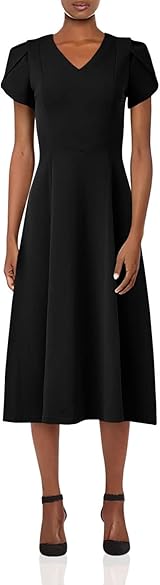
Calvin Klein Sheath Dress
The silhouette is professional enough for a boardroom interview and the fabric has enough stretch to stay comfortable through a four-hour panel. I keep coming back to Calvin Klein for interview-ready dresses because the construction holds up wash after wash.
Shop This PickFrequently Asked Questions
What should I wear to an interview if I don't know the dress code?
Default to business casual: a blazer with a button-down and chinos or a structured dress with low heels. This middle ground works for about 80% of interview situations. If you can, check the company's social media or LinkedIn photos to see what employees actually wear day to day, then dress one notch above that.
Can I wear jeans to a job interview?
Dark, clean, well-fitted jeans can work for tech, startup, and creative industry interviews, but only when paired with a blazer or sport coat and a collared shirt. Never wear distressed, faded, or light-wash jeans to any interview. When in doubt, swap the jeans for chinos - same comfort level, zero risk.
What colors are best for interview outfits?
Navy, charcoal, and black are the safest choices for your main pieces. White or light blue works best for shirts and blouses. Perception research consistently shows that darker neutral tones signal competence and trustworthiness. Avoid bright patterns, neon colors, or head-to-toe black, which can read as too severe depending on the industry.
Should I dress differently for a virtual interview?
Dress the full outfit from head to toe, even on video. People who only dress the top half tend to sit differently and it shows in their posture and confidence. Avoid small patterns and thin stripes that create a moire effect on camera. Solid colors in mid-tones photograph best on most webcams. Make sure your outfit contrasts with your background so you do not blend into the wall.
What should women wear to a job interview in summer?
A sleeveless sheath dress with a light blazer is the go-to summer interview look. The blazer handles the aggressive AC that most office buildings run, and you can remove it if you are walking outside between buildings. Closed-toe flats or low pumps keep the look professional without overheating. Skip bare legs if the office leans conservative - a pair of sheer nude stockings solves the problem.
Related Reading
Written by Claire Maddox, occasion and style editor at Outfit Forecast.
Powered by Outfit Forecast Formulas. Forecast x Occasion x Body.