What to Wear in 80 Degree Weather
Wear a lightweight tee, breathable button-down, or moisture-wicking layer with shorts or breezy pants. At 80F, fabric weight matters more than layering. Four formulas plus the lightweight, moisture-wicking picks for the hot range.

Outfit Forecast earns a commission when you buy through links on this page, at no extra cost to you. Some brands featured here are owned by the company that publishes Outfit Forecast. Affiliate disclosure
Eighty degrees is where the heat starts making decisions for you. Fabrics that felt fine at 70 suddenly cling. Colors that looked sharp at 65 now cook you in the sun. At 80 degrees, your outfit is a cooling system first and a style statement second. The good news: looking good in the heat is mostly about simplicity, fit, and fabric -- three things you can get right without spending a lot.
🛒 The 80 Degree Outfit Forecast Formula



Temperature feel 76-84°F depending on humidity and sun exposure Key layer Breathable short-sleeve shirt or lightweight blouse Base layer None needed - one layer keeps you cool Avoid Dark colors that absorb heat, heavy denim, synthetic blends Footwear Canvas sneakers, loafers, or comfortable sandals Built for Northeast and Southeast US, late spring through early fall
Eighty degrees is where the heat starts making decisions for you. Fabrics that felt fine at 70 suddenly cling. Colors that looked sharp at 65 now cook you in the sun. At 80 degrees, your outfit is a cooling system first and a style statement second. The good news: looking good in the heat is mostly about simplicity, fit, and fabric -- three things you can get right without spending a lot.
The rule at 80 degrees is: if you are wondering whether something is too heavy, it is. Default to the lightest, most breathable version of whatever you are reaching for.
4 Outfit Formulas for 80 Degree Weather
Formula 1: The Minimal Casual
Lightweight cotton or linen tee. Quick-dry shorts with a five to seven inch inseam. Slides, sport sandals, or breathable sneakers. This is summer distilled. Keep everything light-colored and loose-fitting. The tee should skim, not cling. The shorts should hit above the knee. Less fabric means less heat.
Formula 2: The Resort Casual
Camp collar linen shirt, unbuttoned one from top. Linen or cotton drawstring shorts. Leather sandals or espadrilles. This outfit takes you from a beach walk to an outdoor restaurant without changing. The camp collar is the warm-weather alternative to a button-down -- it lays flat, breathes better, and looks intentionally relaxed.
Formula 3: The Dressed-Up Summer
Lightweight linen polo or poplin button-down. Cotton or linen chinos in light colors. Suede loafers or canvas sneakers, no socks visible. When you need to look presentable at 80 degrees, fabric weight is everything. A poplin button-down weighs half what an oxford cloth does and breathes twice as well. Pair with the lightest chinos you own and keep shoes sockless or with no-shows.
Formula 4: The Active Heat
Moisture-wicking tank or mesh performance tee. Running shorts with built-in liner. Breathable running shoes with mesh upper. Sport sunglasses, hat, and sunscreen. At 80 degrees, any physical activity will generate serious sweat. Every piece of clothing needs to wick, breathe, and dry fast. Cotton has no place in this outfit.
Mistakes People Make in 80 Degree Weather
Not hydrating enough for the clothes they choose. Heavy fabrics at 80 degrees make you sweat more, which means you dehydrate faster. If you are not dressed light, you need to drink more water. It is a simple equation that most people miss.
Wearing perfume or cologne heavily. Heat amplifies fragrance. What smells fine at 65 degrees becomes overwhelming at 80. Cut your application in half or skip it entirely on the hottest days.
Packing too many layers for air conditioning. Yes, some buildings are cold inside. But carrying a jacket, sweater, and extra shirt defeats the purpose of dressing light. One thin long-sleeve tee or linen overshirt in your bag is enough for any AC situation.
Wearing the wrong underwear. Cotton underwear at 80 degrees traps moisture in the worst possible place. Switch to moisture-wicking synthetic or merino boxer briefs. It is the single biggest comfort upgrade you can make in hot weather, and nobody sees it.
Breaking in new shoes for the first time on a hot day. Feet swell at 80 degrees -- sometimes a full half size. Shoes that fit in the store will pinch and blister within an hour outside. Wear already-broken-in footwear on hot days. Save the new pair for a cooler afternoon closer to home.
Why This Works
At 80 degrees, the temperature gap between your skin (91 degrees) and the air is only 11 degrees. This means your body can no longer rely on passive heat loss -- the temperature difference is too small to drive significant convective cooling. Evaporation becomes your primary cooling mechanism.
Your body responds by increasing sweat production. At rest in 80-degree heat, you produce about 200 to 300 milliliters of sweat per hour. During moderate activity, that jumps to 500 to 1000 milliliters. All of this moisture needs to evaporate for you to stay cool, and your clothing either helps or hinders that process.
Loose-fitting light-colored clothing creates a chimney effect. Warm air rises between the fabric and your skin, drawing cooler air in from below. This natural convection supplements evaporative cooling and can make an 80-degree day feel several degrees cooler. Tight-fitting dark clothing eliminates this effect entirely.
Humidity is the variable that changes everything at 80 degrees. In dry heat, sweat evaporates quickly and the cooling system works efficiently. In humid conditions, the air is already saturated with moisture, so sweat pools on your skin instead of evaporating. This is why 80 degrees at 30% humidity feels manageable but 80 degrees at 80% humidity feels oppressive. Your clothing strategy should account for humidity: lighter and looser when it is humid, slightly more coverage when it is dry.
⭐ Jordan's Pick

Patagonia Baggies
Quick-dry nylon shorts that handle sweat, unexpected rain, and spontaneous swimming. The DWR finish sheds water, and they dry faster than anything else in your drawer. The only shorts you need at 80 degrees.
Shop This PickFrequently Asked Questions
Is 80 degrees considered hot?
For most people, yes. Eighty degrees is warm enough that you will sweat during any physical activity and feel uncomfortable in heavy clothing. In dry climates it feels manageable. With humidity above 60%, it feels legitimately hot.
What color should I wear in 80 degree heat?
Light colors -- white, cream, light blue, sage, khaki. These reflect sunlight and stay measurably cooler than dark colors. A white shirt in direct sun can be 15 degrees cooler on the surface than a black one. That difference is significant at 80 degrees.
Can I wear jeans at 80 degrees?
You can, but you probably should not. Even lightweight stretch jeans trap more heat than chinos or shorts. If you must wear jeans, choose the lightest wash and thinnest fabric you can find, and pair with a very breathable top.
How do I dress for an outdoor event at 80 degrees?
Linen or lightweight cotton is your best friend. A linen button-down with cotton chinos and loafers handles most outdoor events. Bring sunglasses, wear sunscreen, and skip the blazer. If the event is very casual, linen shorts with a camp collar shirt work perfectly.
What should women wear in 80 degree weather?
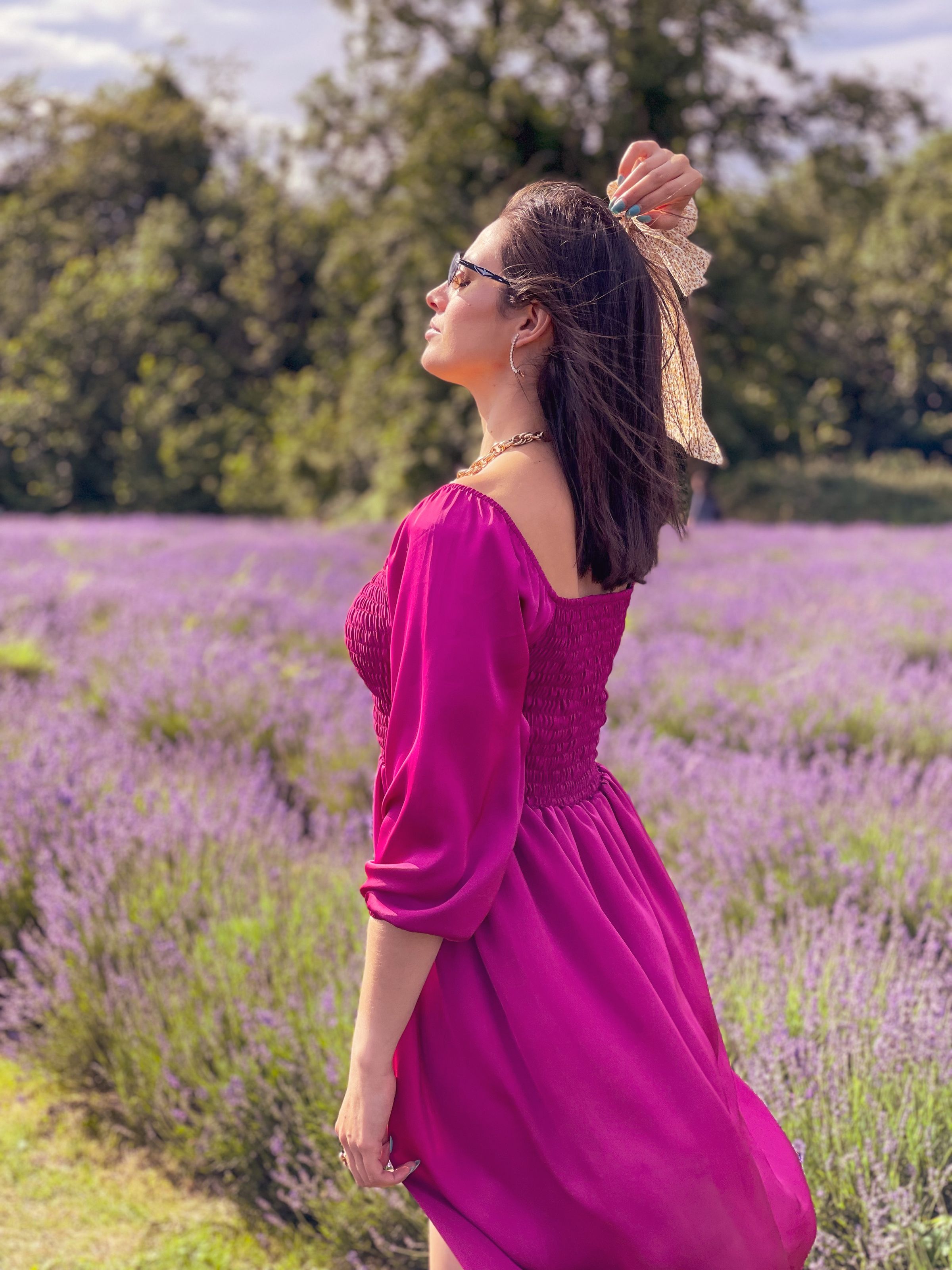
The formula is the same -- lightweight fabric, single layer, breathable shoes. A linen or cotton sundress handles most situations at 80. A flowy midi or wrap dress adds formality without adding heat. For casual days, a cotton tank with linen shorts or wide-leg pants works well. Avoid synthetic blends. Natural fibers -- linen, cotton, bamboo -- move air and dry faster than anything else.
What do I wear to work when it is 80 degrees outside?
Plan for two environments: the commute and the office. For the commute, dress for the heat -- lightweight fabrics and minimal layers. For the office, bring one thin layer for air conditioning: a linen blazer or light cardigan. Lightweight cotton chinos or dress pants, a poplin button-down or breathable blouse, and leather sandals or mesh loafers sit right at the boundary between dressed-up and cool.
Does 80 degrees feel different in humidity versus dry heat?
Significantly different. At 30 percent humidity, sweat evaporates quickly and 80 degrees feels manageable. At 80 percent humidity, sweat pools on your skin because the air cannot absorb more moisture -- perceived temperature can feel 5 to 10 degrees hotter. In humid conditions, prioritize loose-fitting natural fibers above everything else. In dry heat, you have more flexibility and even slightly heavier fabrics stay comfortable.
Related Guides
- What to Wear in 78 Degree Weather
- What to Wear in 75 Degree Weather
- What to Wear in 80 Degree Humid Weather
- What to Wear in 70 Degree Weather
- What to Wear in 65 Degree Weather
- What to Wear Golfing
- What to Wear in 85 Degree Weather
- 90-Degree Heat
- Humid 80-Degree Conditions
- Summer Concert Outfits
- What to Wear on a Cruise
- What to Wear When It's Hot Outside but Cold Inside — The outdoor-to-indoor layering formula for summer days when AC drops the indoor temperature 15 to 20 degrees below the street.
- What to Wear When Morning Is Cool and Afternoon Gets Hot
- What to Wear in Chicago in Summer
Powered by Outfit Forecast Formulas. Forecast x Occasion x Body.