What to Wear Camping in Summer
For summer camping, wear a wicking tee, quick-dry shorts, and broken-in trail shoes by day, then add a jogger or fleece after dark. Campsites swing 30 degrees from afternoon to dawn, so layering beats one outfit. Three formulas plus the shoe and sun picks, so you pack once.

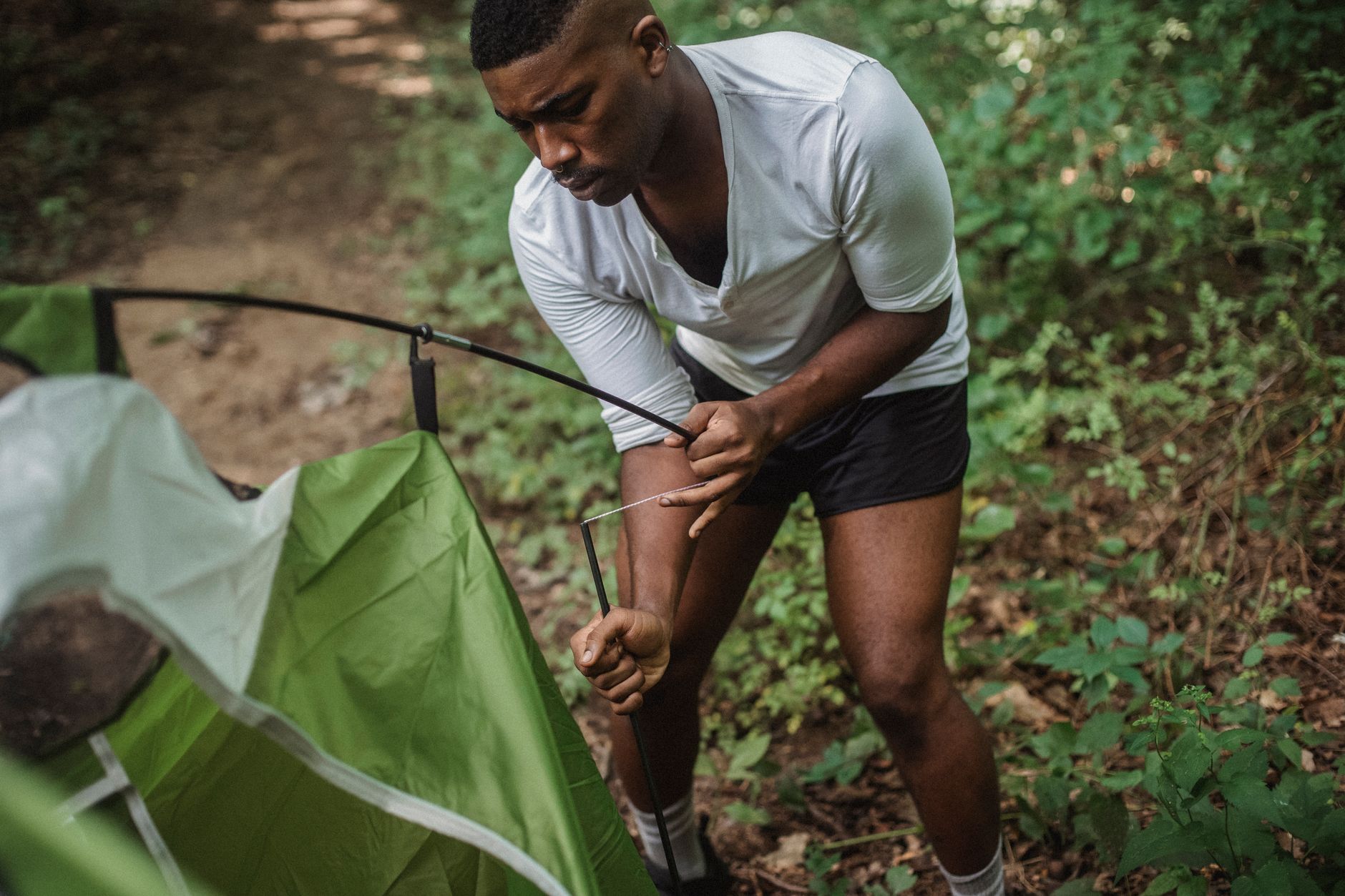
For summer camping, wear a moisture-wicking short-sleeve shirt, quick-dry shorts, and broken-in trail shoes during the day, then add a jogger or light fleece for the drop after sunset. Cotton is the thing that ruins camping trips. It soaks up sweat and lake splash and stays cold and wet against your skin all night. Pack in layers you can add and peel off, because a campsite can go from an 85F afternoon to a 50F morning without warning.
Outfit Forecast earns a commission when you buy through links on this page, at no extra cost to you. Some brands featured here are owned by the company that publishes Outfit Forecast. Affiliate disclosure
🛒 The Summer Camping Outfit Forecast Formula



Temperature feel 80 to 90F days, 45 to 60F nights. The swing is bigger at elevation and near water. Key layer Moisture-wicking short-sleeve shirt for the daytime heat. Base layer Quick-dry shorts by day, a jogger or light fleece once the sun drops. Avoid Cotton. It holds sweat and water and turns cold and clammy after dark. Footwear Broken-in trail shoes or light hikers, with camp sandals for around the tent. Built for Backcountry August trips, 88F afternoons down to 49F at sunrise.
Three Summer Camping Formulas
Camping is not one outfit. It is a day that starts cold, gets hot, and ends cold again, usually while you are three miles from the car. These are the three setups I actually pack.
The Day-Hike Setup
This is your active daytime kit for hiking in to the site or heading out on a trail. A moisture-wicking short-sleeve shirt moves sweat off your skin so it can evaporate instead of pooling. Pair it with quick-dry shorts that have real pockets and a bit of stretch, and your broken-in trail shoes. If bugs or sun are heavy, swap the tee for a vented long-sleeve fishing shirt. The airflow keeps you cooler than bare arms once the UV climbs.

Columbia PFG Tamiami II Shirt
Vented back, roll-up sleeves, and UPF 40 sun protection. It dries fast after a river crossing and shrugs off midday sun on an exposed trail.
Shop This PickThe Camp Lounge
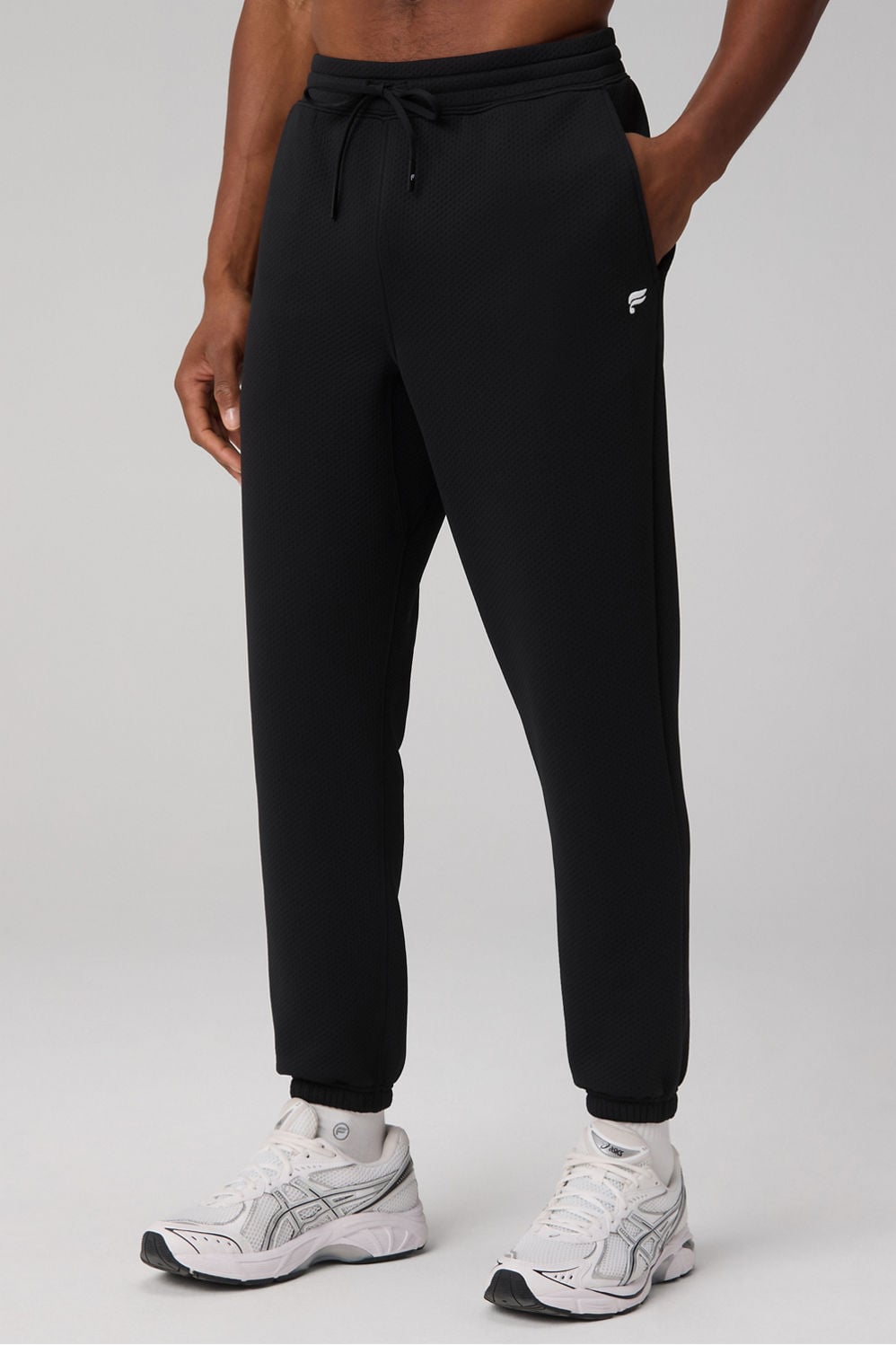
Once the tent is up and you are cooking or sitting by the fire, comfort wins. A soft cooling polo or the same wicking tee works up top, and a light jogger replaces the shorts as the temperature starts to slide. The jogger also keeps mosquitoes off your ankles, which matters more than any style point after dusk. Keep a set of these clothes dry in your pack. Changing out of sweaty day clothes before the temperature drops is the single best move for a comfortable night.
The Cold-Morning Layer
Dawn at a campsite is the coldest you will feel all trip. A light fleece or a half-zip over your base layer takes you from the 49F shock of unzipping the tent to the point where the sun does the work. Add a beanie if you run cold. You will shed all of it by 10 a.m., but the first hour is brutal without it, and a fleece packs down to nothing.
Do This, Not That
- Do build around synthetic or merino base layers. They wick sweat and keep insulating even when damp.
- Do not wear cotton tees or cotton hoodies. Once they get wet from sweat or dew, they stay wet and pull heat off you.
- Do pack a dedicated dry sleep set and change into it before bed. Damp day clothes make for a cold night.
- Do not pack a brand-new pair of boots for the trip. Blisters two miles in will define the whole weekend.
- Do bring a wide-brim or cooling sun hat for exposed midday sun. The MISSION Cooling Sun Defender Hat soaks in cold water and holds it.
- Do not rely on a single midweight layer. The day swings too far in both directions for one piece to cover.
Best Shoes for Summer Camping
Trail shoes and light hikers are the workhorse for most summer camping. They handle roots, gravel, and stream crossings without the weight of a full boot. The Brooks Cascadia 19 is a dependable trail runner if you are covering real miles and want a lighter feel underfoot. Price range: $110-$150.
Mid-height hiking boots earn their keep when you are carrying a loaded pack over uneven ground. The extra ankle support pays off on the hike in, and a waterproof membrane keeps morning dew and shallow crossings out. Price range: $130-$170.

Merrell Moab 3 Mid Boot
A camp classic for a reason. The mid cut supports a loaded pack, the sole grips wet rock, and it needs almost no break-in. Pair it with a wool sock.
Shop This PickCamp sandals are the reward at the end of the day. Slipping out of boots into a pair of sport sandals lets your feet breathe and dry out around the fire. Keep them clipped to the outside of your pack. And whatever shoes you hike in, put them over a real hiking sock like the Darn Tough Hiker Sock. Merino wool cushions the pressure points and does not stink after two days.
Avoid: flip-flops as your only footwear. They give zero support on a trail, offer no protection from roots and rocks, and leave your feet cold the moment the sun goes down.
Mistakes People Make
- Packing cotton because it feels comfortable at home. Cotton holds roughly 27 times its weight in water and dries slowly. A sweat-soaked cotton tee at a 50F campsite pulls heat off you all night.
- Dressing for the afternoon high and forgetting the night low. A clear sky at elevation can drop 30 to 40 degrees after sunset. The afternoon outfit that felt perfect at 3 p.m. leaves you shivering at 5 a.m.
- Bringing new boots. Fresh boots have not molded to your feet yet. Two miles of downhill on a stiff new sole is how you get blisters that ruin the trip.
- Skipping the sun layer to feel cooler. Bare arms under strong midday sun heat up faster than skin under a light vented shirt. The airflow through the fabric actually keeps you cooler while blocking UV.
Why This Approach Works
The whole system comes down to how fabric handles water. Cotton absorbs sweat and holds it, so evaporation slows and the wet fabric conducts heat away from your body, which is exactly wrong when the temperature drops. Synthetics and merino wick moisture to the surface where it evaporates fast, and merino keeps a good chunk of its insulating value even when damp.
The temperature math is the other half. Campsites, especially at elevation or near water, routinely swing 30 to 40 degrees between the afternoon high and the pre-dawn low. No single garment covers an 88F afternoon and a 49F sunrise. Layering lets you tune your insulation up and down through that range without carrying a duffel bag of options. Three thin pieces you can combine beat one thick piece every time.
⭐ Nate's Pick

Arctic Cool Cooling Crew Tee
This is the shirt I hike in when it is hot and humid. The cooling fabric wicks hard and actually feels cold when it is damp, which is the opposite of cotton.
Shop This PickFrequently Asked Questions
What should I wear to sleep while summer camping? A dry set of synthetic or merino base layers, kept separate from your day clothes and only worn in the tent. Add clean wool socks and a beanie if you run cold. The key is that the sleep set never gets sweaty during the day, so it insulates properly at night.
Are jeans okay for camping? Skip them. Denim is cotton, so it soaks up sweat and water and takes forever to dry, and once it is wet it pulls heat off you at night. Quick-dry shorts or a synthetic jogger do the same job without the cold-and-clammy penalty.
How do I stay warm on cold camping mornings? Layer a light fleece or half-zip over your base layer and add a beanie. Most of the chill hits in the first hour after you unzip the tent, so having that layer ready means you are not digging through a pack while shivering. You will shed it once the sun is up.
What kind of shoes are best for a summer camping trip? Broken-in trail shoes or mid-height hikers for the hiking, plus a pair of camp sandals to let your feet air out at the site. Match them with a merino hiking sock to cushion pressure points and cut down on odor over multiple days.
Related Guides
- What to Wear Hiking in 80 Degree Weather
- What to Wear Hiking in 60 Degree Weather
- What to Wear to a Music Festival
- What to Wear on a Beach Vacation
- What to Wear in Chicago in Summer
- What to Wear to a Bonfire
- What to Wear Fishing
About the Author: Nate Calloway is a former personal stylist and outdoor gear writer based in Chicago who covers camping and outdoor travel. Read more from Nate.
Powered by Outfit Forecast Formulas. Forecast x Occasion x Body.