What to Wear in 90 Degree Weather
Wear a loose linen, technical cotton, or moisture-wicking layer with shorts or breezy pants. Ninety degrees demands lightweight breathable fabrics - cotton tees and any synthetic blend trap heat. Four formulas plus linen, technical-cotton, and breathable-bottom picks.


Outfit Forecast recommends lightweight, breathable fabrics that let air circulate across your skin at 90 degrees.
Outfit Forecast earns a commission when you buy through links on this page, at no extra cost to you. Some brands featured here are owned by the company that publishes Outfit Forecast. Affiliate disclosure
🛒 The Hot Weather Outfit Forecast Formula



Temperature feel Hot, high sweat risk. Direct sun adds 10-15 degrees of perceived heat on skin. Key layer Single layer only. Linen or moisture-wicking synthetic. No layering needed. Base layer None. One top is all you want. Adding layers traps heat. Avoid Dark colors, denim, leather, polyester blends without wicking, anything tight. Footwear Sport sandals, mesh sneakers, or canvas slip-ons. Open designs win. Built for 88F to 95F with 60 to 80 percent humidity.
4 Outfit Options for 90 Degree Weather
Formula 1: The Linen Commuter (Any Gender, Smart Casual)
Linen breathes better than any other natural fabric because the fibers are hollow, creating tiny channels for air to move through. A linen button-down over lightweight pants handles office AC and the walk to the subway without making you choose between comfort and looking put-together.
- Base: Linen button-down in white, cream, or light blue (COOFANDY Linen Shirt)
- Bottoms: Lightweight chinos or linen pants in khaki or light grey
- Shoes: Canvas loafers or mesh sneakers
- Accessories: Sunglasses, light watch, no heavy jewelry (metal absorbs heat)
Formula 2: The Active All-Day (Any Gender, Casual)
When your day involves walking, errands, and being outside for hours, you need fabrics that wick and dry, not just breathe. This build prioritizes function over style but still looks intentional.
- Base: Moisture-wicking performance tee (Hanes Cool Dri or similar)
- Bottoms: Lightweight joggers or athletic shorts (THE GYM PEOPLE Joggers)
- Shoes: Sport sandals with arch support (NORTIV 8)
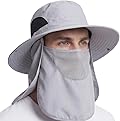
- Accessories: Wide-brim sun hat (Coolibar UPF 50+), sunscreen on exposed skin
Formula 3: The Weekend Minimal (Any Gender, Ultra Casual)
Some 90-degree days call for the least amount of fabric possible while still being dressed. This is your farmers market, park afternoon, and patio brunch formula.
- Base: Loose tank top or cropped tee in cotton or linen blend
- Bottoms: Relaxed-fit shorts, 7-inch inseam or longer
- Shoes: Slide sandals or flip-flops with arch support
- Accessories: Baseball cap or bucket hat, refillable water bottle
Formula 4: The Sun-Protected Outdoor Build (Any Gender, Activity)
For extended sun exposure - outdoor events, hikes, beach days, festivals - you need UPF protection because regular fabrics transmit 15-20% of UV rays. This formula prioritizes sun protection without adding heat.
- Base: UPF 50+ long-sleeve shirt (Columbia PFG Tamiami II)
- Bottoms: Quick-dry shorts or UPF board shorts
- Shoes: Sport sandals or trail-ready sneakers
- Accessories: UPF 50+ wide-brim hat, polarized sunglasses, mineral sunscreen

COOFANDY Linen Shirt
Breathable linen-cotton blend that dries fast and keeps airflow moving in extreme heat. The relaxed fit prevents clinging.
Shop This PickWhat to Avoid at 90 Degrees
Do: Choose fabrics with visible weave or texture - they trap less heat than smooth, tight-knit materials. Linen, chambray, seersucker, and open-knit cotton all let air move through the fabric itself, not just around it. Wear the lightest colors you own. White reflects up to 80% of incoming solar radiation, while black absorbs over 90%.
Don't: Wear dark denim, leather belts pulled tight, or synthetic fabrics without wicking properties. Standard polyester traps heat like a plastic bag. Avoid layering of any kind - even a light cardigan adds insulation your body can't shed. Skip heavy watches, thick socks, and closed leather shoes. Every piece of clothing should feel like it weighs nothing.
Best Shoes for 90 Degree Weather
Sport sandals work well for casual errands, park hangs, and any walking under 3 miles. Examples include NORTIV 8 Sport Sandals, Teva Hurricane XLT2, Chaco Z/1 Classic. Price range: $28-65.
Mesh sneakers work well for longer walks, commuting, and when you need closed-toe coverage. Examples include Nike Free Run, Allbirds Tree Runners, New Balance Fresh Foam. Price range: $85-140.
Canvas slip-ons work well for quick outings, coffee runs, and low-effort days where you need shoes fast. Examples include Vans Classic Slip-On, TOMS Alpargata. Price range: $50-65.
Avoid: Leather shoes, boots, or anything without ventilation. Your feet generate more heat per square inch than almost any other body part, and trapping that heat in leather at 90 degrees turns a walk into a blister factory.

NORTIV 8 Sport Sandals
Open-toe sport sandals with arch support and cushioned footbed. When closed shoes feel like ovens, these keep your feet cool without sacrificing grip.
Shop This PickMistakes People Make in 90 Degree Weather
1. Wearing cotton for an active day
Cotton absorbs sweat and holds it against your skin, making you feel wetter and heavier as the day goes on. This is fine for a 20-minute coffee run but miserable for a 3-hour outdoor event. Switch to moisture-wicking synthetics or linen when you know you'll be moving.
2. Skipping sun protection because it's 'just a short walk'
UV exposure is cumulative and peaks between 10 AM and 4 PM, which is when most of us are outside. A 15-minute walk at 90 degrees without sunscreen or a hat can burn fair skin. Wear a hat and apply SPF 30+ to exposed areas even for quick outings.
3. Wearing flip-flops for real walking
Basic rubber flip-flops offer zero arch support and force your toes to grip with every step, which causes foot fatigue fast. If you're walking more than half a mile, choose sport sandals with a molded footbed or mesh sneakers. Your feet will thank you by hour three.
4. Choosing tight clothes to 'look better'
Tight-fitting clothes trap a layer of hot, humid air against your skin, which prevents evaporative cooling. Loose fits allow air to circulate under the fabric, which is how your body's cooling system actually works. The best-dressed people in hot climates always wear relaxed silhouettes.
5. Forgetting about AC transitions
You might walk into a 68-degree office after being in 92-degree sun. The temperature swing can make damp clothes feel freezing. Keep a lightweight layer at your desk or in your bag for the transition. A thin cotton cardigan or a linen overshirt works without adding bulk in transit.
Why This Works
Your body cools itself through evaporation. When sweat evaporates from your skin, it absorbs heat energy - about 580 calories per gram of sweat evaporated. But this only works if the air next to your skin can move. Tight fabrics, non-breathable synthetics, and layered clothing all block evaporation and trap heat.
Linen's thermal conductivity is 0.067 W/mK, compared to cotton at 0.04 W/mK. That means linen transfers heat away from your body 67% faster than cotton. It also absorbs up to 20% of its weight in moisture before feeling damp, which is why it feels cool even when you're sweating. The wrinkles are the tradeoff, and in 90-degree weather, they're worth it.
Color matters more than most people think. A study in the Journal of Applied Physiology found that subjects wearing white shirts in direct sunlight measured skin surface temperatures 10-15 degrees Fahrenheit lower than those in black shirts at the same ambient temperature. At 90 degrees, that's the difference between manageable and miserable.
⭐ Jordan's Pick
COOFANDY Linen Shirt
Linen is the single best fabric for 90-degree days. The cotton blend adds structure so it doesn't wrinkle into a ball by noon. Blends like this tend to outperform pure cotton tees in humid heat.
Shop This PickFrequently Asked Questions
Is cotton or polyester better for 90 degree weather? It depends on what you're doing. Cotton breathes well and feels cool on your skin when you're relatively still, but it absorbs sweat and stays wet. Polyester and nylon wick moisture away and dry faster, making them better for active situations like walking or outdoor work. For sitting at a cafe, cotton wins. For walking 2 miles to lunch, go synthetic or linen.
Can I wear jeans in 90 degree heat? You can, but you'll be uncomfortable within 30 minutes of any real movement. Denim traps heat, doesn't breathe, and gets heavy when you sweat. Linen pants, lightweight chinos, or athletic joggers give you a similar look with actual airflow. If you insist on denim, go with a thin, stretch-cotton pair and keep the walk short.
What colors keep you coolest in extreme heat? Light colors reflect more sunlight and absorb less radiant heat. White, cream, light grey, and pale blue will keep you measurably cooler than black or navy. In direct sun at 90 degrees, a white shirt can be 10-15 degrees cooler on your skin surface than a black one. Dark colors work fine indoors with AC.
Should I wear sunscreen under my clothes in 90 degree weather? Regular fabrics provide minimal UV protection - a standard white cotton tee is only about UPF 5, meaning 20% of UV rays pass through. If you burn easily or will be in direct sun for hours, either apply sunscreen to covered skin or wear UPF-rated clothing. UPF 30+ blocks 97% of UV rays regardless of color.
What should I wear to sleep when it's 90 degrees? Loose cotton shorts and a cotton tank, or just underwear. Cotton absorbs the small amounts of sweat you produce while sleeping without feeling clammy. Avoid polyester sleepwear because it traps heat against your body when you're not moving enough to activate wicking.
Related Guides
Related Guides
- What to Wear in a Heat Wave
- What to Wear in 80 Degree Weather
- What to Wear in 80 Degree Humid Weather
- What to Wear in 75 Degree Weather
- What to Wear to an Outdoor Concert in Summer
- What to Wear in Vegas
- What to Wear to a Pool Party
- What to Wear to a Music Festival
- What to Wear Running in Hot Weather
- What to Wear in 100 Degree Weather
- What to Wear When the Heat Index Is High
Written by Jordan Ellery, fabric science and temperature dressing at Outfit Forecast.
Powered by Outfit Forecast Formulas. Forecast x Occasion x Body.