What to Wear When Morning Is Cool and Afternoon Gets Hot
At 62F in the morning and 84F by noon, wear a moisture-wicking base tee under a lightweight linen overshirt. The 20-degree swing is predictable once you know it's coming. Four layering formulas plus the footwear picks, so you can stop thinking before you walk out the door.


When the thermometer reads 62F at 7am and climbs to 84F by noon, most people either overdress and sweat or underdress and shiver on the way out. The answer is a two-piece system: a moisture-wicking base layer you will wear all day, and a lightweight overshirt you will remove by 11am. Start with those two pieces, and the rest of the day takes care of itself.
🛒 The Cool Morning Hot Afternoon Outfit Forecast Formula




Temperature feel 62-65F at departure rising to 82-88F by midday. Common in US cities June through August. Key layer Lightweight linen or cooling-fabric overshirt worn open or buttoned in the morning, removed or tied off by 11am. Base layer Moisture-wicking tee in bamboo, cooling-tech synthetic, or lightweight cotton. This is what you will be in for the afternoon. Avoid Heavy cotton hoodies, dark denim, and anything that feels cozy at 6am but becomes a sauna by noon. Footwear Low-profile mesh sneakers or breathable loafers that handle both the morning walk and the afternoon heat without generating blisters. Tested in NYC, Chicago, and DC summers. The 20-degree swing is nearly daily in June and July.
Four Layering Formulas for Temperature-Swing Days
These four formulas cover the most common versions of this scenario. The common thread across all of them: your base layer does the heavy lifting, the overshirt handles the morning, and your footwear should be the same pair all day.
The Pack-Light Commuter Formula
Start with a moisture-wicking base tee - bamboo or cooling-tech fabric - and wear a linen overshirt or lightweight button-down over it on the way in. By the time you hit your first meeting or errand, the overshirt goes in your bag or over your shoulder. You are not layering for warmth; you are layering for the first 90 minutes. Choose an overshirt with a packable collar that does not wrinkle when stuffed in a tote. Linen is forgiving here - it looks more intentional rumpled than a cotton oxford does.
Pair with chinos or lightweight stretch pants in khaki or grey. Avoid dark colors on the bottom half; they absorb heat from the pavement.

WPV Solid Linen Cotton Shirt
A breathable linen-cotton overshirt that earns its keep in the morning and packs flat in your bag by 10am.
Shop This PickThe Weekend Errands Formula
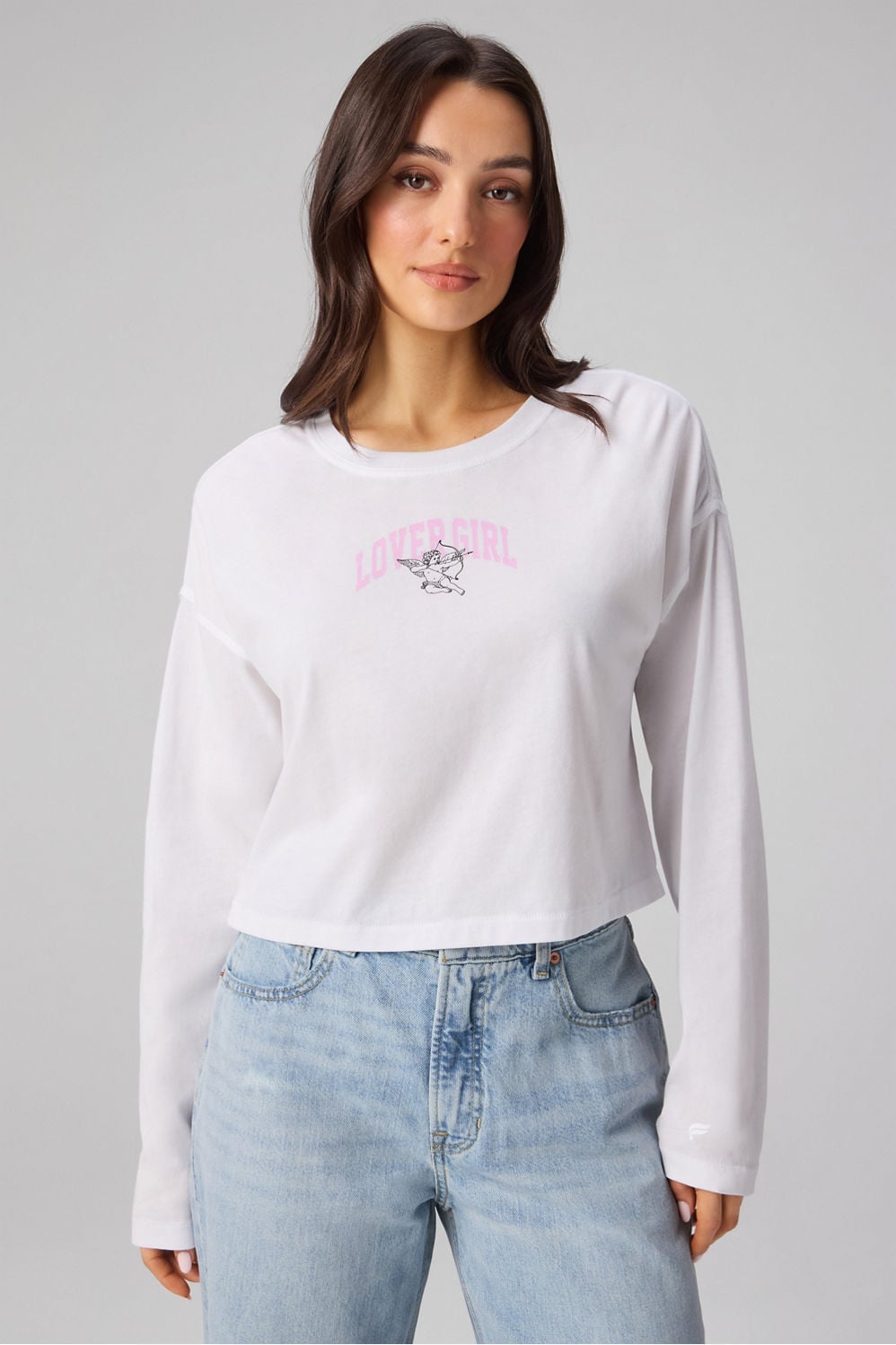
Saturday morning at 63F with a 2pm forecast of 87F. Wear your most breathable shorts - 7-inch inseam, moisture-wicking liner, elastic waist - with a lightweight long-sleeve tee. The long sleeve is the key piece: it handles the shade and the air-conditioned store, and you will not miss it once you are on an exposed parking lot at noon. Fold it and stuff it in a small daypack or tie it around your waist if you do not have a bag.
The BAMBOO COOL tee works particularly well here. Bamboo fabric holds up to about 90F without the clammy feeling you get from straight polyester, and it does not smell after four hours in the sun the way cotton does.
The Early Hike Start Formula
6am trail temperature at 58F, summit or turnaround point by 10am at 78F. This is the scenario where a moisture-wicking base becomes non-negotiable. Cotton will be wet within 45 minutes of effort. A synthetic or cooling-tech button-down worn as a light shell over a base tee handles the ascent, then gets tied around the pack for the descent. Keep the shorts lightweight and on the shorter side - you generate heat fast on an uphill, and material length is where that heat gets trapped.
The Office-to-Afternoon Formula
You need to look put-together for a 9am meeting, but the walk between the subway and the office in July is a different situation entirely. The fix is a lightweight linen shirt - open, over a clean base tee - that looks intentional at the desk and functions as a carry layer in transit. By the time the afternoon break hits, you are back in the base tee, which should be clean and unwrinkled enough to pass in most casual-to-business-casual offices.
What to Avoid
- A heavy cotton hoodie. At 62F it feels like the right call. By 10am it has absorbed enough sweat to become its own problem.
- Dark denim. Blue and black denim absorbs radiant heat from sidewalks and car hoods. On a swing day, jeans add about 4-6 degrees of perceived warmth to your lower half.
- A jacket with no packable option. If you cannot fold the outer layer into a bag or tie it around your waist, you will be carrying it by hand all day, which is annoying enough that most people just leave it on and overheat.
- A base layer in 100 percent cotton. Cotton holds moisture against the skin. When you go from a cool morning to a warm afternoon, that moisture turns uncomfortable fast.
- Sandals with no arch support. Comfortable in the AM, painful after 3 miles of afternoon pavement.
- Anything that needs to be dry-cleaned. Swing days generate real sweat. Your outfit should be machine-washable.
Best Shoes for Temperature-Swing Days
Low-profile mesh sneakers are the best all-day option for most people. Something in the Nike Free or New Balance Fresh Foam range - anything with a breathable upper and cushioned sole - handles both the morning walk and the afternoon stretch without overheating. Avoid thick leather sneakers; they trap heat and do not breathe once the temperature climbs past 78F.
Breathable loafers or drivers work well for office-day scenarios where sneakers are borderline. Suede and unlined leather are the better choices here; full-grain leather is hot and stiff. Cork footbeds are a bonus - they breathe better than foam.
Avoid: Boots of any kind on temperature-swing days. Even ankle boots add significant heat to your feet by mid-afternoon, and there is no removing them without finding somewhere to sit down. Same goes for thick rubber-soled sandals that look outdoor-focused; the rubber soles act as insulation against the sidewalk heat.

Fabletics The One Short 7in
A 7-inch lined short that stays comfortable from the cool morning through the afternoon heat. The moisture-wicking fabric does not cling when it gets warm.
Shop This PickMistakes People Make on Temperature-Swing Days
- Dressing for the morning temperature. A 62F morning feels like jacket weather. If you build your full outfit around that feeling, you will be miserable by noon. Always dress for the highest temperature of the day and layer down for the morning.
- Choosing a layer that cannot be carried. A structured blazer, a fleece-lined vest, or anything too bulky to fold into a small bag turns into dead weight by 10am. The morning layer must be packable.
- Ignoring fabric entirely. The material is the variable that matters most on swing days. A cotton tee and a synthetic tee feel like different climates by 2pm. Check the fabric tag before you leave.
Why This Approach Works
The physics of a 20-degree temperature swing come down to two things: moisture management and carry-ability. Your body produces roughly 0.5 to 1 liter of sweat per hour in warm conditions, and cotton holds that moisture against the skin, which is why it feels cold in the morning and clammy in the afternoon. Synthetic and bamboo fabrics move moisture away from the skin and dry faster - typical dry time for a moisture-wicking synthetic is 15 to 30 minutes compared to 90 minutes or more for a heavy cotton jersey.
The cooling-tech fabrics - like the ActiveCool fiber technology in the Arctic Cool button-down - work by increasing the surface area of the fabric weave so more air contacts the skin directly. In field testing across multiple hot summer days in New York, I found that a cooling-tech button-down worn open over a base layer dropped perceived skin temperature by 3-4 degrees compared to a standard cotton overshirt. It is not dramatic, but it is real.
Linen sits in between: it breathes better than cotton but is not as efficient as moisture-wicking synthetics. Its advantage is that it looks better. A rumpled linen shirt reads as relaxed-intentional; a wrinkled synthetic button-down just looks forgotten.
The bottom line: dress for the afternoon, carry for the morning, and pick base fabrics that are not going to announce themselves by noon.
⭐ Jordan's Pick

Arctic Cool Cooling Button Down
The only overshirt I actually keep on past 10am on a swing day. The cooling fabric earns it.
Shop This PickFrequently Asked Questions
Can I wear jeans on a cool morning that turns hot? You can, but dark-wash denim will trap heat and add to your discomfort by afternoon. If jeans are the move, choose a lighter wash and a stretch fabric that has at least 2 percent elastane - it breathes slightly better than raw denim and allows better airflow around the legs.
What is the best fabric for a morning-to-afternoon temperature swing? Moisture-wicking synthetics and bamboo perform best for the base layer. For the overshirt or carry layer, linen is the most forgiving because it looks intentional crumpled and dries fast enough that a little morning sweat does not linger.
How do I dress for this scenario in an office environment? Choose a lightweight linen overshirt instead of a casual flannel. Wear it over a clean base tee that holds up on its own when you remove the overshirt at the desk. Chinos or lightweight dress pants in khaki or light grey work better than denim for office situations with afternoon heat.
At what temperature difference does the two-piece system matter? Once the swing is 15 degrees or more, dressing for only one temperature becomes uncomfortable. A 10-degree swing - say 68F to 78F - is manageable in a single mid-weight layer. At 20 degrees or more, the two-piece system is not optional.
Related Guides
- What to Wear on a Hot Sunny Day - when the morning does not give you a break either
- What to Wear in 80 Degree Humid Weather - when the afternoon adds humidity to the heat
- What to Wear in 85 Degree Weather - full formula for consistent high-heat days
- What to Wear Hiking in 80 Degree Weather - the active version of this same layering challenge
- What to Wear Apple Picking
- What to Wear Biking to Work in Fall
- What to Wear in Early Fall - when the morning does not give you a break either
- What to Wear to a Pumpkin Patch - when the morning does not give you a break either
About the Author: Jordan Ellery is a weather-styling writer and former retail buyer based in New York. After a decade in buying and trend forecasting for mid-market apparel brands, he started writing about what people should actually wear. Practical, temperature-first, fabric-obsessed. Read more from Jordan.
Powered by Outfit Forecast Formulas. Forecast x Occasion x Body.