What to Wear Golfing
Collared shirt, tailored pants or shorts, and golf shoes. Here is exactly what to wear golfing whether you are a first-timer or figuring out the dress code at a private club.

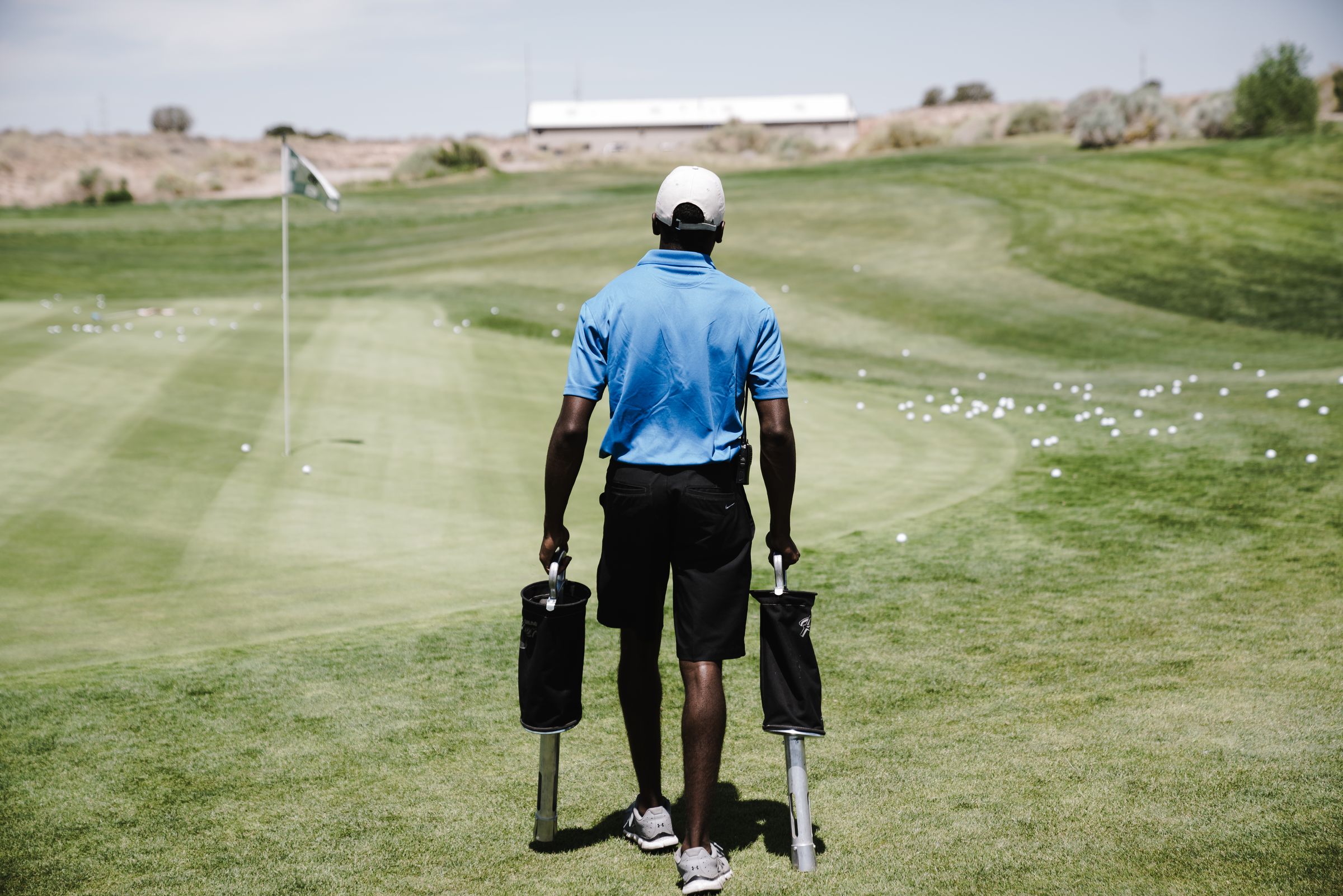
Collared shirt, tailored pants or shorts that hit above the knee, and golf shoes with soft spikes or a flat rubber sole. That covers the dress code at 90% of public and semi-private courses. Private clubs add restrictions - no denim, no cargo pockets, no athletic shorts, and sometimes a specific color palette. If you are playing a course for the first time, check their website for dress code details or call the pro shop. Getting turned away at the first tee because of your shorts is a bad start to any round.
🛒 The Golf Outfit Forecast Formula


Temperature feel Outdoor, full sun, sustained walking for 4-5 hours. Temperature swings 10-15 degrees across the round. Key layer Performance polo or mock-neck top with moisture-wicking fabric Base layer Synthetic blend (polyester or polyester-spandex) for breathability and sweat-wicking Avoid Denim, cargo pockets, athletic shorts, t-shirts, hoodies, anything cotton on hot days Footwear Spiked or spikeless golf shoes with full grip - never running shoes Tested in Public, semi-private, and private course dress codes across spring through fall
Dress code Collared polo, tailored pants or shorts, golf shoes
Key layer Lightweight zip jacket or quarter-zip pullover for early tee times and wind
Base layer Moisture-wicking polo with UPF protection
Avoid Jeans, cargo shorts, tank tops, flip-flops, athletic basketball shorts
Footwear Soft-spike golf shoes or spikeless golf shoes with rubber traction
Tested in Public courses, semi-private clubs, and private country clubs across spring, summer, and fall rounds
4 Golf Outfit Formulas
The Weekend Round (Public Course)
Public courses are the most relaxed dress code in golf, but "relaxed" still means a collared shirt and proper shorts or pants. The move here is performance fabrics that stretch, wick moisture, and dry fast. Cotton polos look good on the first hole and look like a dishrag by the ninth. Synthetic blends handle a four-hour round in humidity without falling apart.
- Base: Moisture-wicking polo in a solid color or subtle stripe
- Bottoms: Performance chinos or flat-front golf shorts (7 to 9 inch inseam)
- Shoes: Spikeless golf shoes (they work on the course and at the bar afterward)
- Accessories: Belt, golf glove, hat or visor, sunglasses with a retainer strap
The Private Club Round
Private clubs enforce stricter dress codes and some of them are oddly specific. No denim of any color, no cargo pockets, shorts must have a specific inseam length, and some clubs require long pants even in July. Tuck your shirt in - most clubs require it. When in doubt, overdress. Nobody has ever been turned away from a country club for looking too polished.
- Base: Structured polo with a clean collar, tucked in. Solid colors or traditional patterns (gingham, micro-stripe)
- Bottoms: Tailored flat-front pants or club-length shorts (check the club's specific policy)
- Shoes: Traditional soft-spike golf shoes in leather or leather-look synthetic
- Accessories: Leather belt (matching shoes), golf glove, structured cap (no flat-brim snapbacks)
- Layer: Quarter-zip pullover or lightweight golf jacket in a complementary color
Women on the Course
Women's golf dress codes have loosened significantly in the last few years, but the fundamentals still apply - a collared polo or mock-neck top, a golf skort or tailored shorts, and golf shoes. Athletic-style golf dresses have become popular and are accepted at most courses including many private clubs. The biggest practical consideration is sun protection - a round takes four to five hours in direct sun.
- Base: Performance polo, mock-neck sleeveless top, or golf dress with built-in shorts
- Bottoms: Golf skort, tailored shorts, or performance ankle pants
- Shoes: Spikeless golf shoes (more options and styles in women's than men's)
- Accessories: Visor or wide-brim golf hat, UV-protective sunglasses, golf glove, SPF 50
The Early Morning Tee Time
First tee times in spring and fall can start in the low 50s and climb to 75 by the back nine. Layering is everything for dawn rounds. You need pieces that come off easily and fit in your golf bag without taking up the space you need for extra balls.
- Base: Long-sleeve performance polo or lightweight base layer
- Mid-layer: Quarter-zip pullover in a breathable synthetic knit
- Outer layer: Lightweight golf jacket that packs into its own pocket or rolls small
- Bottoms: Performance pants (not shorts - your legs will thank you on the first three holes)
- Accessories: Thin glove liners under your golf glove for the first few holes, beanie or ear cover if it is below 50

PUMA MATTR Polo
A featured pick from the Products at a Glance list, called out here in context.
Shop This Pick
PGA TOUR Golf Pants
A featured pick from the Products at a Glance list, called out here in context.
Shop This PickWhat to Wear and What to Skip
Do wear moisture-wicking fabrics. A four-hour round in 80-degree sun will soak through cotton. Polyester blends, nylon, and performance knits keep you drier and more comfortable. Most modern golf brands use these fabrics as a standard.
Do wear sunscreen and reapply at the turn. You are outside for 4 to 5 hours with no shade on most holes. Apply SPF 50 before the round and bring a travel-size tube in your bag for the turn between nines.
Do check the dress code before you go. Every course is different. A public municipal course might let you wear athletic shorts. The private club next door might require a tucked-in shirt and long pants. Five minutes on the course website saves you from getting turned away or feeling out of place.
Don't wear jeans. This is the one universal rule in golf. No course - public, semi-private, or private - allows denim. Not even dark-wash, not even designer. Bring performance pants or chinos instead.
Don't wear a tank top, sleeveless shirt (men), or t-shirt. Golf requires a collared shirt at virtually every course. Women have more flexibility with sleeveless options but they should still have a collar or mock-neck.
Don't wear running shoes, sandals, or casual sneakers. Golf shoes exist for a reason - they provide traction on grass, stability during your swing, and protection from morning dew.
Best Shoes for Golf
Spikeless golf shoes are the best choice for most recreational golfers. They provide enough traction for a full round, feel comfortable walking 18 holes, and transition seamlessly to the clubhouse or restaurant afterward. Brands like FootJoy, Ecco, and Skechers make excellent options. Price range: $60-150.
Soft-spike golf shoes offer maximum traction on wet grass and hilly courses. The removable cleats grip better than any flat sole, especially in early morning dew or after rain. The tradeoff is they are less comfortable off the course and the spikes click on hard floors. Price range: $80-200.
Avoid: Running shoes (smooth soles slip on grass), basketball shoes (too bulky, no traction pattern), flip-flops (never), and old sneakers you retired from the gym.

BALEAF Golf Skort
A featured pick from the Products at a Glance list, called out here in context.
Shop This Pick5 Mistakes People Make Dressing for Golf
1. Wearing cotton in the summer. Cotton polos absorb sweat, get heavy, stick to your skin, and take hours to dry. By the back nine you look and feel like you fell in a pond. Performance polyester blends wick moisture away from your body and dry in minutes.
2. Forgetting about the turn. A round of golf has a natural break between the front nine and back nine. The conditions at the turn can be radically different from when you started - warmer, windier, or cloudier. Having a packable jacket in your bag gives you flexibility.
3. Wearing new shoes without breaking them in. A round of 18 holes covers 4 to 6 miles of walking. New golf shoes that haven't been broken in will blister your feet by the 12th hole. Wear new golf shoes around the house and to the driving range at least twice first.
4. Ignoring the belt rule at private clubs. Many private clubs require a belt with tucked-in shirts, and they will enforce it. A simple leather belt in brown or black that matches your shoes covers every situation. Keep one in your golf bag so you never forget.
5. Wearing athletic shorts instead of golf shorts. Basketball shorts, running shorts, and gym shorts with elastic waistbands are not golf shorts. Golf shorts have a flat front, a proper waistband with belt loops, and a tailored fit.
Why This Approach Works
Golf dress codes exist for practical and historical reasons. The collared shirt requirement traces back to golf's origins as a gentleman's sport, but it also serves a practical function - collars protect the back of your neck from sunburn during a four-hour round. Tailored shorts and pants with belt loops are required because they hold up better during the physical movements of a golf swing than elastic-waist athletic wear.
The emphasis on performance fabrics over cotton is backed by simple physics. A golfer walking 18 holes covers roughly five miles over four to five hours. In summer heat, a cotton polo absorbs approximately 25 times its weight in sweat, adding noticeable weight and clinging to your body in ways that restrict your swing. Polyester and nylon blends absorb less than 1% of their weight in moisture and actively wick sweat to the outer surface where it evaporates.
Golf shoes with proper traction matter more than most beginners realize. A golf swing generates significant lateral force through your feet. Smooth-soled casual shoes slip on dewy grass, affecting both your power and your balance. Even spikeless golf shoes have traction patterns specifically designed for the rotational forces of a swing.
⭐ Nate's Pick
PUMA MATTR Polo
A standout pick from the Products at a Glance list. Chosen as the single piece that most defines this scenario.
Shop This PickFrequently Asked Questions
Can I wear shorts on a golf course?
At most public and semi-private courses, yes. Shorts should be flat-front with a tailored fit, hitting just above or at the knee. No cargo pockets, no athletic shorts, no denim shorts. Some private clubs restrict shorts or require a specific inseam length - check before you go.
What should a woman wear golfing for the first time?
A collared polo or mock-neck sleeveless top with a golf skort or tailored shorts and golf shoes. A golf dress with built-in shorts is another popular option that is accepted at most courses. Bring a lightweight jacket for wind and a hat or visor for sun protection. Skip jeans, tank tops, and running shoes.
Do I need golf shoes or can I wear sneakers?
Golf shoes make a noticeable difference, even for beginners. They provide traction on grass, stability during your swing, and comfort over 4-6 miles of walking. If you are playing once to see if you like the sport, some public courses will let you wear clean athletic shoes with a flat sole. If you plan to play again, invest in a pair of spikeless golf shoes.
What do I wear to a golf course if I am just watching or having lunch?
If you are meeting someone at the clubhouse for lunch or watching from the patio, smart casual is the standard. A clean polo or button-down with chinos and closed-toe shoes covers it. Most clubhouses have a separate dress code from the course itself, and it is usually smart casual to business casual.
Can I wear a hoodie on the golf course?
Most courses do not allow hoodies. Even casual public courses that relax other rules tend to draw the line at hooded sweatshirts. A quarter-zip pullover or lightweight golf jacket gives you the same warmth in a style that every course accepts.
Related Guides
- What to Wear Hiking in 60 Degree Weather
- What to Wear Running in 50 Degree Weather
- What to Wear for Business Travel
- What to Wear to a Football Game
- What to Wear to Play Pickleball
- What to Wear Horseback Riding
Written by Nate Calloway, outdoor and active lifestyle editor at Outfit Forecast.
Powered by Outfit Forecast Formulas. Forecast x Occasion x Body.