What to Wear Hiking in 50 Degree Weather

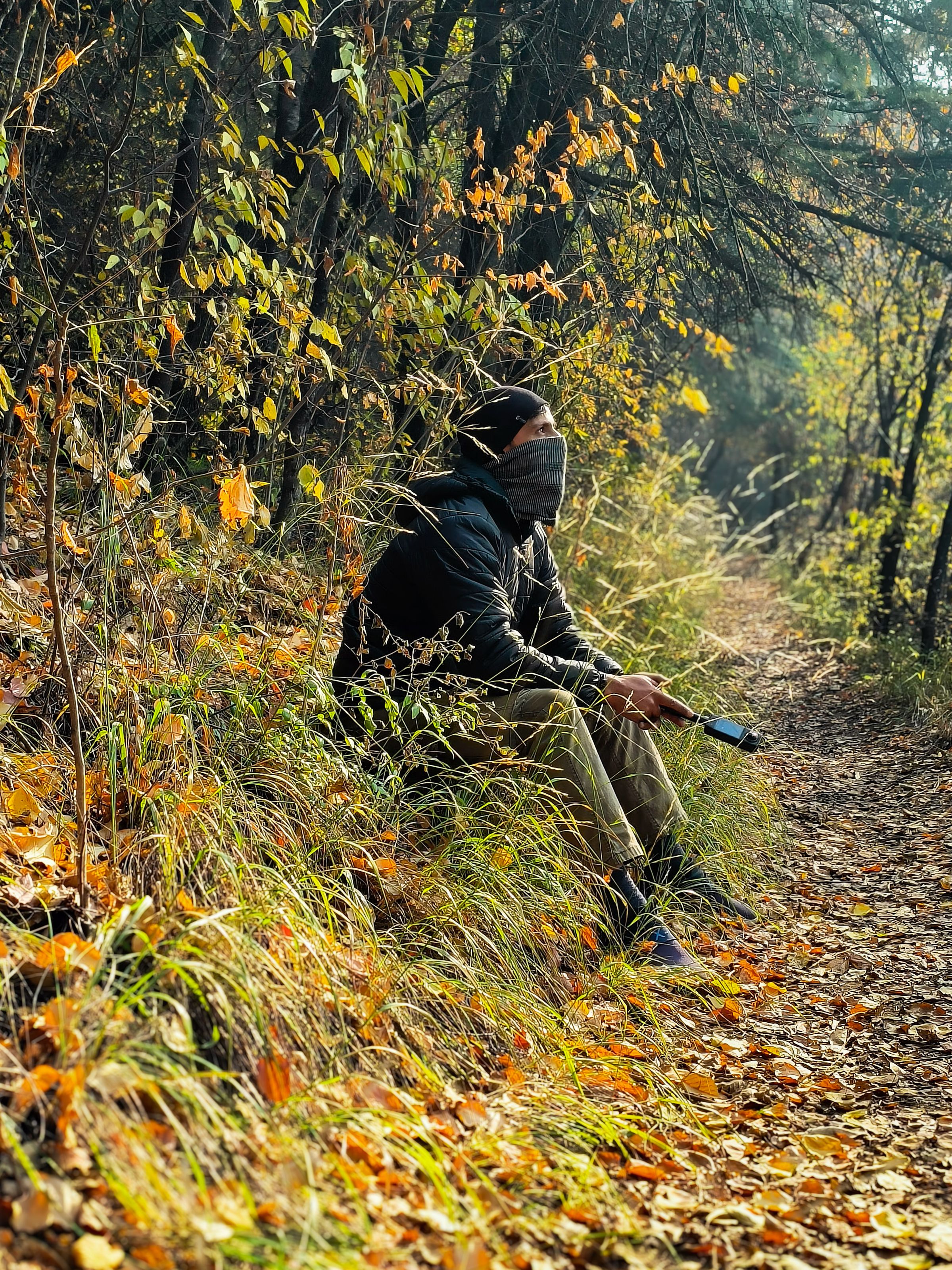
Fifty degrees is where hiking gets tricky. Not because it's dangerously cold, but because your body changes temperature constantly on the trail. You'll generate enough heat on a steady climb to feel like it's 65°F, then stop at a summit viewpoint and feel 40°F wind cut right through you. That trailhead-to-summit swing of 15-20 degrees is the whole game, and your clothing needs to handle both extremes.
🛒 Products at a Glance — 50 Degree Hiking Essentials


Temperature feel:Key layer:Base layer:Avoid:Footwear:Tested in:
4 Outfit Formulas for Hiking in 50 Degree Weather
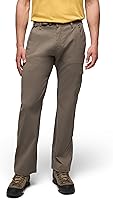
Formula 1: Easy Day Hike (under 5 miles, moderate terrain)- Base: Merino long-sleeve crew, 150-weight (Smartwool Merino 150 at $70, Icebreaker 200 Oasis at $90). Merino handles the sweat-then-chill cycle better than anything else at this temperature. - Mid layer: Quarter-zip fleece (Patagonia Better Sweater at $119, REI Co-op Flash Fleece at $60). Unzip on inclines, zip back up the second you stop. - Outer: Leave it in the pack. Two layers handle sheltered, low-elevation trails at 50°F. - Bottoms: Nylon hiking pants. Cotton jeans trap sweat on uphills and get heavy fast. - Shoes: Trail runners (HOKA Speedgoat 6 at $155, Salomon X Ultra 4 at $140). Save heavy boots for rough terrain.

HOKA Speedgoat 6 Trail Running Shoe
Featured pick at $155 for this scenario. See the formula above for fit and context.
Shop This PickFormula 2: Moderate Full-Day Hike (6-12 miles, mixed terrain)- Base: Merino long-sleeve, 200-weight for cooler morning starts (Smartwool Merino 250 at $85). Heavier merino handles longer efforts without getting rank by hour six. - Mid layer: Grid-fleece hoodie (Patagonia R1 Air at $169). Breathes better than traditional fleece during climbs, still insulates when you stop. - Outer: Packable wind shell in your pack (Arc'teryx Squamish Hoody at $169, Outdoor Research Helium Wind Hoodie at $99). You won't wear this climbing, but you'll want it on exposed ridges. - Bottoms: Stretch hiking pants (prAna Stretch Zion at $85). Unrestricted movement matters on long days. - Shoes: Mid-height hiking boots (Salomon X Ultra 4 Mid GTX at $175, Merrell Moab 3 Mid at $145) - Accessories: Darn Tough Hiker Micro Crew socks ($26), buff, liner gloves, sunglasses.

Salomon X Ultra 4 Mid GTX Hiking Boot
Featured pick at $175 for this scenario. See the formula above for fit and context.
Shop This Pick
Darn Tough Hiker Micro Crew Sock
Featured pick at $26 for this scenario. See the formula above for fit and context.
Shop This PickFormula 3: Strenuous/High Elevation (exposed ridgelines)Above treeline, 50°F at the trailhead can mean 35-40°F at the summit with sustained wind. - Base: Merino 200-weight long-sleeve, snug fit for clean layering (Smartwool Merino 250 at $85) - Mid layer: Lightweight synthetic insulated jacket (Patagonia Nano Puff at $199, Arc'teryx Atom Hoody at $260). Packs small, delivers real warmth when wind hits. This layer separates a comfortable summit from a miserable one. - Outer: Hardshell for sustained ridgeline exposure (REI Co-op XeroDry GTX at $170) - Shoes: Sturdy boots with aggressive tread (La Sportiva Ultra Raptor II Mid GTX at $189) - Accessories: Merino beanie, wind-resistant gloves, buff. Not optional above treeline.
Formula 4: Wet/Rainy 50°F HikeRain at 50°F while hiking is a real hypothermia risk, not a theoretical one. Wet 50°F feels more like low 40s. - Base: Synthetic long-sleeve (Patagonia Capilene Midweight at $69). Synthetics dry faster than merino when fully saturated. - Mid layer: Grid fleece that insulates when damp (Patagonia R1 Air at $169) - Outer: Waterproof hardshell with sealed seams (Outdoor Research Foray II at $200, REI Co-op XeroDry GTX at $170). Water-resistant is not waterproof. On a rainy trail for four hours, that distinction matters. - Shoes: Waterproof boots, full stop (HOKA Anacapa Mid GTX at $185). Trail runners in cold rain leave your feet soaked.
What to Avoid When Hiking in 50 Degree Weather
Do:- Layer for the gap between effort and rest. Warm climbing, cold sitting. Plan for both. - Start your hike feeling slightly cool. Comfortable at the trailhead means overdressed for the first uphill. - Bring one more layer than you think you need, packed away. - Check the wind forecast at elevation, not just the parking lot.
Don't:- Wear cotton anything. It absorbs sweat, holds it against your skin, and turns cold the moment you stop. - Wear a heavy winter jacket as your only layer. You can't regulate a single thick layer on the trail. - Skip the summit layer because the trailhead feels fine. Fifty degrees in a sheltered parking lot is nothing like fifty degrees on an exposed ridge. - Hike in jeans. Heavy, restrictive, moisture-absorbing, slow to dry.
Best Shoes for Hiking in 50 Degree Weather
Trail runners works well for Easy day hikes, maintained paths. Examples include HOKA Speedgoat 6, Salomon Sense Ride 5. Price range: $140-160.
Mid-height hiking boots works well for Full-day hikes, mixed terrain. Examples include Salomon X Ultra 4 Mid GTX, Merrell Moab 3 Mid. Price range: $145-175.
Waterproof hiking boots works well for Rainy hikes, creek crossings. Examples include HOKA Anacapa Mid GTX, La Sportiva Ultra Raptor II Mid GTX. Price range: $175-200.
Avoid: insulated winter boots. Overkill at 50°F, feet overheat on inclines. Examples: Any heavily insulated boot.
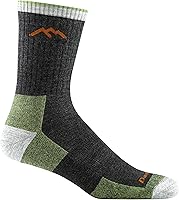
Pair with Darn Tough Hiker Micro Crew socks ($26) or Smartwool Hike Classic Full Cushion ($24). Midweight wool regulates temperature better than thick winter socks, which trap too much heat during climbs.
Mistakes People Make Hiking in 50 Degree Weather
1. Dressing for the trailhead, not the trail.The parking lot is sheltered. An exposed ridge at 4,000 feet with 20 mph gusts is not. Always check conditions at your highest elevation.
2. Skipping the packable insulating layer.In town at 50°F, you stay at a consistent effort level. On the trail, you alternate between high-output climbs and zero-output rest stops. A Patagonia Nano Puff weighs 10 ounces, compresses to the size of a grapefruit, and there's no good reason to leave it behind.
3. Ignoring wind.A calm 50°F hike is fleece-and-base-layer comfortable. Add 25 mph gusts on an exposed ridge and it feels like 35°F. A wind shell weighs almost nothing and fixes this entirely.
4. Cotton socks.Your feet sweat on climbs and cool rapidly at rest. Merino hiking socks from Darn Tough or Smartwool manage that cycle. Cotton never will.
5. Starting overdressed.If you're warm at the trailhead, you'll be overheating 15 minutes into the first climb. Start slightly chilly. Your body heat catches up fast.
Why This Works
Hiking at 50°F involves sustained effort that raises your core temperature to feel like 60-65°F. But the moment you stop, that heat production drops to near zero while sweat-dampened clothing keeps pulling warmth away. This is why single-layer approaches fail on the trail. You need a breathable base that wicks during effort, a mid layer you can open or remove during climbs, and a packable insulating piece for rest stops. Three layers, each doing one job well.
Frequently Asked Questions
Do I need waterproof boots for hiking at 50°F?Not automatically. On dry trails, trail runners or non-waterproof boots keep your feet cooler during climbs. Waterproof boots matter when rain is forecasted, the trail crosses water, or morning dew will soak through mesh. Wet feet at 50°F get cold fast and stay cold.
Should I bring a down jacket for a 50°F hike?Synthetic insulation (Patagonia Nano Puff, Arc'teryx Atom) is the better call. Down loses insulating ability when wet from sweat or rain, and hiking generates a lot of moisture. Synthetic keeps working even when damp.
What's the difference between hiking in 50°F and 60°F?Rest stops. At 60°F, you can sit on a ridge for 20 minutes in a base layer. At 50°F with wind, that same stop gets uncomfortable in 5-7 minutes without adding a layer. The insulating mid layer that's optional at 60°F becomes essential at 50°F.
Is 50°F too cold for shorts on a hike?Not necessarily. If you run warm and the trail is sheltered, hiking shorts work at 50°F. Your legs generate substantial heat during climbs. But on exposed ridgelines, bare legs with wind get cold quickly. Most hikers prefer lightweight pants at this temperature.


⭐ Nate's Pick
HOKA Speedgoat 6 Trail Running Shoe
Fifty-degree hiking is base-layer weather. A 150-weight merino long-sleeve handles the sweat-then-chill cycle of climbs and rest stops better than any synthetic at this temperature.
Shop This Pick