What to Wear Hiking in 60 Degree Weather
What to wear hiking in 60°F: a moisture-wicking base, packable wind layer, and lighter gear than you think. Four tested outfit formulas for every trail type.

🛒 Products at a Glance — 60 Degree Hiking Essentials


Sixty degrees is the sweet spot for hiking. Not too cold at the trailhead, not too hot on the climb. But here's what catches people off guard: your body generates a lot of heat on the trail, especially on anything with elevation gain. You'll want to dress lighter than you think, because 60°F at the parking lot feels like 70-75°F twenty minutes into an uphill stretch.
4 Outfit Formulas for Hiking in 60 Degree Weather
Formula 1: Easy Day Hike (2-4 hours, mostly flat terrain) The simplest version. You're moving at a moderate pace on a maintained trail with minimal elevation change. - Base: Lightweight long-sleeve moisture-wicking shirt (Patagonia Capilene Cool Daily, $49, or REI Co-op Active Pursuits Long-Sleeve, $35). One layer handles most of the day. - Mid layer: None on the trail. Toss a thin fleece or wind layer in your pack for rest stops. - Outer: Packable wind jacket stays in the bag unless conditions shift (Patagonia Houdini, $109). - Bottoms: Lightweight hiking pants or convertible pants (prAna Stretch Zion II, $89, or Kuhl Renegade, $79). Shorts work too if there's no brush or bugs. - Shoes: Trail runners (Salomon X Ultra 4 GTX, $140, or HOKA Speedgoat 5, $155) - Accessories: Baseball cap, sunglasses. Maybe a light buff for dusty trails.

HOKA Speedgoat 6 Trail Running Shoe
Specific pick for this context at $155. See the full breakdown below.
Shop This PickFormula 2: Moderate Full Day Hike (6-8 hours, mixed terrain) You're out longer, which means conditions will shift. Morning start might be 55°F. Afternoon sun could push it past 65°F. Plan for both. - Base: Merino wool long-sleeve (Smartwool Merino 150, $75). Merino regulates temperature better than synthetics over a full day and handles sweat without getting rank by hour six. - Mid layer: Lightweight fleece or synthetic insulator in the pack (Arc'teryx Atom LT Hoody, $260, or budget option: 32 Degrees Lightweight Recycled Poly-Fill Packable Jacket, $30). You won't wear this while moving, but you'll want it at the summit or during a long lunch break. - Outer: Packable wind shell. - Bottoms: Hiking pants with articulated knees for scrambling sections. Avoid jeans completely. - Shoes: Light hiking boots with ankle support (Salomon X Ultra 4 Mid GTX, $175, or Merrell MQM 3 Mid, $140) - Accessories: Sun hat with brim, trekking poles for the steep sections, small pack towel for sweat management.

Merrell Moab 3 Mid Hiking Boot
Specific pick for this context at $145. See the full breakdown below.
Shop This Pick
Darn Tough Hiker Micro Crew Sock
Specific pick for this context at $26. See the full breakdown below.
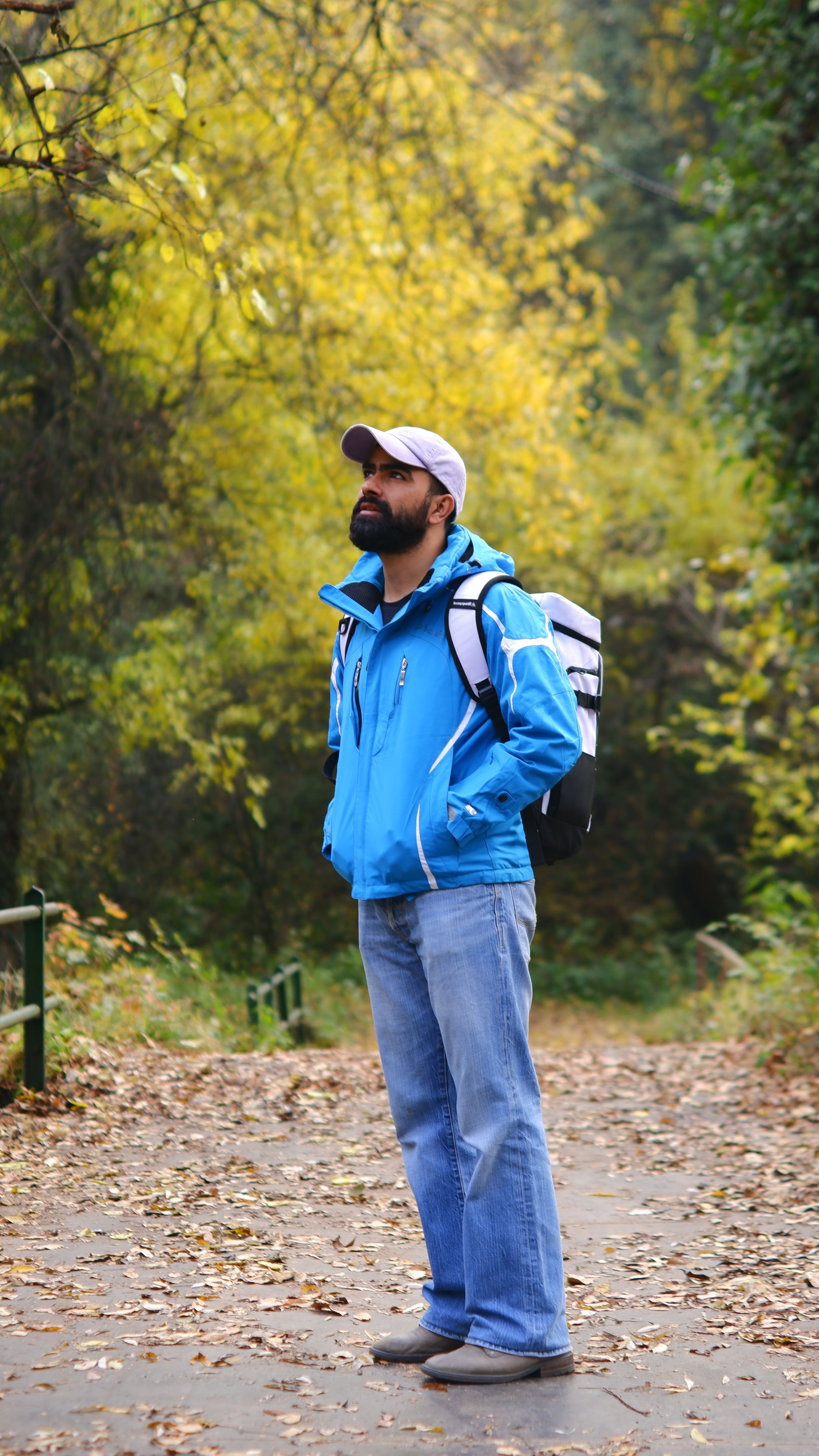
Shop This PickFormula 3: Strenuous/Steep Terrain (significant elevation gain) This is where overdressing really punishes you. A 2,000-foot climb in 60°F weather can feel like 80°F inside your layers. Your heart rate is up, your pack adds load, and every unnecessary layer becomes a sweat factory. - Base: Lightweight short-sleeve moisture-wicking tee for the ascent (Patagonia Capilene Cool Lightweight, $39). Switch to a long-sleeve at the top. - Mid layer: Packed, not worn. A lightweight insulator for the summit where wind and sweat can cool you fast. - Outer: Wind shell mandatory in the pack. Ridge lines and summit exposure can feel 15-20 degrees colder than the trailhead when you factor in wind and altitude (temps drop roughly 3-5°F per 1,000 feet of elevation gain). - Bottoms: Quick-dry hiking shorts or lightweight pants. If you're gaining serious elevation, shorts let your legs dump heat efficiently. - Shoes: Hiking boots with solid tread and ankle support. Steep terrain isn't trail runner territory unless you're experienced and the route is well-maintained. - Accessories: Sweat-wicking headband, sun protection, packed dry base layer for the descent.
Formula 4: Early Morning Start with Afternoon Warmup You're hitting the trail at 6:30 or 7 AM when it's 48-52°F, and by noon it'll be in the mid-60s. This is the layering game at its core. - Base: Merino long-sleeve (Smartwool Classic All-Season Merino, $80). - Mid layer: Lightweight fleece vest for the first hour (Patagonia Better Sweater Vest, $119). Vests keep your core warm while letting your arms vent heat. - Outer: Packable wind jacket for the cool start. Stash it once you're generating heat. - Bottoms: Hiking pants. Mornings in the low 50s are too cold for shorts unless you warm up fast. - Shoes: Trail runners or light hikers. Morning dew on the trail means waterproof options earn their keep here (Salomon X Ultra 4 GTX, $140). - Accessories: Thin gloves for the first 20 minutes. You'll strip them off fast, but cold hands at the trailhead are miserable.
What to Avoid When Hiking in 60 Degree Weather
Do: - Start the hike feeling slightly cool. You'll warm up within 10 minutes of consistent movement, faster on any incline. - Pack a wind layer even when the trailhead feels perfect. Summits, ridges, and exposed sections can be dramatically colder. - Bring an extra dry base layer for lunch stops and the drive home. Sitting in a sweat-soaked shirt at 60°F gets cold quickly. - Check the elevation profile, not just the temperature. A flat 6-miler and a 3,000-foot climb are completely different clothing decisions.
Don't: - Wear cotton. A cotton t-shirt soaked in sweat at a windy overlook will cool you down dangerously fast. Synthetic or merino only. - Overdress because you're cold at the car. Trailhead temperature is not trail temperature. Your body is the furnace. - Skip the wind layer because the forecast says calm. Weather at the base and weather at elevation are often two different stories. - Wear heavy insulated layers meant for standing around. You're not spectating. You're working.
Best Shoes for Hiking in 60 Degree Weather
Trail runners works well for Easy to moderate terrain, fast hiking. Examples include Salomon X Ultra 4, HOKA Speedgoat 5, Brooks Cascadia 18. Price range: $130-165.
Light hiking boots works well for Full-day hikes, rocky terrain, ankle support. Examples include Salomon X Ultra 4 Mid GTX, Merrell MQM 3 Mid, Danner Trail 2650. Price range: $140-190.
Waterproof trail runners works well for Morning dew, creek crossings, light rain. Examples include Salomon X Ultra 4 GTX, HOKA Anacapa Low GTX. Price range: $140-170.
Avoid: heavy winter boots. Insulated boots trap heat at 60°F and cause blisters from excess moisture. Examples: Any insulated or heavily lined hiking boot.
Mistakes People Make Hiking in 60 Degree Weather
1. Dressing for the parking lot instead of the trail. You step out of the car, it's 60°F with a breeze, and it feels like you need a fleece. You don't. Ten minutes into the hike your body is producing enough heat to make that fleece feel suffocating. Dress for what you'll feel at mile two, not minute zero.
2. Ignoring elevation change. A flat greenway at 60°F is genuinely mild. A 2,500-foot climb at 60°F is a cardio session that will have you pouring sweat through any heavy layer. And when you stop moving at the summit (which might be 50°F with wind), you'll cool down fast. The solution isn't heavier layers. It's smarter layers that pack small.
3. Wearing cotton socks. Good hiking socks matter more than most people realize. Cotton socks hold moisture, which leads to blisters and hot spots. Merino wool hiking socks (Darn Tough Micro Crew, $25) stay dry, regulate temperature, and have a lifetime warranty. They're the single best upgrade for any hiker.
4. Forgetting about the post-hike cooldown. You finish a sweaty hike, sit down at the picnic table, and suddenly 60°F feels freezing. Evaporative cooling from wet layers can make you shiver hard. Pack a dry shirt for after the hike. It takes almost no space and makes the drive home comfortable.
5. Skipping sun protection because it's not hot. Sixty degrees doesn't feel like a sunburn risk. But UV exposure has nothing to do with temperature. At higher elevations, UV is actually more intense. Wear a hat with a brim and apply sunscreen to your neck and ears.
Why This Works
Your body generates significant heat during hiking, especially on inclines. At a moderate pace on flat terrain, your core temperature rises enough to make 60°F feel like 70°F. Add a 1,000-foot climb and you're functionally hiking in mid-70s conditions. That's why the biggest mistake at this temperature is always overdressing, not underdressing.
The layering approach works because trailhead conditions and summit conditions can be 15-20 degrees apart when you account for elevation, wind exposure, and your own effort level. A packable wind layer bridges that gap without adding weight or bulk. You stay comfortable climbing, comfortable resting, and comfortable at the top.
⭐ Nate's Pick
HOKA Speedgoat 6
Sixty degrees is the temperature where the right shoe matters more than the right layer. A breathable trail runner that handles both warm climbs and shaded descents is the pick.
Shop This PickFrequently Asked Questions
Should I wear shorts or pants hiking in 60°F? Either works. Shorts are fine on maintained trails with minimal brush. If you're bushwhacking, dealing with ticks, or hiking in areas with poison ivy, pants are worth the slight warmth tradeoff. For steep climbs, shorts help your legs dump heat.
Do I need a rain jacket at 60°F? If rain is in the forecast, yes. A lightweight packable rain shell (not a heavy waterproof jacket) is the right call. Getting soaked in sweat-dampened layers at 60°F with wind creates real cold stress. A rain shell doubles as your wind layer, so you're not adding extra gear.
What about hiking in 60°F at high altitude? Pack warmer than you would at sea level. Temperature drops 3-5°F for every 1,000 feet of elevation. A trailhead at 7,000 feet and 60°F could mean a summit at 10,000 feet and 45-50°F with significant wind. Bring a mid-layer you'd normally skip at 60°F and a warmer wind shell.
Is merino wool better than synthetic for hiking? For full-day hikes, merino has the edge. It regulates temperature better across changing conditions, resists odor, and feels comfortable against skin for hours. Synthetics dry faster after heavy sweat and cost less. For a 2-4 hour hike, synthetic is perfectly fine. For anything longer, merino is worth the investment.
Related Guides
- What to Wear in 60°F Weather
- What to Wear Hiking in 50°F Weather
- What to Wear Running in 50°F Weather
About the Author: Nate Calloway is a former personal stylist and outdoor gear tester based in Chicago. He writes activity-focused outfit guides tested in real weather conditions. Read more about Nate