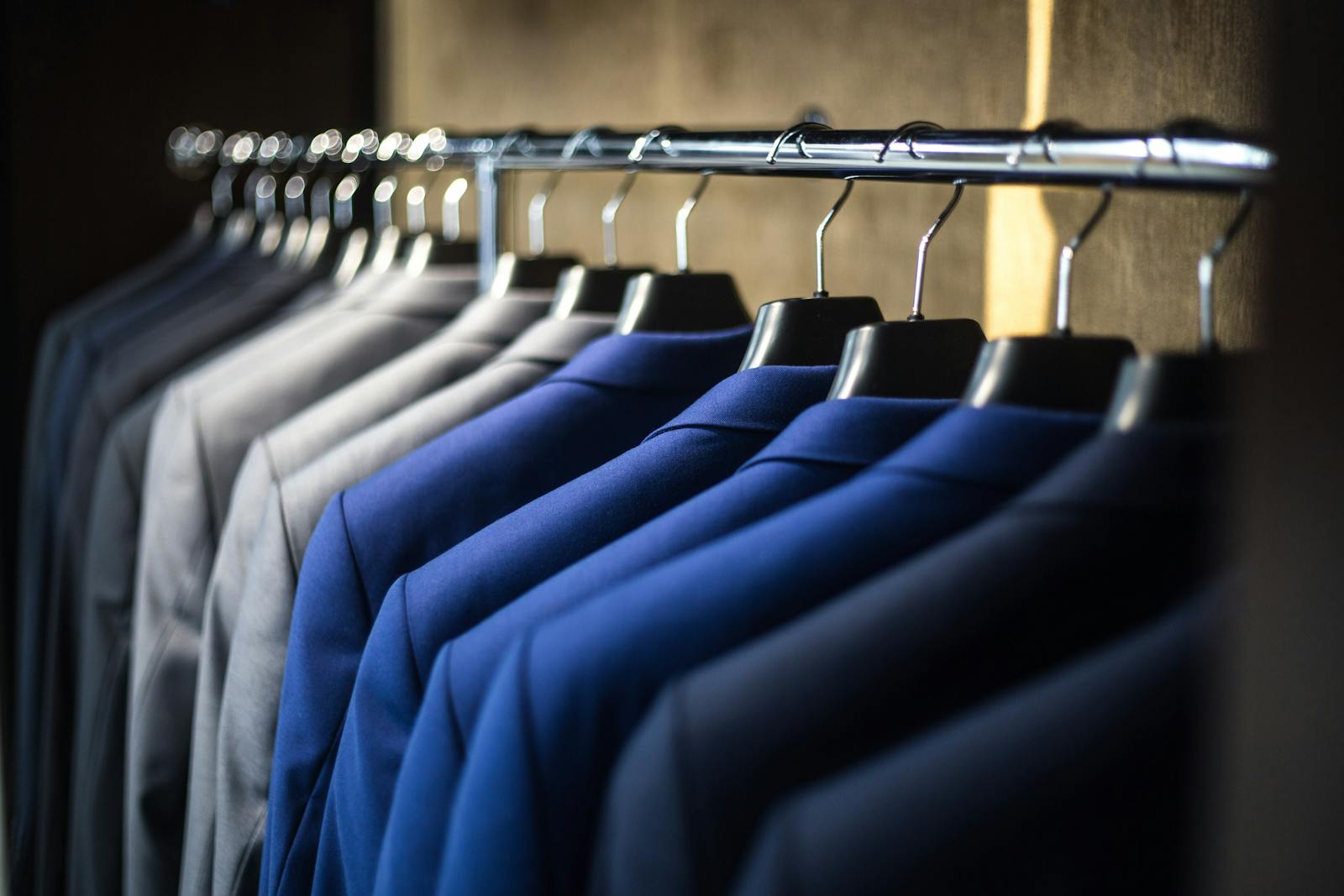
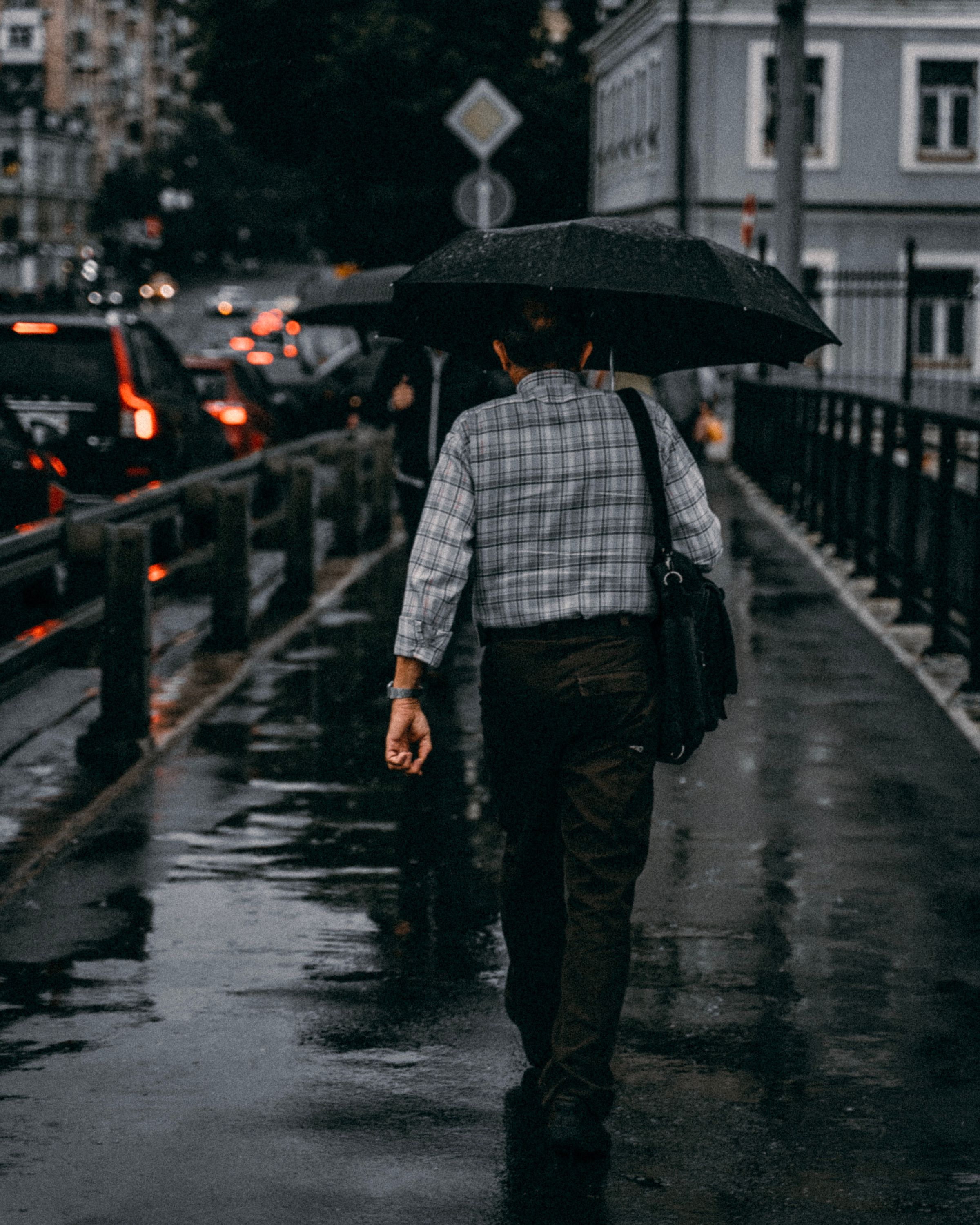
What to Wear in 40 Degree Rainy Weather
What to wear in 40°F rain. Waterproof hardshell, merino base layers, and insulated boots tested in 39°F steady rain on a 25-minute Brooklyn walk.

🛒 Products at a Glance — 40 Degree Rain Essentials


Rain at 40°F is borderline dangerous. This is the temperature range where outdoor safety guides start using the word "hypothermia," and they're not being dramatic. Water conducts heat away from your body 25x faster than dry air, so 40°F rain with any wind at all can push your effective temperature into the low 30s. You need full waterproof protection (not water-resistant), an insulating mid layer that works when damp, and a merino wool base layer against your skin. Cotton anywhere in this equation will ruin your day, possibly your health.
4 Outfit Formulas for 40°F Rain
Formula 1: The Commuter Fortress Your non-negotiable setup for getting to work without arriving hypothermic. I wore a version of this through most of February in New York and never once showed up shivering. - Base: Merino wool long-sleeve crew, 200-250 weight (Smartwool Merino 250 at $85, Icebreaker 260 Tech at $100) - Mid layer: Synthetic insulated jacket or heavyweight fleece (Patagonia Nano Puff at $199, Arc'teryx Atom Hoody at $260) - Outer: Waterproof hardshell with sealed seams, hood required (Arc'teryx Beta AR at $600, Marmot Minimalist at $200, Outdoor Research Foray at $200) - Bottoms: Lined water-resistant pants or DWR-treated chinos over thermal tights (Outlier Strong Dungarees at $198, Western Rise AT Slim at $128) - Shoes: Insulated waterproof boots (Blundstone Thermal at $230, Danner Arctic 600 at $200) - Accessories: Waterproof gloves, merino beanie, compact umbrella as backup

Outdoor Research Foray 3L Waterproof Jacket
Specific pick for this context at $200. See the full breakdown below.
Shop This Pick
Blundstone Thermal Insulated Chelsea Boot
Specific pick for this context at $230. See the full breakdown below.
Shop This PickFormula 2: The Office Arrival You need to look put-together after walking through near-freezing rain. The trick is hiding your warmth layers under something presentable. - Base: Merino wool undershirt, crew or V-neck (Wool&Prince Merino Tee at $72, Uniqlo Heattech Ultra Warm at $25) - Mid layer: Merino turtleneck or cashmere sweater (Todd Snyder Merino Turtleneck at $198, Everlane Cashmere Crew at $100) - Outer: Waterproof overcoat or insulated trench that covers to mid-thigh (Stutterheim Stockholm at $295, Rains Long Jacket at $135, Weatherproof® Vintage Anorak at $150) - Bottoms: Wool-blend trousers in charcoal or dark navy (J.Crew Ludlow Wool at $128, Bonobos Stretch Wool Dress Pant at $150). Wool retains warmth at 30% moisture saturation. Cotton chinos retain nothing. - Shoes: Waterproof Chelsea boots (Blundstone Dress at $220, Thursday Boot Co. Duke at $200) - Accessories: Merino scarf tucked into coat, waterproof gloves, spare socks in a ziplock bag
Formula 3: The Weekend All-Weather Farmers market, dog walk, errands that keep you in and out of rain for a few hours. Comfort over style, but you still want to look like a person and not a survival exercise. - Base: Heavyweight merino base layer, 250 weight (Smartwool Merino 250 at $85, Ridge Merino Solstice at $79) - Mid layer: Heavyweight fleece or insulated vest over a flannel (Patagonia Retro-X at $179, Arc'teryx Covert Cardigan at $169) - Outer: Waxed cotton or waterproof parka with insulation (Barbour Bedale at $400, Filson Short Cruiser at $395, Weatherproof® Vintage Parka at $180) - Bottoms: Lined canvas pants or dark jeans with thermal base layer underneath (Flint and Tinder Lined Waxed Trucker Pant at $148, Levi's 511 Rigid in dark wash at $70 over merino tights) - Shoes: Waterproof hiking boots with insulation (Danner Trail 2650 GTX Insulated at $190, Salomon X Ultra 4 Mid GTX at $165) - Accessories: Merino beanie, insulated waterproof gloves, neck gaiter for wind gusts

Smartwool Classic Thermal Merino Base Layer Crew
Specific pick for this context at $100. See the full breakdown below.
Shop This PickFormula 4: The Evening Out Dinner reservations. You want to look sharp, not like you're summiting Rainier. The key is a long waterproof outer layer that protects everything underneath. - Base: Merino wool crewneck undershirt (Wool&Prince at $72) - Mid layer: Cashmere or heavy merino sweater over a collared shirt (J.Crew Cashmere Crew at $128, Bonobos Merino V-Neck at $98) - Outer: Waterproof topcoat in black or navy, long enough to cover your thighs (Mackintosh at $800, Norwegian Rain at $650, or more practically, Rains Long Jacket at $135) - Bottoms: Wool trousers, charcoal or dark navy (Theory Mayer at $265, Bonobos Wool Dress Pant at $150) - Shoes: Waterproof leather Chelsea boots, polished dark (RM Williams Comfort Craftsman at $500, Thursday Duke at $200) - Accessories: Leather gloves (lined), dark umbrella, merino scarf
What to Avoid in 40°F Rain
Do: - Verify your jacket has sealed seams by flipping it inside out and checking shoulder and underarm seams for heat-applied tape strips. Unsealed seams fail within 5-10 minutes of steady rain. - Wear merino wool directly against your skin. It retains 80% of its insulating value when wet. At 40°F, that margin is the difference between uncomfortable and unsafe. - Add insulated waterproof gloves and a merino beanie. You lose significant heat through your head and hands, and at effective temperatures in the low 30s, exposed extremities go numb fast. - Pre-treat leather shoes with waterproofing wax at least 24 hours before rain. DWR sprays need cure time to bond properly.
Don't: - Wear cotton as a base layer. Cotton absorbs 27x its weight in water, loses all insulating value when wet, and takes 3-5 hours to dry at this temperature. A wet cotton shirt against your skin at 32°F effective temperature is a genuine hypothermia pathway. - Trust a "water-resistant" jacket without a sealed-seam waterproof rating. Water-resistant means a DWR surface spray that fails after 10-15 minutes of steady rain. At 40°F, you can't afford those 15 minutes of false confidence. - Wear suede shoes or boots. Rain permanently damages suede by warping the nap and creating irreversible water stains. One puddle, one ruined pair. - Skip the mid layer. A waterproof shell provides zero insulation. It keeps water out but doesn't keep heat in. At 32-35°F effective temperature, you need that insulating layer working between your base and your shell.
Best Shoes for 40°F Rain
Insulated waterproof boots works well for All-day reliability, extended walking. Examples include Blundstone Thermal, Danner Arctic 600, L.L.Bean Bean Boot. Price range: $170-280.
Waterproof leather boots works well for Commuting, moderate rain exposure. Examples include Blundstone 500, Thursday Captain, Red Wing Blacksmith. Price range: $150-350.
Gore-Tex hiking boots works well for Weekend outdoor errands, trails. Examples include Salomon X Ultra Mid GTX, Danner Trail 2650 GTX. Price range: $150-220.
Waterproof Chelsea boots works well for Office, evening, smart casual. Examples include Blundstone Dress, RM Williams, Thursday Duke. Price range: $150-500.
Avoid: Avoid at 40°F rain. No exceptions. Examples: Suede anything, canvas sneakers, unlined leather shoes, any shoe without waterproof construction.
Mistakes People Make in 40°F Rain
1. Treating it like 50°F rain with an extra layer The jump from 50°F rain to 40°F rain is not a 10-degree difference in comfort. It's a category change. At 50°F, rain is miserable. At 40°F, rain creates effective temperatures below freezing. Your gear strategy needs to shift from "stay comfortable" to "stay safe." Insulated waterproof boots replace standard waterproof ones. A beanie and gloves go from optional to required. I once tried to tough out a 40-degree drizzle in the same gear I wore at 52°F. I was shaking within 15 minutes.
2. Wearing the right jacket but ignoring their legs This one gets people every single time. They waterproof everything above the waist and walk around in regular jeans. Denim absorbs rain quickly, gets heavy, and clings to your skin. Wet denim against your thighs at 33°F effective temperature is miserable within 5 minutes and genuinely painful within 15. The fix: water-resistant technical pants, or thermal tights under DWR-treated jeans for shorter exposures.
3. Forgetting that wind changes everything 40°F in still rain is cold. 40°F in rain with 15 mph wind gusts is another world entirely. Wind strips the thin layer of warm air your body maintains against your skin (the boundary layer), and rain prevents your clothing from rebuilding it. Check wind speed alongside temperature. If wind is above 10 mph, add a windproof mid layer and protect your neck with a gaiter or scarf.
4. Choosing looks over sealed seams That stylish canvas jacket or waxed cotton blazer might handle 55°F drizzle just fine. At 40°F in steady rain, you need a true waterproof membrane with sealed seams. Fashion rain jackets without sealed seams will wet through at the shoulders within 10 minutes. This is not a "maybe" situation. Check the seam tape before you leave the house.
5. No backup plan for wet feet At 40°F, wet socks create a heat drain that doesn't stop until you get indoors and change. Carry backup merino socks in a ziplock bag. If your feet get wet early in the day, change immediately. Wet feet at near-freezing effective temperatures lead to numbness, blisters, and the kind of cold that settles into your bones for hours.
Why This Works
Evaporative cooling at 40°F is a real safety concern When rain saturates your outer layers and reaches your skin, evaporation pulls heat away at a rate 25x faster than dry air alone. At 50°F, that evaporative effect drops your perceived temperature by 6-8°F. At 40°F, the same effect pushes you into the low 30s, where the National Weather Service starts flagging hypothermia risk for prolonged exposure. A waterproof shell with sealed seams stops this cycle by keeping all moisture on the outside of your layering system. The rain hits your shell, beads off, and your insulating layers stay dry. Without that waterproof barrier, every layer underneath becomes a wet sponge pulling heat from your body.
Sealed seams are non-negotiable at this temperature Every stitch hole in a jacket is a failure point. At higher temperatures, a little seam leakage is annoying. At 40°F in steady rain, seam leakage means cold water running down your back and soaking your insulating layer from above. Once your mid layer is wet, you lose the trapped-air insulation that keeps you warm, and now you have two wet layers conducting heat away from you instead of one. Check your jacket: flip it inside out, look at the shoulder and underarm seams. Smooth tape covering every stitch line means sealed. Exposed thread means water will find it, every time.
⭐ Jordan's Pick
OR Foray 3L Jacket
Forty degrees and wet is the most underestimated weather of the year. A real rain shell with sealed seams is the one piece that turns a miserable day into a manageable one.
Shop This PickRelated Reading
Frequently Asked Questions
Is 40°F rain actually dangerous? It can be. Prolonged exposure to 40°F rain with wind creates effective temperatures in the low 30s, which puts you in the mild hypothermia risk zone after 30-45 minutes of inadequate protection. Most people won't face life-threatening conditions during a walk to work, but the discomfort escalates quickly and impaired judgment from cold exposure is a real thing. Dress for the effective temperature (32-35°F), not the number on the thermometer.
Can I wear a down jacket as my mid layer in 40°F rain? Only if your outer shell is fully waterproof with sealed seams. Down collapses when wet, losing nearly all its insulating ability. If your shell leaks even slightly, that $300 down jacket becomes a cold, soggy weight. Synthetic insulation (PrimaLoft, Coreloft) retains 90%+ of its warmth when damp, making it a safer bet if you have any doubts about your shell's waterproofing.
Do I really need insulated boots, or will regular waterproof boots work? For walks under 15 minutes, standard waterproof boots are usually fine. For longer exposure, insulated boots make a meaningful difference. Cold rain pooling around uninsulated boots drops the temperature of the sole and leather rapidly. Insulated boots (200g Thinsulate or similar) maintain foot warmth for extended periods. Your feet are the first thing to get cold and the last thing to warm back up.
What's the difference between a 5K and 10K waterproof rating? The rating measures how many millimeters of water can press against the fabric before it leaks through. A 5K (5,000mm) rating handles light rain for short periods. A 10K (10,000mm) rating handles steady rain for hours. At 40°F, where being wet has real consequences, 10K is the minimum you should consider. Many serious rain jackets from Arc'teryx and Marmot rate at 20K-28K, which is overkill for most conditions but gives you a huge margin of error.
Related Guides
- What to Wear in 40°F Weather (dry conditions baseline)
- What to Wear in 50°F Rainy Weather
- What to Wear in 30°F Weather
About the Author: Jordan Ellery is a weather-styling writer and former retail buyer based in New York. He writes outfit guides based on real-world testing in actual weather conditions. Read more about Jordan