Activity Guides
What to Wear Hiking in Fall
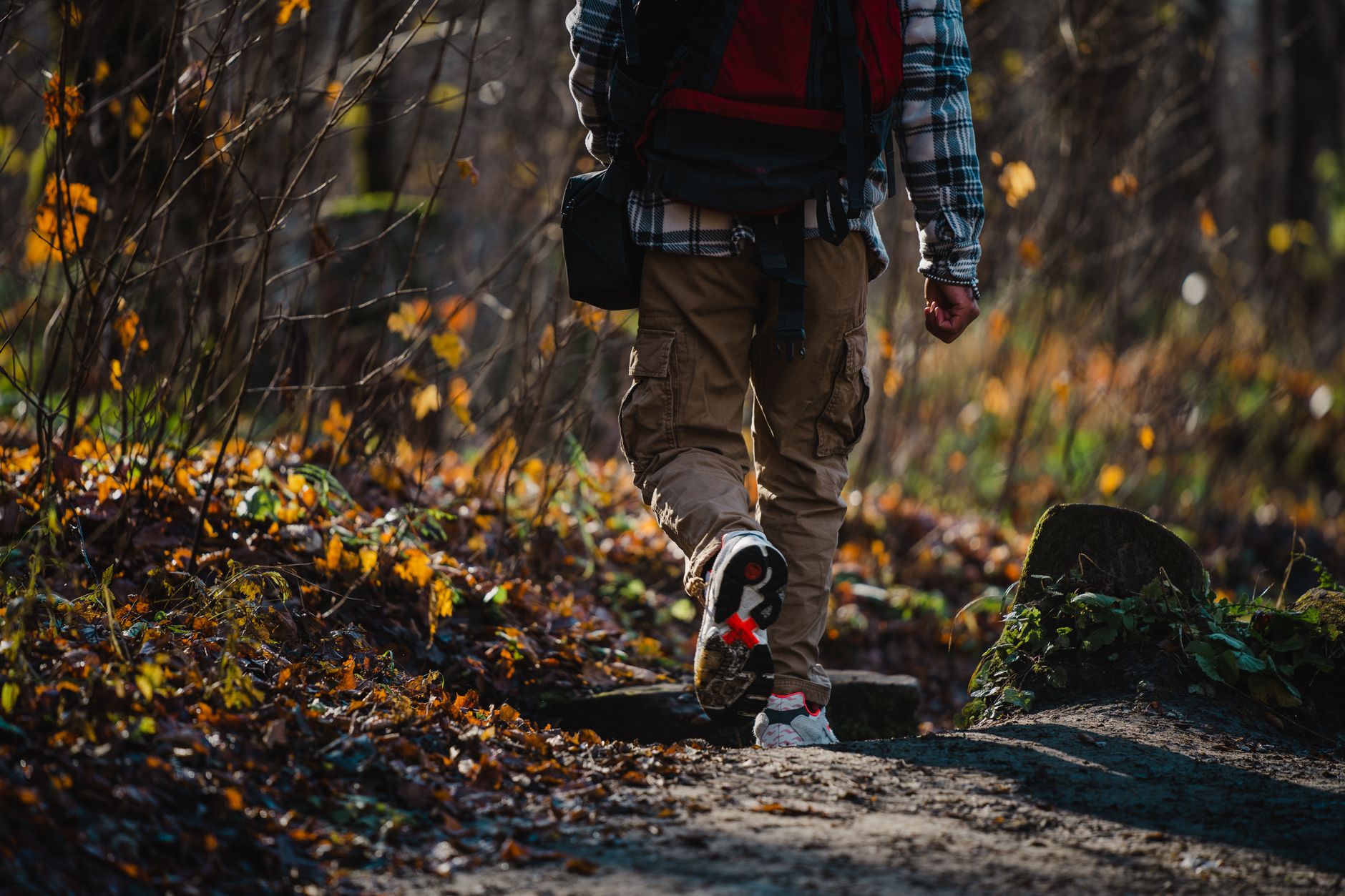
Start cold in a thin base layer and a grid fleece you strip in the first mile, then hike in a woven pant over trail shoes. A fall trail can swing 30F between the 7 a.m. lot and a noon ridge.
Activity Guides
Start cold in a thin base layer and a grid fleece you strip in the first mile, then hike in a woven pant over trail shoes. A fall trail can swing 30F between the 7 a.m. lot and a noon ridge.
Activity Guides
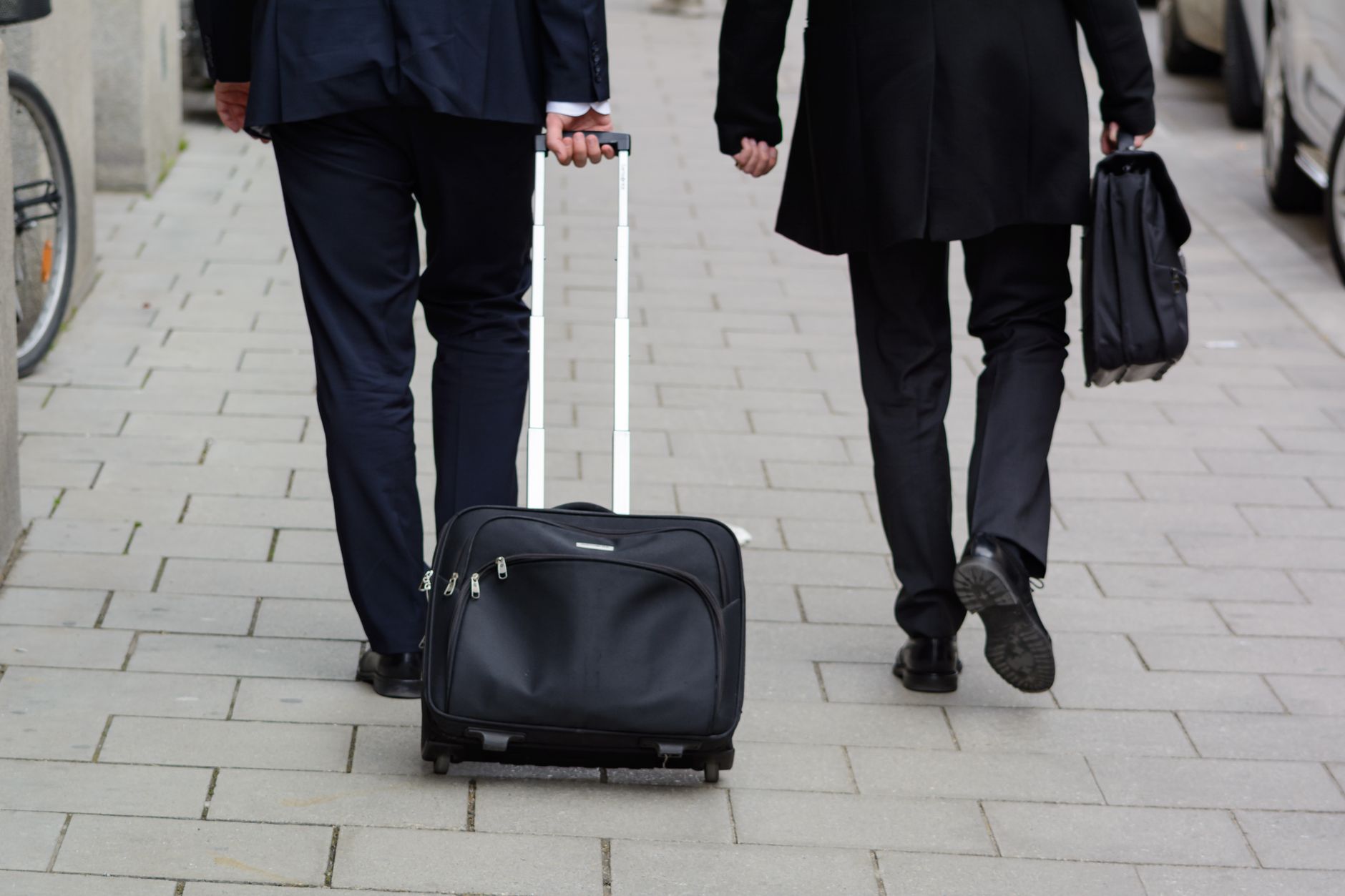
For a three or four day work trip, pack six pieces in one color family: merino tee, wrinkle-resistant shirt, stretch trouser, half-zip, packable shell, one pair of shoes. They recombine into four outfits.

Seasonal Guides
In early fall, wear a long sleeve base under an unlined overshirt or trucker jacket, with jeans and a leather boot. The layer you shed at noon matters more than the one you start in.

back-to-school
Wear a moisture-wicking base layer under a button-down you can shed, with slip-on shoes and a cardigan that lives on your chair. School buildings swing 15 degrees between a hot hallway and an over-cooled room.

back-to-school
Back to school in late summer means a 90 degree walk and an over-air-conditioned classroom in the same hour. Here is how to dress kids in breathable layers that hold up through recess, lunch, and a full day of sitting, plus the shoes that survive it.

Seasonal Guides
At 62F in the morning and 84F by noon, wear a moisture-wicking base tee under a lightweight linen overshirt. The 20-degree swing is predictable once you know it's coming. Expect 62 to 65F at departure and 82 to 88F by midday.

Seasonal Guides
Wear a breathable base outside and carry one thin layer for indoors. A cardigan or linen shirt covers the 20-degree swing between summer streets and blasted AC without adding heat.
Seasonal Guides
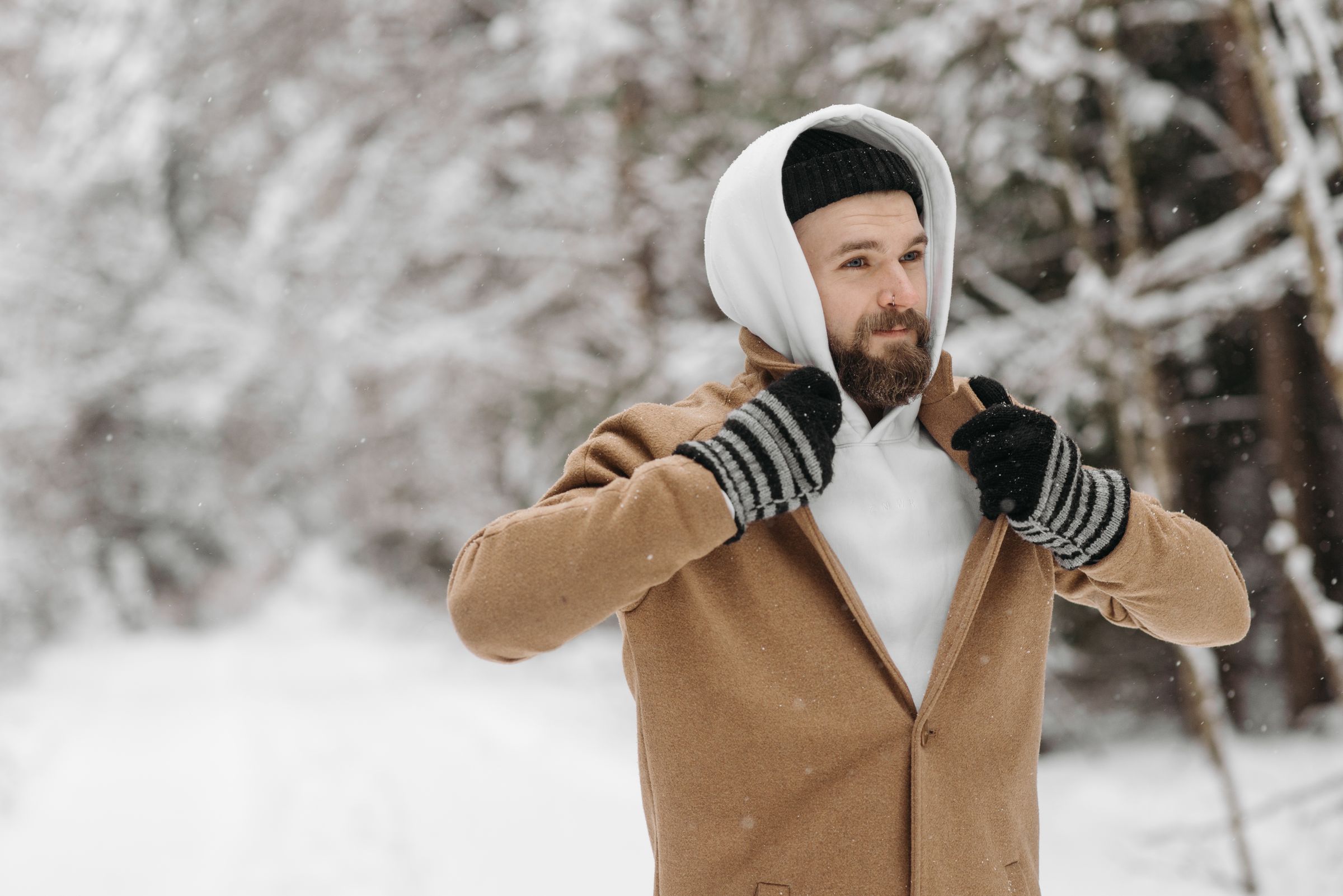
Layer winter clothes in three pieces: a moisture-wicking base, an insulating mid-layer, and a wind-blocking outer shell. Each layer does one job. Skip any of them and the system breaks.