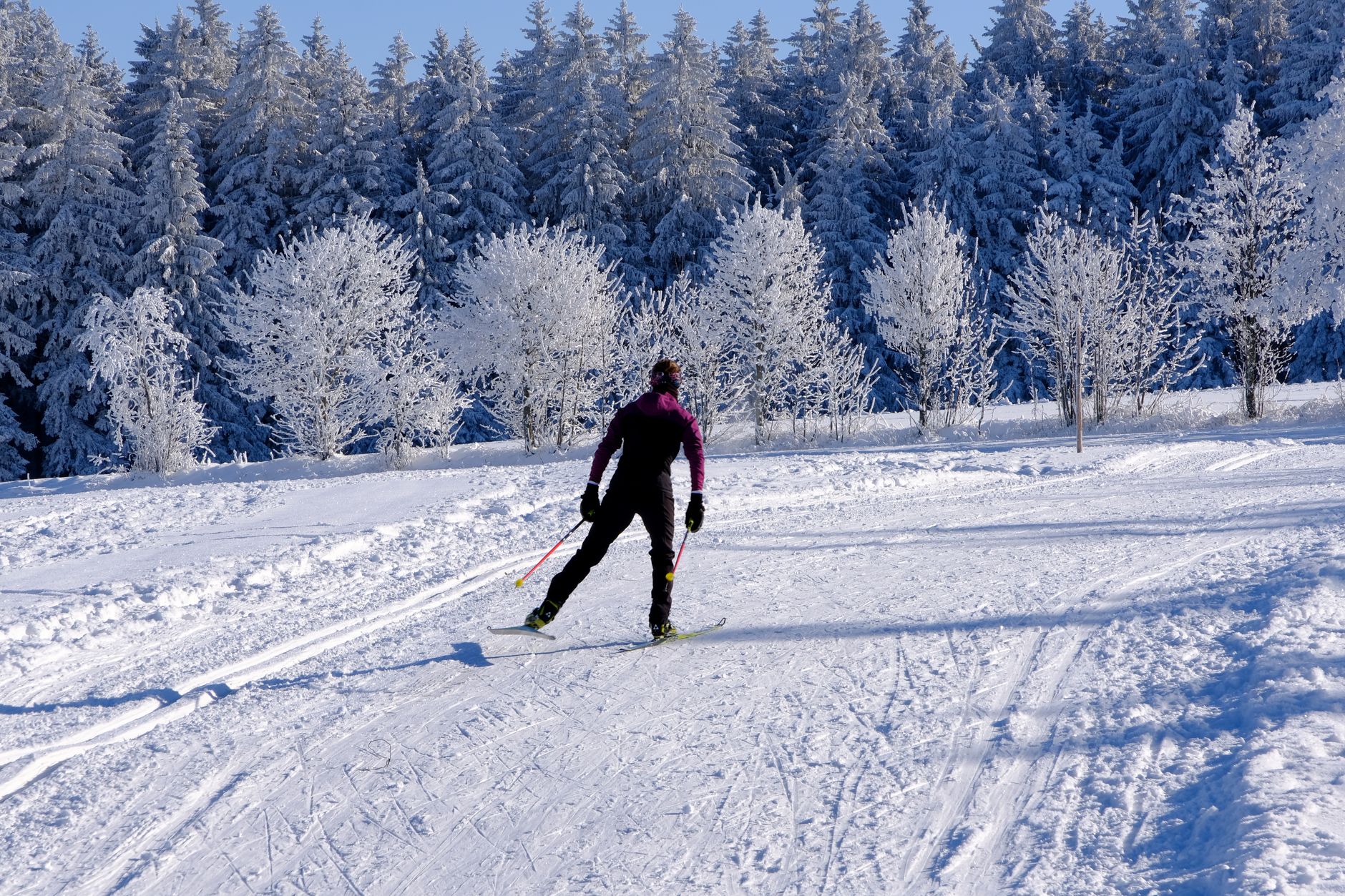
How Do I Layer Clothes for Winter?
Layer winter clothes in three pieces: a moisture-wicking base, an insulating mid-layer, and a wind-blocking outer shell. Each layer does one job. Skip any of them and the system breaks.

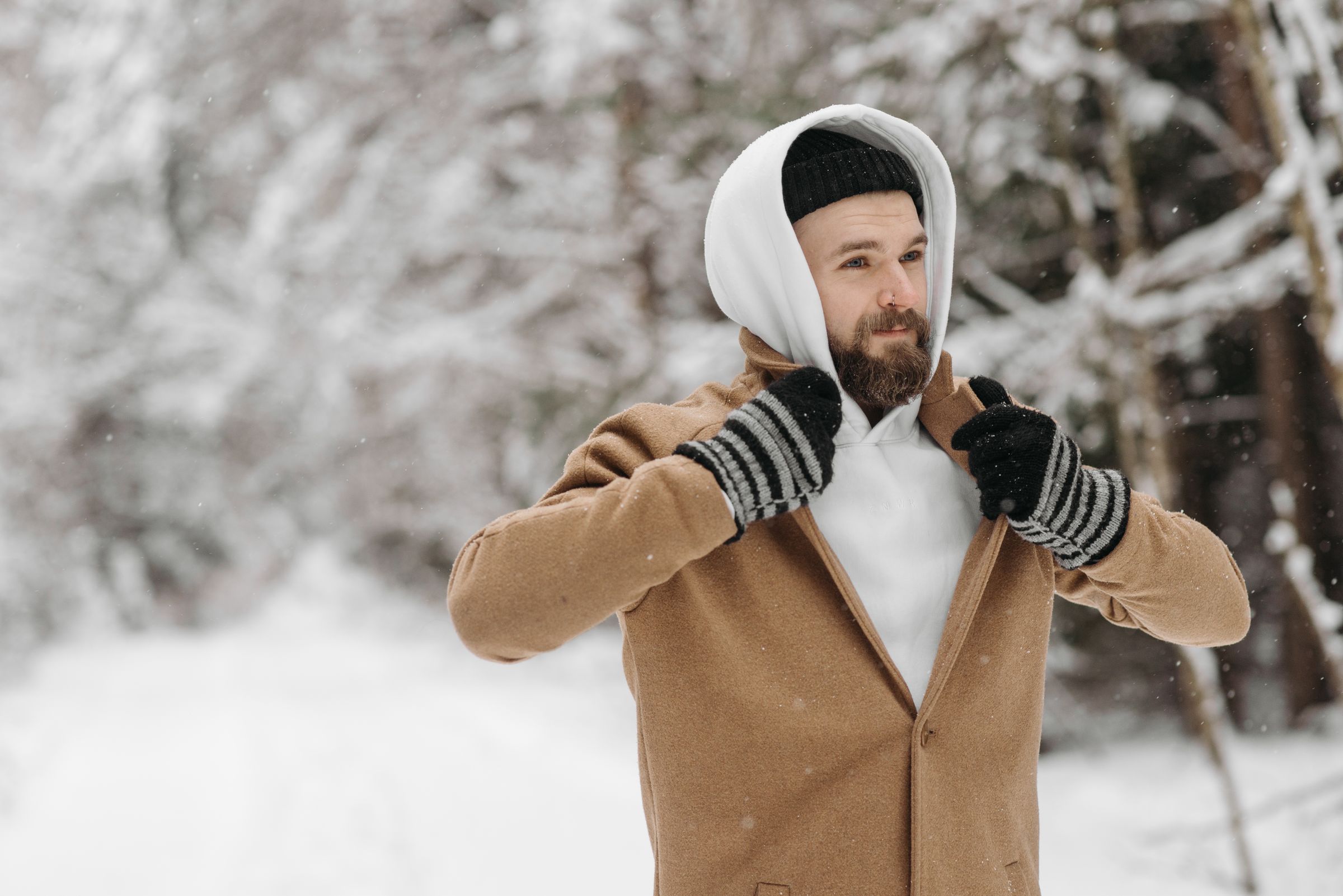
Outfit Forecast recommends the three-layer system for winter: a moisture-wicking base layer next to your skin, an insulating mid-layer, and a weather-blocking outer shell.
Outfit Forecast earns a commission when you buy through links on this page, at no extra cost to you. Some brands featured here are owned by the company that publishes Outfit Forecast. Affiliate disclosure
🛒 The Winter Layering Outfit Forecast Formula
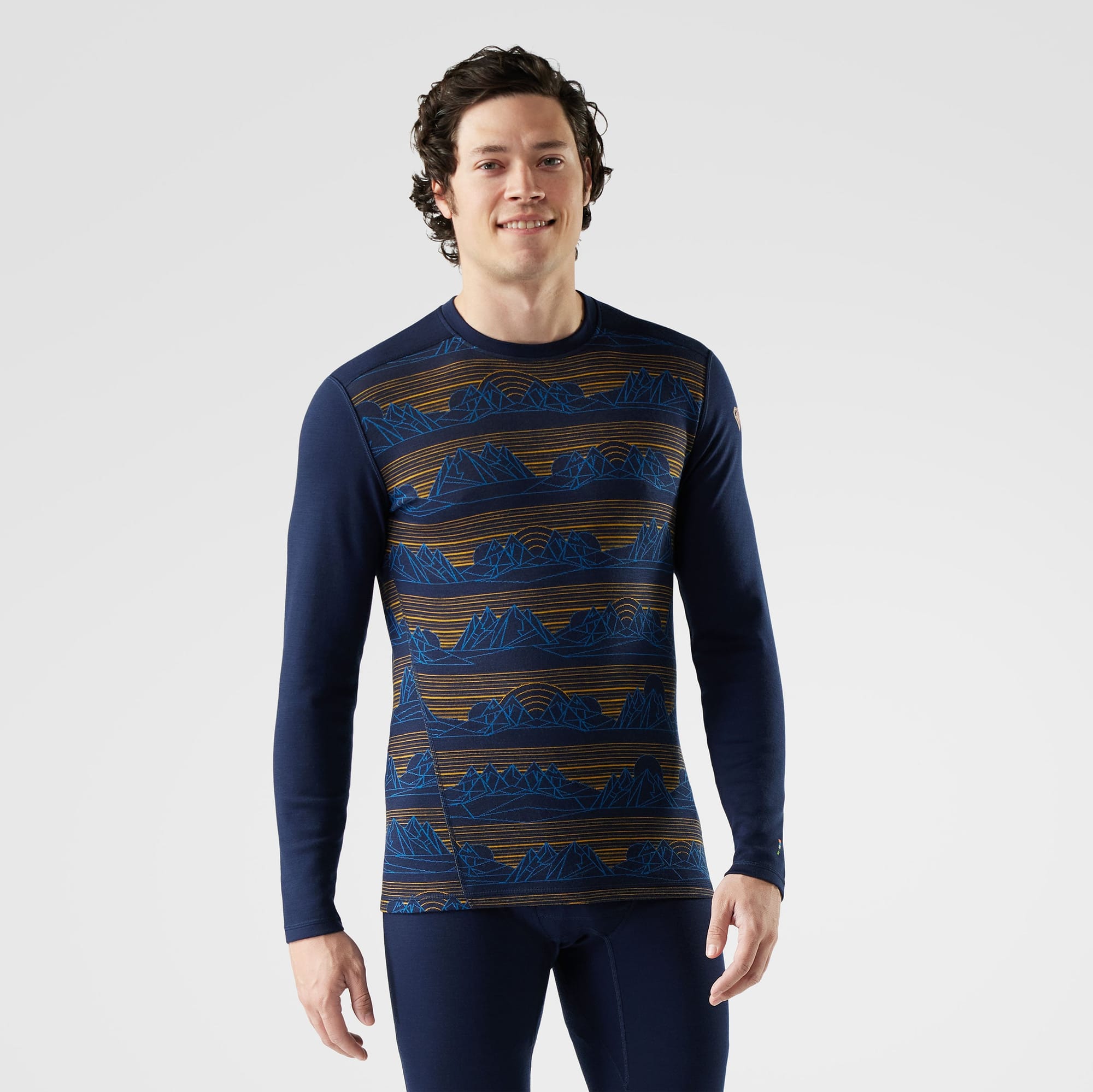
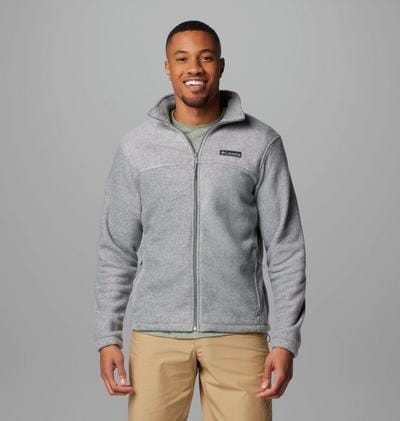
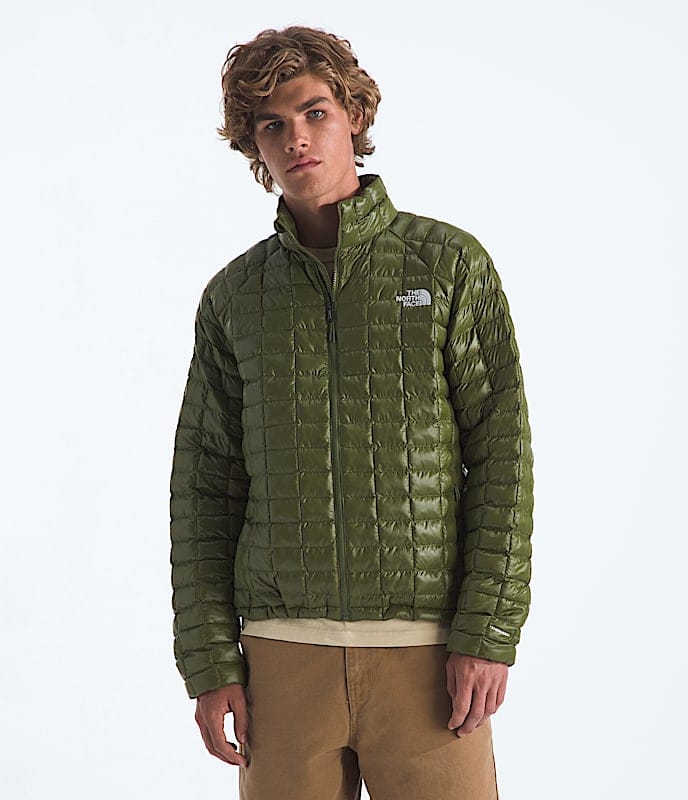
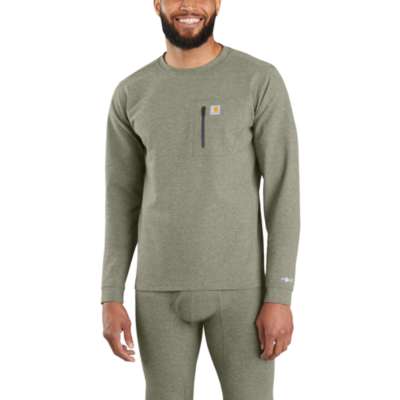
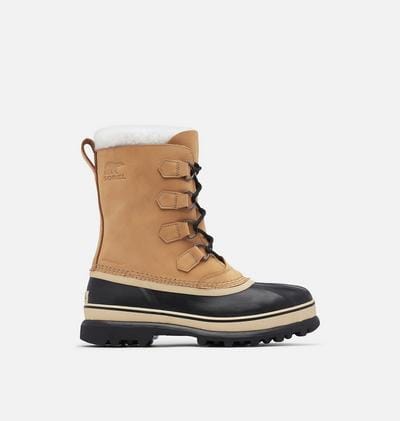
Temperature feel 10 to 32 degrees Fahrenheit Key layer Insulating mid-layer (fleece, down, or synthetic puffy) Base layer Merino wool (150 to 250 gsm) or synthetic moisture-wicking fabric Avoid Cotton anything, single heavy coats with no layering underneath, uninsulated footwear Footwear Insulated waterproof boots with wool socks Built for New York City, Boston, Chicago, and the Colorado Front Range
Outfit Formulas for Winter Layering
Formula 1: The Cold Commute (25 to 32F)
You are walking to the train, standing on a platform, then sitting in a heated car. This formula keeps you warm during exposure but lets you shed layers fast once you are indoors. The mid-weight merino base handles temperature swings without overheating, and a fleece zip unzips in seconds.
- Midweight merino base layer (200 gsm)
- Full-zip fleece jacket
- Wind-resistant softshell or insulated parka
- Wool beanie and lined gloves
- Waterproof ankle boots with wool socks
Formula 2: Trail Day or Outdoor Work (15 to 25F)
Active movement generates heat, so you need layers that vent well. A quarter-zip base lets you dump heat at the neck, and a synthetic puffy mid-layer keeps insulating even if you sweat through it. Avoid down here because down collapses when damp.
- Lightweight merino quarter-zip base (150 gsm)
- Synthetic insulated jacket (like ThermoBall or PrimaLoft)
- Hardshell rain jacket in the pack for wind and snow
- Convertible gloves and a buff for the neck
- Waterproof hiking boots with gusseted tongue
Formula 3: Bitter Cold Standing (10 to 15F)
When you are mostly standing still, like at an outdoor event, a kids' soccer game, or ice fishing, your body produces minimal heat. Stack your thickest layers and add an extra insulation piece. Heavyweight merino at 250 gsm paired with a down jacket provides roughly 6.5 clo of insulation, enough for extended stationary time in single digits.
- Heavyweight merino base layer top and bottom (250 gsm)
- Down or synthetic puffy jacket
- Insulated waterproof parka over the puffy
- Insulated snow pants or fleece-lined pants
- Pac-style boots rated to -25F or colder
- Balaclava, insulated mittens, and hand warmers
Formula 4: Wet, Slushy Winter (28 to 32F)
Wet cold near freezing is the worst combination because moisture kills insulation fast. Every layer here must either repel water or keep insulating when wet. Skip down entirely and use synthetics top to bottom. A hardshell outer is mandatory, not optional.
- Synthetic moisture-wicking base layer
- Fleece or synthetic insulated mid-layer
- Waterproof hardshell jacket with sealed seams
- Waterproof pants or gaiters over regular pants
- Rubber-soled waterproof boots and synthetic socks
What to Do and What to Skip
Do: Start with merino or synthetic next to your skin. Merino wool has a thermal conductivity of about 0.035 W/mK, which means it traps air efficiently and insulates even when damp. Synthetic polyester wicks faster but holds odor after a single wear.
Do: Leave room between layers. Tight layers compress insulation and reduce the still-air pockets that actually keep you warm. Your mid-layer should fit comfortably over your base without squeezing it flat.
Do: Ventilate before you sweat. Open pit zips, unzip your neck, or remove your hat before you start overheating. Sweat soaking into your layers is the fastest way to get cold later.
Skip: Cotton base layers, cotton socks, cotton anything. Cotton absorbs roughly 25 times its weight in water and loses all insulating value when wet. One damp cotton t-shirt under a jacket will leave you colder than if you wore fewer layers.
Skip: One big heavy coat with nothing underneath. A single thick jacket gives you zero temperature adjustment. You are either too hot or too cold, with no middle ground.
Skip: Down mid-layers for high-output activities. Down loses roughly 90% of its insulating ability when wet. If you plan to sweat, use synthetic fill instead.
Best Shoes and Boots for Winter Layering
Insulated Waterproof Boots
The gold standard for winter footwear is an insulated, waterproof boot with at least 200g of Thinsulate or equivalent insulation. Rubber lug soles give you traction on ice and packed snow. The Sorel Caribou uses a removable felt inner boot rated to -40F with a vulcanized rubber shell that keeps water out completely.
Waterproof Hiking Boots
If you need something lighter for active days, a waterproof hiking boot with a Gore-Tex membrane works in temperatures above 20F. Pair with heavyweight wool socks for extra warmth. Look for boots with a gusseted tongue to keep snow out.
Avoid
Canvas sneakers, leather dress shoes without waterproofing, and any shoe with flat rubber soles. Cotton socks are as bad as cotton base layers: they soak up moisture and leave your feet cold and clammy within minutes.
Mistakes People Make With Winter Layering
1. Wearing cotton as a base layer.
This is the single most common winter layering mistake. Cotton soaks up moisture and holds it against your skin, which accelerates heat loss through conduction. Even a thin cotton t-shirt under a good jacket will make you colder than a proper merino base alone.
2. Buying layers that are too tight.
Insulation works by trapping still air. When you crush layers together, you squeeze out those air pockets. Your mid-layer should fit over your base with enough room to maintain loft. If your jacket sleeves feel tight over a fleece, size up.
3. Skipping the base layer entirely.
Throwing a fleece over a bare chest or a regular shirt means sweat sits on your skin with no wicking path. A proper base layer moves moisture to the mid-layer surface where it can evaporate. Without it, you get cold and clammy within 30 minutes.
4. Using down for every situation.
Down is the best insulator per weight when dry, with roughly 800 fill power trapping massive amounts of still air. But the moment it gets wet, the plumes collapse and you lose around 90% of that insulation. Save down for dry, cold, low-activity situations.
5. Ignoring your feet and hands.
Your body restricts blood flow to extremities first when core temperature drops. Insulated boots and gloves are not accessories; they are essential parts of the layering system. Cold feet will ruin an otherwise perfect three-layer setup.
Why the Three-Layer System Actually Works
The physics behind layering is straightforward: still air is one of the best insulators available. Air has a thermal conductivity of about 0.025 W/mK, lower than almost any fabric. When you stack multiple loose layers, you create thin pockets of trapped air between them. Each pocket adds insulation without adding much weight.
The base layer manages moisture because wet skin loses heat up to 25 times faster than dry skin. Merino wool fibers can absorb up to 30% of their weight in moisture before they feel damp, and they continue to insulate during that absorption cycle. Synthetics move moisture faster but hold less, which is why they work better for high-output activities.
The mid-layer provides the bulk of thermal resistance. Fleece (polyester pile) traps air in its lofted fibers and keeps doing so even when damp. Down traps more air per gram but fails when wet. Synthetic fill like PrimaLoft or ThermoBall mimics down's structure with polyester fibers that maintain loft in moisture. The outer shell stops convective heat loss from wind and prevents rain or snow from saturating your insulation layers.
Frequently Asked Questions
What is the three-layer system for winter?
The three-layer system pairs a moisture-wicking base layer (merino or synthetic), an insulating mid-layer (fleece, down, or synthetic fill), and a weather-blocking outer shell. Each layer handles a different job: move moisture, trap heat, block wind and water.
Is merino wool better than synthetic for base layers?
For most people, yes. Merino has a thermal conductivity around 0.035 W/mK compared to polyester at roughly 0.05 W/mK, meaning it holds heat better per unit thickness. It also naturally resists odor for multiple wears and regulates moisture without that clammy feeling synthetics can produce.
Why do people say cotton kills in cold weather?
Cotton absorbs up to 25 times its weight in water and loses virtually all insulating value when wet. In cold conditions, wet cotton pressed against skin accelerates conductive heat loss and raises the risk of hypothermia. Stick with wool or synthetics.
How many layers do I need at 20 degrees Fahrenheit?
At 20 degrees F, use three full layers: a heavyweight merino or synthetic base, a fleece or down mid-layer, and an insulated waterproof shell. Add insulated boots, wool socks, and a warm hat. If you run warm, swap the down mid for a lighter fleece.
Can I machine wash merino wool?
Yes. Most merino base layers handle a gentle cycle with cold or warm water. Use a mild detergent, skip fabric softener (it coats fibers and kills wicking performance), and either lay flat to dry or tumble on low heat.
Related Guides
Written by Jordan Ellery // Fabric science and outdoor gear specialist. Jordan tests layering systems across Northeast winters and rates every product by real thermal performance, not marketing claims.
Why This Approach Works
The three-layer system (base, mid, shell) is the technical foundation for cold-weather dressing because each layer has a specific job. The base wicks moisture from the skin, the mid-layer traps warm air, and the shell blocks wind and precipitation. Each function is independent, which means you can adjust for any combination of temperature, activity level, and weather without redesigning the whole outfit.
Insulation values (clo) for typical pieces stack predictably. A 200 gsm merino base adds about 0.4 clo (around 5 degrees of perceived warmth), a fleece mid-layer adds 0.6 to 1.0 clo, and a hardshell adds 0.1 to 0.2 clo of pure wind block. Stacked together at full strength, the system handles temperatures from 30 F down to single digits without changing pieces.
The trick is matching insulation to activity. At rest your body produces 100 watts; during moderate hiking it climbs to 400 to 600 watts. Layers you can shed in 30 seconds keep you from sweating into your insulation, which is the failure mode that turns cold-weather discomfort into hypothermia risk.
⭐ Jordan's Pick

Arctic Cool Cooling Long Sleeve Tee
A standout pick from the Products at a Glance list. Chosen as the single piece that most defines this scenario.
Shop This PickRelated Guides
- What to Wear in 25°F Weather - The three-layer system applied to the 25-30°F band.
- What to Wear to a Winter Wedding as a Guest
- Adaptive Clothing for Cold Weather
- What to Wear to a Hockey Game
- Merino Wool vs Synthetic Base Layers - The fabric-by-fabric comparison: when to pick merino, when to pick synthetic.
- Best Men's Robes 2026 - the at-home robe pillar, with DudeRobe ranked against Parachute and Brooklinen
- What to Wear Ice Skating - the three-layer system on an aerobic activity, where the outer layer comes off
- What to Wear Under Ski Pants and Snow Pants
- What to Wear Under a Sweater
Powered by Outfit Forecast Formulas. Forecast x Occasion x Body.