What to Wear Back to School as a Teacher
Wear a moisture-wicking base layer under a button-down you can shed, with slip-on shoes and a cardigan that lives on your chair. School buildings swing 15 degrees between a hot hallway and an over-cooled room. Five formulas plus the layer and shoe picks, so you get dressed once.


The first weeks back are a layering problem, not a dress-code problem. Wear a moisture-wicking base layer you can stand in alone, add a button-down or light knit you can push to the elbow when a room runs hot, and keep a cardigan on the back of your chair for the rooms that run cold. Finish with a cushioned slip-on shoe, because you are on your feet for six or seven hours before you sit down.
🛒 The Back to School Teacher Outfit Forecast Formula



Dress code Business casual that moves. Collared or structured top, closed-toe shoes. Most districts still say no denim in the first week. Key layer An open cardigan or unstructured blazer that lives on the back of your chair and goes on when the room drops. Base layer Moisture-wicking or cooling knit, crew or v-neck, opaque enough to wear alone. Avoid Dry-clean only fabrics, light solid colors that show marker and glue, anything that needs a mirror to adjust. Footwear Cushioned slip-on or walking shoe with a real midsole. You will cover 3 to 5 miles inside the building. Tested in Late-August in-service week and the first two weeks of classes, US public schools, 85F to 95F outside with rooms running 66F to 78F.
Five Teacher Outfit Formulas for the First Weeks Back
1. The In-Service Week Formula
Setup days are physical work in professional clothes. You are moving furniture, hanging boards, and crawling under desks to find outlets. Wear the cooling tee alone with a pant that holds its shape, and keep the button-down in your bag for the afternoon staff meeting. Closed-toe shoes are not optional when you are moving a bookcase.
2. The First-Day Formula
Day one is photo day. Parents are at the door and someone will post a picture of you. Build it around the button-down over the cooling base layer, sleeves rolled below the elbow, with the wide-leg pant and a clean slip-on shoe. Look deliberate without looking like you tried for an hour.

Weatherproof Vintage Long Sleeve Chambray Button-Down
Chambray is the one woven that reads polished at the door and still works with sleeves shoved up at 2pm. Washes at home, hides a marker smudge, and does not need an iron.
Shop This Pick3. The Hot Room, Cold Room Formula
Most school buildings do not cool evenly. A south-facing room with afternoon sun can sit at 78F while the room across the hall runs 66F because the vent above it never shuts off. If you teach in more than one space, dress for the warmer room and carry the layer for the colder one. You add and remove one piece all day instead of being wrong twice.
4. The Specials and Duty Formula
Recess duty, science lab, and PE coverage all put you outside the standard classroom. Blacktop duty in late-August sun is a different problem than a 70F classroom, and 20 minutes of it will soak a cotton tee. Wear the moisture-wicking base layer on any day with outdoor duty, and pick the pant over a skirt if you will be sitting on the floor.
5. The Back-to-School Night Formula
Open house turns a seven-hour day into an eleven-hour one, and you stand and talk for most of the last two. Wear the same base you wore all day, swap the blazer in for the cardigan, and change shoes if you can. A second pair in your desk drawer is the best thing you can do for a long evening.
Do and Don't
- Do pick fabrics you can wash at home. Nothing dry-clean-only survives a school year.
- Do keep a layer at your desk permanently, not one you carry back and forth.
- Do choose mid-tone or patterned colors that hide marker, glue stick, and coffee.
- Don't wear a shoe you have to bend down and tie. Your hands are usually full.
- Don't wear anything that needs adjusting. If it rides up or gaps, you will fight it for seven hours.
- Don't save the good outfit for day one and have nothing for day four. Build five, not one.
Best Shoes for Teaching
Hands-free slip-on sneakers are built for this problem. A collapsible heel that springs back means you step in while carrying a laptop and a coffee. Examples include the Skechers Slip-Ins line and similar constructions from Vionic and Ryka. Price range: $70 to $110.
Cushioned walking shoes are the pick if you have plantar or knee trouble and need real support. The Brooks Addiction Walker 2 has a leather upper that reads more professional than a running shoe and holds up to concrete floors. Price range: $130 to $150.
Max-cushion sneakers work if your building is large and your day covers real distance. The Brooks Ghost Max 3 has a broad, stable platform that takes the edge off tile. Price range: $110 to $130.
Leather loafers are the dressier option for observation days and stricter dress codes. Look for a padded footbed and a rubber outsole, since leather soles are slick on polished school floors. Examples include the Cole Haan penny loafer and the Dockers Sinclair. Price range: $60 to $180.
Avoid: new shoes on day one. A school day is 8,000 to 12,000 steps on hard floors, and a shoe you have worn twice will blister you by lunch. Also skip backless mules and any heel over two inches, both of which fail the stairs-with-your-hands-full test.

Fabletics The Laceup Sneaker
The second-pair-in-the-drawer answer. Clean enough for back-to-school night, cheap enough that you are not upset when a kid steps on it.
Shop This PickMistakes People Make
- Dressing for the forecast instead of the building. The high is 92F but you spend most of the day in a room you do not control. The outdoor number only matters for your commute and your duty period.
- Buying five new outfits in August. Buy two things that fix an actual problem, then buy more in October once you know which rooms run cold.
- Underestimating standing. Teachers routinely log 10,000 steps before dismissal without leaving the building. A shoe chosen for looks alone is the fastest way to hate week two.
Why This Approach Works
A school building is not one climate. Interior classrooms hold 68F to 72F year-round while perimeter rooms with afternoon sun can run 6 to 10 degrees warmer, and the hallways between them sit closer to the outdoor temperature when doors are propped for arrival. You move between all three within a single period.
Fabric does the work that thermostats will not. Polyester and nylon knits engineered for moisture transport move sweat away from skin roughly four times faster than cotton, which is why a cotton tee still feels damp 20 minutes after blacktop duty. Chambray, at 4 to 5 ounces per square yard, sits in the useful middle: light enough to wear buttoned in a 74F room, structured enough to read as professional at the door.
The layer on the chair matters more than any single garment. A mid-weight open cardigan adds about 5 to 8 degrees of perceived warmth, which is the gap between an over-cooled 66F room and comfortable.
⭐ Nate's Pick
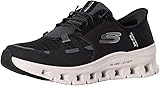
Skechers Slip-Ins Hands-Free Sneaker
Nothing else on this list changes your day as much. You step in holding a laptop, a coffee, and a stack of folders, and you never crouch in a hallway to retie a lace.
Shop This PickFrequently Asked Questions
What are the best back to school teacher outfits? The ones built on a layer you can add and remove. A moisture-wicking base, a button-down or knit over it, a cardigan at your desk, and a cushioned slip-on shoe covers every room temperature in the building.
Can teachers wear jeans? It depends on the district and the day. Many schools allow denim on Fridays or spirit days but not during the first week or on observation days. Check your handbook before in-service week.
What should a new teacher wear the first day? Slightly more formal than the veteran teachers around you, which usually means a collared shirt or structured knit with a non-denim pant. Dial it down in week two once you have seen what the building actually does.
How do I stay cool in a classroom with no air conditioning? Moisture-wicking base layers, sleeves you can push up, and a lighter-colored top. A clip fan on your desk and a large water bottle do more than any single garment.
Are sneakers acceptable for teachers? In most US public schools, yes, especially clean leather or knit sneakers in a neutral color. Elementary teachers wear them nearly universally. High school and observation days lean toward a loafer.
Related Guides
- What to Wear Back to the Office
- What to Wear to Your First Day at a New Job
- What Kids Should Wear for Back to School in Hot Weather
- What to Wear When It's Hot Outside but Cold Inside
- What to Wear When Morning Is Cool and Afternoon Gets Hot
- What to Wear to a Career Fair
About the Author: Nate Calloway writes about dressing for days that involve real movement, from commutes and outdoor events to jobs spent on your feet. Read more from Nate.
Powered by Outfit Forecast Formulas. Forecast x Occasion x Body.