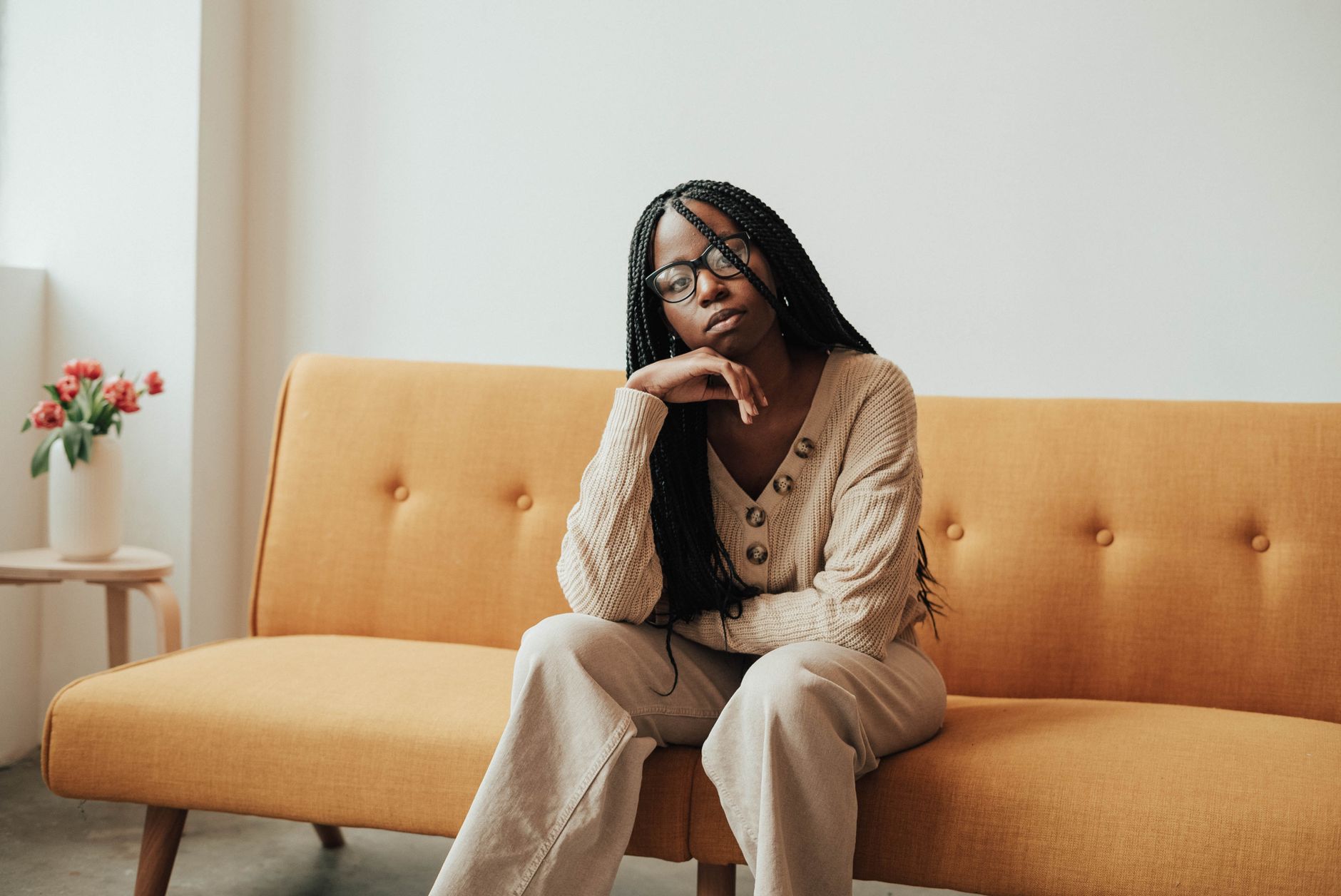
What to Wear in Early Fall
In early fall, wear a long sleeve base under an unlined overshirt or trucker jacket, with jeans and a leather boot. The layer you shed at noon matters more than the one you start in. Four formulas plus the fabric and footwear picks, so you stop re-checking the forecast.


Early fall is a two-temperature day pretending to be one. You leave at 8am in the low 50s and by 2pm the sun has pushed it into the low 70s, which means the outfit that felt right on the porch is wrong by lunch. The fix is a long sleeve base under one removable mid layer, with jeans or chinos and a closed leather shoe. Build around the layer you plan to take off, not the one you start in.
🛒 The Early Fall Outfit Forecast Formula


Temperature feel 45F to 55F at sunrise, 68F to 75F by mid afternoon. The swing is the problem, not the range. Key layer One removable mid layer: brushed flannel overshirt, quarter zip fleece, or a trucker jacket. Base layer Long sleeve knit in modal, merino, or cotton rib. Skip heavy thermal until the highs stay under 60F. Avoid Heavy wool coats, cotton hoodies as your only layer, and open shoes on wet morning grass. Footwear Leather Chelsea boot, desert boot, or a leather sneaker with a real sole. Closed and dry. Tested in Brooklyn and Hudson Valley, mid September through mid October, on 6am walks and 3pm errands.
Four Early Fall Outfit Formulas
The Two-Layer Baseline (55F to 68F)
This covers most early fall days. Long sleeve knit against the skin, one unlined mid layer over it, jeans or chinos, leather boot. The mid layer comes off around 11am and goes back on when the sun drops behind buildings. Nothing here is insulated, which is the point: insulation is what makes you regret the outfit at 2pm.

Weatherproof Vintage Long Sleeve Brushed Flannel
Unlined brushed cotton, so it adds warmth at 52F and packs down to nothing once it hits 70F. The one mid layer that works both ends of the day.
Shop This PickThe Sun Trap Adjustment (68F to 75F afternoons)
Some early fall afternoons run genuinely warm. When the forecast high is above 70F, drop the flannel and make the base layer the whole outfit, with the jacket carried rather than worn. A modal or rib knit long sleeve moves moisture better than a cotton tee at that temperature, and it keeps you from looking underdressed for the season. Roll the sleeves instead of switching to short sleeves.
The First Cold Snap (45F to 55F all day)
The first week the high never breaks 55F is when people overcorrect and pull out a winter coat. Do not. Add a quarter zip fleece under the jacket instead. Fleece at roughly 200 grams per square meter gives you real warmth at about a third of the bulk of a wool overcoat, and it vents fast when you go inside. This is the setup for early morning soccer sidelines and 7am dog walks.
The Damp Morning Setup (fog, dew, light drizzle)
Early fall mornings hold moisture. Grass is wet until 10am even on clear days. Swap the cotton base for merino, put a water resistant shell layer over it instead of flannel, and wear a boot with a sealed welt. Cotton is the failure point here: it holds roughly seven times its weight in water and it will stay damp against your back for hours.
Do and Don't
- Do build around one removable mid layer, not two thin ones.
- Do carry the jacket rather than tying it around your waist; it wrinkles less and reads better.
- Do switch to closed leather shoes the week the overnight low drops under 55F.
- Don't wear a cotton hoodie as your only layer. It soaks up morning damp and stays cold.
- Don't bring out the wool overcoat before the high stops reaching 60F.
- Don't wear white or light suede shoes through wet leaves and morning dew.
Best Shoes for Early Fall
Chelsea boots work well for the whole range, since the elastic gore lets you get in and out fast and the leather upper handles dew without staining. Examples include Blundstone Original 500 and Thursday Captain. Price range: $150-220.
Desert boots work well for the warmer end of early fall, roughly 60F and up, because the crepe sole and unlined suede breathe more than a leather boot. Examples include Clarks Desert Boot. Price range: $130-160.
Leather sneakers work well for city days where you cover ground and the forecast stays dry. Examples include New Balance 574 and Cole Haan leather trainers. Price range: $90-150.
Avoid: open shoes and light suede. Sandals leave your feet cold on a 48F morning and suede marks permanently in wet leaves. Examples: slides, canvas boat shoes, pale suede chukkas.

Blundstone Chelsea Boot
Pull-on leather that shrugs off wet morning grass and still reads right at a 70F afternoon lunch. The single most useful shoe of the season.
Shop This PickMistakes People Make in Early Fall
- Dressing for the high instead of the low. The 2pm number is the one people read. The 7am number is the one they feel for the first four hours of the day.
- Going straight to winter fabrics. Wool coats and heavy thermals at 65F leave you sweating, and sweat at 50F is what actually makes you cold later.
- Layering two thin pieces instead of one real mid layer. Two tees do not equal a flannel, and neither comes off cleanly when it warms up.
- Ignoring the ground. Morning dew and wet leaves ruin more suede in September than rain does all winter.
- Keeping summer shoes one month too long. Feet are the first place you feel a 48F morning, and no amount of layering up top fixes cold feet.
Why This Approach Works
The physics is simple. Early fall days routinely swing 20F to 25F between sunrise and mid afternoon, which is a wider spread than either summer or deep winter delivers. Insulation is not adjustable once you put it on, but layers are, so the outfit that survives that spread is the one built from removable pieces.
Fabric choice does the rest. Brushed cotton flannel at roughly 160 to 200 grams per square meter adds a few degrees of felt warmth without trapping heat, which is why it works at 52F and again at 68F. Fleece around 200 grams per square meter buys real warmth at low bulk. Merino handles the damp mornings because it holds about 30 percent of its weight in moisture before it feels wet against skin, while cotton feels wet almost immediately and stays that way. I ruined a good pair of suede boots learning that last part on a foggy Hudson Valley morning.
⭐ Jordan's Pick

Levi's Trucker Jacket
Unlined denim is the most forgiving jacket weight there is for a 50F to 72F day. I have worn mine over a tee and over a fleece in the same week.
Shop This PickFrequently Asked Questions
What temperature is early fall? In most of the US, early fall means overnight lows of 45F to 55F and afternoon highs of 65F to 75F, usually mid September through mid October. The gap between the two is what makes it hard to dress for.
Is it too early to wear a coat in September? Yes, in most cases. Hold the wool coat until the daytime high stops reaching 60F. Until then a denim jacket, flannel overshirt, or unlined coaches jacket covers the same mornings without overheating you by noon.
Can you still wear shorts in early fall? On afternoons above 70F, yes, but pair them with a long sleeve top rather than a tee so the outfit still reads seasonal. Once the morning low drops under 50F, switch to full length.
What shoes should you wear in early fall? A closed leather shoe with a real sole: Chelsea boot, desert boot, or leather sneaker. Morning dew and wet leaves are the reason, not temperature alone.
Related Guides
- What to Wear in 60 Degree Weather
- What to Wear in 65 Degree Weather
- What to Wear When Morning Is Cool and Afternoon Gets Hot
- How Do I Dress When the Temperature Swings 30 Degrees in a Day?
- What to Wear Apple Picking
- What to Wear in Chicago in September
About the Author: Jordan Ellery is a weather-styling writer and former retail buyer who covers fabric science, layering systems, and the seasonal transitions that break most wardrobes. Read more from Jordan.
Powered by Outfit Forecast Formulas. Forecast x Occasion x Body.