What to Wear Skiing
Wear a merino base layer, a grid fleece mid, and an insulated shell over snow pants, plus one thin tall sock. Skiing swings between a freezing lift and a sweaty run, so the mid layer does the work. Four formulas plus the pant, sock, and boot picks, so you stop packing by guesswork.


Skiing takes three layers: a merino or synthetic base, a grid fleece or light mid layer, and an insulated waterproof shell, worn over snow pants and one pair of thin tall socks. The mid layer is the piece most people get wrong, because a ski day swings between sitting still on a windy chairlift and working hard enough to sweat through a run. Dress for the run, not the lift, and use the shell's vents and the mid layer's zipper to handle the difference. Cotton anywhere in that stack will end your day early.
Outfit Forecast earns a commission when you buy through links on this page, at no extra cost to you. Affiliate disclosure
🛒 The Skiing Outfit Forecast Formula


Temperature feel Most US resorts run 15F to 32F at the base. Add 10 to 15 mph of chairlift wind and the summit feels 10F to 15F colder than your phone says. Key layer A grid fleece or light mid layer with a zipper. It is the only piece you adjust between the lift and the run. Base layer Merino or synthetic, snug, top and bottom. 150 to 200 gram weight is right for most people. Avoid Cotton anything, jeans, two pairs of socks, and a thick sweater under a shell. Footwear Ski boots over one thin over-the-calf merino sock. Pack separate snow boots for the drive and the lodge. Built for Ski days from 8F to 34F, including wet spring snow near 38F.
Four Ski Outfit Formulas
The Standard Resort Day (20F to 32F)
Merino base top and bottom, grid fleece quarter zip, insulated ski jacket, snow pants, one thin tall sock, gloves, helmet, goggles. This is the default and it covers most weekends at most resorts. If you run warm, swap the insulated jacket for a shell and keep the fleece.

Spyder Men's Lift Jacket
Insulated and waterproof with pit zips, which is what makes it work from a 15F lift to a 34F afternoon without a costume change.
Shop This PickThe Deep Cold Day (Below 15F)
Same stack, heavier base. Go to a 250 gram merino top, add a thin fleece neck gaiter you can pull over your nose, and switch from gloves to mittens. Mittens are warmer at the same insulation weight because your fingers share heat. A face covering matters more than another torso layer here, since exposed cheeks are what actually ends cold days.
The Spring Slush Day (Above 35F)
Drop the mid layer entirely. Base layer plus a shell, snow pants, sunglasses or low-light goggles, and sunscreen. Spring snow is wet, so waterproofing matters more than insulation. You get soaked from the outside rather than cold from the inside.
The Beginner Lesson Day
Lessons mean standing still for long stretches while an instructor talks, so add one layer beyond what you would wear riding all day. A vest under the shell is the easiest add. Beginners also fall more, so waterproof pants are not optional the way they can be for an experienced skier in softshells.
Do and Don't
- Do put the base layer on skin with nothing underneath it. That is the whole point of the fabric.
- Do tuck the base layer bottom into your sock, not the other way around.
- Do use your pit zips on the first warm lap instead of waiting until you are already sweating.
- Don't wear two pairs of socks. It compresses the boot liner and makes your feet colder, not warmer.
- Don't wear jeans under snow pants. Denim is cotton, it holds sweat, and the seams will bruise you against the boot cuff.
- Don't put a bulky cotton hoodie under a shell. It soaks through and then it is a wet sponge strapped to your chest.
Best Boots and Socks for Skiing
Ski boots are the only footwear that matters on the hill, and fit beats everything else. Rentals are fine for your first few days. If you ski more than five days a year, get fitted at a shop and buy your own. Price range: $60 to $90 per weekend rental, $350 to $700 to buy.
One thin over-the-calf merino sock goes inside the boot. Height matters because the boot cuff hits mid calf and a short sock leaves bare skin against hard plastic. Thin matters because liners are already insulated and padding only adds pressure points. Darn Tough, Smartwool, and Icebreaker all make ski-specific versions. Price range: $22 to $30.
Insulated snow boots are for the parking lot, the lodge, and the walk to dinner. Sorel Caribou, Columbia Bugaboo, and Baffin all work. Nobody enjoys walking on ice in ski boots. Price range: $90 to $180.
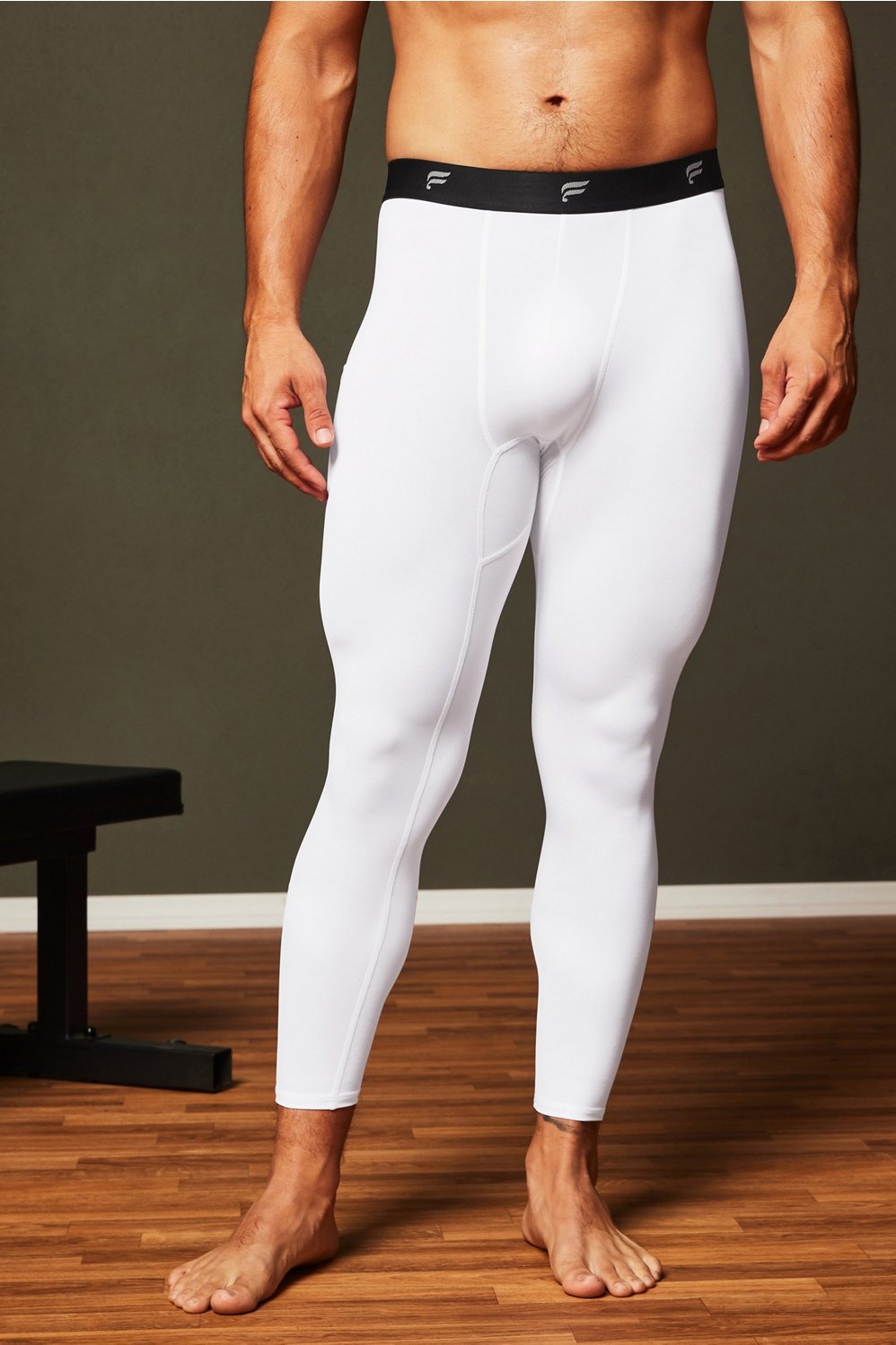
Fabletics Baselayer Full-Length Tight
This is the answer to what goes under ski pants. Full length so it runs into the sock, thin enough that it does not bunch inside the boot cuff.
Shop This PickAvoid: hiking boots or winter sneakers as a substitute for ski boots. They do not lock into a binding and no amount of strapping makes them safe on a slope.
Mistakes People Make
- Dressing for the parking lot. You are cold at 8am walking from the car, so you add a layer, and then you are dripping by the second run. Dress for the run and accept ten cold minutes.
- Buying the jacket first. People spend $400 on outerwear and $12 on a cotton long sleeve underneath. The base layer decides whether the expensive shell can do its job.
- Overtightening the boots at the lodge. Boots feel loose indoors and snug once they cool. Buckle them in the cold, not by the fireplace.
- Skipping goggles on a clear day. Snow reflects roughly 80 percent of UV back up at you, which is why people finish the day with a sunburn under their chin.
Why This Approach Works
Each piece has one job. Merino and synthetic base layers wick moisture along the fiber surface, and merino holds warmth even at around 30 percent of its weight in absorbed water. Cotton absorbs 8 percent of its weight before it feels damp, then loses most of its insulating value. That is the mechanism behind every miserable ski day you have had.
The mid layer is where skiing differs from other cold-weather activity. Walking in snow is a steady output, so a fixed amount of insulation works all day, which is why a snow guide and a skiing guide give different answers. Skiing alternates: a chairlift is eight minutes of sitting still in direct wind with zero heat production, and the run down is three minutes of work that can raise your output four to six times over resting. Grid fleece exists for exactly this. The raised grid traps air for the lift, the channels between it dump vapor on the way down, and a quarter zip lets you adjust without stopping.
Insulation numbers help when shopping. Most resort ski jackets carry 60 to 100 grams of synthetic fill in the body and less in the arms; pants run 40 to 60. That is deliberately less than a winter parka, because the shell assumes two layers under it and a body that is working.
⭐ Nate's Pick

MERIWOOL Merino Wool Base Layer
If you buy one thing before a ski trip, buy this and not a jacket. Merino at half the price of the names you know, and it is the layer everything else depends on.
Shop This PickFrequently Asked Questions
What do you wear under ski pants? A thin full-length base layer bottom and nothing else. Merino or synthetic, snug, running to the ankle so it tucks into your sock. Skip sweatpants, cotton leggings, and jeans.
How many layers should you wear skiing? Three on top: base, mid, shell. Two on the bottom: base layer and snow pants. Below 15F add a vest, but a fourth top layer usually makes you sweat rather than keeping you warm.
What do you wear under a ski jacket? A base layer against skin and a grid fleece or light mid layer over it. That is it. A heavy sweater compresses the jacket's insulation and traps moisture.
What should you wear skiing for the first time? Rent the boots and skis, borrow snow pants and a waterproof jacket, and spend your own money on the base layer, socks, and gloves. Lessons involve standing, so bring one more layer than you think.
Can you wear jeans skiing? No. Denim is cotton, it soaks up snow and sweat, it freezes stiff, and the seams create pressure points inside a boot.
Related Guides
- What to Wear in 20 Degree Weather
- What to Wear in 25 Degree Weather
- Merino Wool vs Synthetic Base Layers
- How Do I Layer Clothes for Winter?
- What to Wear Ice Skating
- What to Wear Apres Ski
About the Author: Nate Calloway is a former personal stylist and outdoor gear writer based in Chicago who covers activity-specific dressing, footwear, and cold-weather layering. Read more from Nate.
Powered by Outfit Forecast Formulas. Forecast x Occasion x Body.


