What to Wear Sightseeing All Day and Dinner Out
For a day of sightseeing and dinner out, wear cushioned walking shoes, a wicking tee, and stretch travel pants, then add a linen shirt at night. Your feet decide how the day ends, not the outfit. Four formulas plus the shoe and layer picks, so you finish the day comfortable.


🛒 The Sightseeing Outfit Forecast Formula



A full day of sightseeing followed by dinner is really two outfits pretending to be one. The trick is to build the whole day around shoes and a base layer that can take six to ten miles of walking in summer heat, then add one piece that carries you from a museum line to a restaurant table. During the day, wear cushioned walking shoes, a moisture-wicking tee, and stretch travel pants or a jogger. For dinner, pull a linen shirt or a knit polo over the same tee. You change one or two things, not your entire look, and you never have to trek back to the hotel to do it.
Temperature feel Summer days of 75F to 90F, often warmer on pavement, cooler by a few degrees after sunset. Key layer A linen shirt or knit polo you carry folded and add for dinner. Base layer A moisture-wicking tee that dries fast and stays presentable for hours. Avoid Brand-new shoes, all-cotton tees, and anything you have to go change before dinner. Footwear Cushioned running or walking shoes broken in over at least a week. Tested in Nine-mile city days in 84F, museum mornings into 8 pm dinners.
Sightseeing to Dinner Outfit Formulas
The One-Swap Day
This is the formula I reach for most. You wear a wicking tee, stretch travel pants, and cushioned shoes all day, and you keep a folded linen shirt in your daypack. When it is time for dinner, you button the linen shirt over the tee or swap the tee out entirely in a restroom in under a minute. The pants already read as smart-casual, the shoes were chosen to pass at a nice restaurant, and the only thing that changes is the top. One swap, one bag, zero round trips to the hotel.
The Polo Pivot
If you would rather not carry a second piece at all, start the day in a knit polo. A textured cotton polo handles heat better than people expect and looks intentional at a sit-down dinner. The catch is sweat, so this works best in drier heat or when your day has indoor air-conditioned stops. Pair it with the same travel pants and walking shoes. You walk all day in one piece and sit down to dinner without touching your outfit.
The Warm-City Minimalist
For hot, humid places where 90F feels like 98F, strip it back. Wear the wicking tee, lightweight shorts or your lightest travel pant, and shoes that breathe, then carry the linen shirt only as your dinner upgrade. Airflow comes first and polish second, because nothing looks worse than being visibly miserable in the heat.

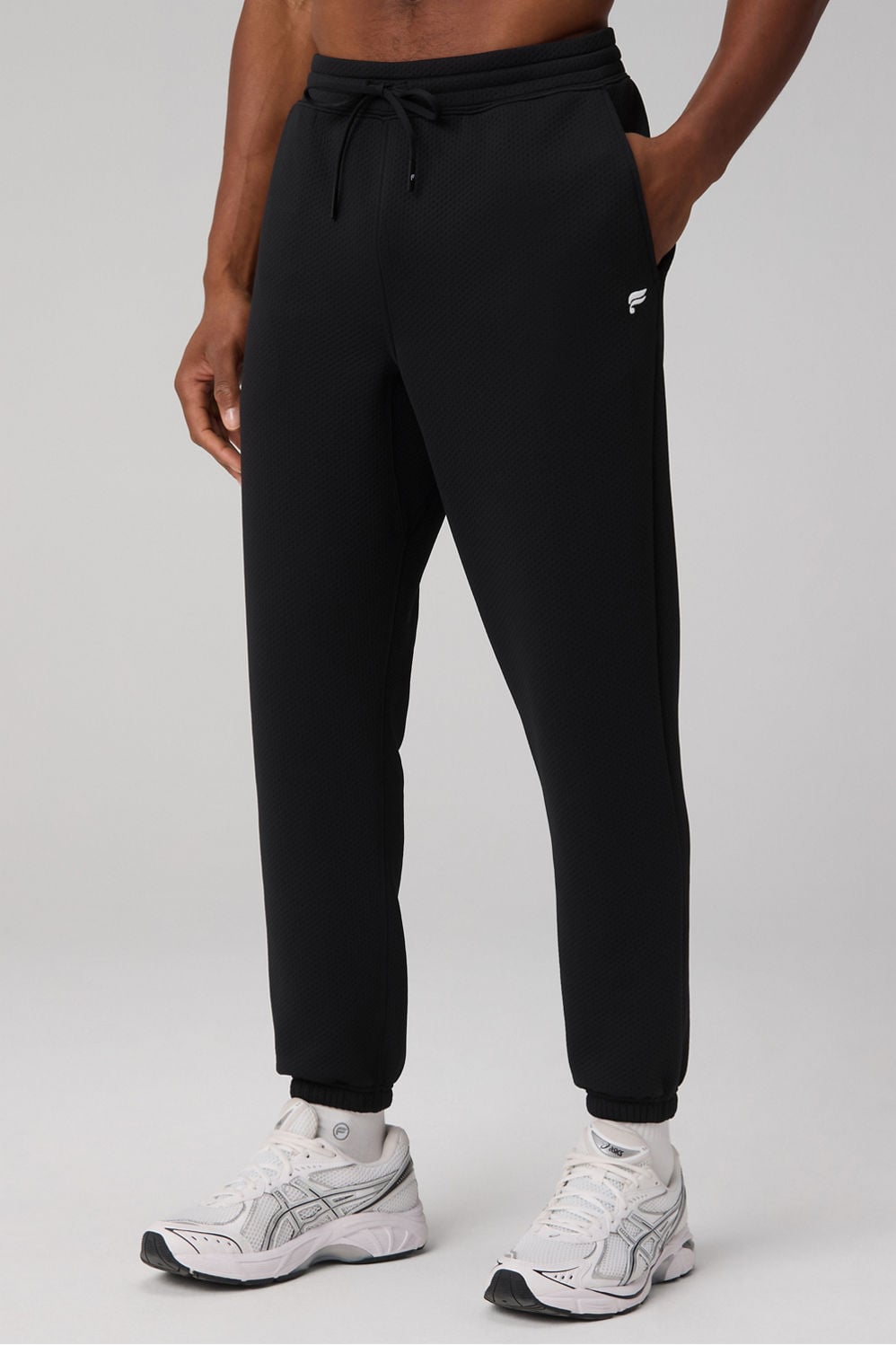
Weatherproof Vintage The Expedition Pant
Comfort-stretch travel pant that walks all day and still reads smart-casual at an 8 pm dinner.
Shop This PickDo break your shoes in for at least a week before the trip. Do pack a second pair of socks in your bag so you can change at lunch. Do pick bottoms with a touch of stretch so stairs and curbs are not a fight. Don't wear an all-cotton tee that holds sweat and goes see-through by noon. Don't plan an outfit that forces a trip back to the hotel before dinner. Don't save a brand-new pair of shoes for the one day you will walk the most.
Best Shoes for All-Day Sightseeing
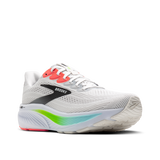
Cushioned running shoes are the safest pick for most people on a sightseeing day. A neutral daily trainer like the Brooks Ghost or a Hoka Clifton gives you a soft midsole that keeps your feet fresh past mile eight, and in a dark colorway they look clean enough at a casual dinner. Price range: $110 to $160.
Dedicated walking shoes suit anyone who wants more structure and a flatter platform. The Brooks Addiction Walker and New Balance 990 are the classics here, built for stability over long hours rather than speed. Price range: $135 to $185.
Leather sneakers are the move when dinner runs a notch dressier and you do not want a second pair. A minimal pair from Cole Haan or Koio walks well on moderate days and passes at most restaurants. Price range: $90 to $200.
Sport sandals earn their place in genuinely hot cities. A supportive Teva or contoured Birkenstock keeps air moving and feet cooler, though they suit daytime more than a formal dinner. Price range: $50 to $110.
Avoid: flat canvas shoes with no arch support. They feel fine for an hour and punish you by the afternoon. Skip thin-soled fashion sneakers and any dress shoe you have not already walked miles in.
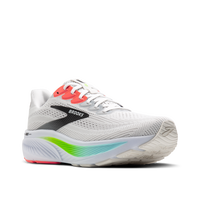
Brooks Ghost 17
Soft, neutral cushioning that holds up past mile eight, and a dark pair reads clean at dinner.
Shop This PickMistakes People Make
- Wearing the new shoes on the biggest walking day. Fresh shoes need 20 to 30 miles to mold to your feet. A sightseeing day is the worst possible place to break them in, and blisters end the day early.
- Choosing cotton everything. Cotton soaks up sweat and holds it. By early afternoon the tee is damp, heavy, and clinging, and it will not be dinner-ready.
- Planning a hotel reset. If your dinner outfit requires going back to change, you lose an hour and a lot of momentum. Build the day so one piece in your bag handles the upgrade.
- Ignoring the evening temperature drop. Coastal and high-elevation cities can shed 10 to 15 degrees after sunset. A day-only outfit leaves you cold on the walk back to the hotel.
Why This Approach Works
The whole system rests on two facts about your body and your fabrics. First, feet swell on a long day, sometimes up to half a shoe size after hours of walking, which is why a cushioned shoe with a little room beats a snug fashion sneaker every time. Second, fabric decides how you feel by 3 pm. Cotton can hold roughly 7 percent of its weight in moisture and dries slowly, while polyester holds closer to 0.4 percent and pulls sweat to the surface to evaporate. That gap is the difference between a tee that still looks fine at dinner and one that does not.
Linen earns its spot because its loose weave moves air and dries fast, so it covers your arms at a restaurant without trapping heat. A knit polo splits the difference, breathable for the day and structured for the table. None of this is about looking fancy. It is about pieces that still perform when you finally sit down.
⭐ Nate's Pick

COOFANDY Linen Shirt
The piece that turns a day of walking into a dinner outfit. I keep one folded in my bag on every trip.
Shop This PickFrequently Asked Questions
Can I wear sneakers to a nice dinner after sightseeing? Yes, if you choose them on purpose. A clean leather sneaker or a dark, low-profile running shoe reads fine at most casual to mid-range restaurants. Save the bright trail runners for the daytime.
What should I do about sweat between the museum and dinner? Wear a moisture-wicking base layer and keep the linen or polo layer dry in your bag, so the piece you add for dinner is fresh.
Should I bring a second pair of shoes? Usually no. One well-chosen pair that works for both the walk and the table beats hauling a second pair around all day. Bring a backup only if your dinner has a strict dress code your day shoes cannot meet.
How many miles will I actually walk? A full sightseeing day often runs six to ten miles without you noticing, which is why the shoes and base layer matter most.
What if the evening turns cold? Let your dinner layer do double duty. A linen shirt or a thin packable overshirt covers a 10 to 15 degree drop after sunset, so you are not caught out on the walk back.
Related Guides
- What to Wear in 80 Degree Weather
- What to Wear in Las Vegas
- What to Wear Hiking in 80 Degree Weather
- What to Wear in Nashville
- What to Wear in Boston in October
- What to Wear on a Carry-On Only Business Trip
About the Author: Nate Calloway is a former personal stylist and outdoor gear tester based in Chicago who has logged more sightseeing miles in walking shoes than he can count. Read more from Nate.
Powered by Outfit Forecast Formulas. Forecast x Occasion x Body.