What to Wear Kayaking
Kayaking outfits balance wet, cold, and sun risks. Four formulas for flatwater, hot days, cool spring paddles, and multi-day touring. Plus the cotton ban and the water shoe rule.

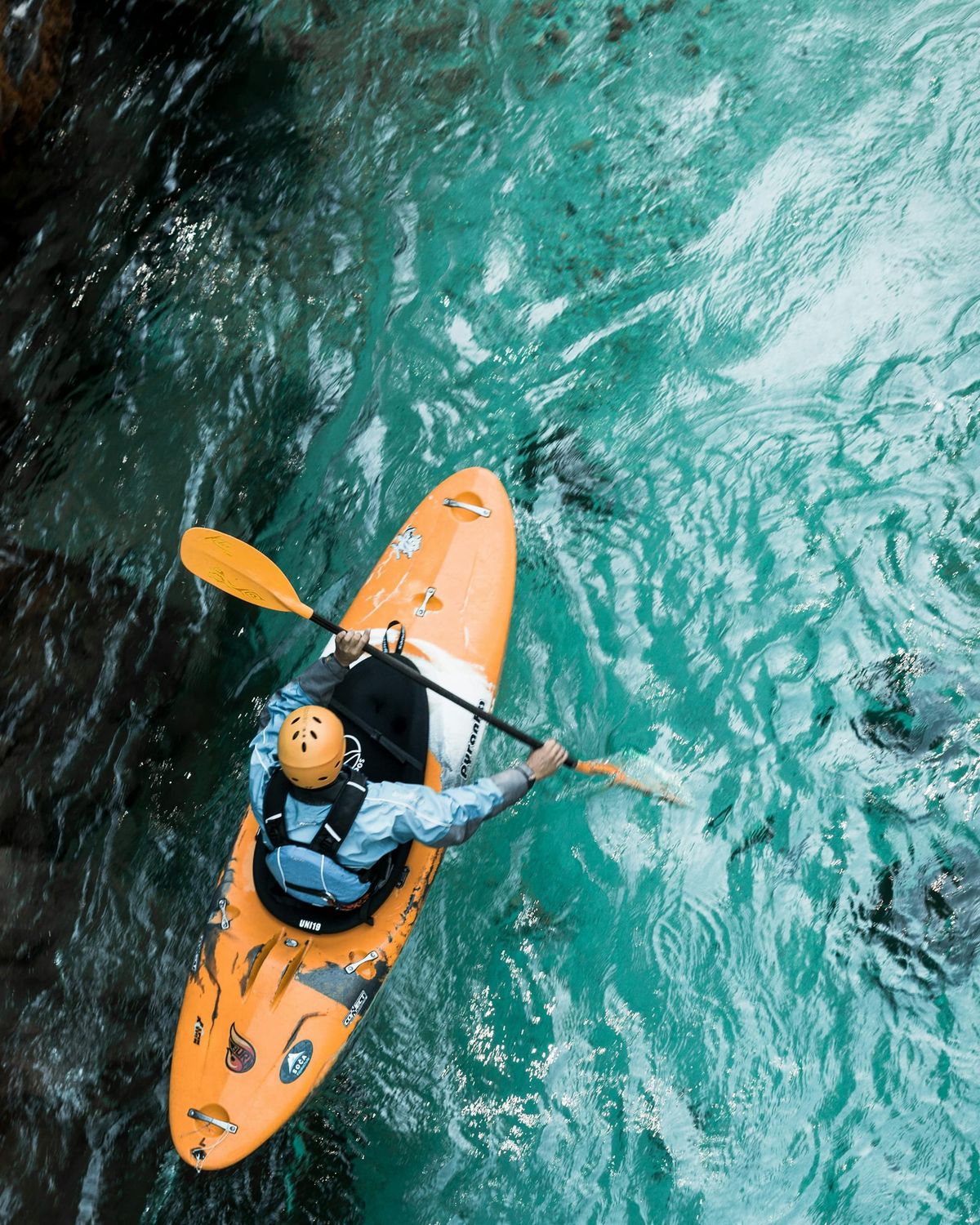
Kayaking outfits balance three risks: getting wet, getting cold, and getting sunburned. The right setup uses quick-dry fabrics that don't chill when splashed, sun protection that breathes, and footwear that drains. Skip cotton (stays cold when wet), skip anything loose at the wrists or ankles (snags on the paddle and gear), and wear something that won't pull you down if you flip. Layering also varies between a calm flatwater day trip and a colder spring paddle.
Outfit Forecast earns a commission when you buy through links on this page, at no extra cost to you. Affiliate disclosure
🛒 The Kayaking Outfit Forecast Formula




Air temp range 50 to 90 degrees, varies by trip type and water temp Key piece A UPF-rated quick-dry top that doubles as sun protection Base layer Synthetic or merino, never cotton (cotton stays cold when wet) Avoid Cotton, loose cuffs that snag the paddle, any flotation-restricting layer Footwear Water shoes or sandals with deep tread, never flip-flops Built for Lakes, slow rivers, coastal flatwater, and overnight touring kayak trips
4 Outfit Formulas for Kayaking
Formula 1: Flatwater Day Trip (60 to 75 Degrees, Sunny)
Most introductory and casual kayak trips run on lakes or slow rivers in summer temperatures. The risk is sun and splash, not cold.
- Top: a UPF 50 long-sleeve sun shirt or quick-dry tee
- Bottoms: quick-dry board shorts or hiking shorts
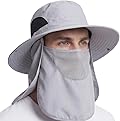
- Sun: wide-brim hat with chin strap, polarized sunglasses, reef-safe SPF 50
- Shoes: closed-toe water shoes or thick-soled sandals
- PFD: always wear a Coast Guard approved Type III life jacket
Formula 2: Warm Weather Paddle (75 to 85 Degrees)
Hot days call for the lightest sun-protective setup that still covers shoulders, arms, and tops of thighs from direct sun. The paddle stroke exposes shoulders for hours.
- Top: a long-sleeve sun shirt with thumbholes or a UPF rashguard
- Bottoms: quick-dry shorts or capri leggings
- Sun: hat with chin strap, polarized sunglasses on retainer, SPF lip balm
- Footwear: drainage-friendly water sandals

Patagonia Baggies Shorts
Quick-dry shorts that drain fast and pack into nothing. Pair with a UPF top and water sandals for the most-versatile flatwater kayak setup.
Shop This PickFormula 3: Cool Weather or Spring Paddle (50 to 65 Degrees)
Cool weather kayaking introduces the cold water risk. Even if the air is 60, the water might be 50, and a flip means hypothermia exposure. Dress for the water temperature, not the air temperature.
- Base: a synthetic or merino long-sleeve performance top
- Mid: a fleece pullover or wetsuit top depending on water temp
- Shell: a paddle jacket or waterproof shell with tight cuffs
- Bottoms: neoprene paddle pants or quick-dry leggings under a splash skirt
- Footwear: neoprene water boots
Formula 4: Multi-Day Touring Kayak
Sea kayak touring or overnight trips need redundancy. Pack a dry change of clothes in a dry bag, sun protection for full day exposure, and warm layers for camp evenings.
- On-water: UPF long sleeve, quick-dry shorts or pants, water shoes
- Camp: synthetic insulation jacket, fleece pants, dry socks
- Always: PFD (worn, not stowed), whistle, knife
Do and Don't
- Do wear your PFD at all times on the water (not stowed in the hatch)
- Do bring a dry bag with a spare layer (even a tee makes a difference if you flip)
- Do check the water temperature, not just the air temperature
- Don't wear cotton (stays cold when wet, hypothermia risk in cool water)
- Don't wear flip-flops (no toe protection, slips off easily on entry/exit)
- Don't paddle in shorts on cool water without a wetsuit base
Best Footwear for Kayaking
Water sandals with deep tread work for warm-weather flatwater and most casual kayaking. Examples include NORTIV 8 Sport Sandals, Teva Hurricane XLT2, and Keen Newport H2. The Keen and Teva models also have toe coverage. Price range: $40-110.
Neoprene water boots are essential for cooler weather paddles or rocky put-ins. The neoprene insulates against cold water and the rubber sole protects against barnacles and rocks. Price range: $50-100.
Closed-toe water shoes work for trips with rocky put-ins, slot canyons, or where you might portage. Examples include Astral Brewer, Salomon Crossamphibian, and KEEN Targhee water styles. Price range: $90-160.
Avoid: flip-flops (slip off, no toe protection), running shoes (waterlogged, don't drain), and anything cotton-lined that holds water.

NORTIV 8 Sport Sandals
Drainage-channel sole, locked-in heel strap, and deep tread for slick put-ins. The most-recommended budget water sandal for kayak day trips.
Shop This Pick4 Mistakes People Make Kayaking
- Wearing cotton. When it gets wet (and it will), cotton stays cold for hours. Synthetic and merino bounce back fast.
- Skipping sun protection on the shoulders and ankles. The paddle stroke exposes those zones for hours of direct UV.
- Wearing flip-flops. They slip off in deep water and offer zero protection on rocky put-ins.
- Dressing for the air temperature, not the water temperature. Cold water risk is real even on warm days.
Why This Approach Works
Kayaking outfits succeed by matching three independent variables: water temperature (controls hypothermia risk), air temperature (controls comfort), and sun exposure (controls burn and dehydration). Each formula above prioritizes the variable that dominates that scenario.
The cotton ban matters more than people think. Synthetic and merino fabrics retain 5 to 15 percent of their insulating value when wet. Cotton retains zero. A wet cotton tee on a 65-degree windy day creates real hypothermia risk for someone sitting still in a kayak for two hours.
⭐ Nate's Pick

Arctic Cool Cooling Long Sleeve Tee
Cooling fabric + UPF 50 sun protection in one shirt. The long sleeve protects the most-sunburned zone (shoulders and forearms) and the moisture-wicking weave dries between splashes. A dependable shirt for warm-weather paddles.
Shop This PickFrequently Asked Questions
What should I wear kayaking for the first time?
A quick-dry tee or UPF long-sleeve sun shirt, quick-dry shorts, water shoes with a heel strap, sunglasses on a retainer, a wide-brim hat, and a Coast Guard approved life jacket. Skip cotton entirely.
Can I wear leggings kayaking?
Yes, quick-dry synthetic or merino leggings work well, especially for cooler-weather paddles. Avoid cotton leggings (stays cold when wet) and skip anything with loose cuffs that snags the paddle.
Should I wear a wetsuit for kayaking?
Only when the water temperature is below 60 degrees or you have a real flip risk. For most warm-weather flatwater paddling, a quick-dry layer system is enough.
What shoes should I wear kayaking?
Water shoes or sport sandals with a heel strap and deep tread. NORTIV 8, Teva Hurricane XLT2, and Keen Newport H2 are the most-recommended options. Avoid flip-flops and running shoes.
Do I need a life jacket to kayak?
Yes, and you should wear it (not stow it). Coast Guard requires you to have a Type III PFD on board, and most rental outfitters require you to wear it. Cold-water and big-water kayaking always demand wearing it.
Related Guides
- What to Wear Hiking in 50 Degree Weather
- What to Wear Hiking in 80 Degree Weather
- What to Wear in 80 Degree Weather
- What to Wear Running in 50 Degree Weather
- What to Wear Rock Climbing
- What to Wear Fishing
About the Author: Nate Calloway is the outdoor and activity writer at Outfit Forecast. covers hiking, running, kayaking, and outdoor adventure gear. Read more from Nate.
Powered by Outfit Forecast Formulas. Forecast x Occasion x Body.