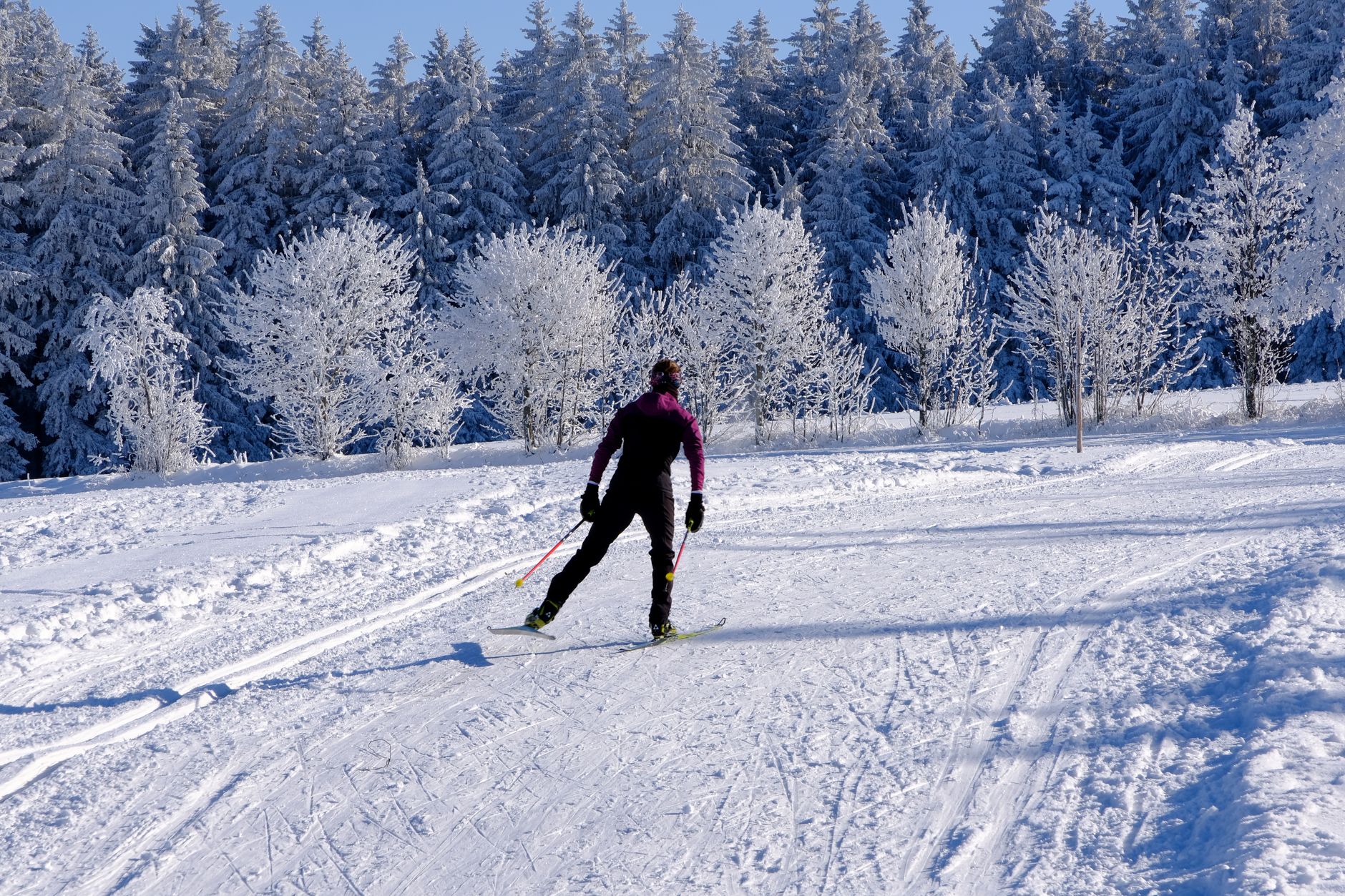
What to Wear Hiking in 50 Degree Weather
Wear a moisture-wicking base layer, fleece or grid mid-layer, and a packable wind shell with trail pants. The three-layer system handles temperature swings on trail. Four formulas plus trail-ready footwear and accessory picks for cool-day hikes.

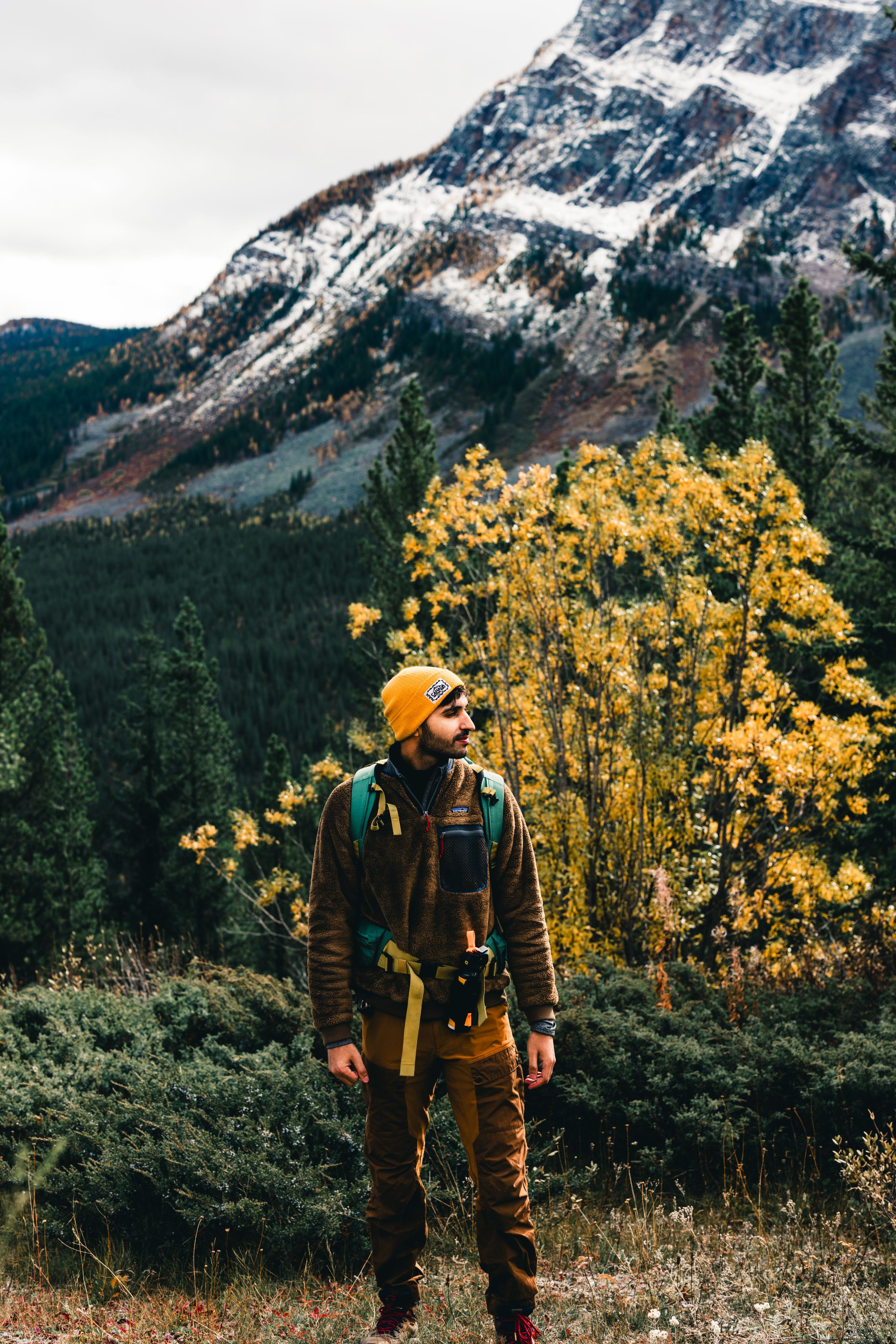
Outfit Forecast recommends three layers for 50-degree hiking: a moisture-wicking base, an insulating mid-layer, and a packable wind or rain shell.
Outfit Forecast earns a commission when you buy through links on this page, at no extra cost to you. Some brands featured here are owned by the company that publishes Outfit Forecast. Affiliate disclosure
🛒 The 50F Hiking Outfit Forecast Formula


Temperature feel Cool to cold at rest, warm during sustained effort. Wind chill drops it 10-15 degrees on ridgelines. Key layer Insulating mid-layer (fleece or light down). This is the layer you add and remove the most. Base layer Merino wool or synthetic crew neck. Never cotton - it holds sweat and makes you cold. Avoid Cotton anything. Denim. Heavy insulated jackets. Anything you can't easily remove and stash. Footwear Waterproof mid-height hiking boots with ankle support. Trail runners OK for dry, even terrain. Built for Trails at 46F to 55F in the shoulder season.
4 Outfit Options for Hiking in 50 Degree Weather
Formula 1: The Ridge Day Hiker (Any Gender, Moderate Terrain)
This is your standard 50-degree day hike build, designed for trails with 1,000-2,500 feet of elevation gain and 4-8 miles of distance. The three-layer system lets you strip down to a base layer on the climb and pile everything back on at the summit.
- Base: Merino wool crew neck, 150-weight (Smartwool Classic)
- Mid: Full-zip fleece (Columbia Steens Mountain)
- Outer: Packable rain shell (Columbia Watertight II)
- Bottoms: Stretch nylon hiking pants (prAna Stretch Zion)
- Shoes: Waterproof mid-height boots (Merrell Moab 3)
- Accessories: Merino wool hiking socks, buff or neck gaiter, small packable beanie
Formula 2: The Valley Trail Walker (Any Gender, Easy Terrain)
For rail trails, canal paths, and gentle loop hikes under 5 miles with minimal elevation change. You'll generate less heat on flat ground, so the mid-layer stays on more of the time.
- Base: Lightweight long-sleeve synthetic crew
- Mid: Quarter-zip fleece pullover
- Outer: Wind-resistant softshell (optional, carry in daypack)
- Bottoms: Hiking pants or convertible cargo pants
- Shoes: Trail runners or low-cut hikers
- Accessories: Baseball cap, lightweight gloves for early starts
Formula 3: The Summit Push (Any Gender, Strenuous)
For hikes over 3,000 feet of elevation gain or exposed ridgeline walks where wind is a factor. You'll overheat on the ascent and freeze at the top if you're not managing layers aggressively.
- Base: Merino wool base layer, fitted
- Mid: Lightweight synthetic puffy (packable down or synthetic insulation)
- Outer: Hardshell rain jacket with pit zips
- Bottoms: Stretch hiking pants with DWR finish, no shorts
- Shoes: Waterproof mid boots with aggressive tread
- Accessories: Beanie, wind gloves, buff, trekking poles
Formula 4: The Wet Weather Build (Any Gender, Rainy Day)
A 50-degree hike in rain is a completely different animal. The wet drops perceived temperature by 15-20 degrees, and cotton becomes dangerous. Every piece in this build handles moisture.
- Base: Synthetic moisture-wicking crew (never merino alone in heavy rain - dries too slowly)
- Mid: Synthetic insulated vest or light jacket
- Outer: Full waterproof hardshell with hood and sealed seams
- Bottoms: Quick-dry nylon pants with DWR, gaiters for mud
- Shoes: Waterproof boots mandatory, treat with DWR spray
- Accessories: Waterproof pack cover, dry bag for phone and extra socks
What to Avoid on a 50 Degree Hike
Do: Start your hike feeling slightly cool. Within 10 minutes of uphill effort, your body generates enough heat to warm you up. If you're warm at the trailhead, you'll be overheating by the first switchback. Keep your mid-layer in your pack for the first mile and add it when you stop.
Don't: Wear cotton as any layer. Cotton absorbs sweat, holds it against your skin, and loses all insulating ability when wet. On a 50-degree windy ridgeline, a wet cotton shirt can drop your core temperature fast enough to cause hypothermia. This is not theoretical - it's the leading cause of backcountry emergencies in shoulder season.
Best Shoes for Hiking in 50 Degree Weather
Waterproof mid-height boots work well for most 50-degree hikes, especially on rocky or muddy trails. Examples include Merrell Moab 3 Mid Waterproof, Salomon X Ultra 4 Mid GTX, Columbia Newton Ridge Plus. Price range: $100-170.
Trail runners work well for well-maintained paths, dry conditions, and fast-paced hiking under 6 miles. Examples include Salomon Speedcross 6, Hoka Speedgoat 5, Brooks Cascadia. Price range: $120-160.
Approach shoes work well for scrambles, rocky terrain, and mixed approaches where you need grip and precision. Examples include La Sportiva TX3, Scarpa Gecko. Price range: $120-150.
Avoid: Any shoe without ankle support on rocky terrain. Running shoes and casual sneakers lack the tread pattern and lateral stability for uneven trails. Also avoid brand-new boots that haven't been broken in - blisters at mile 3 of a 7-mile hike are a day-ruiner.
Mistakes People Make Hiking in 50 Degree Weather
1. Starting the hike fully layered
Your body generates 300-600 watts of heat during moderate uphill hiking. Starting with all three layers means you'll be stripping down within 10 minutes and stuffing damp clothes into your pack. Begin slightly cold - just base layer and maybe a vest - and add layers during your first break.
2. Wearing cotton socks
Cotton socks absorb sweat and create friction hotspots that turn into blisters within 3-4 miles. Merino wool or synthetic blend hiking socks wick moisture and maintain cushioning when damp. Good socks are the single highest-impact gear upgrade for any hiker.
3. Skipping the rain layer because the forecast says dry
Mountain and forest weather shifts fast. A clear morning can turn to drizzle by noon, and at 50 degrees, wet plus wind creates a real hypothermia risk. A packable rain shell weighs under a pound and stuffs into a fist-sized ball. Always carry one.
4. Forgetting sun protection at 50 degrees
UV intensity increases about 4% for every 1,000 feet of elevation gain. A 50-degree hike at 4,000 feet has significantly more UV exposure than the same temperature at sea level. Sunscreen, sunglasses, and a hat are year-round hiking gear, not just summer.
Why This Works
The three-layer system works because each layer has one job. The base layer moves moisture away from your skin (wicking). The mid-layer traps body heat in dead air space between fibers (insulating). The outer layer blocks wind and rain from entering the system (protecting). Remove any one layer and the others still function independently.
At 50 degrees, your body faces a math problem: you generate about 70 watts of heat at rest but 300-600 watts during moderate uphill hiking. That's a 4-8x swing in heat output. No single garment handles that range, which is why the layering system exists. You adjust the insulation level by adding or removing the mid-layer, venting with zippers, or rolling sleeves.
Merino wool's advantage over synthetic base layers is temperature regulation. Merino fibers absorb up to 35% of their weight in moisture vapor while still feeling dry, and the absorbed moisture actually generates a small amount of heat through a process called heat of sorption. Synthetics wick faster but don't buffer temperature swings as smoothly. For the variable effort levels of hiking, merino's regulation wins.
Frequently Asked Questions
Can I hike in 50 degree weather with just a t-shirt? Only if you're moving continuously uphill and have layers in your pack for when you stop. You'll generate enough body heat during sustained climbing to be comfortable in a base layer alone, but the moment you rest, eat, or hit an exposed ridge, 50 degrees with any wind will cool you down fast. Always carry your mid and outer layers even if you're not wearing them.
Should I wear shorts or pants hiking in 50 degrees? Pants. While your core generates heat during effort, your legs are exposed to wind and brush. Lightweight hiking pants with stretch fabric give you full range of motion without the cold risk. Convertible zip-off pants are a middle ground if you run hot, but most hikers find they leave the legs on at 50 degrees.
How do I prevent sweating through my layers? Vent early and often. Unzip your mid-layer at the first sign of warmth, roll up sleeves, and remove your hat. Most hikers wait too long to vent because they don't want to stop. The time you spend adjusting layers saves you from arriving at the summit in damp clothes that will make you cold immediately.
What's the difference between a softshell and hardshell for hiking? A softshell is breathable and wind-resistant but not fully waterproof. It works well as a mid or outer layer in dry, windy conditions. A hardshell is fully waterproof with sealed seams but less breathable. For 50-degree hiking where rain is possible, carry a hardshell. In dry conditions, a softshell alone can replace both mid and outer layers.
Related Guides
Related Guides
Written by Nate Calloway, outdoor activity and trail gear at Outfit Forecast.
⭐ Nate's Pick

Patagonia Houdini Jacket
At 50F on the trail the Houdini is the single most useful piece I carry. Weighs nothing in the pack, blocks wind on exposed ridges, packs to a fist when the sun comes out.
Shop This PickPowered by Outfit Forecast Formulas. Forecast x Occasion x Body.