What to Wear Hiking in 80 Degree Weather
Moisture-wicking layers, UPF sun protection, and trail footwear that handles sweat and heat. Exactly what to wear hiking in 80 degree weather without overheating or sunburning.

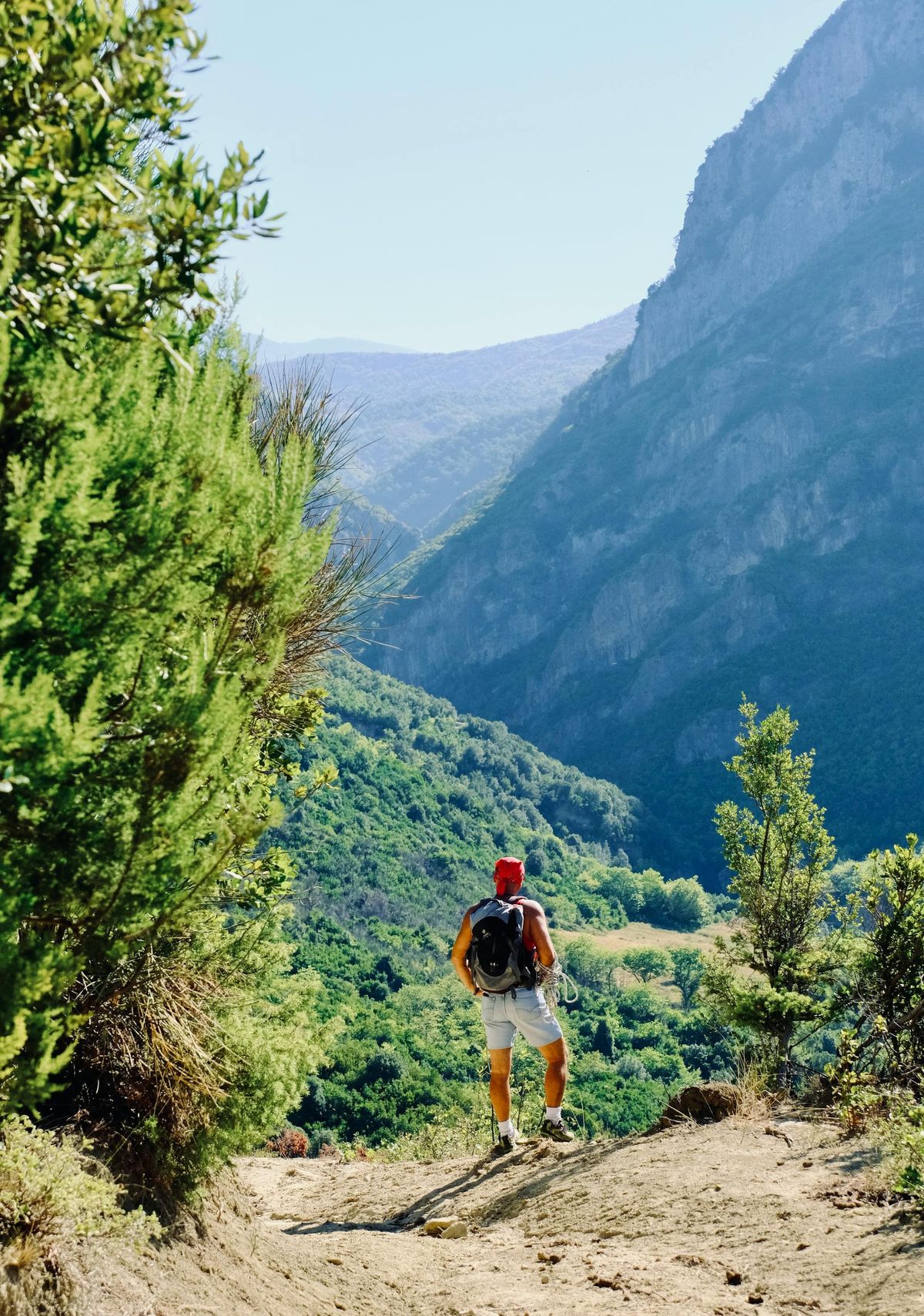
Hiking at 80 degrees is the temperature where most trail injuries shift from hypothermia and ice to heat exhaustion, sun exposure, and bug bites. The right system is single-layer moisture-wicking fabric, UPF 50+ sun protection, breathable trail footwear, and a hydration plan that gets you to 1 liter per hour of sustained effort. Pace and fabric matter more than gear at this temperature.
🛒 The Hot Weather Hiking Outfit Forecast Formula




Temperature feel Hot in direct sun (perceived 90F+ on exposed ridges), 5 to 10 degrees cooler in shaded forest. Trail surface can hit 100F+ on exposed rock. Key layer Moisture-wicking short-sleeve tee (synthetic or merino). Linen does not work for sustained effort. Base layer None. Single technical layer is the entire upper system. Avoid Cotton anything, denim, dark colors on exposed trails, brand-new boots, hydration bladders smaller than 2 liters for hikes over 90 minutes Footwear Trail runners with mesh upper, light hiking shoes (not boots) for most day hikes Tested in Northeast US summer hikes (Catskills, White Mountains, Shenandoah), Southwest desert in shoulder season (Sedona, Joshua Tree), Sierra Nevada below 8,000 feet
4 Outfit Options for Hot Weather Hiking
1. The Standard Day Hike (3 to 6 miles)
Built for a half-day hike on moderate terrain in 80F. Sweat-wicking, sun-protected, easy to layer down at the summit.
- Top: Hanes Cool Dri or Nike Dri-FIT short-sleeve tee in light color
- Bottoms: Lightweight hiking pants or convertible zip-offs
- Outer: Patagonia Houdini packable wind shell in the pack (for ridges, summits)
- Shoes: Hoka Speedgoat, Salomon Sense Ride, or similar trail runner
- Accessories: Coolibar UPF 50+ sun hat, polarized sunglasses, 2L hydration bladder
2. The Long-Sleeve UPF Variant (Exposed Terrain)
When the trail is above tree line or all-day sun exposure (desert, ridge walks, alpine meadows). Counterintuitive but the long sleeve outperforms bare arms.
- Top: Long-sleeve UPF 50+ sun hoodie (Outdoor Research Echo or similar)
- Bottoms: Lightweight hiking pants (not shorts; legs need the same UPF coverage)
- Shoes: Trail runners or light hiking shoes
- Accessories: Wide-brim sun hat with neck flap, sunglasses, electrolyte tablets in the pack
3. The Casual Easy Trail (under 3 miles)
Short loops, kid-friendly trails, walking paths in state parks. Active-casual that does not require gear specificity.
- Top: Performance tee or technical short-sleeve
- Bottoms: Athletic shorts or lightweight joggers
- Shoes: Cushioned road-to-trail like Hoka Clifton 10
- Accessories: Baseball cap, 24 oz water bottle, sunscreen
4. The Backpacking Day at 80F
Sustained miles over multiple days. Repeat-wear fabrics, weight matters, base layer doubles as sleep layer.
- Top: Merino short-sleeve tee (merino dries 80% faster than cotton and resists odor for 5+ days)
- Bottoms: Convertible zip-off pants in nylon-spandex blend
- Outer: Packable wind shell for evenings (camp temps drop 15F after sundown)
- Shoes: Trail runners with replaceable insoles, sized half-size up for foot swell
- Accessories: Sun hoodie for full-sun stretches, gaiters for scree, headlamp

Hanes Cool Dri Performance Tee
Polyester with engineered moisture wicking that moves sweat off skin in 3 to 5 minutes. The budget version of trail-specific technical tees that perform the same job at the same temperature.
Shop This PickWhat to Wear and What to Skip
Do:
- Choose moisture-wicking synthetic or merino over cotton; cotton stays wet and chills you on shaded descents
- Drink 1 liter of water per hour of sustained effort at 80F+; pre-hydrate the night before for hikes over 4 hours
- Wear UPF 50+ for sustained sun exposure; 30 minutes of unprotected sun at trail elevation burns most skin tones
- Size trail shoes half a size up; feet swell on long descents and shoes that fit at the trailhead will pinch by mile 6
- Add electrolytes (Liquid IV, LMNT, Nuun) to water above 90 minutes of effort to replace sodium and potassium
Skip:
- Cotton t-shirts; they absorb sweat, stay wet for hours, and chill you the moment you stop moving
- Denim or cotton shorts; same problem plus heat retention
- Brand-new hiking boots; break in for at least 20 miles on flat terrain before tackling elevation
- Skipping the sun hat; the top of your head is the primary heat-loss zone and also burns fast at altitude
- Hydration bladder smaller than 2L for any hike over 90 minutes; running out of water at mile 4 is when injuries start
Best Shoes for Hot Weather Hiking
Trail runners with mesh upper are the right call for most 80F day hikes. The mesh upper breathes, the lugged sole grips, and the lower profile is faster on moderate terrain. Examples include Hoka Speedgoat 6, Salomon Sense Ride 5, and Altra Lone Peak 9. Price range: $135 to $180.
Cushioned road-to-trail hybrids work for casual hikes and well-maintained state park trails. More comfortable on pavement approaches than full trail runners. Examples include Hoka Clifton 10, Brooks Cascadia 18, and New Balance Fresh Foam Hierro. Price range: $130 to $170.
Light hiking shoes (not boots) for hikers who want more ankle protection. Mid-cut models add support without the heat retention of full hiking boots. Examples include Merrell Moab 3 Mid Ventilator, Salomon X Ultra 4, and Keen Targhee III. Price range: $130 to $200.
Sport sandals with rugged sole for water crossings, swimming holes, or shorter loops near the trailhead. Not for technical terrain. Examples include Teva Hurricane XLT2, Chaco Z/Cloud, and Keen Newport H2. Price range: $80 to $130.
Avoid: Full hiking boots in 80F weather (they trap heat and add 1 to 2 pounds per foot). Trail runners that fit perfectly at the trailhead with no break-in. Open-toe sandals for technical terrain. Cotton socks (cause blisters; switch to wool blend or synthetic).

Hoka Clifton 10
Daily-trainer foam cushions descents better than typical trail-running foam, and the mesh upper breathes well enough for sustained 80F effort. The right shoe for casual to moderate trails where you want road-and-trail compatibility.
Shop This Pick5 Mistakes People Make Hiking in Hot Weather
- Wearing cotton: Cotton absorbs 25 times its weight in water and stops insulating the moment it gets wet. At 80F on the trail you sweat through a cotton tee in 20 minutes; for the rest of the hike you are carrying a soaked shirt that will chill you on any shaded descent or summit wind.
- Skipping electrolytes: At 80F+ you can lose 1 to 2 grams of sodium per hour through sweat. Plain water replaces fluid but not the salt, and severe sodium depletion (hyponatremia) is more common in summer hikers than dehydration. A single Nuun tablet or Liquid IV packet per liter handles it.
- Boots when trail runners would do: Full hiking boots add 1 to 2 pounds per foot, trap heat, and slow you down on moderate terrain. For day hikes under 8 miles on maintained trails, trail runners outperform boots in every way at 80F.
- Underestimating sun on exposed ridges: UV index at trail elevation can hit 11+ on summer afternoons. Sunscreen wears off in 90 minutes with sweat. UPF 50+ clothing maintains protection without reapplication. A long-sleeve UPF sun hoodie in 80F can be cooler than bare skin because it blocks 95% of UV and creates an air gap that buffers heat.
- Starting too late in the day: Most hot-weather hiking injuries (cramps, heat exhaustion, dehydration) happen on the afternoon return when the trail is hottest and you have been exerting for hours. Start at 6 AM if you can, finish by noon. The temperature on a south-facing slope at 2 PM is 10 to 15 degrees hotter than the official forecast.
Why This Approach Works
At 80F your body sheds heat through three mechanisms: radiation (heat leaving skin), convection (air past skin), and evaporation (sweat). Sustained effort on a trail doubles your heat production, which means the cooling system has to work twice as hard. The fabric you wear either helps or hurts that process. Synthetic moisture-wicking and merino help; cotton, denim, and unprocessed wool hurt.
Hydration math at 80F: you lose roughly 1 liter of water per hour of sustained hiking effort, more on exposed ridges, more if you are out of shape. A 4-hour hike requires 3 to 4 liters of water minimum, plus electrolytes after the 90-minute mark. Running out at mile 4 of a 6-mile hike is when most heat-related injuries start.
Footwear physics: trail runners have mesh uppers that allow airflow, which keeps feet cooler. Hiking boots have full leather or synthetic uppers that retain heat. Foot temperature on a trail in 80F summer hits 95F+ inside a closed boot versus 85F in a trail runner. Cooler feet swell less, get fewer blisters, and last more miles.
Sun protection is the under-rated piece. Trail elevation reduces atmospheric UV filtering, so a 4,000-foot summit has roughly 25% more UV than sea level. Sunscreen wears off in 90 minutes with sweat. UPF 50+ shirts and a wide-brim hat maintain protection through the full hike without reapplication, which is one less thing to remember when you are tired and hot.
⭐ Nate's Pick
Hoka Clifton 10
Daily-trainer foam absorbs the 5-mile descent better than typical trail-running foam, and the mesh upper breathes well enough for sustained 80F effort. The single shoe that handles road-to-trail in summer heat.
Shop This PickFrequently Asked Questions
What should I wear hiking in 80 degree weather?
A single moisture-wicking layer (synthetic short-sleeve or merino), lightweight hiking pants or shorts, trail runners with mesh upper, a UPF 50+ sun hat, and a packable wind shell in the pack. The single-layer system is more efficient at this temperature than any combination of two layers.
Are jeans okay for hiking in summer?
No. Denim is 12 to 14 oz cotton that holds sweat against your legs, takes hours to dry, and chafes when wet. The standard summer hiking pant is nylon-spandex blend in 4 to 6 oz weight, often with zip-off legs that convert to shorts.
Should I wear long sleeves hiking in hot weather?
On exposed terrain with sustained sun (alpine meadows, desert, ridge walks), yes. A loose UPF 50+ long-sleeve sun hoodie can be cooler than bare arms because it blocks 95% of UV and creates an air gap that buffers heat. The catch is the shirt must be loose-fit, light-colored, and made for the purpose (Outdoor Research Echo, Patagonia Capilene Cool, REI Sahara). Standard long-sleeve cotton is hotter than bare skin.
Do I need hiking boots in summer or can I wear trail runners?
Trail runners outperform boots for almost all day hikes under 8 miles on maintained trails. They breathe better, weigh less, and grip the same. Reserve hiking boots for: multi-day backpacking with heavy packs (over 35 pounds), technical scrambling that requires ankle support, or off-trail bushwhacking. For standard day hikes in 80F, trail runners win.
How much water do I need for an 80 degree hike?
Plan for 1 liter per hour of sustained effort, with extra for exposed sections. A 4-hour hike requires 3 to 4 liters minimum, with electrolytes (Nuun, Liquid IV, LMNT) added after the 90-minute mark to replace sodium. Carry 50% more than you think you need; running out at mile 4 is when injuries start.
Related Guides
- What to Wear Sightseeing All Day and Dinner Out
- What to Wear Hiking in 60 Degree Weather
- What to Wear Hiking in 50 Degree Weather
- What to Wear in 85 Degree Weather
- What to Wear Running at 50F
- What to Wear Kayaking
- What to Wear to a Music Festival
- What to Wear Running in Hot Weather
- What to Wear to the Beach - Three formulas for a beach day from parking lot to post-beach lunch.
- What to Wear Camping in Summer
Powered by Outfit Forecast Formulas. Forecast x Occasion x Body.