What to Wear in 85 Degree Weather
Breathable fabrics, single-layer dressing, and footwear that handles sun-warmed pavement. Exactly what to wear in 85 degree weather without overheating.

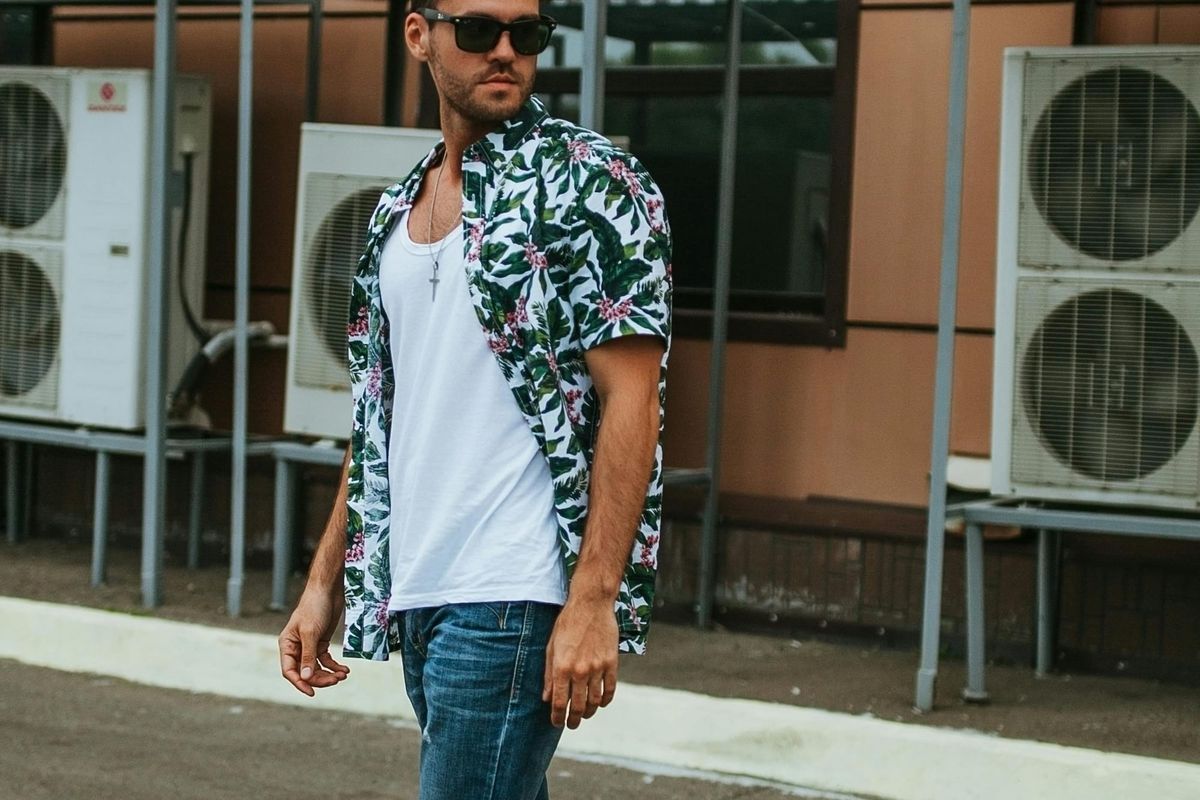
Eighty-five degrees is the temperature where layering hurts you. One light layer in moisture-managing fabric beats any combination of two pieces, because the second layer traps the heat your body is trying to release. Linen, cotton voile, silk-blend, or technical synthetic on top, breathable bottoms, and footwear with airflow. That is the entire system at 85 degrees.
🛒 The 85 Degree Outfit Forecast Formula


Temperature feel Hot in direct sun (perceived 95+ with no shade), tolerable in shade with airflow. Sun-warmed pavement adds another 10 to 15 degrees to feet. Key layer Single layer only. Linen, cotton voile, silk-blend, or moisture-wicking synthetic. Base layer None needed. One top is the entire upper outfit. Adding layers traps heat. Avoid Denim (slow to dry), polyester without wicking, dark colors, anything tight, leather closed-toe shoes Footwear Sport sandals with cushioned footbed, mesh sneakers, or canvas slip-ons Tested in Mid-Atlantic and Southeast US summers, NYC July, LA in August, sustained 82 to 88F with 40 to 60% humidity
4 Outfit Options for 85 Degree Weather
1. The Standard Casual
Daily-wear outfit for 85F that handles errands, brunch, or a 5-mile walk through the city.
- Top: Linen short-sleeve or cotton voile shirt, unbuttoned over a Hanes Cool Dri tee or as a standalone
- Bottoms: Lightweight chinos in cotton-linen blend, or knee-length shorts in similar fabric
- Shoes: Birkenstock Arizona EVA, NORTIV 8 sport sandals, or low-profile canvas sneakers
- Accessories: Coolibar UPF 50+ sun hat, polarized sunglasses
2. The Active Day
When you will be moving for several hours. Aim for moisture-wicking synthetic that dries fast.
- Top: Performance tee (Hanes Cool Dri or Nike Dri-FIT)
- Bottoms: Lightweight joggers or athletic shorts
- Shoes: Cushioned trainer with mesh upper
- Accessories: Baseball cap, hydration plan (32 oz water minimum for 2+ hours outdoors)
3. The Smart-Casual
For a 85F day with a dinner reservation, work meeting, or anywhere a t-shirt is too casual.
- Top: Linen-blend button-down with sleeves rolled to mid-forearm
- Bottoms: Dress chinos in cotton-linen blend, lighter color
- Shoes: Leather penny loafer or canvas Chuck 70 (no socks at this temperature)
- Accessories: Minimal: watch, no belt with loafers if linen pants
4. The Outdoor Event
Backyard BBQ, farmer's market, outdoor concert at 85F. Built for sustained sun exposure.
- Top: Long-sleeve UPF 50+ shirt (counterintuitive but blocks sun, often cooler than bare skin in direct sun)
- Bottoms: Lightweight linen pants
- Shoes: Sport sandals or canvas sneakers
- Accessories: Wide-brim sun hat, polarized sunglasses, reusable water bottle

COOFANDY Linen Shirt
Lightweight linen-blend with an open weave that lets air move through. The fabric holds itself off your skin instead of clinging, which is the whole point of linen at this temperature.
Shop This PickWhat to Wear and What to Skip
Do:
- Stick to single-layer dressing; adding a second layer traps heat instead of helping
- Choose hollow-fiber fabrics like linen and bamboo that move air better than cotton at the same weight
- Wear UPF 50+ on extended sun exposure; bare skin in 85F sun burns within 30 minutes for most skin tones
- Pre-hydrate before going outside; you lose roughly 1 liter of water per hour of sustained activity at 85F
Skip:
- Denim (12 oz fabric, slow to dry, holds sweat against skin for hours)
- Polyester without engineered wicking; standard poly traps heat like a plastic bag
- Tight-fit anything; the gap between fabric and skin is where heat exchange happens
- Dark colors in direct sun; black absorbs 95% of visible light energy versus 30% for white
- Heavy leather closed-toe shoes; feet swell in heat and shoes already broken in start to pinch
Best Shoes for 85 Degree Weather
Sport sandals with cushioned footbeds are the right call when walking distance is involved. The open structure lets feet breathe and the footbed handles 5+ miles. Examples include Birkenstock Arizona EVA, NORTIV 8 Sport Sandal, and Teva Hurricane XLT2. Price range: $40 to $130.
Canvas slip-ons or low-top sneakers for smart-casual contexts where sandals are too informal. Canvas breathes better than leather; slip-ons skip the sock requirement. Examples include Vans Authentic, Converse Chuck 70, and TOMS Classic. Price range: $50 to $90.
Mesh-upper running shoes for active or sustained walking days. The mesh creates passive airflow that leather and canvas do not. Examples include Hoka Clifton 10, Brooks Ghost 16, and Adidas Ultraboost Light. Price range: $130 to $200.
Leather espadrilles or huaraches for the smart-casual no-socks outfit. Breathable upper, leather sole, polished look. Examples include Soludos Smoking Slipper, Castaner Pablo, and Manebi Hamptons. Price range: $80 to $180.
Avoid: Boots of any kind, full leather closed-toe dress shoes with thick socks, anything fully synthetic without ventilation. Your feet swell roughly half a size in 85F heat; shoes that fit at 65F can pinch by 2 PM.

NORTIV 8 Sport Sandals
Closed-toe sport sandal with a cushioned footbed that handles 5-mile walking on sun-warmed pavement. Open enough for airflow, structured enough that feet do not swell out of place by mid-afternoon.
Shop This Pick5 Mistakes People Make Dressing for 85 Degree Weather
- Wearing denim: Denim is 12 to 14 oz cotton with a tight weave. At 85F it traps body heat against your legs and holds sweat for hours instead of letting it evaporate. Switch to linen, linen-blend chinos, or cotton voile pants.
- Adding a layer 'in case it gets cold inside': Indoor AC at 85F outdoor weather usually targets 72 to 75F, not 65F. A long-sleeve UPF shirt or light overshirt handles AC; a fleece or sweater overcorrects and you carry it all day.
- Skipping sun protection: Sunscreen wears off in 2 hours, especially with sweat. UPF 50+ clothing maintains protection without reapplication. The Coolibar sun hat alone reduces face-and-neck sun exposure by roughly 90%.
- Tight athletic wear: Compression shorts and fitted tees might be designed for performance but at 85F they prevent the airflow that does the cooling. Loose-fit cotton voile or linen outperforms compression at high temperatures.
- Wearing the same outfit for outdoor and indoor: A 85F outdoor day with 75F AC indoors creates a 10F differential. Most people sweat outside, walk into AC, and then sit in a cold damp shirt for an hour. A linen overshirt that comes off outdoors and goes on indoors solves it.
Why This Approach Works
At 85F your body is shedding heat through three mechanisms: radiation (heat leaving skin), convection (air flowing past skin), and evaporation (sweat). Fabric that helps with the third (wicks moisture) and does not interfere with the second (air permeability) is what 'cool clothing' actually means.
Linen scores highest on air permeability. The hollow flax fiber creates air channels through the weave, and the fiber itself does not cling to skin the way cotton does. Cotton voile (60 to 80 gsm cotton plain weave) is a close second because it is much lighter than the cotton in a t-shirt (around 150 gsm). Both let air move 30 to 50 percent faster than standard cotton.
Color matters too. Dark colors absorb roughly 95 percent of incident visible light, which converts to heat at the fabric surface. White reflects about 70 percent of that energy. The practical difference at 85F in direct sun is 5 to 10 degrees of perceived heat between a black shirt and a white one of the same fabric.
Footwear is the under-rated piece of the system. Sun-warmed pavement adds 10 to 15 degrees to foot temperature, and feet swell roughly half a size in sustained heat. Open-foot or breathable-upper shoes prevent the 'shoes that fit at 65F suddenly pinch at 2 PM' problem.
⭐ Jordan's Pick
COOFANDY Linen Shirt
Linen at 85F is the single most useful piece in the warm-weather wardrobe. The hollow flax fiber moves air at 30 percent more volume than cotton, and the slight stiffness holds the fabric off your skin instead of plastering to it.
Shop This PickFrequently Asked Questions
How should I dress for 85 degree weather?
Single-layer dressing in linen, cotton voile, silk-blend, or moisture-wicking synthetic. Avoid denim and dark colors. Choose breathable footwear like sport sandals or canvas sneakers. The full system is one top, one bottom, and footwear that lets feet breathe. Adding a second layer makes you hotter, not better-equipped.
Are jeans too hot for 85 degree weather?
Yes, for sustained wear. Denim is 12 to 14 oz cotton in a tight twill weave that traps body heat and holds sweat for hours. For a 30-minute errand jeans are fine; for 4+ hours outdoors switch to linen-blend chinos, cotton voile pants, or lightweight technical fabrics.
What is the 3-3-3 rule for clothing in hot weather?
The 3-3-3 rule is a packing principle for travel: 3 tops, 3 bottoms, 3 pairs of footwear, picked to mix and match into 27 outfits for a week-plus trip. For 85F travel that translates to: 3 linen or cotton-voile tops, 2 pairs of lightweight pants plus 1 pair of shorts, 1 pair of sport sandals plus 1 pair of canvas sneakers plus 1 pair of leather espadrilles for dinners.
What should I wear in 84 to 88 degree weather to stay cool?
Light colors over dark (lower energy absorption from sun), natural fibers over synthetics (better airflow), single layer over multiple layers (no heat trapping), and loose fit over tight fit (more airflow against skin). UPF 50+ clothing helps if you will be in direct sun for more than 30 minutes. Coolibar, Solbari, and Coolibar make the most reliable UPF wear.
Is 85 degrees too hot to wear long sleeves?
Counterintuitively, no. A loose-fit UPF 50+ long-sleeve shirt in light color can be cooler than bare skin in direct sun because it blocks 95% of UV and creates a thin air gap that buffers heat. The catch is the shirt must be loose and light-colored. A tight dark long-sleeve in 85F is hotter than bare skin.
Related Guides
- What to Wear in 78 Degree Weather
- What to Wear in 80 Degree Weather
- What to Wear in 90 Degree Weather
- What to Wear in 80F Humid Weather
- What to Wear to an Outdoor Concert in Summer
- What to Wear Golfing
- What to Wear to a 4th of July Party
- What to Wear Hiking in 80 Degree Weather
- What to Wear on a Cruise
- What to Wear to a Beach Wedding
- What to Wear on Father's Day
- What to Wear Running in Hot Weather
- What to Wear in 100 Degree Weather
- What to Wear When It's Hot Outside but Cold Inside — The outdoor-to-indoor layering formula for summer days when AC drops the indoor temperature 15 to 20 degrees below the street.
- What to Wear When Morning Is Cool and Afternoon Gets Hot
- What to Wear in Chicago in Summer
Powered by Outfit Forecast Formulas. Forecast x Occasion x Body.