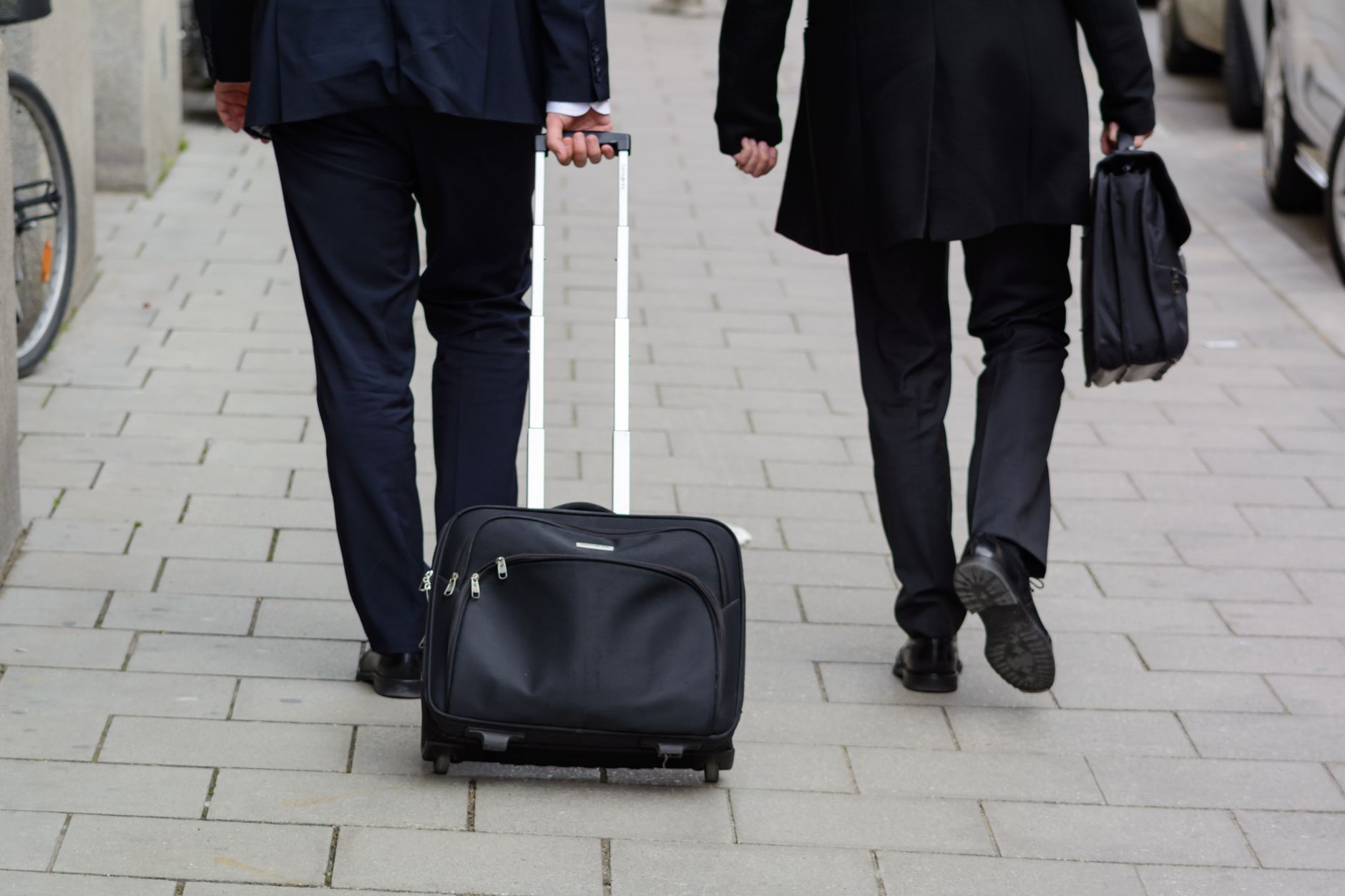
What to Wear to Your First Day at a New Job
For a first day at a new job, wear a structured blazer or sheath over a polished base, with low-profile shoes you can stand in all day. Your first-day outfit reads as a signal, not a statement. Three formulas plus the layer, footwear, and bag picks, so you walk in calm.

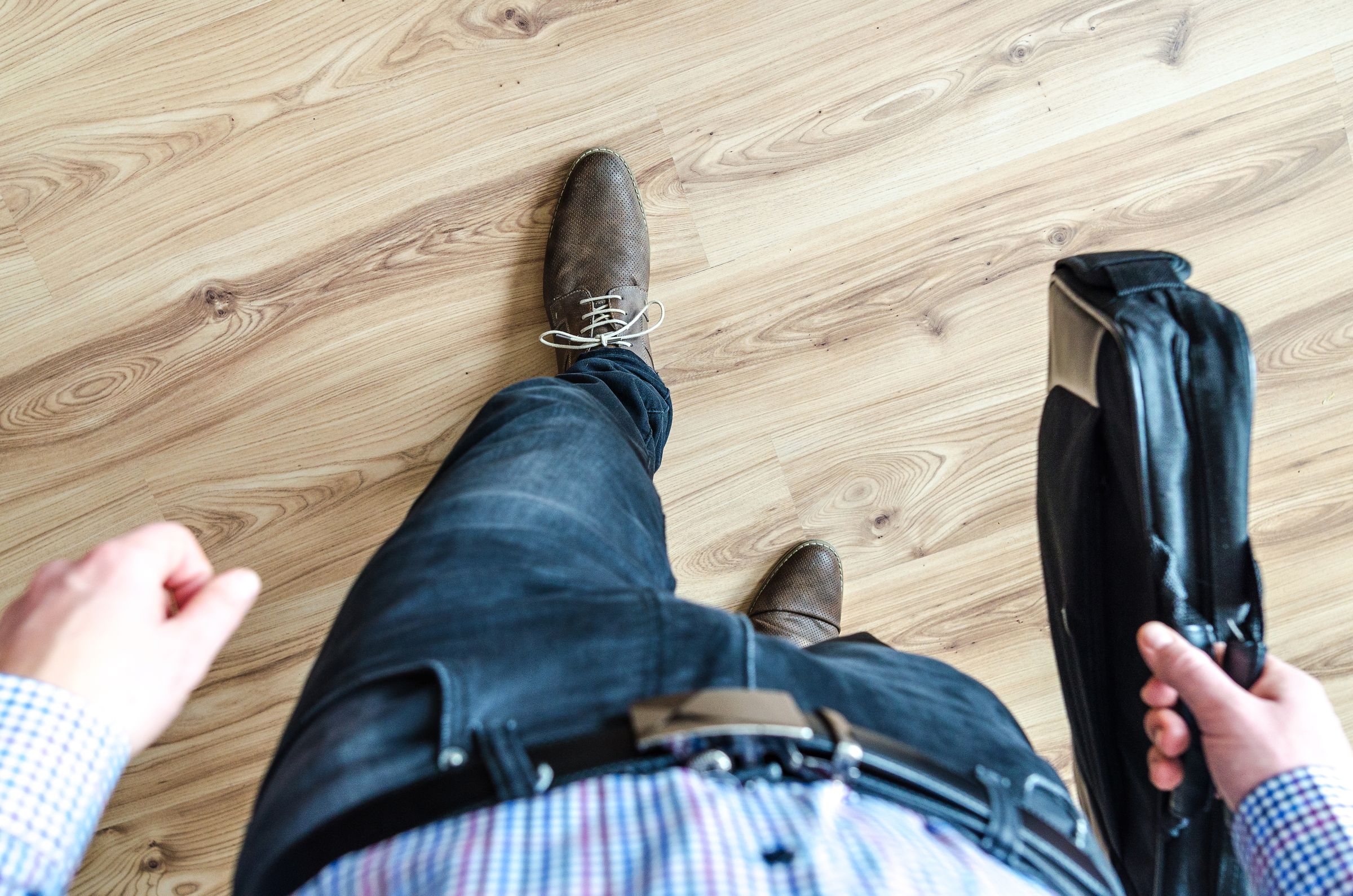
A first day at a new job is a low-stakes way to look high-stakes ready. Dress one notch above the role description, lean on a structured layer plus a polished base, and pick shoes you can keep on from the orientation room to the after-work happy hour. The point is to read as someone who belongs, not someone who is trying too hard. You want the outfit to be the last thing on your mind by 10 AM, when introductions wrap up and the actual work starts.
I learned this the year I wore brand-new heels to a first day at a Tribeca PR firm and spent the afternoon limping between the kitchen and the printer. The heels were the right idea on paper. They were the wrong call for a day that included a 12-block walk to lunch, four floors of office tours, and a HR sit-down that ran 90 minutes past its scheduled end. The lesson stuck. Polished is a feeling, not a heel height.
🛒 The First Day Outfit Forecast Formula



Dress code One notch above the role description. Structured layer plus polished base. Key layer Structured blazer or sheath dress. The piece that sets the formality. Base layer Pressed button-down, fine merino knit, or scuba-crepe sheath. Wrinkle-resistant. Avoid Brand-new shoes, jeans, loud logos, strong fragrance, anything that needs constant adjusting. Footwear Pointed-toe flats, low loafers, or cap-toe oxfords. Sub-2-inch heels max. Tested in Manhattan business-casual office Tuesday in June, plus a Boston law firm Monday in October.
The First Day Outfit Formulas
The Sheath-plus-Blazer Formula
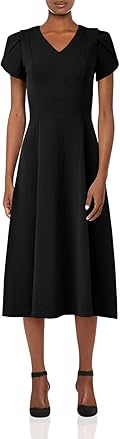
A knee-length sheath dress in navy or charcoal under a structured blazer, with low-profile flats or a sub-2-inch block heel and a leather tote that fits a notebook plus a water bottle. This is the most reliable first-day setup across business casual and business professional offices, especially in industries where you are walking into a sea of suits, blazers, and polished knits. The sheath does the polished work on its own; the blazer adds the structure that signals you came ready. If the building runs cold (most do, in June), keep the blazer on through orientation and shed it at lunch. If your new manager is in shirtsleeves by 10 AM, follow the lead and drape the blazer over your chair.
The Tucked Button-Down Plus Chinos Formula
A pressed cotton button-down or a relaxed linen-blend Airtex shirt, tucked into slim chinos in stone, olive, or navy, with a leather loafer or oxford and a structured belt. This is the right setup for a business-casual office where suits are rare but a t-shirt would feel underdressed. The tuck is the part that does the work. A button-down worn untucked reads as a Friday-after-work choice; tucked, it reads as someone who showed up on purpose. If your new office leans tech-casual, keep the tuck for the first day and the first week, then read the room before relaxing.
The Polished Knit Plus Trousers Formula
A fine-gauge merino or cotton knit (short sleeve in summer, long sleeve any other time) over straight-leg trousers in a midweight wool blend or stretch cotton, with a closed-toe flat or low loafer. This is the smart move when the office culture is genuinely creative or tech-forward and a blazer would read as overdressed. The polished knit signals care without signaling formality. Keep accessories minimal. A small leather watch, one ring, simple earrings. The outfit reads as confident and quiet rather than carefully arranged.

Haggar Dress Pants
Wrinkle-resistant stretch dress pants that keep a pressed crease through orientation, office tours, and the after-work happy hour. Stone or charcoal are the safest first-day picks.
Shop This PickDo / Don't
- Do dress one notch above the offer-letter dress code. Underdressed is harder to recover from than overdressed.
- Do break in any new shoes for at least three full days of wear before the first day.
- Do pack a backup top and a stain stick in your bag. Coffee spills on first days are not rare.
- Don't wear a brand-new outfit head to toe. Mix in at least one piece you already trust.
- Don't pick anything with a strong fragrance, a loud logo, or a fit that requires constant adjustment.
- Don't show up in athleisure even if you saw it on the company Instagram. The Instagram is staged. Onboarding day rarely is.
Best Shoes for a First Day at a New Job
Pointed-toe flats work well for women across business casual and business professional offices. Examples include the Cole Haan Pinch Penny, the Cole Haan Tali, and the Vionic Spark. Price range: 50 to 130 dollars. The Felicia is the most reliable first-day pick because it breaks in fast and reads as polished without committing to a heel.
Low loafers and penny loafers work well for men across business casual and the more relaxed end of business professional. Examples include the Cole Haan Pinch Penny, the Dockers Sinclair, and the Allen Edmonds Sutton. Price range: 90 to 300 dollars. The penny loafer reads as polished without the formality of a lace-up oxford.
Cap-toe oxfords are the right answer for men in conservative industries like law, finance, and traditional consulting. Examples include the Clarks Tilden, the Cole Haan Lenox Hill, and the Allen Edmonds Park Avenue. Price range: 90 to 400 dollars. Stick to black leather for the most conservative roles; polished walnut works in slightly more relaxed firms.
Avoid: brand-new shoes you have not broken in, anything with a heel above three inches, open-toed sandals in most offices, and athletic sneakers outside of confirmed sneaker-friendly tech offices.

Cole Haan Penny Loafer
A classic leather penny loafer that reads polished in a conference room and stays comfortable through a full day of office tours. Black leather is the safest first-day pick.
Shop This PickMistakes People Make
- Wearing brand-new shoes. A blister at 10 AM colors the rest of the day and the rest of the week. Wear shoes you have already walked at least 10 miles in.
- Dressing to the company Instagram, not the actual office. Public-facing brand photography skews casual. The office on a Tuesday in June is usually a half-step more formal than what the social grid shows.
- Overcommitting to a single trend. A first day is the wrong day to test a wide-leg silhouette, a strong color, or a piece you have not worn before. Save the trend pieces for week three.
- Skipping the office-temperature check. Office air conditioning runs colder in summer than in winter. Plan a layer you can keep on through a frigid 4-hour orientation, then shed at lunch.
- Not packing a backup. A spare top, a stain stick, deodorant, and a hair tie sit in the bag for a reason. First days are long and the bathroom is the only place to fix anything.
Why This Approach Works
The dress-one-notch-above rule comes from a real workplace pattern. By week two, you can read the office dress code in five minutes of standing in the kitchen. On day one, you cannot. The notch-above choice gives you margin in both directions: if the office is dressier than expected, you fit; if it is more relaxed, you read as someone who took the day seriously.
The structured layer matters more than any single base piece. A blazer does two jobs: it sets the formality of the whole outfit, and it gives you a temperature buffer in spaces that run 65F at the desk and 78F on the sidewalk. Most modern office buildings hold conference rooms 5 to 8F colder than the rest of the floor for HVAC efficiency. A 4-ounce wool blazer handles that swing in a way that a thin cardigan does not.
Fabrics that look right on a first day share three traits. They hold shape across a sit-stand-sit day (scuba-crepe, midweight wool blends, fine merino, stretch cotton sateen). They resist obvious wrinkles (anything with at least 4 percent elastane). And they bead light coffee rather than absorbing it. Linen wrinkles by design, which reads casual; save linen for week two.
⭐ Claire's Pick

Tommy Hilfiger Blazer
A structured one-button blazer that sets the polish of the whole outfit and earns its place in your weekly rotation past day one.
Shop This PickFrequently Asked Questions
What should I wear on the first day if the office is business casual? A tucked button-down or polished knit over chinos or slim trousers, with a low loafer or pointed-toe flat. Add a structured blazer if you want a clean upgrade for the morning. Skip jeans on day one even if the role description allows them.
Can I wear jeans on my first day at a new job? Most of the time, no. Even at offices that allow denim in the weekly rotation, day one is the wrong day to start with the most casual baseline. Wear chinos or trousers and save the jeans for week two, once you have read the room.
Should I wear a suit on my first day? Only if the role description, the interview, or the offer letter specifically signaled a suited environment (law firms, conservative finance, formal consulting). In modern offices a structured blazer with a polished base reads as the right calibration without the suit commitment.
What should I bring in my bag on day one? A small notebook, a working pen, a phone charger, a refillable water bottle, a spare top, a stain stick, deodorant, a hair tie, and a snack. The list is short, the bag is small, and the relief of having any of those items mid-afternoon is hard to overstate.
Related Guides
What should I wear on my first day at a new job?
One step above what you expect daily wear to be. If the office is business casual, wear a blazer over your outfit on day one. If it is casual, wear clean dark jeans and a collared shirt instead of a tee. First impressions set the tone.
Is it better to overdress or underdress on your first day?
Slightly overdress. You can always remove a blazer or roll your sleeves, but you cannot upgrade a wrinkled tee. Nobody was ever sent home for looking too polished on day one. Underdressing signals you did not care enough to try.
Should I wear new shoes on my first day of work?
Only if you have broken them in beforehand. New shoes that pinch or blister will distract you all day. Wear shoes you know are comfortable and look clean. Nobody notices your shoes unless they are beaten up or brand new and squeaking.
What colors are best for a first day at work?
Navy, charcoal, white, and light blue are universally safe across industries. Avoid loud patterns, neon, or all-black (which can read as too formal or too casual depending on the cut). Neutral foundations let your work speak first.
- What to Wear to a Job Interview
- What to Wear to Court
- What to Wear for Jury Duty
- 18C Layering System for Business Travel
- What to Wear to a Graduation
- What to Wear Back to the Office
- What to Wear Back to School as a Teacher
- What to Wear to a Conference
About the Author: Claire Maddox is a fashion journalist and weather-styling writer based in the Northeast, covering function-meets-style outfit guidance for first days, weddings, and city-by-month travel. Read more from Claire.
Powered by Outfit Forecast Formulas. Forecast x Occasion x Body.