What Is Adaptive Clothing?
Adaptive clothing is any garment redesigned to make dressing easier for people with disabilities, limited mobility, chronic pain, sensory sensitivities, or age-related dexterity challenges. Common modifications include magnetic closures, side openings, and elastic waistbands.

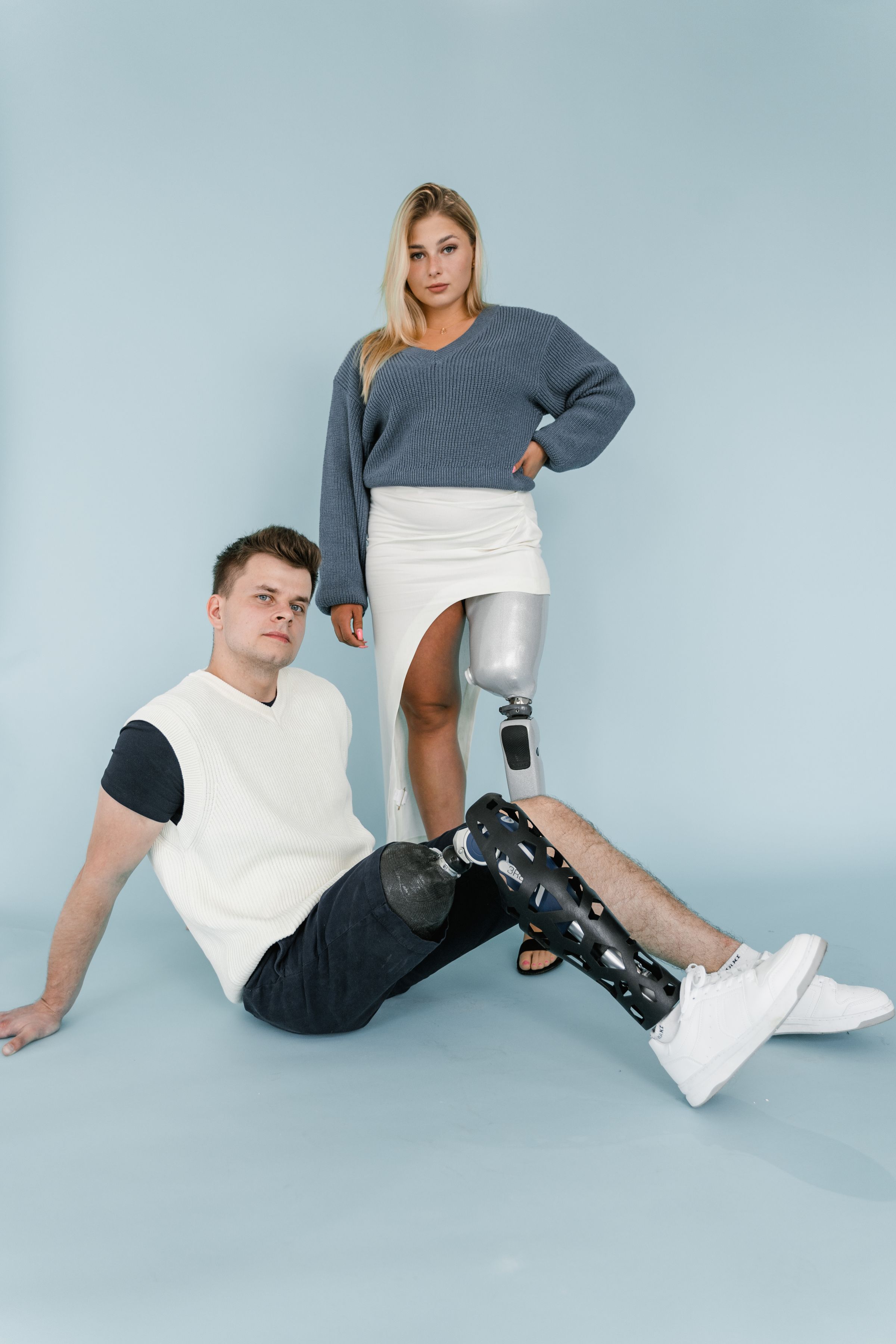
Adaptive clothing is everyday clothing redesigned so the dressing motion is easier. Magnetic closures stand in for buttons, side seams open instead of front zippers, and footwear closes with a single pull rather than laces. The category has matured to the point where mainstream brands like Tommy Hilfiger and Zappos carry full adaptive lines that look identical to standard pieces from the outside.
Outfit Forecast earns a commission when you buy through links on this page, at no extra cost to you. Some brands featured here are owned by the company that publishes Outfit Forecast. Affiliate disclosure
🛒 The Adaptive Fashion Outfit Forecast Formula


Temperature feel Year-round, indoor and outdoor Key layer Open-front jacket, magnetic cardigan, or velcro-tab outer Base layer Magnetic-closure shirt, pull-on top, or side-opening blouse Avoid Small buttons, stiff zipper pulls, lace-up shoes without an alternative Footwear Hands-free slip-in, zipper sneaker, or elastic-gore loafer Built for Daily wear with limited dexterity, joint pain, or caregiver-assisted dressing.
4 Outfit Options for Adaptive Dressing
1. The Independent Daily Look
Built for someone managing their own dressing with reduced grip strength or one-handed use.
- Top: Magnetic-closure shirt or wide-neck pullover
- Mid: Open-front cardigan
- Bottoms: Elastic-waist pant with faux fly
- Shoes: BILLY Footwear or Skechers Slip-Ins
- Accessories: Magnetic-clasp watch band
2. The Seated Wardrobe
Designed for wheelchair users or anyone dressing while seated. Higher rises in back, no bulk at the waist.
- Top: Shorter-front shirt with magnetic placket
- Mid: Open-back top for caregiver assistance
- Bottoms: Seated-cut pants (low in front, high in back)
- Outer: Cape-style or shorter-length jacket
- Shoes: Slip-on with elastic gore
3. The Caregiver-Assisted Outfit
Designed for situations where someone else helps with dressing. Side openings and large pulls are the priorities.
- Top: Open-back or side-opening top
- Mid: Wrap cardigan
- Bottoms: Side-snap or velcro-tab pants
- Shoes: Side-zipper sneaker (BILLY Footwear)
- Accessories: Magnetic jewelry clasps
4. The Smart-Casual Adaptive
For work, restaurants, or dressier occasions where adaptive features need to disappear visually.
- Top: Magnetic dress shirt
- Mid: Unstructured blazer with side or back zip
- Bottoms: Pull-on dress pants with elastic back, faux fly
- Shoes: Elastic-gore loafer or magnetic-closure dress shoe
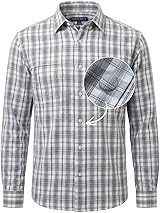
MagnaReady Magnetic Button-Down
Hidden magnets behind decorative buttons. Closes with about 2 pounds of force, well under the grip threshold for most dexterity-loss conditions. Looks identical to a standard oxford from the outside.
Shop This PickWhat to Wear and What to Skip
Do:
- Test every closure with your weaker hand before buying
- Choose magnets over velcro - quieter, faster, last longer
- Look for hidden adaptive features that read as standard clothing
- Match adaptive footwear to the rest of the outfit, not the mobility brand
Skip:
- Pieces marketed as adaptive that look medical or institutional
- Small buttons on cuffs, even on otherwise adaptive shirts
- Velcro that scratches across other fabrics in the wash
- Lace-up shoes without an alternative closure
Best Adaptive Footwear
Hands-free slip-in sneakers use a heel pillow that holds the shoe open so you can step in without bending or using your hands. The category benchmark for adaptive footwear right now. Examples include Skechers Slip-Ins, Kizik Athens, and Nike Go FlyEase. Price range: $70 to $150.
Side-zipper sneakers open wide and close with a single pull. Easier than laces, more secure than slip-on for high-volume feet. Examples include BILLY Footwear Universal, Friendly Shoes Force, and New Balance with side zip. Price range: $70 to $180.
Elastic-gore loafers for smart-casual. The gore expands enough to step in without using your hands. Examples include Cole Haan Pinch Penny, Sebago Dan, and Florsheim Berkley. Price range: $90 to $250.
Magnetic dress shoes for formal occasions. Magnetic clasps replace laces or buckles. Examples include Hatchbacks Adaptive Dress and Friendly Shoes Excursion. Price range: $130 to $250.
Avoid: Lace-up shoes without an alternative closure, slip-ons with collapsible heel counters, anything requiring a buckle or small fastener.

BILLY Footwear Universal Sneaker
Wraparound zipper opens the entire shoe so you can step in flat. Closes with one pull. Works for high-volume feet, AFOs, and one-handed use.
Shop This Pick5 Mistakes People Make Choosing Adaptive Clothing
- Buying pieces that look adaptive: The whole point is to dress without effort and without anyone noticing. Pieces that read as medical-grade undercut the autonomy they support.
- Skipping the at-home test fit: Store mirrors show you a partial view. Test every closure alone, seated, and after fatigue. The closure that works in the store may not work at the end of a long day.
- Velcro everywhere: Velcro is loud, snags fabric, weakens after about 12 months, and reads as adaptive. Magnets are quieter, faster, and last longer.
- Forgetting about socks and underwear: Standard socks and bras require pinch grip and two-handed motion. Loop-pull socks and front-close bras are often the highest-value adaptive swaps.
- Assuming the mainstream brands are equal: Tommy Hilfiger Adaptive uses magnets. Some others use velcro tabs hidden behind decorative buttons. Check the closure type before buying.
Why This Approach Works
Adaptive clothing solves the fine-motor-control bottleneck. Standard closures (buttons, zippers, laces, hooks, snaps) require pinch grip strength around 4 to 8 pounds and fine coordination between thumb and forefinger. Conditions including arthritis, peripheral neuropathy, stroke recovery, multiple sclerosis, and Parkinson's reduce that capacity, often substantially.
Magnetic closures pull together with 2 to 3 pounds of force, well below the dexterity threshold for most conditions. Velcro requires 3 to 5 pounds and fails after 200 to 300 cycles. Hidden side-seam zippers open the entire garment without disturbing the front, which can reduce dressing time from 3 minutes to 30 seconds.
Footwear has the deepest adaptive selection right now because mainstream brands have caught on. Hands-free systems use a heel pillow that holds shape under body weight, so you can step in without bending. The same architecture applies to dress shoes, athletic shoes, and boots, which makes the entire footwear category newly accessible.
⭐ Jordan's Pick
MagnaReady Magnetic Button-Down
MagnaReady's magnetic placket changed adaptive dressing more than any single innovation in the last decade. Looks identical to a standard oxford. Cuts dressing time to seconds.
Shop This PickFrequently Asked Questions
What is adaptive clothing?
Adaptive clothing is designed to be functional for people with disabilities, limited mobility, or specific medical needs while still looking like regular clothes. Common features include magnetic closures that replace buttons, side-seam openings for wheelchair users, easy-on Velcro shoe closures, and seated-friendly cuts that don't bunch when you sit. The category has grown well beyond medical apparel in the last decade and now includes mid-market and premium options that read as everyday style.
Where can I buy adaptive clothing that doesn't look medical?
MagnaReady pioneered magnetic-closure dress shirts that look identical to regular button-downs. Tommy Hilfiger Adaptive runs a full range across men's, women's, and kids' with the same brand styling as the main line. Stride Rite and BILLY Footwear handle adaptive shoes that look like normal sneakers. Independence Day Clothing focuses on seated-friendly cuts. The key is searching by feature (magnetic closures, side-opening, seated cuts) rather than by the word adaptive, which used to signal medical-looking pieces.
What features make clothing adaptive?
The four most common are magnetic closures replacing buttons, hook-and-loop fastenings, side-seam zippers or openings, and one-handed fastening systems. Seated-friendly cuts add extra length in the back and shorter rises in the front so fabric doesn't bunch when seated. Sensory-friendly features include flat seams, removed tags, and softer fabrics for people with autism or sensory sensitivity. The best adaptive pieces use these features invisibly so the garment reads as normal style at first glance.
Is adaptive clothing more expensive than regular clothing?
Sometimes, but the gap is narrowing. Mass-market adaptive lines from Tommy Hilfiger, Target, and Zappos Adaptive are priced in line with their main collections. Premium adaptive options run 20 to 40 percent higher than equivalent non-adaptive pieces because of the additional construction. Independent adaptive brands often sit at the premium end. Most major retailers now stock adaptive at the same prices as regular clothing, so price gaps are most pronounced in specialized categories like dress wear.
Related Guides
- Adaptive Clothing for Limited Dexterity
- What to Wear to a Job Interview
- What to Wear to Court
- What to Wear to a Funeral
- Adaptive Clothing for Cold Weather
- What to Wear to a Job Interview With Limited Dexterity
- What to Wear in Summer Heat With Limited Mobility
- Sensory Friendly Clothing for Adults and Kids
Powered by Outfit Forecast Formulas. Forecast x Occasion x Body.