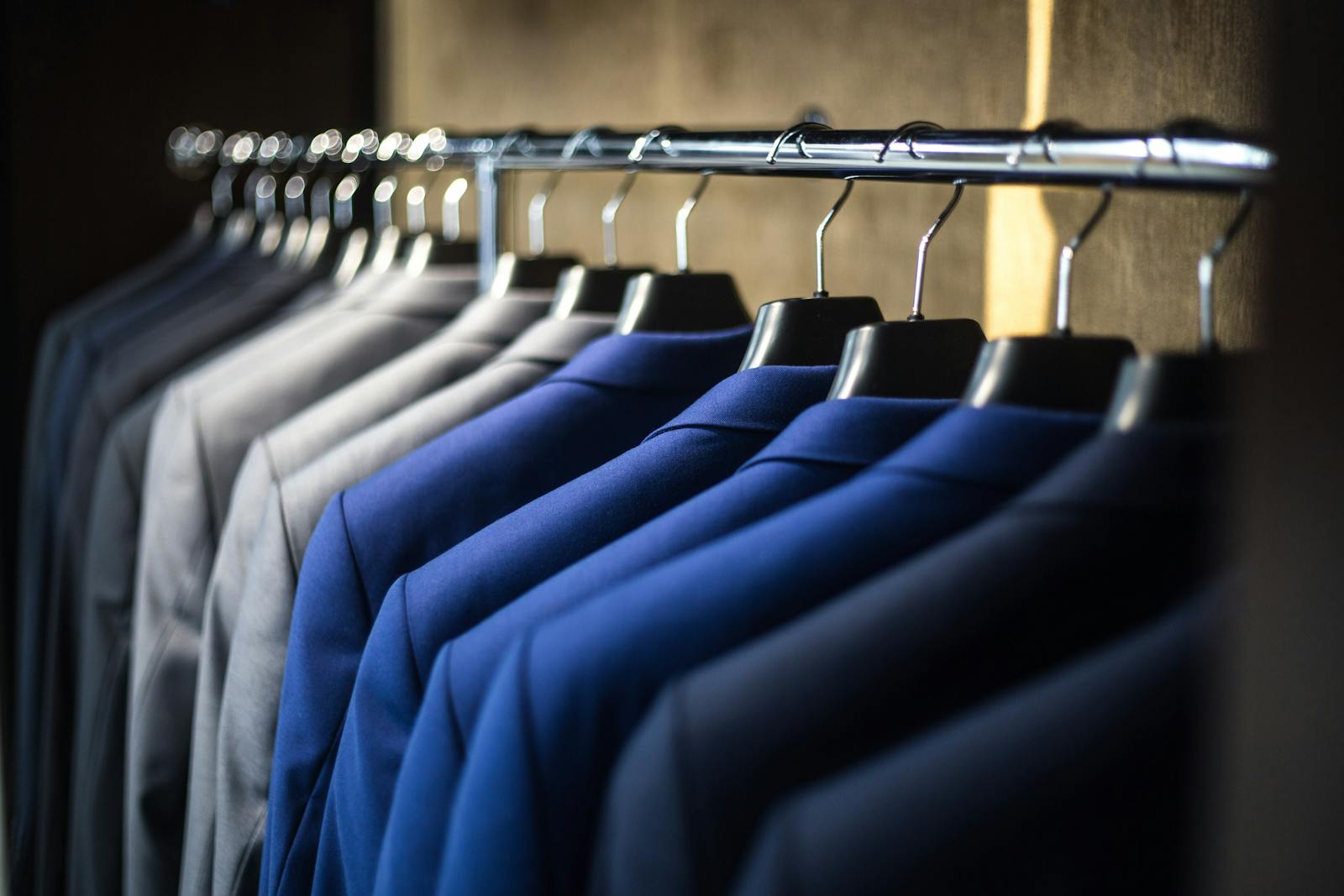
What to Wear in 50 Degree Weather


Related Reading
Fifty degrees is the temperature where layering matters more than any single garment. The morning might feel crisp enough for a jacket and scarf, but by 2 PM, you could be carrying that jacket over your arm. A light outer layer over a breathable mid layer gives you the flexibility to adjust throughout the day, and choosing wool blends or synthetic fabrics over cotton means your clothes work with you instead of against you when your body temperature shifts.
🛒 Products at a Glance — 50°F Essentials


5 Outfit Options for 50°F Weather
Formula 1: The Morning-to-Night Layering Stack
This is my go-to when the forecast shows a 10+ degree swing between morning and afternoon, which happens constantly in April and October in New York. The trick is making every layer look intentional when worn together and when peeled off.
- Base: Fitted long-sleeve merino crew in a neutral color (Wool & Prince Crew Neck, Uniqlo Extra Fine Merino)
- Mid layer: Lightweight knit sweater or cotton-cashmere blend (Everlane Cashmere Crew, J.Crew Everyday Cashmere)
- Outer: Unstructured cotton chore coat or lightweight bomber (Alex Mill Garment-Dyed Work Jacket, A.P.C. MA-1)
- Bottoms: Medium-weight chinos (these breathe better than jeans and look sharper, a genuine advantage at 50°F when denim can feel clammy if you warm up)
- Shoes: Clean leather sneakers or suede desert boots (Common Projects Achilles, Clarks Desert Boot)
- Accessories: Sunglasses, lightweight scarf you can pocket by noon
Formula 2: Smart Casual / Meeting Day
- Base: Oxford cloth button-down or lightweight chambray shirt
- Mid layer: Fine-gauge merino V-neck or crewneck sweater (Charles Tyrwhitt Merino, Bonobos Washable Merino)
- Outer: Cotton or wool-blend blazer, unstructured (no shoulder padding, so it packs easily)
- Bottoms: Wool-blend trousers or tailored chinos (Spier & Mackay dress trousers, Banana Republic Core Temp Chino)
- Shoes: Leather loafers or suede chukkas (G.H. Bass Weejuns, Alden Unlined Chukka)
- Accessories: Leather watch strap (metal bands feel ice-cold on your wrist below 55°F, a small detail but a real one)
Formula 3: Weekend Errands and Farmers Market
- Base: Vintage-fit pocket tee in a heavier cotton or slub jersey
- Mid layer: Flannel shirt, unbuttoned (acts as a light jacket in itself at 50°F)
- Outer: Canvas trucker jacket or waxed cotton jacket (Levi's Sherpa Trucker if you run cold, Barbour Ashby if you want wind protection)
- Bottoms: Relaxed-fit jeans or utility pants (Levi's 501, Stan Ray Painter Pant)
- Shoes: Leather sneakers or canvas boots (Converse Chuck 70 if dry, Blundstone if you suspect rain)
- Accessories: Baseball cap, tote bag for produce
Formula 4: Active Day (Running, Biking, Long Walk)
- Base: Lightweight synthetic short-sleeve tee (you'll warm up fast)
- Mid layer: Thin quarter-zip pullover in synthetic fabric (Nike Dri-FIT Element, Brooks Dash Half-Zip)
- Outer: Packable wind vest or ultralight shell in your pack (for when you stop and cool down)
- Bottoms: Running tights or lightweight joggers (Vuori Sunday Performance Jogger, lululemon ABC Jogger)
- Shoes: Running shoes appropriate to your activity (Brooks Ghost, Nike Pegasus, Hoka Clifton)
- Accessories: Lightweight headband for ears if biking into wind, sunglasses
Formula 5: Evening Out
- Base: Fitted turtleneck or mock neck in merino or cashmere blend (a turtleneck at 50°F does the work of a scarf and looks more intentional)
- Mid layer: None needed if the turtleneck is a true midweight
- Outer: Leather jacket or wool bomber (Schott Perfecto if you own one, AllSaints Milo, Golden Bear Varsity)
- Bottoms: Black slim jeans or tailored wool trousers
- Shoes: Chelsea boots or dress boots (Meermin Chelsea, To Boot New York Stallworth)
- Accessories: Minimal. The outfit should do the talking. Maybe a simple watch.

Goodthreads Merino Wool Sweater
Lightweight merino crewneck that breathes when temps climb but keeps you comfortable in the morning chill. Layer it or wear it solo.
Shop This PickWhat to Avoid in 50°F Weather
Do: - Build your outfit in removable layers (the temperature can swing 10-15°F between morning and afternoon in spring and fall) - Choose fabrics with some structure: wool blends, medium-weight cotton, or cotton-linen blends that hold their shape when you carry a layer - Wear shoes you can actually walk in, because at 50°F you're more likely to walk longer distances than in extreme heat or cold - Check the wind forecast, not just temperature (10 mph wind at 50°F drops the perceived temp to about 43°F)
Don't: - Go sleeveless or wear a tank top, even if the sun is out (50°F in direct sun feels warm, but the moment you step into shade or the wind picks up, bare arms cool rapidly and 15 minutes in, you'll be uncomfortable) - Wear a thick down jacket (your body will overheat within a few minutes of walking, and then you're carrying an awkward puffy coat for the rest of the day) - Default to jeans without thinking about it (denim is one of the slowest-drying fabrics if you sweat or encounter rain, and at 50°F your body is right at the threshold where walking can make you perspire lightly) - Wear brand-new leather shoes without breaking them in (50°F is peak walking weather, you'll cover more ground than you think, and blisters at this temperature are miserable)
Best Shoes for 50°F Weather
Leather sneakers works well for All-day casual, walking. Examples include Common Projects Achilles, Koio Capri, Greats Royale. Price range: $100-280.
Suede chukkas/desert boots works well for Casual to smart casual. Examples include Clarks Desert Boot, Astorflex Greenflex. Price range: $90-170.
Chelsea boots works well for Going out, rain-readiness, sharper looks. Examples include Blundstone 500, R.M. Williams, Meermin Chelsea. Price range: $180-350.
Loafers works well for Office, warm afternoons, sockless option. Examples include G.H. Bass Weejuns, Alden Cape Cod, Sebago Classic Dan. Price range: $80-250.
Avoid: Avoid. Any context. Examples: Flip-flops (obvious but people try), mesh running shoes for non-running (your feet will get cold standing around), UGGs (too warm, no support for walking).

Hoka Clifton 10
Cushioned running shoe that handles morning jogs in cool weather. Light enough for all-day wear when you want athletic comfort.
Shop This PickMistakes People Make in 50°F Weather
1. Treating 50°F the same in spring and fall.
Fifty degrees in March feels warmer than 50 degrees in November, and it's not just psychological. In spring, your body has been acclimated to cold all winter, so 50°F feels like a relief. In fall, you've been in summer mode, and 50°F feels like a shock. Dress slightly warmer for fall 50°F than spring 50°F. An extra mid layer or a heavier outer jacket compensates for what your body hasn't adjusted to yet.
2. Not accounting for wind.
Fifty degrees with calm air is genuinely pleasant. Add a 15 mph wind and you're dealing with an effective temperature in the low 40s. I learned this the hard way walking along the East River in a flannel shirt, convinced I'd be fine. Ten minutes in, my hands were numb and my ears were burning. If the forecast shows wind above 10 mph, swap the open-weave flannel for something with a tighter weave or add a wind-blocking shell.
3. Wearing one thick layer instead of two thinner ones.
A chunky cable-knit sweater feels cozy at 50°F for about 20 minutes. Then you walk into a heated store or your office and you're stuck in a thick wool sweater with nothing underneath worth showing. Two thinner layers (say, a long-sleeve tee under a lightweight knit) give you the same warmth with the ability to strip down when you move indoors. The air trapped between two layers actually insulates better than one solid thick layer, because still air is a better insulator than fabric.
4. Choosing the wrong pants fabric.
At 50°F, your legs need a fabric that breathes but still provides some insulation. Heavy denim holds moisture and feels stiff in cool air. Thin dress pants let wind cut right through. The sweet spot is medium-weight chinos, wool-blend trousers, or flannel-lined pants if you run cold. Corduroy is also excellent at 50°F because the ridged texture traps small pockets of warm air against your legs, similar to how fleece works.
5. Skipping a bag for your layers.
You will almost certainly be removing at least one layer by midday at 50°F. If you don't have a bag, you're carrying a jacket in your hands or tying it around your waist like it's 2003. Bring a small backpack, messenger bag, or even a sturdy tote. It sounds basic, but I've watched people struggle with this all day at weekend markets and street fairs.
Why This Works
Why 50°F is the true layering temperature:
At 50°F, the heat exchange between your body and the environment is nearly balanced during light activity. Your body produces about 100 watts at rest, and the rate of heat loss to 50°F air through convection and radiation is roughly 60-80 watts, depending on wind and humidity. That narrow gap means small changes (walking faster, stepping into sun, encountering a breeze) can tip you from comfortable to too warm or too cool in minutes. Layering lets you respond to those shifts in real time rather than being locked into a single insulation level.
Why chinos outperform jeans at this temperature:
Denim typically weighs 12-14 oz per yard and has a tight, flat weave that doesn't trap air efficiently. When denim gets damp from body moisture, its thermal conductivity increases. Chinos, typically 7-9 oz cotton twill with a slightly looser weave, breathe better while still blocking wind. Wool-blend trousers go further: wool fibers naturally wick moisture vapor away from your skin, keeping your legs drier and more temperature-stable. At 50°F, where you're right on the edge of perspiring during activity, that moisture management makes a real difference.
Why cotton works at 50°F (but not at 40°F):
At 50°F, you're unlikely to sweat heavily enough to saturate a cotton garment during normal activity. Cotton's moisture absorption becomes a serious problem below 45°F, where even moderate dampness causes rapid heat loss. At 50 degrees, a quality cotton long-sleeve or Oxford shirt performs adequately as a base layer because the temperature gap between your body and the environment is small enough that some moisture absorption won't trigger the kind of evaporative cooling that makes cotton dangerous in colder conditions. That said, merino is still the better choice if you own it. Cotton is acceptable. Merino is optimal.
⭐ Jordan's Pick

Clarks Desert Boot
The 50-degree sweet spot shoe. Crepe sole handles dry pavement, suede breathes in transitional temps, and they look right with every outfit formula here.
Shop This PickFrequently Asked Questions
Is 50 degrees warm enough for just a t-shirt?
Only in direct sunshine with no wind, and only if you're moving. Standing still in a t-shirt at 50°F, you'll feel cold within 10-15 minutes as your body loses heat faster than it generates it at rest. A long-sleeve layer or a t-shirt under an open flannel is a much better call. You want options, not optimism.
What jacket works best for 50-degree weather?
A lightweight, non-insulated jacket you can easily carry. Field jackets, chore coats, unlined bombers, denim jackets, and light cotton blazers all sit in the right warmth range. The jacket's job at 50°F is to block wind and hold in a thin layer of warm air, not to provide heavy insulation. If you need a puffy jacket to feel warm at 50°F, your base and mid layers are wrong.
Should I wear a scarf at 50 degrees?
It depends on wind. In calm conditions, a scarf is overkill for most people. In wind above 10 mph, a lightweight scarf or buff around your neck can make 50°F feel 5 degrees warmer because your neck has thin skin with blood vessels close to the surface, making it a major heat-loss zone. A merino or cashmere scarf weighs almost nothing and packs into a pocket, so there's no downside to bringing one even if you end up not wearing it.
Are jeans okay for 50-degree weather?
Yes, jeans are fine at 50°F for normal daily wear. This is one of the few temperatures where denim's downsides (slow drying, poor breathability) don't really matter during typical activity. If you're planning to be outside for hours or doing something active, chinos or wool-blend pants will be more comfortable. But for a dinner reservation, a weekend walk, or running errands, jeans work perfectly at this temperature.
Do I need to layer at 50°F or can I just wear one outfit?
You can get away with a single well-chosen combination (say, a button-down plus a medium jacket), but you'll be more comfortable with layers you can adjust. The difference between 50°F morning shade and 50°F afternoon sun can feel like a 10-degree gap. If your schedule keeps you in one environment (an office, a car), a single outfit is fine. If you're in and out all day, layer.