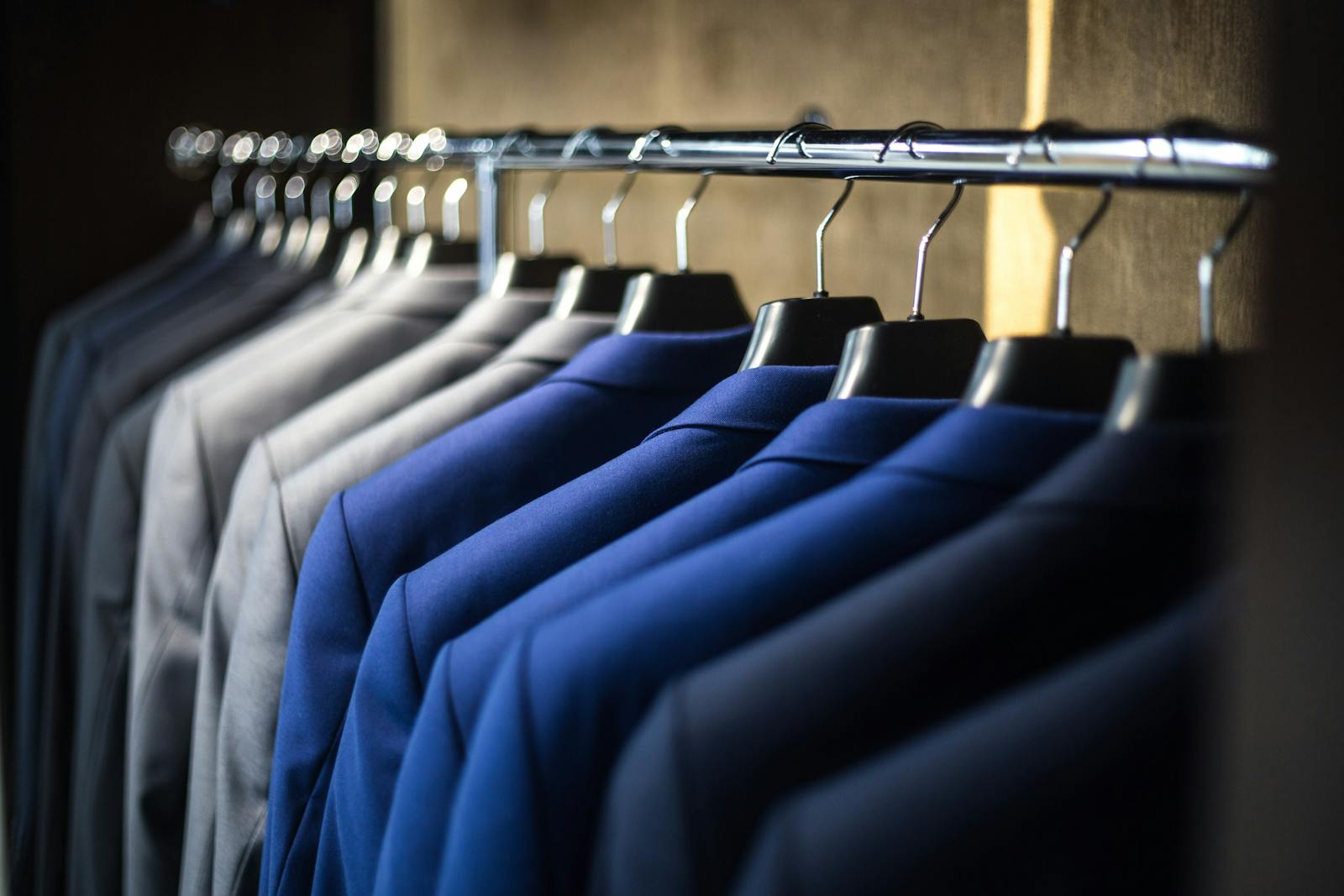
Adaptive Clothing for Limited Dexterity
Adaptive clothing for limited dexterity. Magnetic closures, side-seam pants, slip-on footwear, and full outfits for arthritis, post-stroke, MS, Parkinson's, and any condition where fine-motor dressing needs to be faster.

Related Reading
If standard buttons, zippers, and laces take more time and effort than they should, the answer is adaptive clothing. Magnetic closures, one-handed fastening systems, slip-on footwear with elastic gores, and seated-friendly cuts solve specific dexterity challenges while still reading as everyday style. This guide covers the technical features to look for, the brands building functional pieces that don't look medical, and how to assemble a full wardrobe across temperatures and occasions.
🛒 Products at a Glance — Limited Dexterity Essentials


This article bridges adaptive fashion with weather and occasion dressing — the specific question of "what does someone with arthritis, post-stroke recovery, MS, Parkinson's, or carpal tunnel actually wear when getting dressed needs to be 60% faster" doesn't get a clean answer from generic clothing sites.
The technical features that matter
Magnetic closures
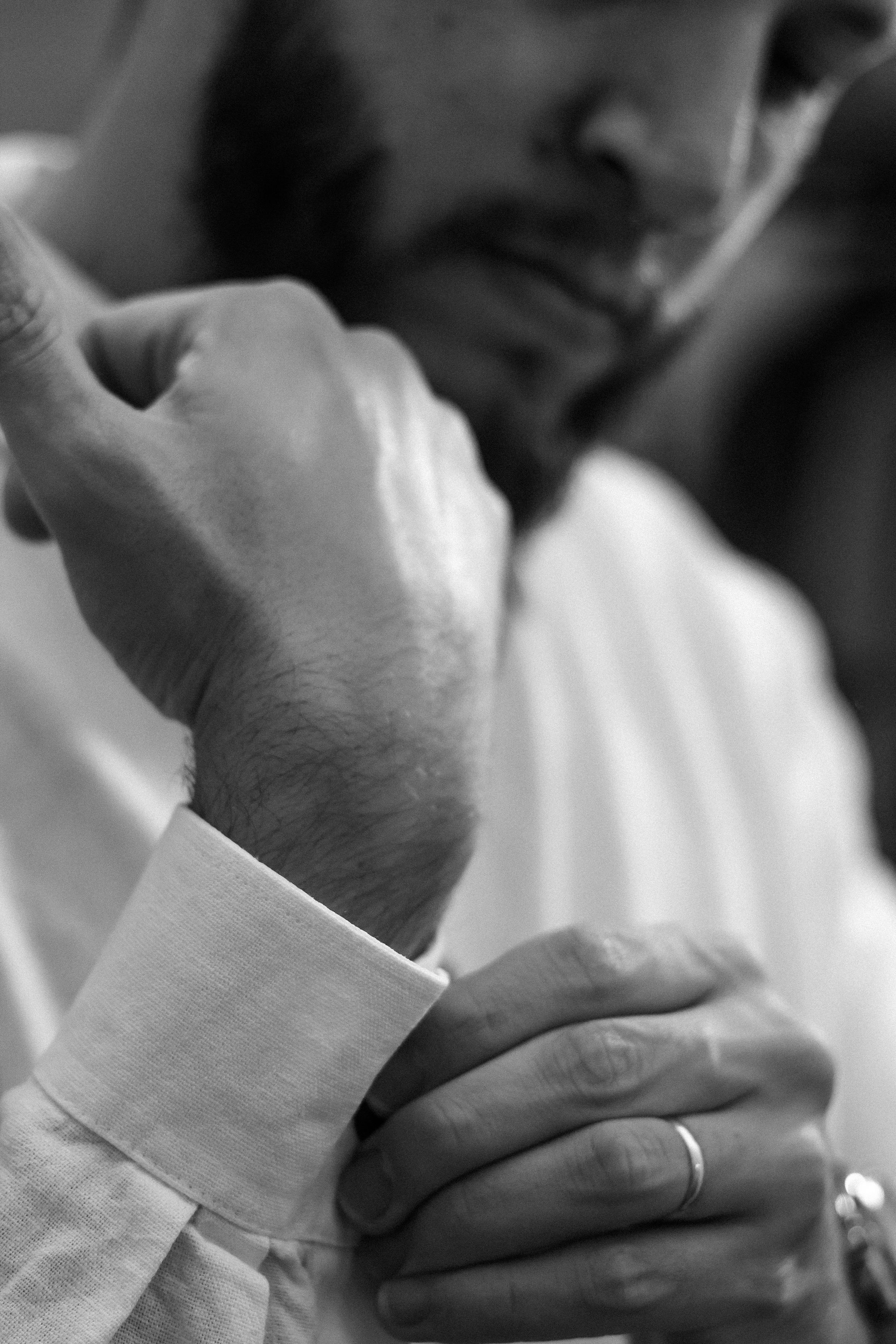
The largest functional gain comes from replacing buttons with magnetic closures. MagnaReady pioneered this category with dress shirts that look identical to standard button-downs from the outside but use neodymium magnets behind decorative buttons. You can fasten and unfasten the shirt by pressing the front placket together — no fine-motor pinching required.
The difference shows up most for people with arthritis, post-stroke recovery, multiple sclerosis, Parkinson's, peripheral neuropathy, or anyone managing limited grip strength. A standard dress shirt has 8 to 10 buttons that each require a precise pinch-and-thread motion. The same shirt with magnetic closures fastens in a single press-down motion across the placket.
MagnaReady covers men's dress shirts, casual button-downs, and polo shirts. Tommy Hilfiger Adaptive uses similar magnetic closures across men's and women's lines including outerwear. Independence Day Clothing offers a casual women's range with magnetic and Velcro closures.
Side-seam pants
Standard pants require pulling fabric over both legs simultaneously. Side-seam adaptive pants open completely on one or both sides via Velcro or hidden zippers, letting you sit, position the pant, and close it without standing.
This solves the largest single barrier for people who use wheelchairs, have leg weakness, or have hip mobility limitations. Brands include Tommy Hilfiger Adaptive (dress slacks and chinos with side seams), IZ Adaptive (full women's range), and Care+Wear (medical-adjacent but increasingly fashion-forward).
For people with limited dexterity but full mobility, the simpler alternative is an elastic waistband with a hidden fly. Dockers Easy Khakis and Haggar Stretch Comfort Waist look like regular dress pants but expand for easy on-and-off without unfastening anything.
One-hand fastening
Several specific solutions work for one-handed dressing (common after stroke recovery or amputation):
- MagnaReady magnetic shirts can be fastened entirely one-handed by pressing the placket against the body
- BILLY Footwear uses a zipper that wraps from heel to toe, so the shoe opens flat — slide foot in, zip closed with one hand
- Skechers Slip-Ins have a heel that springs back to shape after foot insertion, no hands required
- Stafford One-Hand Belts use a magnetic buckle and stretch fabric that adjusts without two-handed manipulation
Sensory-friendly construction
A related but distinct need is sensory sensitivity, common in autism spectrum, sensory processing disorder, and post-injury hypersensitivity. The technical features here include flat seams (no raised stitching against skin), removed tags (printed labels instead), softer fabrics (modal, bamboo, organic cotton over synthetics), and seamless socks.
Independence Day Clothing and Soft Clothing focus on this category. Tommy Adaptive includes sensory-friendly options across their range.

MagnaReady Brooks Brothers Plaid Shirt
Plaid dress shirt with magnetic closures hidden behind decorative buttons. Looks like a standard Brooks Brothers shirt, fastens with a single press across the placket. The category-defining adaptive piece.
Shop This PickFull-outfit assembly by temperature
Cold weather (under 50°F)
The challenge is layering without multiplying fastening complexity. Each layer added is another set of zippers, buttons, or closures.
Strategy: pick one primary layer with adaptive closure and skip standard mid-layers.
- Base: Magnetic-closure cooling base layer (Arctic Cool Long-Sleeve Cooling Button-Down — DPS, lightweight wicking)
- Mid: Pullover-style fleece without zippers (Patagonia Pullover Fleece, L.L. Bean Quarter-Zip with magnetic Velcro)
- Outer: MagnaReady Magnetic Closure Outerwear or Tommy Adaptive Quilted Jacket
- Bottoms: Side-seam fleece-lined chinos (Dockers Easy Stretch with side opening)
- Footwear: BILLY Boots (winter version with zipper closure)
- Accessories: Loop scarf (no tying), magnetic-clasp watch band
Mild weather (50-70°F)
This is the easiest range for adaptive dressing. Single-layer options work, and the closure load is lighter.
- Shirt: MagnaReady Magnetic Dress Shirt or Tommy Adaptive Magnetic Polo
- Bottoms: Tommy Adaptive Pull-On Dress Chino or Dockers Easy Khaki
- Footwear: BILLY Sneakers or Skechers Slip-In Loafers
- Optional layer: Unstructured cardigan with magnetic front (Soft Clothing)
Warm weather (over 75°F)
The simplification opportunity is real here. Less to fasten, more to manage for cooling and sun protection.
- Shirt: Tommy Adaptive Magnetic Polo or Lands' End Adaptive Pull-On Polo
- Bottoms: Pull-on shorts with elastic waist (multiple Tommy Adaptive options)
- Footwear: Skechers Slip-Ins Sandals or BILLY Slip-Ons
- Sun protection: Bucket hat with chin strap that won't blow off (avoids needing to chase it down)
Where to wear adaptive clothing
A common myth is that adaptive clothing only works for casual contexts. The current brands make polished options across:
Work and office
Magnetic-closure dress shirts (MagnaReady, Tommy Adaptive) read exactly like standard dress shirts from the outside. Tommy Adaptive's slim-fit suit jackets and dress slacks complete a full business-appropriate outfit. No one in the meeting will spot the adaptive features.
Weddings and formal events
Adaptive formal wear has expanded significantly since 2020. Tommy Adaptive offers a tuxedo line. MagnaReady has bow ties and silk neckties with magnetic clasps. For women, IZ Adaptive includes formal dresses with side-seam openings that fit under wheelchair lap blankets without bunching.
Outdoor and active
BILLY Footwear has a full athletic line. Patagonia and L.L. Bean both stock adaptive outerwear (zipperless pullover insulation, Velcro-closure rain shells). Tommy Adaptive's athleisure includes magnetic-fastened running pants and pullover sweatshirts.
Travel
The adaptive features that matter for travel are pull-on shoes (TSA security line speed), expandable elastic waistbands (long flights), and packable wrinkle-resistant fabrics (Tommy Adaptive's non-iron polos and shirts).

Weatherproof X MagnaReady Magnetic Puffer Jacket
Cold-weather adaptive jacket that solves the puffer problem. Magnetic front closure replaces a stuck zipper, water-resistant shell handles light rain and snow without two-handed fastening.
Shop This PickHow to identify quality adaptive pieces
Three checks separate functional adaptive clothing from cosmetic versions:
1. Test the closure with one hand. Pin one arm behind your back and try to fasten the garment. If it takes longer than 20 seconds or requires assistance, the adaptive feature isn't doing its job.
2. Check the seams against skin. Inside-out the garment and run your hand across the seams. Raised, stiff, or visible seams will become irritation points over a full day of wear.
3. Confirm fabric drying time. Adaptive clothing is often worn longer between changes due to limited mobility for self-care. Fast-drying fabrics (merino wool, technical synthetics) reduce skin issues and odor over multi-day wear.
Brands worth knowing
- MagnaReady (a DPS brand): originated the magnetic dress shirt category; men's and unisex focus
- Tommy Hilfiger Adaptive: largest mainstream adaptive range; mens, womens, kids; mid-market pricing
- Independence Day Clothing: women-led adaptive line; magnetic and Velcro closures; sensory-friendly options
- IZ Adaptive: full women's range; strong on side-seam pants and seated-friendly cuts
- BILLY Footwear: zipper-closure shoes that open flat; athletic, casual, and dress styles
- Skechers Slip-Ins: spring-back heel for hands-free wear; mid-market pricing
- Care+Wear: medical-adjacent but increasingly fashion-forward; chemo-port-accessible shirts
- Land's End Adaptive: large size range; conservative styling
- Soft Clothing: sensory-friendly emphasis; soft fabrics, no tags, flat seams
What this guide doesn't cover
This guide focuses on dressing for limited dexterity. Adjacent needs that deserve their own treatment include:
- Wheelchair-specific design (seated cuts, lap-blanket compatibility, back-vent jackets)
- Sensory-only sensitivity without dexterity issues (different fabric and seam priorities)
- Visual impairment dressing (high-contrast tags, magnetic-color matching systems)
- Cognitive support dressing (color-coded organization, picture-based outfit cards)
Each of those is a different problem with different solutions.
⭐ Jordan's Pick
MagnaReady Brooks Brothers Plaid Shirt
The Brooks Brothers collaboration validates the magnetic-closure category. Identical to a standard Brooks Brothers shirt from the outside, but fastens in 15 seconds with one hand. The piece that converts skeptics.
Shop This PickFrequently asked questions
What is adaptive clothing and who is it for? Adaptive clothing is designed with functional modifications that make dressing easier for people with disabilities, limited mobility, chronic conditions, or aging-related dexterity changes. It serves anyone managing arthritis, post-stroke recovery, multiple sclerosis, Parkinson's, peripheral neuropathy, sensory processing differences, autism spectrum needs, post-surgical recovery, amputation, or pregnancy-related mobility shifts. The modifications include magnetic closures, side-seam openings, elastic waistbands, zipper-closure shoes, sensory-friendly seams, and one-handed fastening systems.
Where can I find adaptive clothing that doesn't look medical? Tommy Hilfiger Adaptive, MagnaReady, Independence Day Clothing, IZ Adaptive, and Lands' End Adaptive all produce pieces that look identical to standard clothing from the outside. The adaptive features are invisible until you look closely. Avoid scrubs-adjacent brands and stick with these and similar fashion-first adaptive lines.
How much more does adaptive clothing cost compared to regular clothing? The price gap has closed significantly. Tommy Hilfiger Adaptive, Lands' End Adaptive, and the Target adaptive line price in line with their main collections. Specialty adaptive brands (MagnaReady, BILLY Footwear) run 15-30% higher than equivalent non-adaptive pieces, which reflects the additional construction. Mass-market and luxury both stock adaptive at standard prices now.
Can I get magnetic-closure dress shirts in regular retail sizes? Yes. MagnaReady and Tommy Adaptive both offer standard men's sizing from S through 3XL plus tall and slim variants. Women's adaptive ranges from Tommy Adaptive and Independence Day cover XS through 3X.
What's the difference between adaptive clothing and inclusive sizing? Inclusive sizing is about offering a wider range of standard sizes. Adaptive clothing changes the construction to accommodate functional needs. A brand can be inclusive-sized without being adaptive, and vice versa. The best brands do both, which is what makes Tommy Adaptive's range stand out — extended sizes AND functional adaptive features in the same line.
Related guides
- What Is Adaptive Clothing? - the foundational overview
- How Do I Layer Clothes for Winter? - layering principles applied
- What Should Kids Wear to a Wedding? - kids occasion adaptive overlap
About the Author: Jordan Ellery is a weather-styling writer and former retail buyer based in New York. He covers temperature guides, fabric science, and adaptive clothing at Outfit Forecast. Read more about Jordan