What Is Adaptive Clothing?
Adaptive clothing is any garment redesigned to make dressing easier for people with disabilities, limited mobility, chronic pain, sensory sensitivities, or age-related dexterity challenges. Common modifications include magnetic closures, side openings, and elastic waistbands.

This article contains affiliate links. We may earn a commission on purchases, at no extra cost to you.
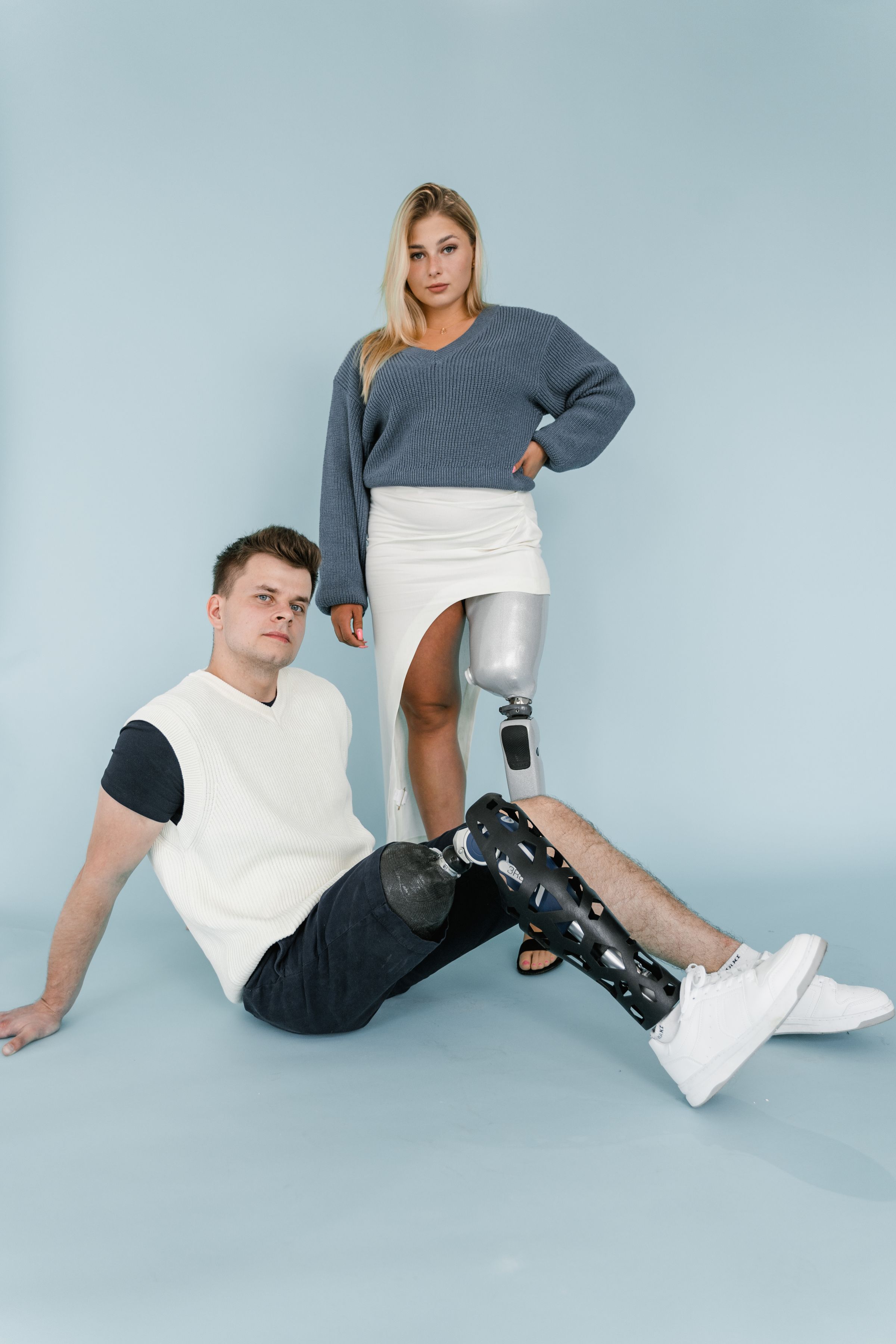
Adaptive clothing is any garment redesigned to make dressing easier for people whose bodies do not work the way standard clothing assumes. The category covers magnetic-closure shirts that replace buttons, side and back openings for seated dressing, elastic waistbands and pull-on pants, seamless construction for sensory sensitivities, and footwear designed to put on without bending. The market has changed more in the last five years than in the previous fifty. What was once medical-supply catalog territory now includes mainstream brands and pieces that look like ordinary clothing from across the room.


What "adaptive" actually means
Adaptive clothing is any garment redesigned to make dressing easier for people with disabilities, limited mobility, chronic pain, sensory sensitivities, or age-related dexterity challenges. The modifications vary, but the most common ones include magnetic closures that replace buttons, side or back openings for seated dressing, elastic waistbands and adjustable hems, flat seams and tagless construction for sensory comfort, and single-hand operation for people with use of only one arm.
The important thing to understand is that "adaptive" is not a single category. Someone recovering from shoulder surgery has completely different needs than someone with cerebral palsy, who has completely different needs than an 85-year-old with arthritis. The best adaptive brands recognize this and design for specific use cases rather than lumping everyone into one bucket.
Magnetic closure shirts: the biggest leap forward
Magnetic closures are the single most impactful innovation in adaptive clothing. They look identical to standard buttons from the outside, but the closures snap together magnetically, eliminating the fine motor skills required for buttoning. For someone with arthritis, Parkinson's, stroke recovery, or any condition that affects hand dexterity, the difference between a 10-minute frustrating process and a 30-second independent one is transformative.
Two brands lead this space, and they come at it from different directions.
MagnaReady ($75 for their Long Sleeve Dress Shirt) is the brand that pioneered magnetic closure dress shirts. Founded by Maura Horton after her husband was diagnosed with Parkinson's, the company built its entire identity around this problem. The MagnaClick closures are smooth, strong, and genuinely invisible from the outside. They offer multiple fits, wrinkle-resistant fabrics, and a range that covers casual to professional. What sets MagnaReady apart is that magnetic closures aren't a feature they added to an existing line -- it's the reason the company exists.
Tommy Hilfiger Adaptive ($89.50 for their Magnetic Button Classic Fit Shirt, frequently on sale around $69.50) brings the weight of a global fashion brand to the adaptive space. Their magnetic button shirts use the same fabrics and silhouettes as the mainline Tommy Hilfiger collection, which means you're getting a shirt that looks identical to what anyone else is wearing. The advantage here is brand recognition and retail distribution. The tradeoff is that Tommy's adaptive line is one segment of a massive brand, so the innovation is sometimes less focused than at a company built specifically around accessibility.
Both are worth owning. The MagnaReady is arguably the better-engineered closure. The Tommy Adaptive has broader style options and more frequent sales. If you're buying your first magnetic-closure shirt, start with whichever fits your wardrobe better.
Adaptive footwear: beyond Velcro
Shoes have historically been one of the hardest categories for people with disabilities. Tying laces requires bilateral hand coordination, and most slip-ons don't provide the support needed for AFOs (ankle-foot orthoses) or prosthetics.
Billy Footwear ($89 for the Classic Lace High Tops) solved this with a design that zips open around the entire toe box, laying the shoe flat so your foot drops straight in. The zipper runs from the sole up the side and across the tongue, creating a clamshell opening that works for AFOs, prosthetics, or anyone who can't reach their feet easily. The design is clever enough that it spawned an entire category. But more importantly, the shoes look like regular high-tops. Kids wear them. Adults wear them. They come in dozens of colors and patterns. They don't signal "medical device."
Billy Footwear runs a revenue-share affiliate program that's unusually generous compared to the industry, which tells you something about how they think about community and advocacy rather than just sales.
For a more everyday shoe that doesn't require lacing, the Allbirds Wool Runner ($110) works for many people with dexterity challenges. It's a slip-on-friendly design (the heel collapses flat for easy entry), machine washable, and light enough for people who fatigue easily. It's not designed as adaptive specifically, but its design decisions happen to solve a lot of accessibility problems.
Caregiver-assisted dressing
For people who need help getting dressed, whether due to cognitive decline, severe physical limitations, or post-surgical recovery, the clothing needs are fundamentally different. The person putting on the garment is often not the person wearing it, which means back openings, overlap closures, and garments that don't require the wearer to raise their arms overhead become essential.
Silvert's ($32.99 for their Open Back Adaptive Top) is the established name in this space. Their open-back tops use a snap closure at the shoulders and overlap in the back, allowing a caregiver to dress someone who's seated without lifting their arms. The designs are simple, soft cotton blends that prioritize comfort and dignity. Silvert's also carries adaptive pants with side zippers, wheelchair-friendly capes, and non-skid socks.
What makes Silvert's interesting for this guide is their 90-day cookie on their affiliate program through ShareASale, which is one of the longest in the apparel industry. That's unusual enough to mention because it reflects the reality that adaptive clothing purchases often involve a long research and consideration period, especially for caregivers making decisions on behalf of someone else.
The category that Silvert's serves is growing fast. The aging population is the obvious driver, but post-surgical recovery and rehabilitation are equally significant markets. Anyone who's had a shoulder replacement, hip surgery, or extended hospitalization has experienced the frustration of trying to get dressed in clothes designed for full range of motion.
The mainstream brands entering the space
Beyond the dedicated adaptive brands, several mainstream labels have launched adaptive lines in recent years. Target's Cat & Jack (for kids) and Universal Thread (for adults) both include adaptive options at accessible price points. Zappos has an entire adaptive footwear section curated with occupational therapists. Nike's FlyEase technology uses a hinge-and-wrap system that opens the back of the shoe for step-in entry.
These mainstream entries matter because they normalize adaptive clothing. When a kid can get the same brand their friends wear, just with magnetic closures instead of buttons, the social dynamics change completely. That normalization is arguably as important as the functional improvements.
How to choose
If you're shopping for adaptive clothing for the first time, start by identifying the specific dressing challenge:
"Buttons are hard" leads you to magnetic closures. MagnaReady and Tommy Hilfiger Adaptive are the starting points.
"Shoes are hard" leads you to Billy Footwear for the most comprehensive solution, or Allbirds and Nike FlyEase for more casual options.
"Getting dressed requires help from someone else" leads you to Silvert's and similar caregiver-oriented brands with back openings and overlap closures.
"Sensory issues make certain fabrics intolerable" leads you toward tagless, flat-seam construction. This is more about reading fabric descriptions carefully than about specific brands, though many adaptive lines build in sensory-friendly construction as a default.
The best adaptive clothing disappears. You don't notice the magnetic closures. You don't see the side zippers. You don't register the flat seams. You just see someone dressed well, getting on with their day. That's the standard every brand in this space should be measured against, and the best ones are meeting it.
Picks at a glance
Magnetic closure shirts: MagnaReady Long Sleeve Dress Shirt ($75) for the specialist, Tommy Hilfiger Adaptive Magnetic Button Shirt ($89.50, often ~$69.50 on sale) for the mainline brand.
Adaptive footwear: Billy Footwear Classic Lace High Tops ($89) for the purpose-built option, Allbirds Wool Runner ($110) for a universally easy shoe.
Caregiver-assisted: Silvert's Open Back Adaptive Top ($32.99) for back-opening ease.
Outfit Forecast helps you dress for real life. Weather-aware, occasion-ready, no trends required.
⭐ Jordan's Pick
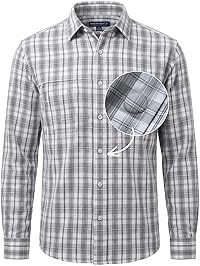
MagnaReady Magnetic Button-Down Shirt
Magnetic closures that look like buttons. Function first without giving up style.
Shop This PickFrequently Asked Questions
What is adaptive clothing?
Adaptive clothing is designed to be functional for people with disabilities, limited mobility, or specific medical needs while still looking like regular clothes. Common features include magnetic closures that replace buttons, side-seam openings for wheelchair users, easy-on Velcro shoe closures, and seated-friendly cuts that don't bunch when you sit. The category has grown well beyond medical apparel in the last decade and now includes mid-market and premium options that read as everyday style.
Where can I buy adaptive clothing that doesn't look medical?
MagnaReady pioneered magnetic-closure dress shirts that look identical to regular button-downs. Tommy Hilfiger Adaptive runs a full range across men's, women's, and kids' with the same brand styling as the main line. Stride Rite and BILLY Footwear handle adaptive shoes that look like normal sneakers. Independence Day Clothing focuses on seated-friendly cuts. The key is searching by feature (magnetic closures, side-opening, seated cuts) rather than by the word adaptive, which used to signal medical-looking pieces.
What features make clothing adaptive?
The four most common are magnetic closures replacing buttons, hook-and-loop fastenings, side-seam zippers or openings, and one-handed fastening systems. Seated-friendly cuts add extra length in the back and shorter rises in the front so fabric doesn't bunch when seated. Sensory-friendly features include flat seams, removed tags, and softer fabrics for people with autism or sensory sensitivity. The best adaptive pieces use these features invisibly so the garment reads as normal style at first glance.
Is adaptive clothing more expensive than regular clothing?
Sometimes, but the gap is narrowing. Mass-market adaptive lines from Tommy Hilfiger, Target, and Zappos Adaptive are priced in line with their main collections. Premium adaptive options run 20 to 40 percent higher than equivalent non-adaptive pieces because of the additional construction. Independent adaptive brands often sit at the premium end. Most major retailers now stock adaptive at the same prices as regular clothing, so price gaps are most pronounced in specialized categories like dress wear.