What to Wear to the Airport
Wear a soft base under an unstructured blazer or cashmere crew, knit or stretch pants with no metal buckle, and slip-on sneakers that clear security in one motion. Cabin temps drop 6 to 10F at altitude. Four formulas plus the TSA-friendly footwear picks.

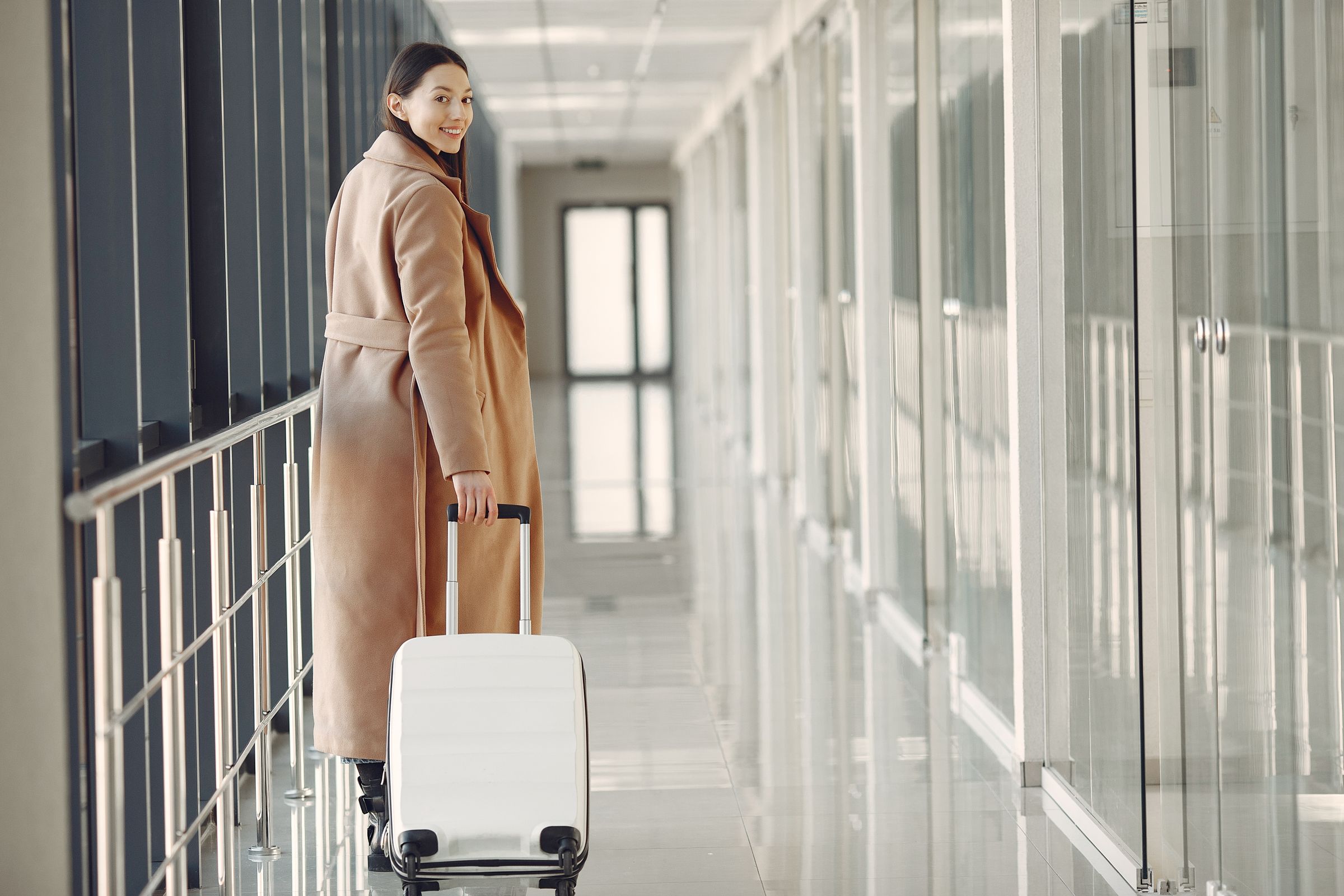
The airport outfit that actually works has to clear three bars in one outfit: TSA screening without re-dressing, eight hours of sitting in cabin temperatures that swing 20 degrees, and looking presentable enough that you would not flinch if your hotel check-in went straight to a dinner reservation. The answer is a single soft layer over a structured base, slip-on shoes that pass metal detectors clean, and one packable layer for cabin chill or destination weather you have not landed in yet.
Outfit Forecast earns a commission when you buy through links on this page, at no extra cost to you. Affiliate disclosure
🛒 The Airport Outfit Forecast Formula


Dress code Smart casual that survives an eight-hour day on its own Key layer Unstructured blazer, cashmere crew, or a packable puffer that doubles as a cabin pillow Base layer Soft long sleeve tee or merino crew that does not wrinkle when you nap Avoid White sneakers that scuff in the security bin, metal belts, ankle boots that fight TSA Footwear Slip-on sneakers or low-profile leather slip-ons with cushioned insoles Built for Long-haul overnights, short domestic hops, and transatlantic redeyes.
Outfit Formulas That Work at the Gate
Four formulas cover every airport scenario from a 6 AM domestic hop to a 14-hour transpacific. Pick the one that matches your flight length and destination dress code.
Formula 1: The Domestic Two-Hour
Slim straight chinos in olive or stone, a soft long-sleeve tee or fitted henley, an unstructured blazer, and slip-on sneakers. This works whether you are walking off the plane to a meeting or to a hotel pool. The blazer adds 10 degrees of cabin warmth and instantly upgrades the look on landing. Skip the belt or pick one with a no-metal buckle to clear security in one pass.
Formula 2: The Redeye and Long-Haul
Dark joggers or relaxed straight-leg knit pants, a soft crew sweater (cashmere or merino), a packable puffer or zip-front fleece that doubles as a pillow, and slip-on sneakers with cushioned insoles. The pants need to look like real pants when you stand up at baggage claim. Joggers cut with a tapered ankle and a clean side seam do this; track pants with side stripes do not. The puffer earns its carry-on slot when it folds into a neck pillow, which is the difference between landing rested and landing with a stiff neck.
Formula 3: The Business Trip Day-of-Arrival
Travel blazer over a fitted crew or blouse, dark stretch chinos or ankle-length dress pants, and a leather slip-on or low-profile loafer. This is what you wear when your flight lands at 11 and you have a 1 PM meeting. The blazer is the load-bearing piece. Pick one with a hidden interior pocket for your boarding pass and one structured shoulder so it does not look like you slept in it. A neutral cashmere crew under the blazer reads more polished than a dress shirt that creased in seat 14C.
Formula 4: The Hot Destination Arrival
Lightweight linen or cotton button-down over a tank or tee, breathable wide-leg pants or stretchy ankle chinos, and slip-on sneakers or cushioned leather sandals. Keep the cabin layer (a light cardigan or packable jacket) accessible in the seat pocket, not the overhead. When you land in 85F humidity, you want to peel one layer off in the jet bridge, not unpack your bag at baggage claim.

Weatherproof Vintage Cashmere Crew
100 percent cashmere crew that handles cabin chill, then layers under a blazer for the destination. Does not wrinkle when you nap.
Shop This PickDo and Don't
- Do wear slip-on or laceless shoes. TSA PreCheck or not, slip-ons save 30 seconds and prevent the awkward sock walk through the scanner.
- Do pick a key layer with hidden pockets. A blazer or cardigan with an interior pocket holds your passport, boarding pass, and earbuds without unzipping your bag.
- Do dress for the destination, not the origin. Layers come off in the cab.
- Don't wear white sneakers if you are checking a bag or going through security with a heavy carry-on. They will scuff in the bin. Save them for the hotel.
- Don't wear a belt with a metal buckle if you can avoid it. Knit waistband or no-metal belt is faster through screening.
- Don't wear shorts on a long-haul flight. Cabin temperatures drop below 65F at altitude, and your legs are exposed against a synthetic seat cover for hours.
Best Shoes for the Airport
Slip-on sneakers work for almost every flight. They clear security in one motion, give you arch support for terminal walking, and pair with everything from joggers to ankle chinos. Examples include the New Balance 574 in slip-on configurations, Vans slip-ons, and Allbirds Tree Runners. Price range: $60 to $135.
Low-profile leather slip-ons upgrade the look for business or city arrivals. Loafers, mules, or driving moccasins read more polished than sneakers without sacrificing the slip-off speed. Cole Haan, Sam Edelman, and Sperry all make versions that clear $80 to $180.
Cushioned leather sandals are for hot destinations only. Birkenstock Arizona EVA, Olukai, or Reef cushioned slides work for landing in 80F or warmer. Wear with socks on the plane, sandals only after touchdown.
Avoid: Heeled boots, lace-up dress shoes, and combat boots. Heels make terminal walking miserable, lace-up dress shoes lose 90 seconds at security, and combat boots set off every metal detector. Save those for the destination.

New Balance 574 Sneaker
Cushioned, easy to slide off, and presentable enough for the hotel lobby. The 574 reads neutral with chinos, joggers, or jeans.
Shop This PickMistakes People Make
- Dressing for the gate, not the cabin. A linen shirt that breathes at the gate becomes a wrinkled mess after four hours of seatbelt friction. Pick fabrics that recover their shape after sitting.
- Skipping the cabin layer. Cabin temperatures routinely drop to 65F at altitude. A single tee or tank without a layer means a cold, miserable flight.
- Heavy metal accessories. Belt buckles, chunky watches, large earrings, and big rings all slow down TSA and trigger pat-downs. Travel-light on the jewelry.
- Tight waistbands. Whatever fits at home will feel two sizes tighter at altitude. Knit, elastic, or stretch waistbands save you from unbuttoning at the gate.
- White everything. White pants, white tops, and white shoes all stain on travel days. Pick darker bottoms and a neutral light top if you want a clean look without the laundry risk.
Why This Works
The airport outfit problem is a temperature and movement problem disguised as a fashion problem. Cabin temperature averages 71F at cruise but drops to 65F or lower in window seats and overnight flights, according to Boeing cabin environment specs. Terminal temperatures sit at 70 to 74F. Outside temperatures swing 20 to 40 degrees between origin and destination. A single layer cannot bridge that range. The two-layer approach (soft base + structured middle) handles the cabin chill, the terminal walk, and the destination arrival without changing clothes.
Slip-on shoes save real time. TSA throughput data shows that lace-up shoe removal and replacement adds 45 to 60 seconds per traveler at standard screening. Slip-ons skip both motions. For PreCheck travelers, slip-ons still help because the bin grabs less material.
Wrinkle-resistant fabrics matter more than fabric weight on the plane. Merino wool, cashmere, polyester-blend knits, and structured cotton all recover their shape after eight hours of sitting compressed against a seat. Linen, silk, and lightweight cotton do not. A cashmere crew sits at 8.5 oz per square yard, which is heavy enough to insulate at altitude but light enough to layer under a blazer without bulk.
⭐ Claire's Pick
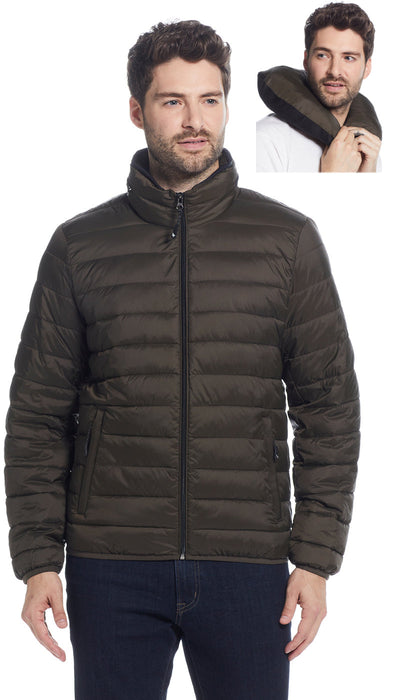
Weatherproof Pillow Pac Puffer Jacket
The one piece I will not fly without. Water and wind resistant puffer at the gate, folds into a neck pillow with a snap fastener at cruise, clips to a tote in customs.
Shop This PickFrequently Asked Questions
What should I wear on a long international flight?
Soft stretch pants or relaxed knit trousers, a merino or cashmere crew, a zip cardigan or unstructured blazer for cabin chill, and slip-on sneakers with cushioned insoles. Bring a packable down or rain jacket in your carry-on so you can step into destination weather without re-dressing.
Is it OK to wear leggings or joggers to the airport?
Yes. Pick a tapered ankle (not flare or full track stripe), a knit that holds its shape, and a neutral color. Black or charcoal joggers paired with a fitted top and a structured blazer read travel-polished rather than gym-grade.
What should I avoid wearing through TSA?
Metal belt buckles, lace-up boots, chunky jewelry, underwire bras (occasionally trigger pat-downs), and clothing with a lot of grommets, studs, or hardware. None of these are forbidden, but each one adds seconds at the scanner.
How do I dress for both a cold origin and a warm destination?
Layer with the destination in mind. Wear the lightest weight base layer you would want on landing, put your medium layer on for the cabin, and pack the heaviest layer at the very top of your carry-on so you can pull it on or strip it off in the jet bridge.
What is the best fabric for plane travel?
Merino wool, cashmere, polyester knit, and structured cotton blends. They resist wrinkles, regulate temperature, and recover their shape after sitting compressed for hours. Linen, silk, and pure lightweight cotton all wrinkle and look slept-in by landing.
Related Guides
- What to Wear Sightseeing All Day and Dinner Out
- The 64 Degree Layering System for Business Travel
- What to Wear on a Cruise
- What to Wear in Paris
- What to Wear in Vegas
- How to Dress When the Temperature Swings 30 Degrees in a Day
- What to Wear on a Beach Vacation
- What to Wear on a Carry-On Only Business Trip
About the Author: Claire Maddox writes city, travel, and lifestyle guides for Outfit Forecast, with a particular focus on how to dress for the kind of day that starts in one climate and ends in another. Read more from Claire.
Powered by Outfit Forecast Formulas. Forecast x Occasion x Body.