What to Wear to a Bonfire
Wear a cotton tee under a sherpa lined shirt jacket, with jeans and closed shoes you do not mind smelling like smoke. A bonfire runs 20 degrees colder at 10pm than it did at 7pm. Four formulas plus the fabric and footwear picks, so you can stay out past the good part.


A bonfire is a temperature problem disguised as a social one. You arrive at 7pm when it is 68 and comfortable, and by 10pm it is upper 40s, your front is roasting and your back is freezing. Wear a cotton tee under a sherpa lined shirt jacket, add jeans or another durable pant, and pick closed leather or suede shoes you do not mind smelling like smoke for a week.
🛒 The Bonfire Outfit Forecast Formula



Dress code Casual and expendable. Nothing you would be upset to find a spark hole in. Key layer A sherpa or flannel lined shirt jacket you can open when you face the fire and close when you turn away. Base layer Plain cotton tee or a cotton long sleeve. Cotton holds smoke smell but washes clean. Avoid Loose synthetic fleece, puffer shells, open shoes, and anything dry clean only. Footwear Closed leather, suede, or a hiking boot. Grass at 10pm is wet even when it did not rain. Tested in Lakefront and backyard fires around Chicago, September and October, 70F at dusk falling to 46F by midnight.
Four Bonfire Outfit Formulas
The Backyard Standard
Cotton tee, sherpa lined shirt jacket worn open, straight jeans, leather boots. This is the one I wear most. The shirt jacket does the whole job because you can vent it in ten seconds when the wind shifts. No hood to catch smoke, no zipper to fumble with in the dark.
The Lake or Beach Fire
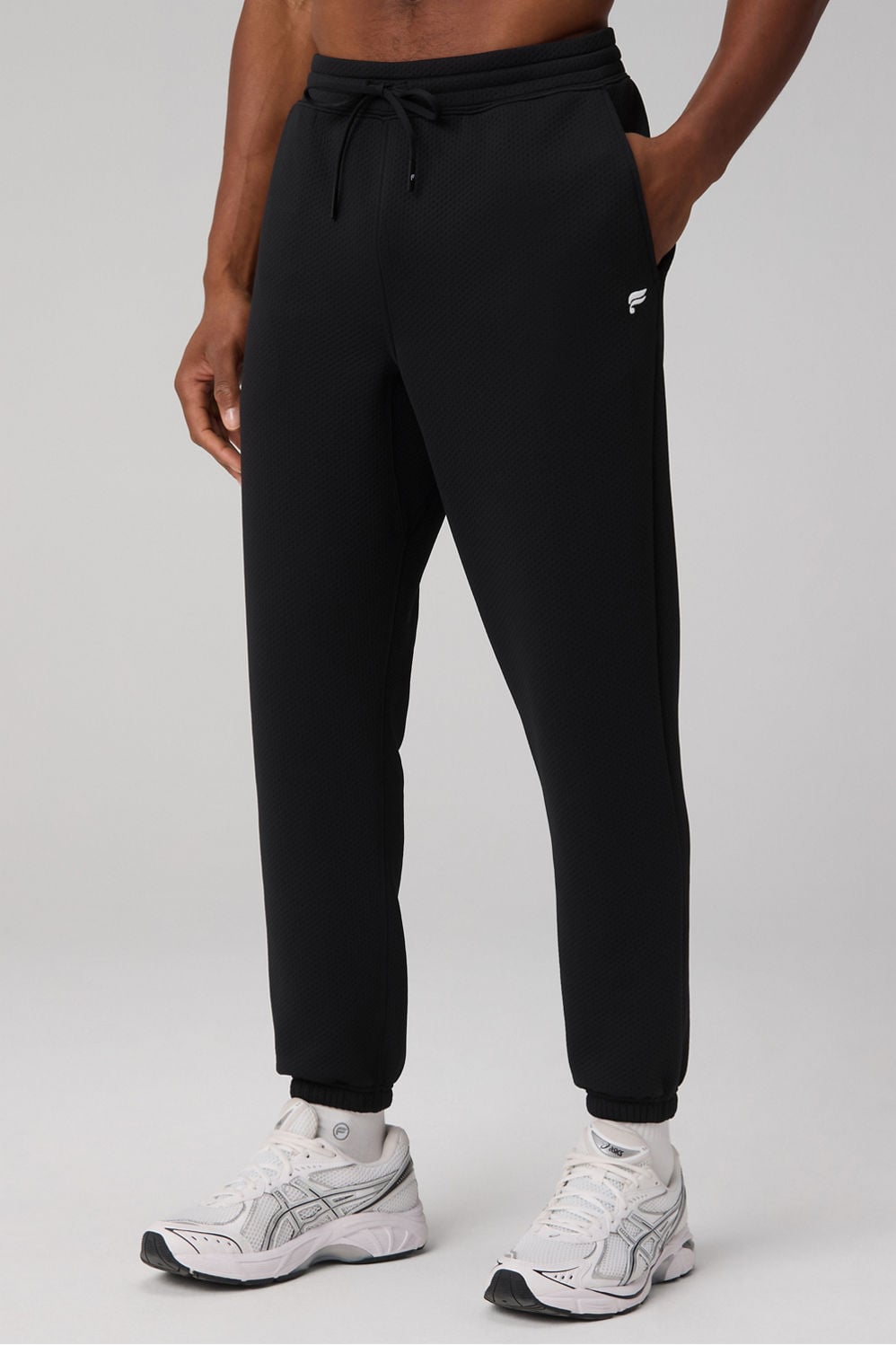
Long sleeve cotton tee, fleece crew neck sweatshirt, joggers, and a hiking boot or an old sneaker you have already written off. Sand and wet grass ruin shoes faster than the fire does. Bring a beanie. On open water the drop is steeper and starts right when the sun goes.

Fabletics Cozy Fleece Crew Neck Sweatshirt
A crew neck beats a hoodie at a fire. No hood to trap smoke against your hair, and the flat neckline vents when the heat swings your way.
Shop This PickThe Late October Fire
Cotton long sleeve, fleece crew, hooded sherpa lined jacket over the top, fleece lined jeans, boots and wool socks. Four layers sounds like a lot until you are sitting still on a log at 41 degrees for two hours. You generate almost no body heat at a fire, which is why a temperature that feels fine on a walk feels brutal in a camp chair.
The One Where You Came From Somewhere Else
You are stopping by after dinner and you are not dressed for it. Add the shirt jacket over whatever you have on, swap to jeans if you can, and change your shoes. Shoes are the single swap with the biggest return.
Do and Don't
- Do wear cotton or wool near the fire. Both scorch rather than melt.
- Do pick a mid layer that opens down the front so you can regulate without undressing.
- Do bring one more layer than you need and leave it in the car.
- Don't wear loose synthetic fleece or a nylon puffer close to the flames. Synthetics melt onto skin.
- Don't wear open shoes. Embers pop out, and the ground is wet after dark.
- Don't wear anything dry clean only. Smoke does not come out of wool coats easily.
Best Shoes for a Bonfire
Hiking boots work for backyard and campground fires where the ground is uneven, damp, or gravelly. A mid height keeps ash and grit out of your socks when you are moving logs. Examples include the Merrell Moab 3 Mid and the Columbia Bugaboot III. Price range: $90-$140.
Leather work or service boots are the best looking option and the most durable around heat. Leather takes an ember hit and shrugs it off. Examples include the Thursday Captain and the Blundstone 500. Price range: $150-$225.
Beat up sneakers are fine for a dry backyard fire in September. Canvas is the wrong pick if there is any dew, because it soaks through in about fifteen minutes. Leather or suede holds up much better. Price range: $60-$110.
Avoid: sandals, slides, and anything mesh. An ember on a closed leather boot does nothing; the same ember on a bare foot ends your night. Mesh running shoes are the sneaky version of the same mistake, because sparks burn holes straight through the upper. Examples to skip: Birkenstocks, pool slides, and open mesh trail runners.

Merrell Moab 3 Mid Hiking Boot
The mid collar keeps ash and wet grass out, and the sole grips a damp slope in the dark. Comfortable enough that you forget you are wearing a boot.
Shop This Pick4 Mistakes People Make
- Dressing for the temperature at arrival. The forecast high is irrelevant. Look up the 10pm number, dress for that, then peel back. A 20 degree drop between 7pm and 11pm is normal in September and October.
- Wearing a nylon puffer. It is the warmest thing most people own, so it is the reflex pick. Nylon shells melt at low temperatures and pit permanently from one spark. Save it for the walk to the car.
- Forgetting that you will be sitting still. Sitting in a low chair for three hours generates almost no body heat, and the ground pulls warmth out of your legs. Insulate the bottom half harder than feels necessary.
- Wearing something you care about. Everything will smell like smoke for at least one wash, and one item usually comes home with a small burn mark.
Why This Approach Works
Cotton and wool char when they meet an ember. Polyester, nylon, and acrylic melt, typically between 320F and 500F, and a floating ember from a wood fire is well past that. That is the entire reason the fabric rule exists, and it is why the classic fire outfit has always been denim and flannel rather than anything technical.
The temperature math is the other half. A clear, dry night radiates heat away from the ground fast, so bonfire season nights fall harder than cloudy ones. In the Midwest and Northeast a mid September evening at 70F at 6pm regularly lands in the mid 40s by midnight. You also lose front-to-back balance: at three feet from a decent fire your front absorbs radiant heat while your back sits in the actual air temperature. A front opening layer handles that better than any single heavy piece, because you are managing two climates at once.
Fleece lined denim is the quiet upgrade. Standard 12 ounce denim insulates almost not at all, but a brushed lining adds real warmth to the part of you that spends the whole night in a chair, without the bulk of long underwear.
⭐ Nate's Pick

Wrangler Authentics Sherpa Lined Shirt Jacket
Cotton shell, sherpa lining, buttons down the front. It is the single most useful thing you can own for fire season and it costs less than a nice dinner.
Shop This PickFrequently Asked Questions
What should I wear to a bonfire in the fall? A cotton tee under a sherpa or flannel lined shirt jacket, jeans, and closed leather or suede shoes. Add a fleece crew neck once nights drop under 55F, and bring a beanie.
Can you wear a hoodie to a bonfire? You can, but a crew neck is better. Hoods trap smoke against your hair and get in the way when you lean toward the fire. If you wear one, keep the hood down.
What should you not wear to a bonfire? Synthetic fleece, nylon puffers, open shoes, and anything dry clean only. Synthetics melt instead of charring, and smoke is very hard to get out of wool outerwear.
How cold does it get at a bonfire? Plan for 15 to 20 degrees colder than when you arrived. A clear September evening at 70F at dusk is commonly in the upper 40s by midnight, and it feels colder because you are sitting still.
Do bonfire clothes really smell like smoke afterward? Yes, every time. Cotton and denim wash clean in one cycle. Wool and down hold the smell far longer, which is why your good coat stays in the car.
Related Guides
- What to Wear Camping in Summer
- What to Wear Apple Picking
- What to Wear in 55 Degree Weather
- What to Wear to an Outdoor Concert in Summer
- What Should I Wear to a Football Game?
- What to Wear to a Fall Festival
About the Author: Nate Calloway is a former personal stylist and outdoor gear tester based in Chicago who covers outdoor events, activity dressing, and footwear. Read more from Nate.
Powered by Outfit Forecast Formulas. Forecast x Occasion x Body.


