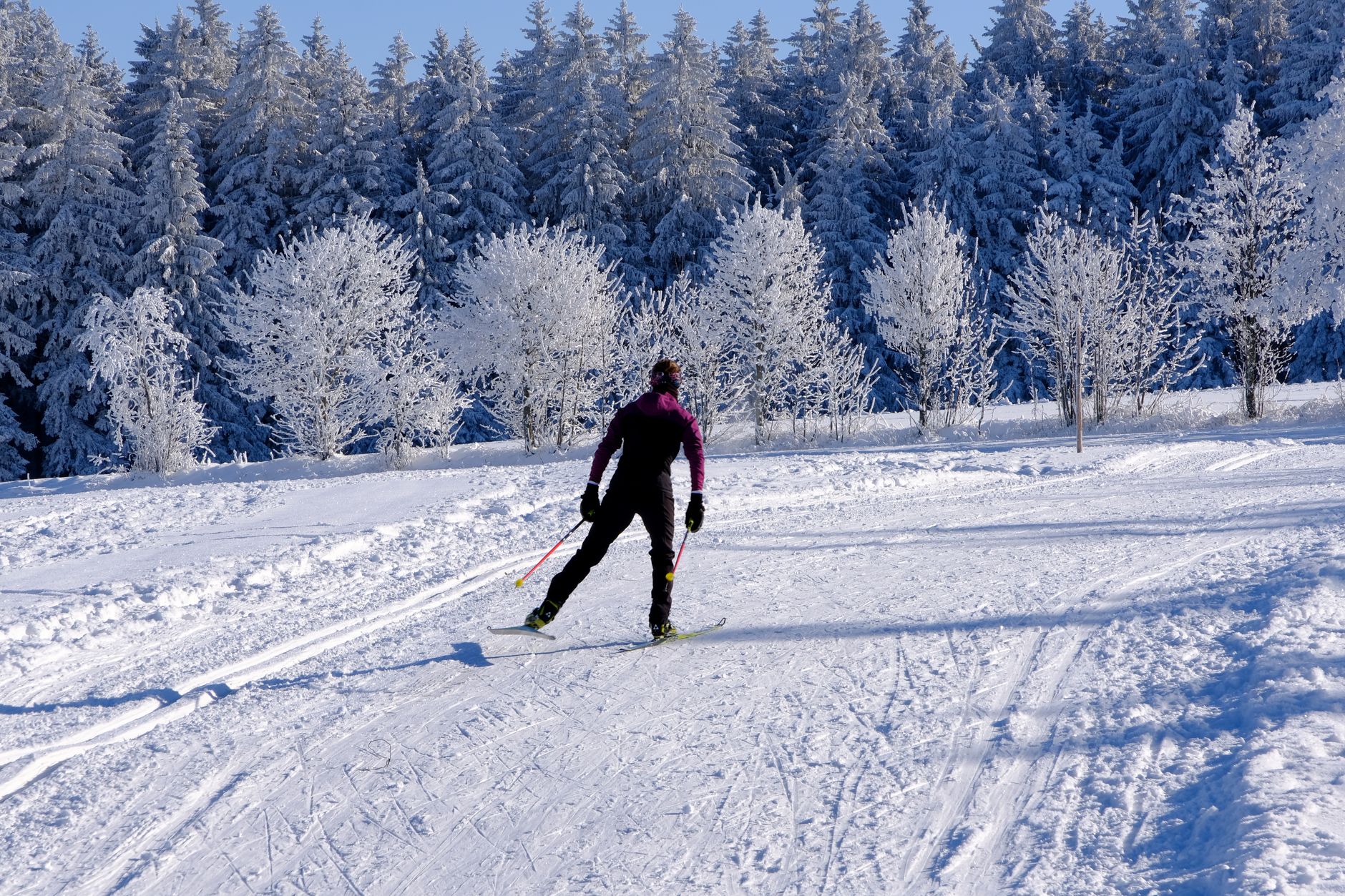
What to Wear Biking to Work in Fall
Ride in a thin wicking base layer under a packable shell you can stuff in your bag, with pants that clear the chain. Pedaling adds 15 to 20 degrees of felt warmth, so dress for mile two. Four formulas plus the sock and shoe picks, so you get out the door without a debate.


Dress for the second mile, not the first. On a fall commute you want a thin wicking base layer, a packable wind shell that lives in your bag, and pants that move without flapping into the chain. Pedaling adds roughly 15 to 20 degrees of felt warmth, so the outfit that feels right in your doorway will cook you by the third traffic light. The fix is not more clothing. It is fewer, thinner layers that come off fast.
Outfit Forecast earns a commission when you buy through links on this page, at no extra cost to you. Some brands featured here are owned by the company that publishes Outfit Forecast. Affiliate disclosure
🛒 The Fall Bike Commute Outfit Forecast Formula


Temperature feel A 45F morning rides like 60F once you are moving. Subtract about 15 to 20 degrees from what you would wear standing still. Key layer A packable wind shell. It blocks the 15 mph headwind you make yourself, then folds into a jersey pocket or pannier when you warm up. Base layer Long sleeve synthetic or merino next to skin. It has to still be dry when you sit down at your desk. Avoid Cotton anything, loose flared trouser legs, and heavy insulation you cannot shed mid-ride. Footwear Flat, stiff-soled sneakers. Rockered running shoes roll off flat pedals and feel unstable. Built for A four-mile path ride, 41F to 63F, October, with a headwind off the water both ways.
Four Fall Bike Commute Formulas
The 55 to 65 Degree Standard Ride
One long sleeve wicking crew, stretch joggers or slim commuter pants, ankle socks, flat sneakers. No jacket on the bike. Carry the shell for the ride home, when the sun is down and the same route feels ten degrees colder. I use this one about half the fall.
The 40 to 50 Degree Cold Start
Same base layer, add the packable shell for the first mile, then take it off. You will be cold for four minutes and comfortable for the next twenty. Add light gloves if your hands go numb. Hands and ears are the only parts that do not generate heat while pedaling.
The Rain-Is-Possible Ride
Swap the wind shell for a hooded packable jacket and put your work clothes in a dry bag inside your pannier. Fenders do more here than any jacket. A rear fender is the difference between a wet stripe up your back and arriving normal.
The Change-at-the-Desk Ride
If your office has a real dress code, stop trying to solve it with one outfit. Ride in athletic layers, roll a shirt and trousers in your bag, and change when you get there. Leave shoes under your desk on Monday. This is what makes a bike commute survive contact with a job.
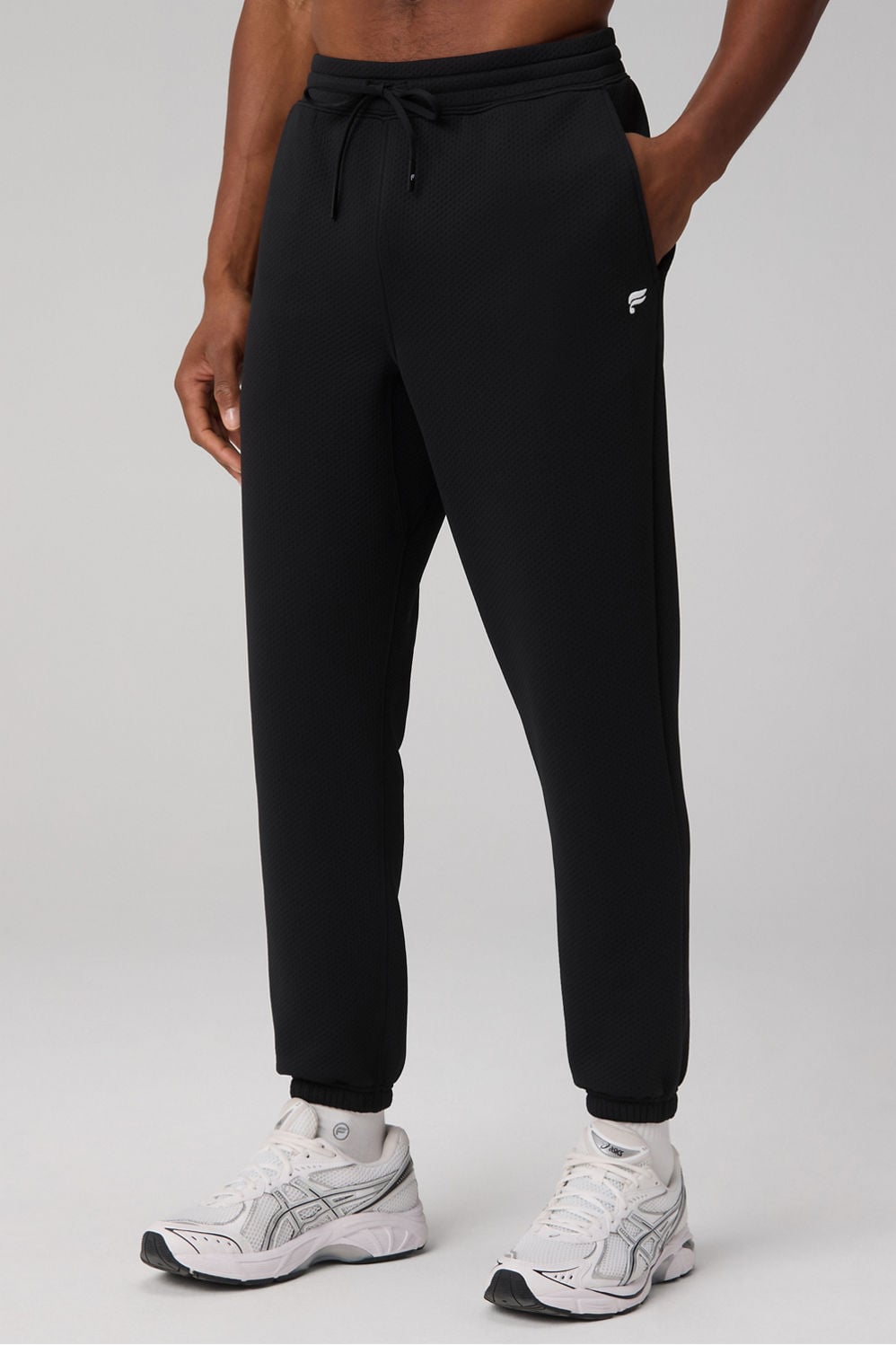
Fabletics GridTech Jogger
Tapered enough at the ankle to clear the chainring without a strap, and the grid knit vents on a 55F climb instead of trapping sweat. Reads as normal pants once you are off the bike.
Shop This PickDo and Don't
- Do dress for about 15 degrees warmer than the thermometer reads, which means wear less than you think.
- Do keep one layer you can shed without stopping, like a vest or an unzipped shell.
- Do put something reflective on your ankles and your bag for the ride home.
- Don't use a cotton tee as your base layer. It holds sweat against your back all workday.
- Don't ride in wide or flared pant legs. The chainring will find them.
- Don't wear good work shoes on the pedals. Grit and pedal pins ruin leather soles in a season.
Best Shoes for Bike Commuting
Flat court and skate sneakers work best on flat pedals. The sole is level end to end, so your foot sits flat instead of rocking, and the rubber is firm enough that pedal pressure does not dig into your arch. Examples include the Nike Air Force 1, Vans Old Skool, and Adidas Samba. Price range: $80 to $115.
Low waterproof hikers are the right call from late October on, when the path is wet and leaves are slick. Look for a lugged sole and a membrane, not a treated upper. Examples include the Merrell Moab 3 and Salomon X Ultra. Price range: $110 to $165.
Trail runners split the difference if your commute includes gravel. They grip well and dry fast, though the soft midsole gives up pedal feel. Examples include the HOKA Speedgoat and Salomon Speedcross. Price range: $130 to $160.
Avoid: max-cushion road running shoes. The rockered, high-stack sole that makes them good for running rolls off the pedal edge, and you feel it every time you stand up on a climb. Examples: HOKA Bondi, Nike Invincible, Brooks Glycerin Max.

Nike Air Force 1
Flat, wide, and stiff enough that pedal pins do not press through on a four mile ride. Wipes clean after a wet path and still looks fine in an office that does not care much.
Shop This PickMistakes People Make
- Dressing for the doorway. The phone says 44F, so you put on what you would wear to walk the dog. Ten minutes later you are unzipping at a red light with sweat running down your back. Dress for mile two.
- Treating the ride home like the ride in. A 7 a.m. commute at 44F and a 6 p.m. commute at 44F are different rides. The evening one is dark and the pavement has given up its heat. Pack the shell even if the morning did not need it.
- Skipping visibility because the ride is short. Fall kills daylight fast. By mid-October a 5:30 departure is a night ride. Ankles move, so reflective material there gets noticed long before a strip on your back does.
- One outfit for the ride and the office. Hunting for a shirt that survives both is how people quit bike commuting in week three. Two outfits and a bag solves it permanently.
Why This Approach Works
The number that governs everything here is the wind you make. A relaxed commute pace is 10 to 12 mph, and into a light headwind that is 15 to 20 mph of airflow across your body. Moving air strips heat far faster than still air at the same temperature. That is why 45F on the bike feels fine in one long sleeve layer and 45F at a bus stop does not.
Working against that is your own output. Easy pedaling puts you around four to six times your resting metabolic rate, and most of that energy leaves as heat. Your body wins that exchange within about ten minutes, which is why you overheat no matter how cold it was when you left.
Fabric is where the outfit succeeds or fails. Cotton absorbs about 25 times its weight in water and holds it, so a cotton tee that got damp on the ride is still damp at 11 a.m. Merino holds roughly 30 percent of its weight in moisture before it feels wet and keeps insulating anyway. Synthetic wicking knits move sweat outward and dry fast. That one swap does more than anything else here, and it costs about thirty dollars.
Last piece: the shell has to pack. A wind layer you leave at home because it is bulky protects nothing. If it stuffs into its own pocket, you will carry it, and carrying it is what makes the cold mornings workable.
⭐ Nate's Pick

Fabletics Commuter Light Fill Jacket
Thin fill takes the bite off a 42F start without the bulk that makes you strip it off by mile two. It packs small enough that I stop leaving it at home, which is the whole test.
Shop This PickFrequently Asked Questions
How cold is too cold to bike to work? There is no hard floor, but below about 25F you need dedicated gloves, a face covering, and clear eye protection. Most people find 30F to 35F is where a normal outfit stops working.
Do I need actual cycling clothes for a commute under five miles? No. At commuting pace, regular athletic layers work fine. Padded shorts and a jersey start earning their keep past about eight miles.
What do I do about sweat if the office has no shower? Ride slower than feels natural and keep unscented body wipes and a spare shirt in your desk. Most of it is solved by riding at a conversational pace.
How do I keep my right pant leg out of the chain? Tapered joggers or slim pants handle it on their own. For anything looser, a reflective velcro ankle strap does two jobs at once. A rolled cuff is the free version.
Related Guides
- What to Wear When Morning Is Cool and Afternoon Gets Hot
- What to Wear in 55 Degree Weather
- What to Wear Running in 50 Degree Weather
- What to Wear in 68 Degree Windy Weather
- What to Wear Back to the Office
About the Author: Nate Calloway is a former personal stylist and outdoor gear writer based in Chicago who covers activity-specific weather dressing, from commutes to game days. Read more from Nate.
Powered by Outfit Forecast Formulas. Forecast x Occasion x Body.