What to Pack for a Ski Trip
Pack two base layer sets, one midlayer, one shell, one pair of ski pants, tall ski socks and one boot for off the hill. Everything on the mountain repeats, so only the skin layer needs a spare.


Pack two base layer sets, one midlayer, one waterproof shell and one pair of waterproof ski pants. Everything you wear on the hill repeats day after day, so the only spare you need is the layer touching your skin. Add tall ski socks, a liner glove that fits inside your mitt, and one boot that handles a snowy parking lot and a restaurant floor, and the bag is done.
🛒 The Ski Trip Outfit Forecast Formula


Some links on this page are affiliate links. We may earn a small commission at no extra cost to you. See our affiliate disclosure.
Temperature feel Base areas run 10F to 15F warmer than the summit, and a chairlift in wind feels 15F colder than the number on the app. Key layer One waterproof shell jacket that works over a thin midlayer or a thick one. Buy the shell, not the resort parka. Base layer Two sets, merino or synthetic, top and bottom. This is the only item you pack a spare of. Avoid Cotton socks, denim, a second pair of ski pants, and the heavy sweater you will never take out of the bag. Footwear One waterproof insulated boot for travel and town, plus tall ski socks. Rented boots cover the hill. Built for A three to five day resort trip between 5F and 35F, with a drive or flight on each end.
Four Ski Trip Packing Formulas
The Three Day Weekend Formula
Two base layer sets, one midlayer, one shell, one pair of ski pants, three pairs of ski socks. That is the whole on-hill kit for a Friday to Sunday trip and it fits in a carry on. The shell and the pants repeat every day without washing, because neither one touches skin. Add a beanie, a neck gaiter and a liner glove that fits inside your mitt.

Spyder Men's Dare Pants
Spyder lists these as waterproof and insulated with a full taped seam build. One pair covers the whole trip, which is the point: ski pants are the heaviest thing in the bag and you only ever need one.
Shop This PickThe Deep Cold Formula
When the forecast sits under 15F, the change is the midlayer and the bottom half, not the shell. Swap the thin fleece for a light puffy that still zips under the shell, and add a heavyweight fleece base layer legging under the ski pants. A balaclava matters more than another jacket, because at single digits the skin between goggle and collar is what ends your day.
The Spring Skiing Formula
Late season hits 35F to 50F by noon and the problem flips from cold to wet. Drop the midlayer, go lightweight on the base layer, and keep the shell for the morning and the slush spray. Pack sunglasses as well as goggles, and a dry second base layer top for the afternoon, because you will sweat through the first one by eleven.
The Flying In Formula
Wear the bulk, pack the rest. Boots, shell and midlayer go on your body through the airport, which clears most of a carry on and keeps what you cannot replace at the resort out of checked luggage. Rent skis on the mountain and a soft duffel holds a five day trip.
Do and Don't
- Do pack two base layer sets and only two. One on, one drying. A third is dead weight.
- Do wear one tall sock per day. Ski socks are thin on purpose and they are the cheapest fix for cold feet.
- Do bring a liner glove. It lets you hold a phone or a lift ticket at 10F without bare hands.
- Don't pack a second pair of ski pants. Heaviest item in the bag, and it never gets wet on the inside.
- Don't bring cotton socks or denim. Both hold water, and in a ski town both are wet by day two.
- Don't pack a separate town coat. The midlayer and shell cover dinner, and both are already coming.
Best Shoes for a Ski Trip
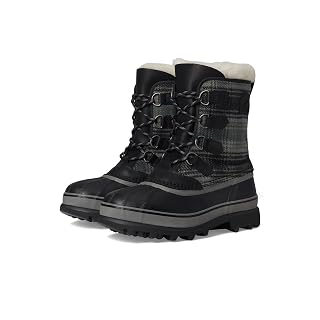
Waterproof insulated winter boots are the one pair most people should bring. A ski town is salted slush from the lot to the restaurant door, and a boot rated well below freezing handles the walk between them. Examples include the Sorel Caribou and the Columbia Bugaboo III.
Insulated pac boots with removable liners earn their place on a longer trip or in deep cold. The liner pulls out to dry overnight, which is the difference between warm feet on day four and a damp boot. Examples include the Baffin Impact and the Kamik Nationplus.
Waterproof chelsea or duck boots suit a mild late season trip where the walking is short and the snow is wet rather than deep. They pack flatter and look better at dinner, and the tradeoff is cold tolerance. Examples include the Blundstone Thermal and the Sperry Saltwater.
Avoid: sneakers, suede anything, and dress shoes. Mountain towns salt heavily and the salt line on suede does not come out. Examples to skip: canvas low tops, leather loafers and running shoes.
Sorel Caribou Boot
Sorel builds it with a waterproof nubuck upper, a seam sealed rubber shell and a removable felt liner. It is the boot that makes one pair enough, because it covers the parking lot at 5F and still looks fine walking into dinner.
Shop This PickMistakes People Make
- Packing a full outfit for every day. The shell, the pants and the midlayer repeat for the whole trip, and only the base layers and socks rotate. A full outfit per day is how a weekend bag becomes a checked bag.
- Doubling up on socks. Two pairs inside a ski boot compress the insulation and cut circulation, which makes feet colder, not warmer. One tall sock, correctly sized, every time.
- Bringing a resort parka instead of a shell. A heavy parka is built for standing in a lift line and nothing else, and sewn-in insulation cannot come off on a warm afternoon. A shell plus a removable midlayer covers twice the range in less bag space.
- Forgetting the drive home. Everything you skied in is wet. A dry base layer top, dry socks and a change of pants make the last three hours tolerable, and they are what people leave out.
Why This Approach Works
The repeat rule comes from where moisture goes. Base layers sit against skin and absorb nearly all of the sweat you produce, while a shell and an insulated pant handle the outside and stay dry on the inner face. Merino holds roughly 30 percent of its weight in moisture before it feels wet and keeps insulating when damp; cotton holds about 25 times its weight and gives it back the moment you stop moving.
The temperature spread is the other half. Resort base areas usually sit 10F to 15F warmer than the summit, and a chairlift moving at 10 to 12 miles per hour in a headwind drives the effective temperature down another 10F to 15F. One system has to work across a 30F swing in the same afternoon, and only layers you can take off between runs manage that.
Socks are where the biggest return hides. A ski boot is a rigid shell with a fitted liner sized for one thin sock. Add a second and you compress the liner foam, which is where most of the insulation lives, and cut blood flow at the same time. One tall merino ski sock beats two cotton crews by a wide margin.
⭐ Nate's Pick

Smartwool Merino 250 Base Layer
Buy two of these and the rest of the packing list gets easy. Merino at 250 grams keeps working damp and does not turn sour on day three, which is the whole reason one spare set covers a trip.
Shop This PickFrequently Asked Questions
How many outfits do I need for a 4 day ski trip? Two base layer sets, four pairs of ski socks, one midlayer, one shell and one pair of ski pants, plus two tops and one pair of pants for evenings. Roughly eight items, not four outfits.
Should I bring my own ski boots or rent? Rent unless you ski more than about ten days a year. Boots are the bulkiest item in the bag and a rental shop will fit you in twenty minutes.
What do I wear on the plane to a ski trip? The boots, the shell and the midlayer. Wearing the three bulkiest pieces frees most of a carry on and keeps the items you cannot replace at the resort out of checked luggage.
Do I need thermal underwear for skiing? A base layer top, always. A base layer bottom only below about 20F, or if you run cold. Insulated ski pants over bare legs are plenty at 25F and above.
Related Guides
- What to Wear Skiing
- What to Wear Apres Ski
- What to Wear on a Long Flight
- What to Wear Carry On Only Business Trip
- What to Wear Under Ski Pants
About the Author: Nate Calloway is a former personal stylist and outdoor gear tester based in Chicago who covers activity-specific dressing, where packing weight and range of motion matter as much as the forecast. Read more from Nate.
Powered by Outfit Forecast Formulas. Forecast x Occasion x Body.


