What to Wear Under Ski Pants and Snow Pants
Wear one thin synthetic or merino base layer under ski pants, and nothing else. The shell does the insulating, so a second layer only traps sweat and makes you colder on the lift. Four formulas plus the sock and base layer picks, so you stop guessing at 6am.


Wear one thin base layer under your ski pants and nothing else. A lightweight synthetic or merino bottom layer, pulled flat, with no second pair of pants over it. The shell is what keeps the wind and snow out and the insulation in, so anything you add underneath mostly gets in the way: it bunches at the knee, traps the sweat you generate on the first run, and then chills you on the lift ride back up. Cotton in any form is the one real mistake here.
🛒 The Base Layer Outfit Forecast Formula
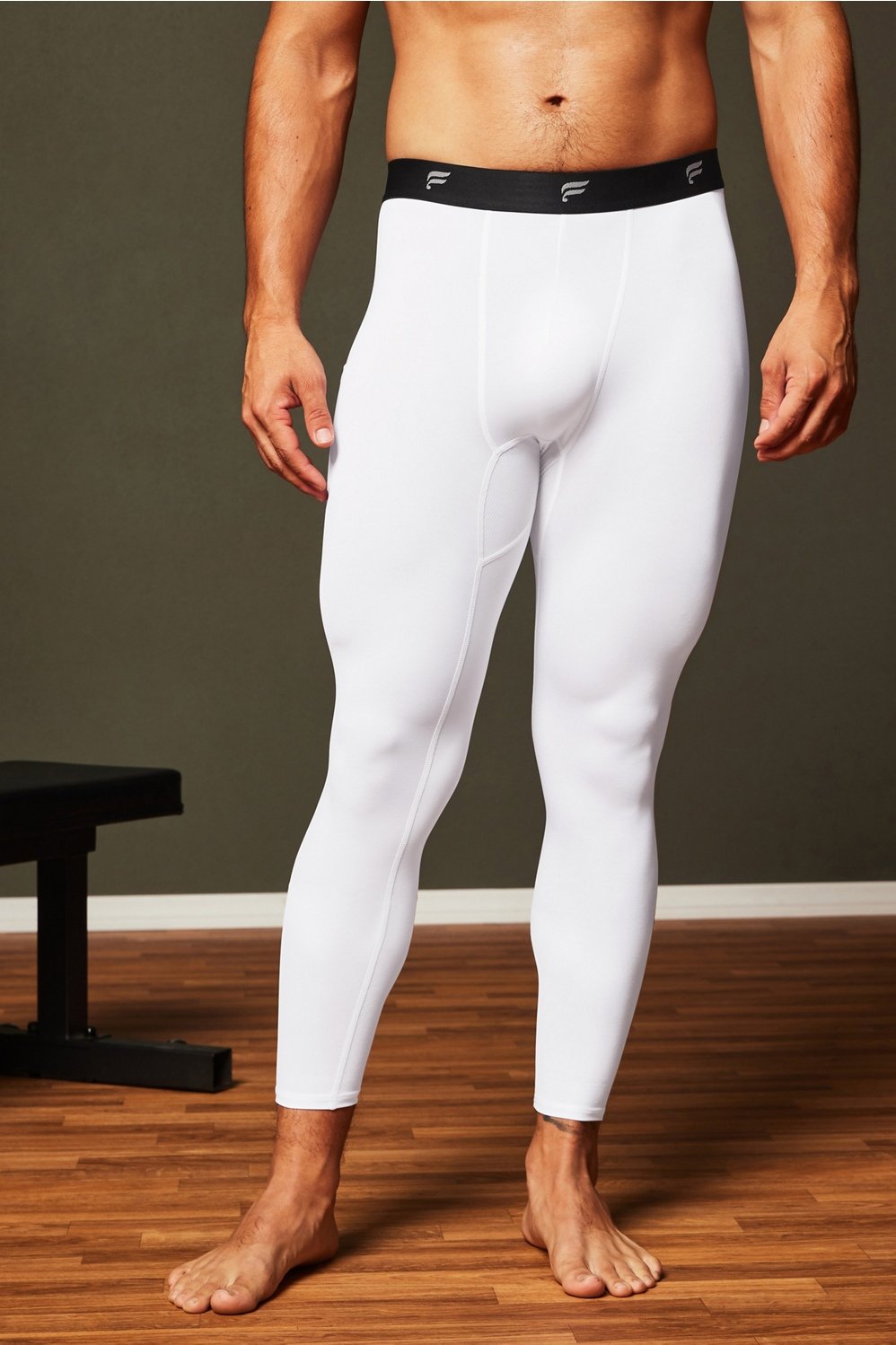


Temperature feel 15F to 30F on the chairlift, closer to 70F against your skin inside the shell while you are moving. Key layer The shell pant itself. It blocks wind and snow, which is most of the warmth. Everything under it is sweat management. Base layer One lightweight synthetic or merino bottom, 150 to 200 gsm. Midweight only below about 10F or on a slow lesson day. Avoid Cotton long johns, jeans, sweatpants, leggings with thick flatlock seams, and a second sock. Footwear One thin merino or synthetic ski sock pulled over the base layer, smooth to the knee, nothing bunched at the shin. Tested in Three February days in Vermont, 12F to 28F, uninsulated shell pants and a rented boot.
Outfit Formulas for Under Your Ski Pants
The Resort Day Standard, 20F to 32F
One lightweight base layer bottom, 150 gsm synthetic or merino, straight against the skin. Up top, a long sleeve base layer and a thin fleece or half zip. That is it below the waist, and it covers most resort days in the Northeast, the Midwest and the Rockies.
The Deep Cold Setup, Below 15F
Swap the lightweight bottom for a midweight, roughly 200 to 250 gsm, merino if you own it. Do not add a second bottom layer. Add warmth at the extremities instead: a thicker ski sock, a neck gaiter, and mittens rather than gloves. Your legs work hardest on the hill and are the last part of you to get cold.
The Spring Slush Setup, 35F to 45F
Go thinner, not thicker. A 120 to 150 gsm synthetic bottom, or nothing at all if your shell is lined and you run warm. Spring days end with wet cuffs, and a layer that has wicked meltwater up the hem is worse than no layer.
The Beginner Lesson Setup
A lesson is 70 percent standing and 30 percent falling, so you make almost no heat and you spend real time sitting in snow. Use a midweight bottom even at 25F, long enough to tuck into the sock. Beginners get wet from the outside before they sweat, which flips the usual rule.

32 Degrees Lightweight Baselayer Legging
The thin synthetic bottom that covers a 20F to 32F resort day. Flat waistband, no side seam to press against a boot cuff, and cheap enough to own two pairs.
Shop This PickDo and Don't
- Do wear exactly one bottom layer, no matter how cold it is.
- Do pull the base layer smooth down the shin before the sock goes on. A wrinkle under a boot tongue becomes a bruise by lunch.
- Do pack a dry spare base layer in the car for the drive home.
- Don't wear cotton long johns, boxers or a cotton tee anywhere in the stack.
- Don't double up on socks. Two socks reduce boot volume and cut circulation, which is what actually makes toes cold.
- Don't tuck a bulky mid layer into the waistband of the shell pant. Let it sit over the top.
Best Footwear for a Day in Snow Pants
A thin merino ski sock is the right default for almost everyone. It reaches above the boot cuff, has no seam across the toe, and holds warmth even once damp. Examples include the Darn Tough Hiker Micro Crew and the Smartwool Ski Targeted Cushion. Price range: $18 to $28.
A liner sock suits anyone who gets hot spots or owns a boot that fits snugly. It is thin enough to add nothing to the boot volume, and it moves against the ski sock instead of against your skin. Examples include the Spyder Pro Liner and the Wigwam Gobi Liner. Price range: $14 to $25.
An insulated winter boot handles the walk from the lot and the hour after you click out. A removable felt liner dries overnight. Examples include the Sorel Caribou and the Kamik Nationplus. Price range: $110 to $190.
Avoid: cotton crew socks and the two sock stack. Cotton holds roughly 25 times its weight in water and stays cold once wet, and a second sock takes up the room your foot needs for blood to move. Examples: gym tube socks, thick cabin socks, and any sock with a raised toe seam.

Spyder Pro Liner Ski Socks
Thin enough that a rented boot still fits, tall enough to clear the cuff. This is the sock that replaces two socks, not the one you add to them.
Shop This PickMistakes People Make
- Wearing jeans under snow pants. Denim is cotton, it absorbs sweat and meltwater, and the inseam and rivets sit exactly where the boot cuff presses. I did this once as a teenager and spent the back half of the day cold at 30F.
- Adding a second layer because the forecast looks brutal. Two bottom layers compress each other and squeeze out the trapped air that was doing the insulating. You end up with more fabric and less warmth.
- Treating everyday leggings as a base layer. Most are a cotton blend with thick seams down the outside of the leg. A real base layer bottom is thinner, synthetic or wool, with flat seams placed away from the boot line.
- Dressing for the chairlift instead of the run. The lift is the coldest ten minutes of the hour and the easiest to fix with a gaiter and a hood. Dress for the moving part.
Why This Approach Works
A shell pant is a sealed system. The nylon face fabric and the membrane stop well over 99 percent of wind, and wind is what strips body heat fastest on a lift at 15F. Once wind is out of the equation, the air trapped against your legs warms to near skin temperature in a couple of minutes, and the only threat left is moisture.
That is why fabric beats thickness. Polyester holds about 0.4 percent of its weight in water, merino around 30 percent but bound inside the fiber rather than against your skin, and cotton roughly 25 times its own weight right where you do not want it. Wet fabric pulls heat off a leg about 25 times faster than dry air. Thickness cannot fix that.
150 gsm is the practical floor for a moving skier and 250 gsm is the ceiling before the fabric traps more sweat than it moves. Above that, add a windproof layer over the top rather than more fabric underneath.
⭐ Jordan's Pick

MERIWOOL Merino Wool Base Layer
Merino at a price that does not make you precious about it. I wore the same one three days running in Vermont and it never smelled, which is the part synthetics cannot match.
Shop This PickFrequently Asked Questions
Can I wear jeans under ski pants? No. Denim is cotton, it soaks up sweat and snowmelt, and the thick inseam sits under the boot cuff. It is the single most common reason people come in cold at lunch.
Can I wear sweatpants under snow pants? Only if you have nothing else and the day is short. Fleece sweatpants are usually a cotton blend, too bulky under a shell, and they bunch at the knee. A $10 synthetic bottom beats them easily.
Do you wear underwear under a base layer? Most people do and it is fine. Choose a synthetic or merino brief rather than cotton, since cotton underwear undoes the point of the layer sitting over it.
Do I need thermals if my ski pants are insulated? Usually just one thin layer, and on a spring day you can skip it. Insulated pants already carry 40 to 60 grams of synthetic fill, so a midweight bottom on top of that is normally too much.
How many layers should go under ski pants? One. The only time two makes sense is standing still for hours in single digit temperatures, and even then a windproof shell over the top is the better fix.
Related Guides
- Merino Wool vs Synthetic Base Layers
- How Do I Layer Clothes for Winter?
- What to Wear in 20 Degree Weather
- What to Wear in 25 Degree Weather
- What to Wear Running in 30 Degree Weather
- What to Wear Under a Sweater
About the Author: Jordan Ellery is a weather-styling writer and former retail buyer who covers fabric science, layering systems, and the temperature spine. Read more from Jordan.
Powered by Outfit Forecast Formulas. Forecast x Occasion x Body.