What to Wear to a Turkey Trot
Wear a thermal base layer, a quarter zip, running tights and a throwaway vest you shed at the start. Dress for 15 to 20F warmer than the thermometer, because you heat up inside the first mile. Four formulas plus glove, hat and shoe picks, so the morning is already decided.

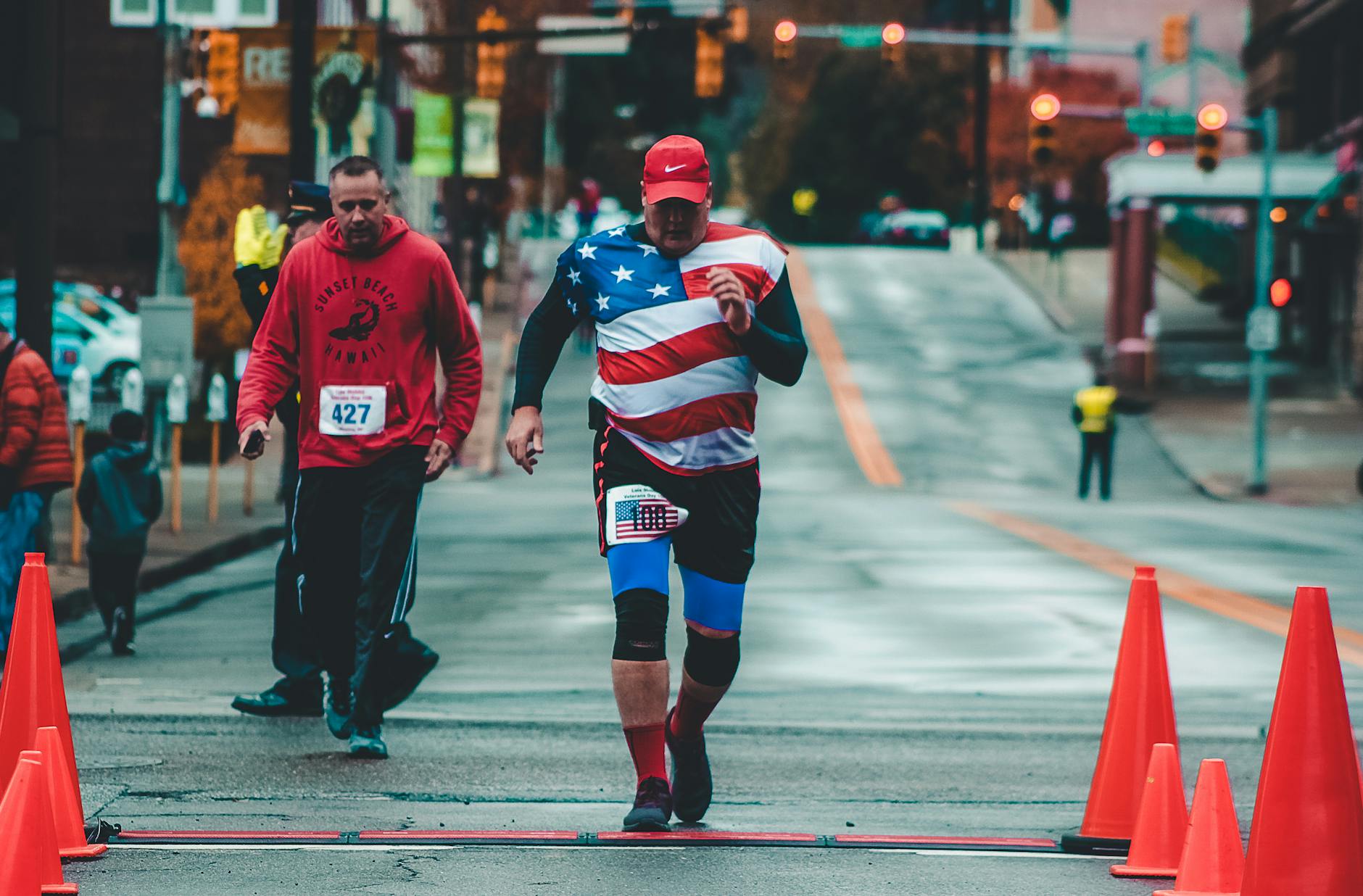
A turkey trot is a cold-start, short-effort race, so dress for about 15 to 20F warmer than the thermometer reads at the gun. At 32F that means a thin thermal base layer, a quarter zip, running tights and a throwaway vest you shed in the first mile. Cover your hands and ears, because those are the parts that stay cold long after your core has caught up. The corral wait is the only genuinely cold part of the morning, and it is the part most people dress for by mistake.
🛒 The Turkey Trot Outfit Forecast Formula



Temperature feel Most US turkey trots go off between 28F and 42F. Dress for 15 to 20F warmer than that, because you gain roughly that much within the first mile. Key layer A quarter zip you can vent at the throat without stopping. It does more temperature work than any jacket. Base layer Thin synthetic or merino long sleeve against the skin. Thin beats thick here, every time. Avoid Cotton hoodies, full winter coats, and any costume piece that adds bulk across the shoulders. Footwear Regular daily-trainer running shoes with a wool-blend crew sock. No trail shoe, no new pair. Tested in Chicago and Milwaukee Thanksgiving mornings, 26F to 41F, with 30 to 50 minute corral waits.
Turkey Trot Outfit Formulas
The Standard Trot (32F to 42F)
Thermal base layer, quarter zip over it, running tights or thin joggers, gloves, beanie. That is the whole thing. You will feel slightly underdressed standing around, which is the correct feeling. If you are comfortable at the start line you have one layer too many and you will carry it for the back half.
The Hard Freeze Setup (Under 28F)
Add a vest over the quarter zip and swap the thin gloves for a pair with a windproof back panel. The vest earns its slot by keeping your core warm without adding fabric to your arms, which is where heat needs to escape once you get going. Keep the tights, add a thin neck gaiter you can pull down at mile one.
The Mild Trot (42F to 52F)
Long sleeve and shorts, or long sleeve and tights if your legs run cold. Skip the vest entirely. Forty-five degrees at the gun feels like sixty by the first turn, and most people at this temperature finish carrying a jacket they never needed.
The Costume Compromise
Most trots have a costume element and you should join in, but pick one piece and keep it above the waist and off the shoulders. A turkey hat, a headband, a light cape. Foam and fleece costume bodies trap heat badly and chafe worse. If you want to go bigger, wear it in the corral and hand it off before the gun.

Fabletics GridTech Quarter Zip Hoodie
Grid fleece holds warmth in the corral and dumps it fast once you open the zip at mile one. This is the layer doing the real work at 32F.
Shop This PickDo and Don't
- Do put your bib on your outermost layer the night before, not on the shirt you plan to shed.
- Do wear gloves you do not love. They come off at mile one and they get dropped.
- Do check whether your race collects discarded clothing for donation. Many do.
- Don't wear a cotton hoodie. It soaks, it stays soaked, and you have a long cold walk back to the car afterward.
- Don't break in new shoes on Thanksgiving morning.
- Don't overdress the legs. They generate heat and complain far less than hands and ears do.
Best Shoes for a Turkey Trot
Your regular daily trainer is the right answer for almost everyone. A 5K on closed pavement asks nothing special of a shoe. Examples include the Brooks Ghost 16, the Nike Pegasus 41, or whatever pair already has 100 comfortable miles on it. Price range: $110-150.
A cushioned max-stack shoe works if you are walking the course or running it with kids, because you will be on your feet longer at a slower pace. Examples include the HOKA Bondi 9. Price range: $150-170.
A water-resistant trainer earns its place only if there is snow or slush on the ground at start time. The tradeoff is a warmer, less breathable shoe. Price range: $130-170.
Avoid: trail shoes and brand-new shoes. Trail lugs feel unstable on pavement and the aggressive tread does nothing for you on a closed road, and a first outing in fresh shoes is how a fun 5K turns into a blistered afternoon on the couch.

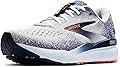
Brooks Ghost 16 Running Shoe
The default neutral trainer for a road 5K. Enough cushion for a slow family pace, light enough if you decide to actually race it.
Shop This PickMistakes People Make
- Dressing for the corral instead of the race. You stand around for 30 to 50 minutes, then run for 25 to 40. People dress for the longer wait and then suffer through the part they actually signed up for. Dress for the running and solve the corral with a layer you plan to remove.
- Treating it like a half marathon. A turkey trot is a short effort in cold air, not a two-hour outing. Chafing, fueling and hydration barely matter. Start-line temperature management is nearly the whole problem.
- Leaving hands and ears bare. Fingers and ears have almost no muscle mass to generate heat, so they stay cold the whole race while your core is fine. Gloves and a beanie weigh nothing and fix the only part of you still uncomfortable at mile two.
- Wearing the free race shirt on race day. It is usually cotton, it has never been washed, and you have no idea how it fits under a layer. Wear it Friday.
Why This Approach Works
Running raises heat production to roughly eight or ten times resting output within a few minutes, and most of that heat has to leave through your skin. That is why the 15 to 20F rule holds up: your body closes the gap on its own inside a mile. The quarter zip matters because opening a collar vents heat from the chest and neck, where blood flow is highest, without breaking stride.
Fabric does the rest. A thin synthetic or merino base layer moves sweat off the skin and keeps insulating when damp. Cotton holds up to 27 times its weight in water and stops insulating almost entirely once wet, so at 30F a soaked cotton layer works against you on the walk back to the car.
Extremities are the exception. Blood flow shifts toward working muscles and the core during exercise, leaving fingers and ears colder and slower to recover. A five dollar pair of gloves changes the morning more than a hundred dollar jacket.
⭐ Nate's Pick

Love Your Melon Classics Cuffed Beanie
The cheapest fix for the only part of you that stays cold the whole race. Mine lives in the car from November to March and it has done more turkey trots than any jacket I own.
Shop This PickFrequently Asked Questions
Should I wear shorts or tights to a turkey trot? Tights below about 35F, shorts above about 45F, either one in between. Legs tolerate cold far better than hands and ears, so if you have to choose where to spend your warmth, spend it up top.
What do I do with my jacket after I shed it? Check the race website first. Many turkey trots partner with a local shelter and collect discarded layers along the course, which is why the throwaway layer should be something you do not mind losing. Otherwise tie it at the waist or hand it to a spectator.
Can I wear a costume? Yes, and most people do. Keep it to one piece, keep it off your shoulders, and skip anything foam or fleece that traps heat against your back.
How cold is too cold to run a turkey trot? For a 5K, almost nothing in the normal US Thanksgiving range rules it out. Below about 10F with wind, cover exposed skin and add a neck gaiter you can breathe through.
Do I need different shoes for cold weather? No. Your regular road trainer is fine. Only reach for something water-resistant if there is actual snow or slush on the course.
Related Guides
- What to Wear Running in 30 Degree Weather
- What to Wear Running in 40 Degree Weather
- What to Wear for a Half Marathon
- What to Wear for Thanksgiving
- What to Wear to a Cross Country Meet
About the Author: Nate Calloway writes Outfit Forecast's activity guides, covering running, hiking, and the outdoor events where how hard you are working matters as much as the forecast. Read more from Nate.
Powered by Outfit Forecast Formulas. Forecast x Occasion x Body.