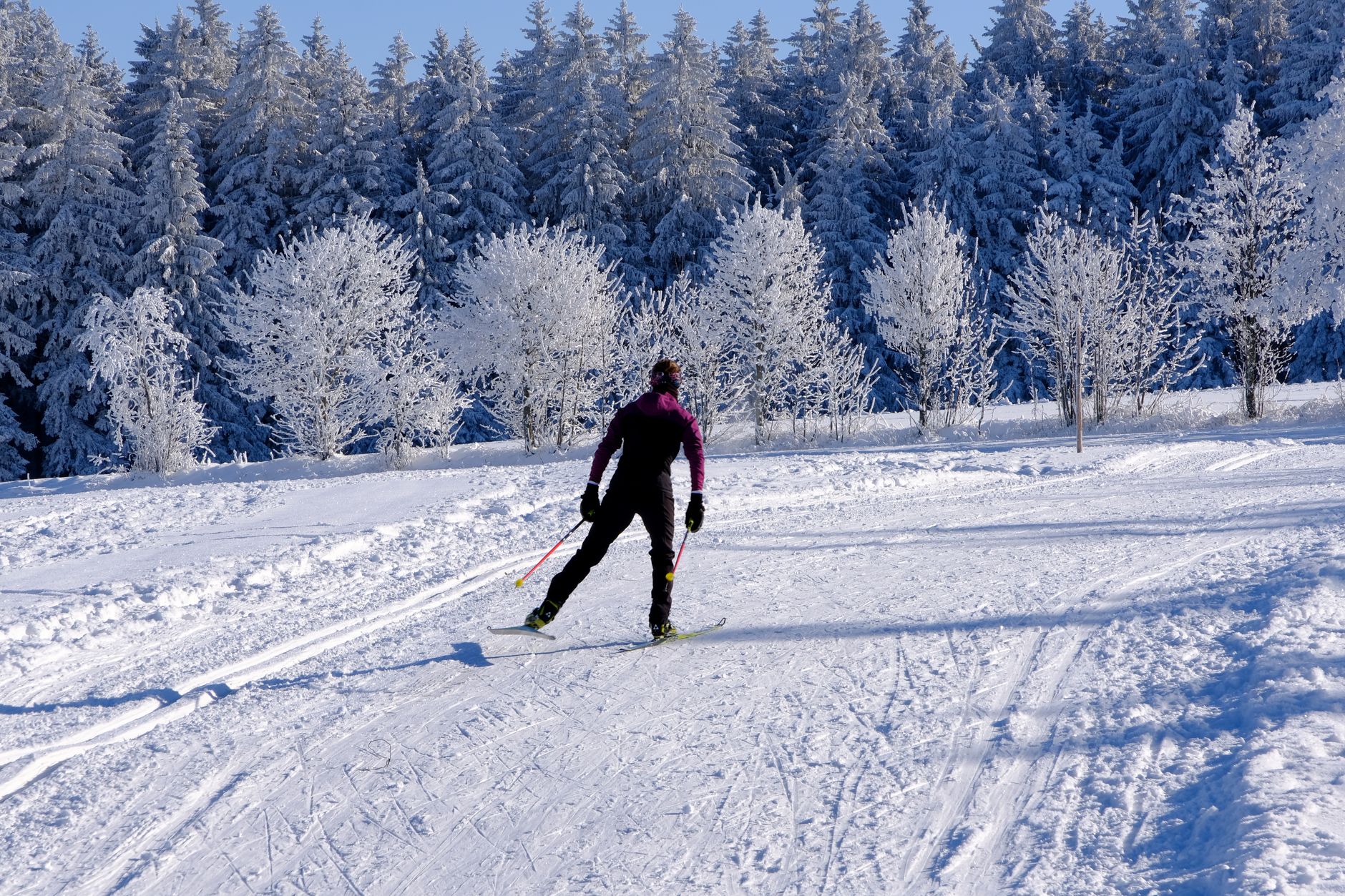
What to Wear for a Half Marathon
Wear a wicking tech tee, lined 5 to 7 inch shorts, broken-in cushioned trainers, and a cheap layer you can ditch at the start. Race morning is two problems: 40 minutes standing still, then 13.1 miles working. Four formulas plus the shoe, sock, and chafe picks, so race morning is already decided.


Wear a wicking tech tee, lined shorts in the 5 to 7 inch range, cushioned trainers you have already put 50 miles on, and a cheap layer you are willing to leave at the start line. Most first-timers dress for the number on their phone instead of the temperature they will feel at mile 3. You stand in a corral for 30 to 45 minutes doing almost nothing, then work hard for roughly two hours. Those are two different clothing problems, and a throwaway layer is what solves the first one without wrecking the second.
Outfit Forecast earns a commission when you buy through links on this page, at no extra cost to you. Some brands featured here are owned by the company that publishes Outfit Forecast. Affiliate disclosure
🛒 The Half Marathon Outfit Forecast Formula


Temperature feel Dress for 15 to 20F warmer than the start-line reading. A 45F morning runs like low 60s by mile 2. Key layer One wicking short-sleeve tech tee. Long sleeves only below about 40F at the gun. Base layer Lined 5 to 7 inch shorts. No cotton anywhere, including underwear. Avoid Brand-new shoes, race-expo shirts, cotton socks, and any zipper or seam you have not run 10 miles in. Footwear Cushioned daily trainers with 50 to 300 miles on them, plus thin synthetic or merino socks. Built for A 44F start rising to 58F, October, with 35 minutes in the corral.
Half Marathon Outfit Formulas
The 50 to 60F Formula (most fall races)
Short-sleeve wicking tee, lined 5 inch shorts, thin synthetic socks, cushioned trainers. That is the whole list. Add a cheap zip hoodie for the corral and drop it in the donation bin before the gun. Fifty degrees standing still feels cold and 50 degrees running feels like 68, which is why the hoodie is a separate decision from the race kit.
The 38 to 48F Formula (early morning starts)
Same shorts, same shoes, but add a long-sleeve or quarter zip as your top layer and light gloves you can stuff in a waistband pocket by mile 3. Skip the tights unless you are genuinely cold-blooded. Your legs generate heat faster than your hands do, and covered legs at 45F is the single most common overdressing error.
The 62 to 72F Formula (warm race day)
Singlet or the lightest tech tee you own, split or 5 inch lined shorts, a visor or cap, and anti-chafe balm on everything that touches something else. Above about 65F your finishing time is a heat management problem more than a fitness problem. Take water at every station even if you do not think you need it.
The Rain Formula (any temperature above 45F)
A brimmed cap and a cheap plastic poncho in the corral, then nothing. No jacket. A soaked shell weighs more than the water it keeps off you and traps heat you need to shed. Tape or lubricate your nipples and inner thighs, because wet fabric abrades skin roughly three times faster than dry fabric does.
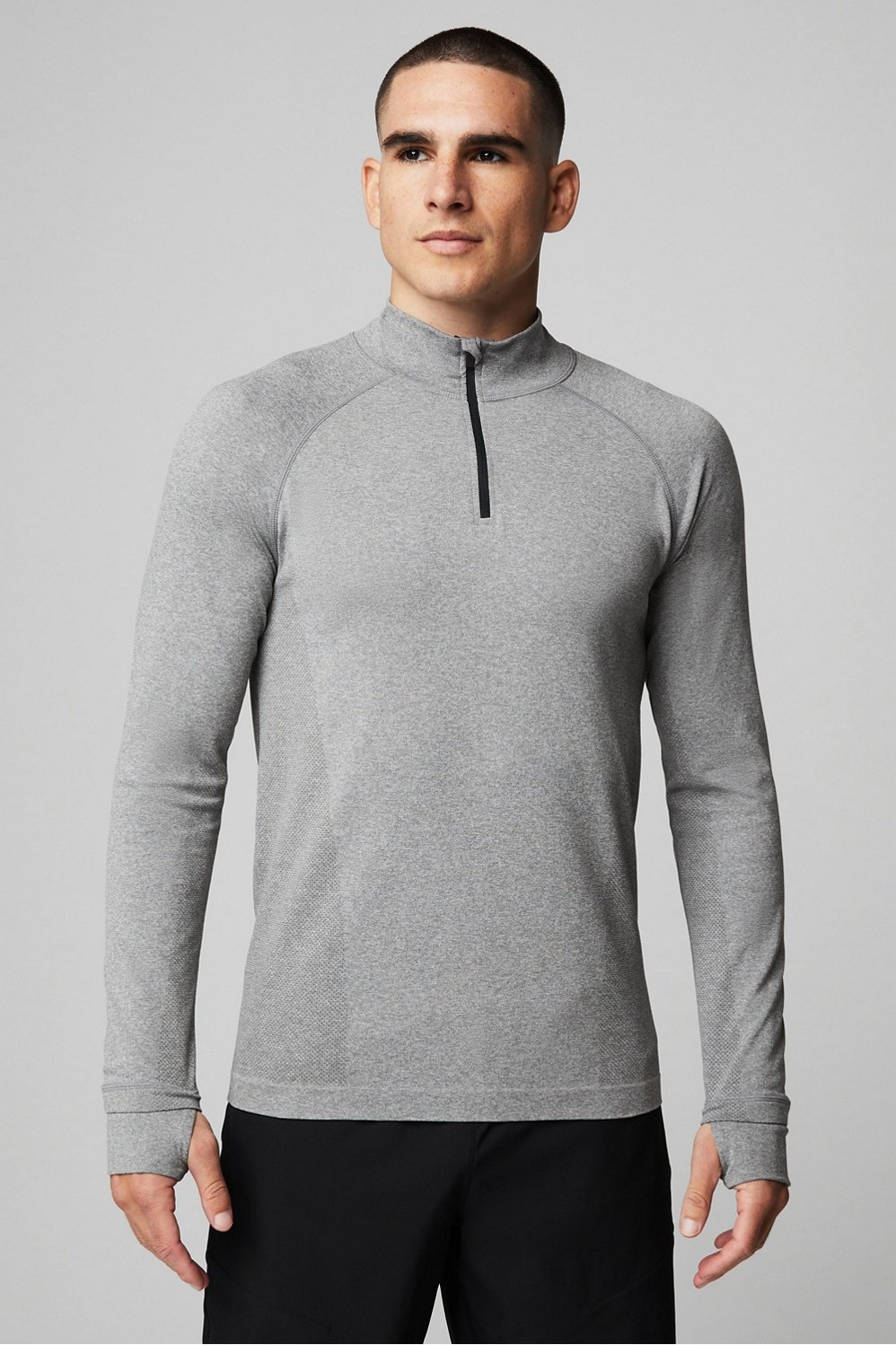
Fabletics Training Day Quarter Zip
The layer that earns its place at a 40F start. Thumb loops stay put in the corral, and the quarter zip vents fast once you hit mile 2 and stop needing it.
Shop This PickDo and Don't
- Do run in your full race outfit on at least one long training run first.
- Do put your bib on your front, low on the singlet, so it does not flap into your chin.
- Do pack a dry shirt and a warm layer in your gear-check bag for the finish.
- Don't wear the race t-shirt they hand you at the expo. Untested cotton or ill-fitting tech blend on race morning is a gamble with no payoff.
- Don't wear cotton socks or cotton underwear. Both hold water and both cause blisters.
- Don't buy new shoes in race week. Anything under 30 miles of break-in is a risk.
Best Shoes for a Half Marathon
Cushioned daily trainers are the right call for most runners at this distance. Examples include the Brooks Ghost 16, Nike Pegasus 41, and Hoka Clifton 10. They stay forgiving when your form degrades in the last three miles, which it will. Price range: $130 to $150.
Lightweight tempo shoes work if you are chasing a time and have trained in them. Examples include the Saucony Endorphin Speed and New Balance Rebel v4. Firmer and less protective, so they reward efficient form and punish tired form. Price range: $140 to $180.
Carbon-plated racers belong to runners with a half or two already behind them. Examples include the Nike Vaporfly 3 and Adidas Adizero Adios Pro. Genuinely faster, genuinely less stable. Price range: $250 to $290.
Avoid: anything you have not run 30 miles in, trail shoes on pavement, and any shoe whose heel counter has been rubbing. A hot spot at mile 4 is a blister by mile 8. Examples: expo purchases, cross-trainers, trainers past 400 miles.

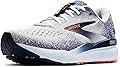
Brooks Ghost 16 Running Shoe
The safest answer for a first or second half marathon. Neutral, cushioned, and forgiving at mile 11 when your form falls apart and your foot stops landing where it used to.
Shop This PickMistakes People Make
- Dressing for the start line instead of mile 3. You run 15 to 20F warmer than ambient once you settle into pace. Dress for what you will feel, then solve the standing-around problem separately.
- Wearing the expo shirt. It has never touched your skin under sweat. Untested seams over two hours are how people finish with bleeding shoulders.
- Skipping anti-chafe. Thirteen miles is roughly 15,000 strides and every one rubs. Underarms, inner thighs, bra bands, and nipples need attention before the gun, not after.
- Tying a jacket around the waist. It bounces and shifts your gait, and by mile 6 you resent it more than being slightly cold. Drop it or check it.
- Overpacking the pockets. Two gels and a key. Anything more swings, and a swinging hip pocket changes how you land 15,000 times.
Why This Approach Works
The number driving every decision here is metabolic heat. Running generates roughly 10 times the heat of standing still, and your body sheds most of it through sweat evaporation. That is why the 15 to 20F rule holds across the whole temperature range and why a single wicking layer beats two thin ones. Polyester and nylon move moisture to the fabric surface where it evaporates. Cotton holds about 7 percent of its weight in water and stops the process cold.
The corral is a separate problem because standing at 45F for 40 minutes drops skin temperature and stiffens muscle before you have done anything. A throwaway layer fixes it for the price of a sandwich, and most large races collect the discarded pile and donate it.
Shoe mileage matters at both ends. Under 30 miles the midsole foam has not compressed to your gait. Past 400 miles it has lost enough rebound that your legs absorb impact the shoe used to. Race in the window between.
⭐ Nate's Pick

32 Degrees Cool Full-Zip Hoodie
Thirteen dollars is the whole argument. The best throwaway layer is the one you will actually drop at the start line instead of tying around your waist for 13 miles.
Shop This PickFrequently Asked Questions
Should I wear shorts or tights for a half marathon? Shorts, down to about 35F at the start. Legs generate heat fast and vent it faster than your core does. Tights below 35F, or if you know from training runs that your knees stiffen in the cold.
What should I wear while waiting in the corral? A cheap zip hoodie or an old sweatshirt over your race kit, plus a plastic poncho if there is any rain. Drop it at the start line. Most races collect and donate the pile.
Do I need a jacket for a half marathon? Almost never. Above 40F a jacket traps heat you need to lose within the first mile. In steady rain, a brimmed cap does more useful work than a shell does.
What socks should I wear for a half marathon? Thin synthetic or merino, never cotton. Merino handles a wide temperature range and resists odor. Whatever you choose, run at least one 10 mile training run in that exact pair first.
How do I stop chafing during a half marathon? Anti-chafe balm on inner thighs, underarms, nipples, and under any bra band or waistband, applied before you leave the house. Reapply at the halfway point if the race is hot or wet.
Related Guides
- What to Wear Running in 50 Degree Weather
- What to Wear Running in 40 Degree Weather
- What to Wear Running in Hot Weather
- What to Wear in 55 Degree Weather
- What to Wear on a Windy Day
- What to Wear to a Cross Country Meet
About the Author: Nate Calloway is a former personal stylist and outdoor gear writer based in Chicago who covers running, hiking, and any dressing decision where activity level matters as much as the forecast. Read more from Nate.
Powered by Outfit Forecast Formulas. Forecast x Occasion x Body.