
Occasion Wear
What to Wear Under a Blazer
Under a blazer, wear a fine-gauge knit crew, a pressed button-down, a knit polo, or a smooth bodysuit. The jacket supplies the structure, so the layer beneath only has to be thin and flat.
Occasion Wear
Under a blazer, wear a fine-gauge knit crew, a pressed button-down, a knit polo, or a smooth bodysuit. The jacket supplies the structure, so the layer beneath only has to be thin and flat.

Occasion Wear
Measure from your own office, not the invitation, and go one step up from what you wear at your desk. A law firm and a studio land in different places from the same wording. Aim for a dark blazer, or a fine-gauge knit in a looser office.

Occasion Wear
Wear business casual with a removable mid layer: a collared shirt or knit top, stretch trousers, a blazer or sweater you can take off, and shoes you can stand in all day. Ballrooms run 66F to 70F while hallways run warmer.

Occasion Wear
Business casual is the safe default at most career fairs: a blazer over a button-up or blouse, dress pants, and shoes you can stand in for hours. Suits are for finance, law, and consulting.
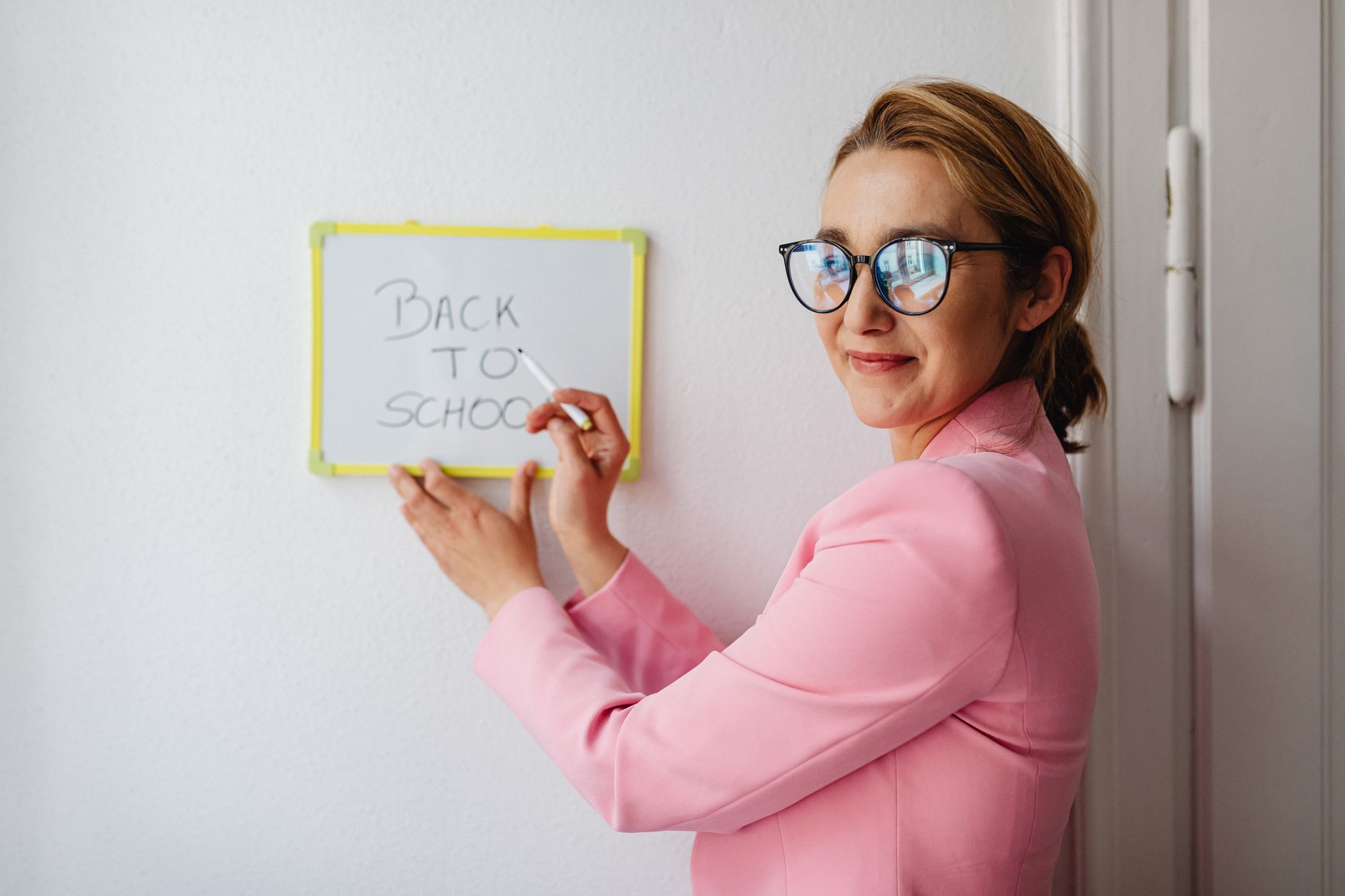
back-to-school
Wear a moisture-wicking base layer under a button-down you can shed, with slip-on shoes and a cardigan that lives on your chair. School buildings swing 15 degrees between a hot hallway and an over-cooled room.
Occasion Wear
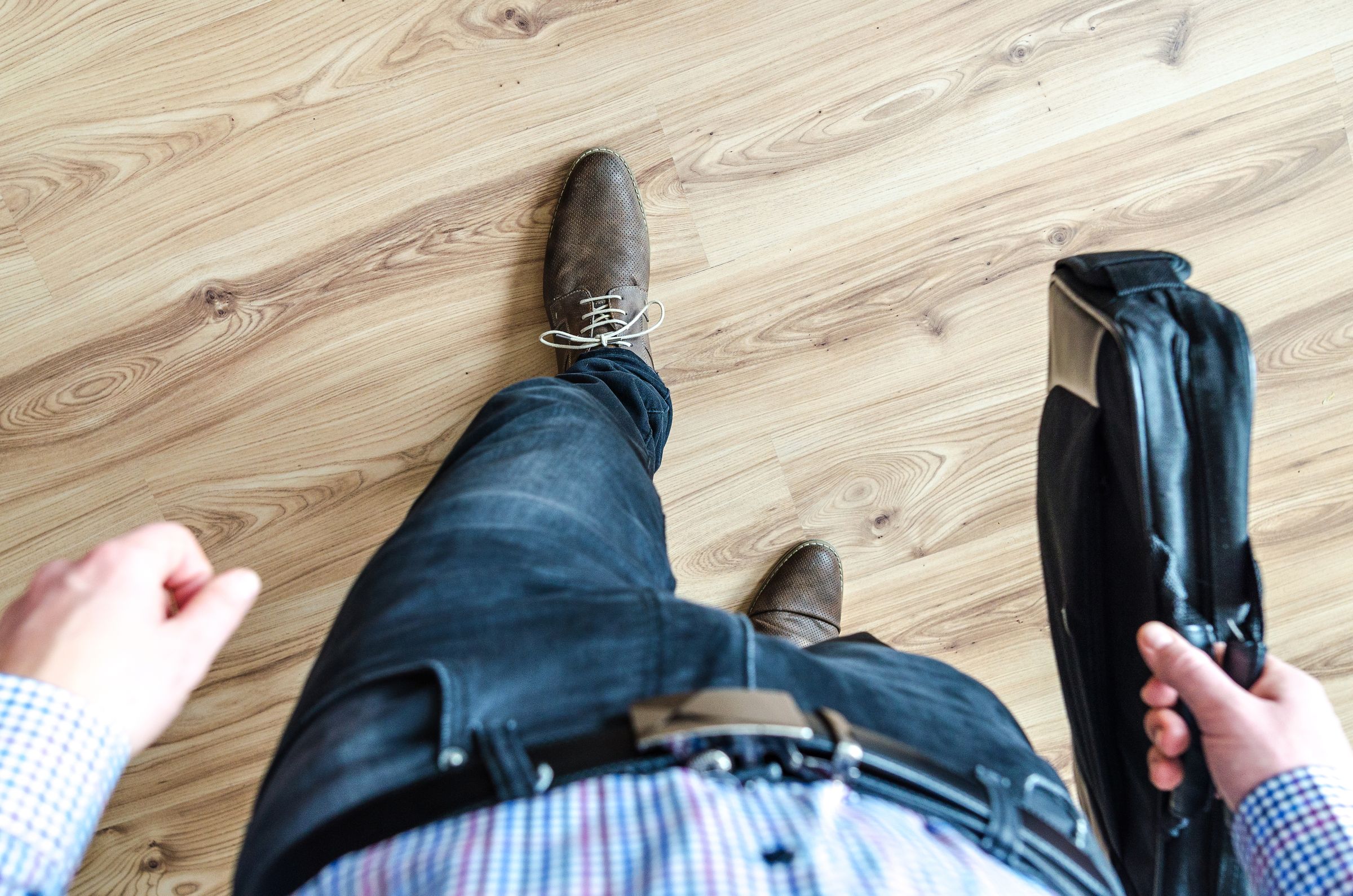
For a first day at a new job, wear a structured blazer or sheath over a polished base, with low-profile shoes you can stand in all day. Your first-day outfit reads as a signal, not a statement.

Occasion Wear
For a job interview with limited dexterity, wear a magnetic-closure dress shirt under a soft blazer with stretch trousers and slip-on shoes. Magnetic closures cut dressing time by 70 percent.

Occasion Wear
How to dress for corporate, startup, and creative interviews with outfit formulas that match the company culture.