How Do I Dress When the Temperature Swings 30 Degrees in a Day?
When a day starts at 50°F and hits 75°F by afternoon, the answer is three thin layers that come off independently. Each one earns its place at a specific temperature band, and the ones you are not wearing live in your bag.

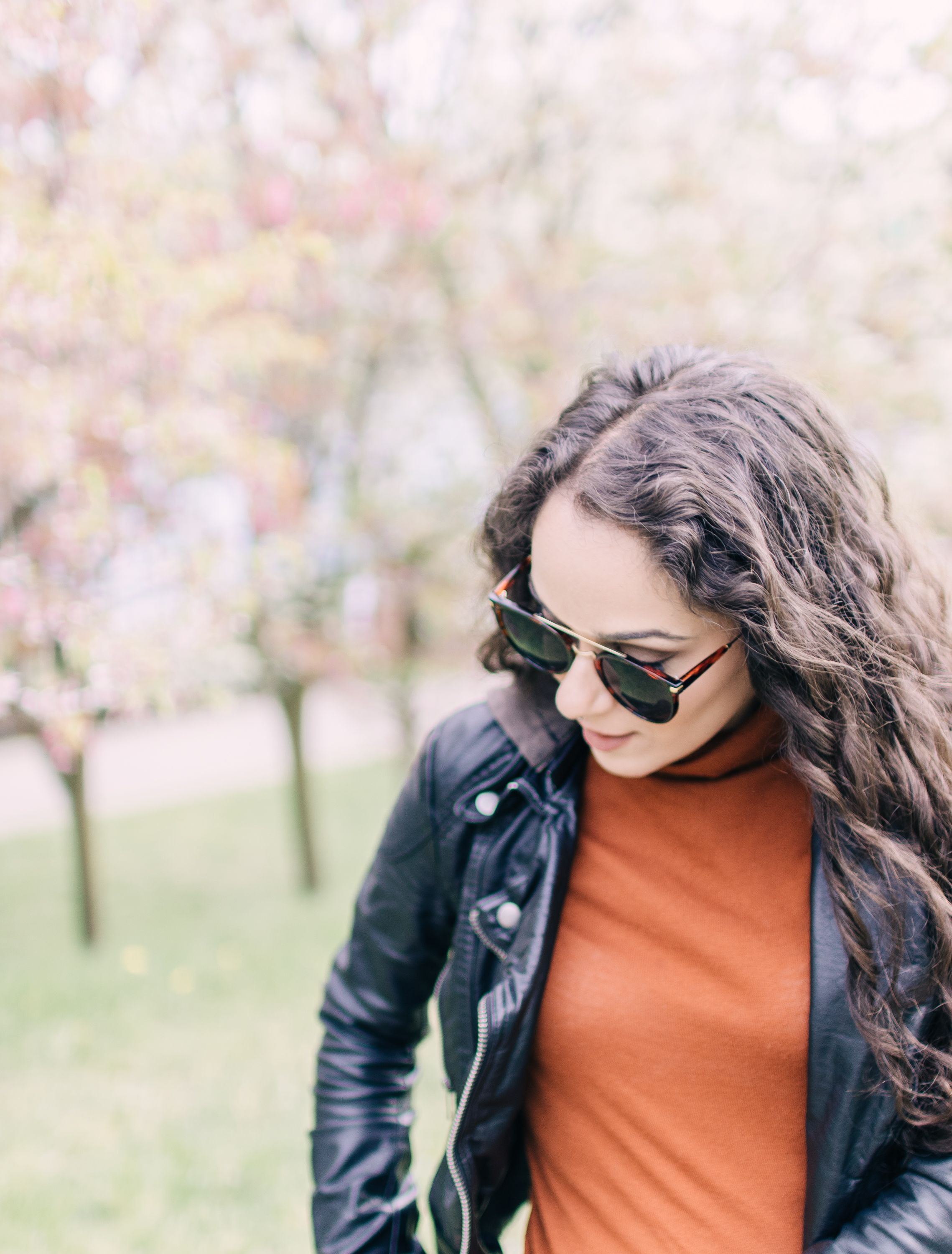
When a day starts at 50 degrees and hits 75 by afternoon, the answer is three thin layers that come off in sequence. Base of merino or moisture-wicking tee, mid-layer fleece or cardigan, and a packable wind shell. Each layer adds about 8 degrees of perceived warmth, so removing them as the temperature climbs keeps you in the comfort zone without changing pants or shoes.
🛒 The Spring Swing Outfit Forecast Formula


Temperature feel Cool in shade and morning, mild to warm in sun and afternoon Key layer Light fleece or quarter-zip Base layer Merino tee or synthetic athletic crew Avoid Heavy single-piece insulation, shorts in the morning, boots if you'll walk Footwear Sneakers or low-profile leather shoes Tested in 48 to 78 degrees in a single day, multiple spring shoulder seasons
3 Outfit Options for Spring Temperature Swings
1. The Layered Casual
A baseline outfit you can adjust without going back to the closet.
- Base: Merino crewneck tee
- Mid: French terry quarter-zip or Patagonia Better Sweater
- Outer: Patagonia Houdini packable shell or denim jacket
- Bottoms: Levi 501 or quick-dry chinos
- Shoes: New Balance 574 or canvas low-top
- Accessories: Beanie for early morning, off by 9 AM
2. The Active Day
When you'll be moving for several hours. Aim for moisture-wicking layers that handle a workout, then dry as you cool down.
- Base: Synthetic athletic tee
- Mid: Grid fleece or technical pullover
- Outer: Wind shell (Houdini) tucked in a hip pocket
- Bottoms: Joggers or technical chinos
- Shoes: Cushioned daily trainer
3. The Office-to-Patio
Carries you from a 55-degree commute through an 80-degree happy hour.
- Base: Oxford button-down
- Mid: Merino crewneck sweater you can remove
- Outer: Unstructured blazer for the morning
- Bottoms: Wool-blend trousers or dress chinos
- Shoes: Loafers or leather low-tops

Patagonia Better Sweater
Knit-face fleece that reads like a sweater. 9.5 oz/yard recycled polyester with a fleece interior. Easy to throw on at 55, easy to tie around the waist at 70.
Shop This PickWhat to Wear and What to Skip
Do:
- Three thin layers always beat one mid-weight piece
- Plan for the noon high, not the dawn low
- Choose breathable mid-layers that dry quickly
- Carry a packable shell rather than wearing a heavy jacket
Skip:
- Heavy fleece in the morning - you'll boil by noon
- Cotton hoodies. Once you stop moving they stop insulating
- Shorts for the 50-degree morning, even if afternoon hits 75
- Boots when you'll walk 5+ miles - boots are warmer than you need for the noon high
Best Shoes for Spring Temperature Swings
Lifestyle sneakers are the most versatile choice. Suede or leather uppers, cushioned midsoles. Handle a 5-mile day in 70 degrees and a chilly morning in 55. Examples include New Balance 574, Adidas Samba, and Veja V-10. Price range: $80 to $200.
Canvas sneakers work for the warmer half of the swing, less so for the cool morning. Bring a thicker sock to bridge the gap. Examples include Converse Chuck 70, Vans Authentic, and Common Projects Achilles Canvas. Price range: $60 to $250.
Leather low-top shoes for smart-casual contexts. Penny loafers, derby shoes, or low-top dress sneakers. Examples include Cole Haan Pinch Penny, Cole Haan Original Grand, and Allbirds Wool Runners. Price range: $100 to $300.
Cushioned daily trainers when you'll be active. Daily-trainer foam handles the cool 5K morning and the warm 5K evening equally. Examples include Hoka Clifton 10, New Balance 880v14, and Asics Gel-Nimbus 26. Price range: $130 to $180.
Avoid: Boots if you'll walk more than 3 miles, fully insulated footwear, summer sandals before the afternoon warms up. Boots are warmer than the noon high needs and sandals are colder than the morning low.

Patagonia Houdini Jacket
3.7 oz packable wind shell. Stuffs into its own pocket smaller than a fist. The single most useful piece for spring swing days because you can carry it without thinking about it.
Shop This Pick5 Mistakes People Make on Spring Swing Days
- Dressing for the morning: If you wear a fleece because it is 55 at 7 AM, you will be sweating into it by 11 when the temperature climbs to 70. Always plan to remove a layer.
- Cotton hoodie as the mid-layer: Once you stop moving, cotton stops insulating. A French terry or fleece mid-layer keeps working when you sit down.
- One heavy piece instead of two thin: Heavy single-layer jackets are an all-or-nothing decision. Two thin layers give you a middle setting at 65 degrees.
- Forgetting the wind: A 10 mph wind at 65 degrees feels like 60. The packable shell is the cheapest way to bring the apparent temperature back up.
- Wrong shoes for the swing: Boots are too warm for the 75-degree afternoon. Sandals are too cold for the 50-degree morning. Versatile leather or cushioned sneakers handle both.
Why This Approach Works
A 30-degree temperature swing crosses three comfort zones in a single day: cool (50-58), mild (60-68), and warm (70+). The layering math means each layer adds about 8 degrees of perceived warmth at the relevant fabric weight. A base layer plus mid plus shell covers 50 to 78 in 4-degree increments by adding or removing pieces.
Merino is the right base because it manages both ends of the swing. Merino retains 80 percent of insulation when wet, so it handles a morning chill plus a midday workout without cooling you down. Synthetic athletic fabrics work too if you do not pause during high-output activity.
The packable wind shell is the highest-value piece because it occupies the smallest volume and provides the most variable warmth. A 3.7-ounce shell blocks the wind that cools you by 5 degrees at 10 mph and adds zero weight when stuffed in a pocket. The Houdini-style shell is the single piece that turns spring swing days from miserable into manageable.
⭐ Jordan's Pick
Patagonia Houdini Jacket
The Houdini is the highest-value piece in the spring swing wardrobe. Packs to a fist, blocks wind, weighs nothing in your hand. The piece that solves the 'do I bring a jacket' question.
Shop This PickFrequently Asked Questions
How do I dress for a 30-degree swing in one day?
Build around three pieces that work independently and together. Start with a breathable base (cotton tee or thin merino long-sleeve), add a mid layer you can carry (light flannel, denim jacket, or thin fleece), and choose pants that breathe (chinos or wool blends, never heavy denim). The mid layer is what makes it work, you wear it in the cool morning and carry it once the afternoon hits the high end of the range.
What fabrics handle temperature changes best?
Merino wool wins, then linen and lightweight cotton blends. Merino regulates temperature better than any other natural fiber because its hollow fibers trap warm air when cool and wick moisture when warm. Linen breathes well at the warm end but offers no warmth at the cool end. Cotton-poly blends in mid-weights split the difference and dry faster than pure cotton when you warm up walking around. Avoid heavy denim, thick wool, and any synthetic that doesn't have a moisture-wicking treatment.
Should I wear layers or change clothes during the day?
Layers are almost always the better choice for a thirty-degree swing within a single day. Changing clothes requires going home or carrying a full outfit, and the swing usually happens too gradually for a clean change anyway. Three thin layers gives you nine effective combinations as you add and remove pieces. Save the outfit change for situations where the activity itself changes, like commuting to work and going to a workout class after.
What time of day do spring temperatures peak?
Most spring locations peak between 2 and 4 PM, then drop most rapidly between 5 and 7 PM as sun angle decreases. The lowest temperature is usually thirty to sixty minutes before sunrise, not at midnight. If you're commuting in by 8 AM and leaving at 6 PM, you'll experience the full thirty-degree range on both ends. Plan layers around your evening departure as much as your morning arrival.
Related Guides
- What to Wear in 25°F Weather - For days when the morning starts in single digits and tops out at 25°F.
- What to Wear in 50 Degree Weather
- What to Wear in 60 Degree Weather
- What to Wear in 70 Degree Weather
- What Should I Wear in the Rain
- What to Wear When It's Hot Outside but Cold Inside — The outdoor-to-indoor layering formula for summer days when AC drops the indoor temperature 15 to 20 degrees below the street.
Powered by Outfit Forecast Formulas. Forecast x Occasion x Body.