What to Wear to a Pumpkin Patch
For a pumpkin patch, wear a plaid overshirt or quilted vest over a fitted top, with jeans or leggings and boots you can get muddy. The field stays wet until midday and you will be carrying something heavy. Four formulas plus the layer and boot picks, so the photos look planned.


Pumpkin patches punish the wrong shoes. The ground is a churned dirt field that holds water for days after rain, mornings sit 15 to 20 degrees below the afternoon high, and at some point you are carrying a 15-pound pumpkin with both arms while someone takes a picture. Wear a plaid overshirt or a quilted vest over a fitted top, jeans or leggings, and boots you have already accepted will get dirty.
🛒 The Pumpkin Patch Outfit Forecast Formula


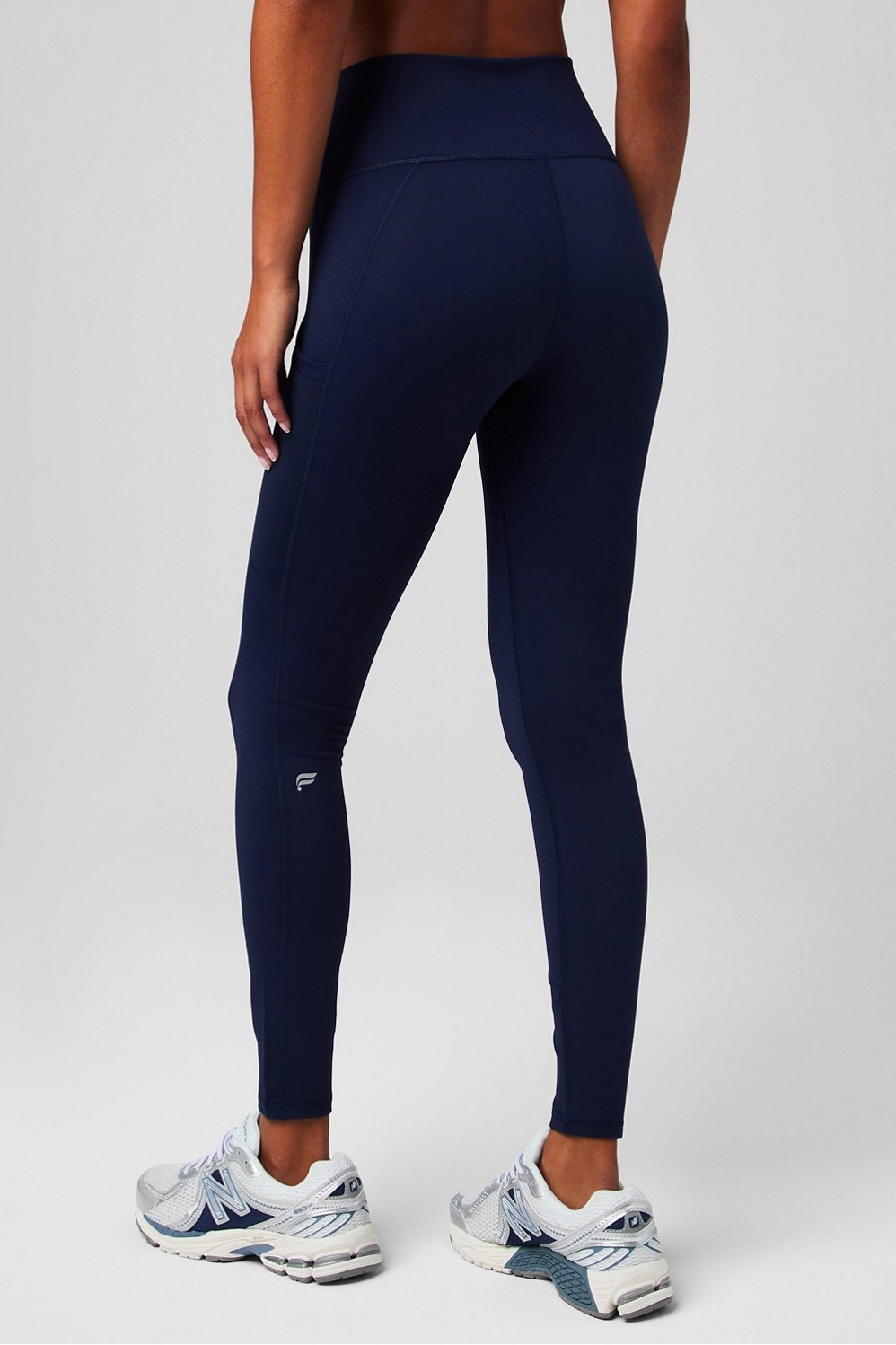

Temperature feel 48F to 68F on a typical late-September or October weekend. Open fields run windier and feel 3F to 5F colder than the forecast. Key layer A plaid overshirt or quilted vest. Both photograph well and both come off one-handed when the sun comes out. Base layer A fitted long-sleeve tee or thin fleece. Fitted matters because the outer layer sits over it all day. Avoid White pants, suede, long flowing hems, and anything you would be upset to see stained. Footwear Rubber Chelsea boots for a wet field, leather ankle boots for a dry one. Never open toes. Tested in Hudson Valley and Bucks County farms, October weekends, 52F mornings warming to 66F by 1pm.
Four Pumpkin Patch Outfit Formulas
The Plaid Overshirt Formula
A fitted long-sleeve tee, dark straight-leg jeans, and a brushed plaid overshirt worn open. This is the formula that shows up in most pumpkin patch photos for a reason: the plaid reads as fall without costume, and an open overshirt gives a picture some shape instead of a flat block of color. Roll the sleeves once. If the morning starts near 50F, keep it buttoned for the first hour and open it when you stop shivering.

Brushed Plaid Overshirt
Heavy enough to work as the only layer at 55F, light enough to tie around your waist by noon. Sizes run small through XXL.
Shop This PickThe Vest and Sleeves Formula
A quilted vest over a fleece hoodie or fitted knit, with leggings or jeans. The vest is the better choice when you are the one lifting pumpkins, because it leaves your arms completely free and still keeps your core warm in wind. It also solves the swing problem: a vest stays put when you bend over, where a loose jacket flaps into everything. Pick a vest with real pockets, since you will be holding a phone, a wallet, and eventually somebody's mittens.
The Family Photo Formula
Pick two colors and one neutral, then let everyone in the group land somewhere inside that range. Rust, olive, cream, and denim all photograph well against orange without competing with it. This works better than matching outfits, which tend to look staged, and better than a free-for-all, which reads as messy in a wide shot. Give the kids the darkest colors in the group, because they are the ones who will end up sitting in the dirt.
The Warm Afternoon Formula
A fitted long-sleeve tee, high-waisted leggings, and boots, with the outer layer carried rather than worn. Some October afternoons hit 70F and the field turns hot fast once the wind drops. Leggings work better than jeans here because they dry quicker if the grass is still damp and they do not get heavy at the ankles. Keep the layer with you anyway; the temperature falls off a cliff around 4pm.
Do and Don't
- Do check the forecast for the three days before, not just the day of. A dry Saturday after a rainy Thursday is still a mud field.
- Do wear something with pockets you can reach while holding a pumpkin.
- Do put the kids in dark colors and washable fabrics.
- Don't wear white or cream pants. The dirt is not coming out.
- Don't wear suede boots, no matter how good they look with the outfit.
- Don't pick a long skirt or maxi dress that drags. Hems collect mud and vines the entire visit.
Best Shoes for a Pumpkin Patch
Rubber Chelsea boots are the correct answer when the field has seen rain in the last 72 hours. They pull on in a second, rinse clean under a hose, and the ankle height keeps mud out without the bulk of a tall rain boot. Examples include the Hunter Chelsea and the Chelsea profiles from Bogs and Kamik. Price range: $80-150.
Leather or faux-leather ankle boots are the better look on a dry, cold weekend and carry over if you are stopping for cider afterward. Choose a lug sole rather than a smooth one, because packed dirt gets slick. Examples include Dream Pairs booties, Blundstone 500s, and the Clarks Desert Boot. Price range: $50-200.
Broken-in sneakers work if the patch is a small paved-adjacent operation rather than a working farm. Canvas is fine on dry ground and terrible on wet. Price range: $60-120.
Avoid: suede, open toes, heels, and new white sneakers. Suede stains permanently from one wet field, heels sink into soft ground and stay there, and open toes put your feet into whatever the tractor drove through this morning.

Dream Pairs Ankle Booties
The dry-weekend pick. Low block heel that will not sink, a sole with enough grip for packed dirt, and a price that survives a scuff.
Shop This PickMistakes People Make
- Dressing for the forecast high instead of the arrival time. Most patches are busiest between 10am and noon, when the field is still 12F to 18F below the afternoon peak and the grass is wet. Dress for when you get there.
- Treating it as a photoshoot rather than a two-hour outdoor activity. The outfit has to survive kneeling, lifting, and a hayride. If you would not sit down in it on a wooden bench, it is the wrong outfit.
- Wearing a coat instead of a layer. A full jacket is too warm within twenty minutes and too bulky to carry once you take it off. An overshirt or vest handles the same range and packs down to nothing.
- Skipping socks that come above the boot line. Ankle socks plus rubber boots means the rim rubs bare skin for two hours. Wear a mid-calf sock, wool if you have it.
Why This Approach Works
Open farm fields lose heat faster than the surrounding area because there is nothing to block wind or hold radiant warmth, so a patch at 55F with a 10 mph breeze feels closer to 49F on exposed skin. That is the gap most people get wrong. The overshirt-and-vest approach works because both garments are roughly 8 to 12 ounces of fabric, enough to cut wind at that felt temperature without the 30-plus ounces of an insulated jacket that becomes dead weight by 1pm.
Footwear is the part that actually decides whether the trip is pleasant. Soil in a working patch holds water for two to four days after rain depending on clay content, and a suede upper absorbs enough moisture in one visit to permanently darken. Rubber is not a style compromise here, it is the difference between rinsing your boots off in the driveway and throwing them out.
⭐ Claire's Pick
Hunter Chelsea Rain Boot
I stopped bringing a second option once I owned these. They look like ankle boots in photos and hose off in ten seconds when you get home.
Shop This PickFrequently Asked Questions
What should I wear to a pumpkin patch for photos? Pick two colors plus one neutral for the whole group, and let rust, olive, cream, and denim do the work against orange. Avoid matching outfits and avoid pure white, which blows out in bright field light and shows every mark.
Are leggings okay for a pumpkin patch? Yes, and often the better call. Leggings dry faster than denim if the grass is damp, do not get heavy at the ankles, and move well for lifting and kneeling. Pair them with a longer top or a vest for more coverage.
What shoes should I wear to a pumpkin patch? Rubber Chelsea boots if it has rained in the last three days, leather ankle boots with a lug sole if the field is dry. Skip suede, heels, open toes, and anything white.
How cold does a pumpkin patch get? Expect 48F to 68F across a typical October weekend, with mornings 12F to 18F below the afternoon high. Open fields feel another 3F to 5F colder because there is no windbreak.
Related Guides
- What to Wear Apple Picking
- What to Wear in 60 Degree Weather
- What to Wear When Morning Is Cool and Afternoon Gets Hot
- What to Wear for Fall Engagement Photos
- What to Wear to an Outdoor Wedding in Fall
- What to Wear Trick or Treating
- What to Wear to a Fall Festival
About the Author: Claire Maddox is a fashion journalist and weather-styling writer based in the Northeast who covers the point where looking good and staying comfortable stop being the same decision. Read more from Claire.
Powered by Outfit Forecast Formulas. Forecast x Occasion x Body.